

-
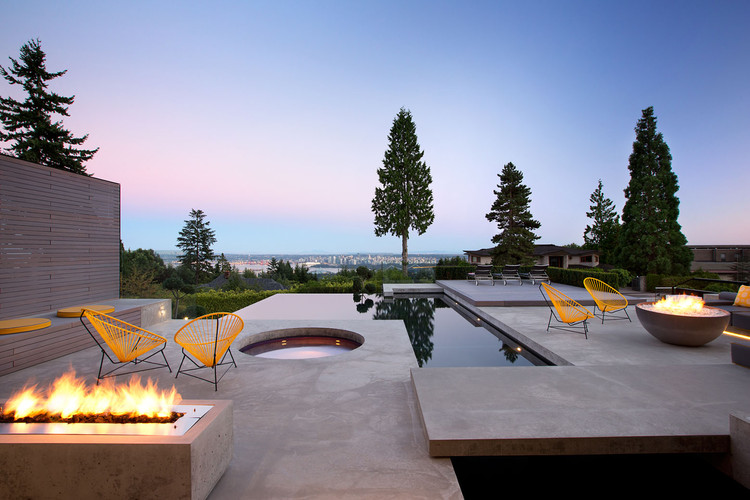
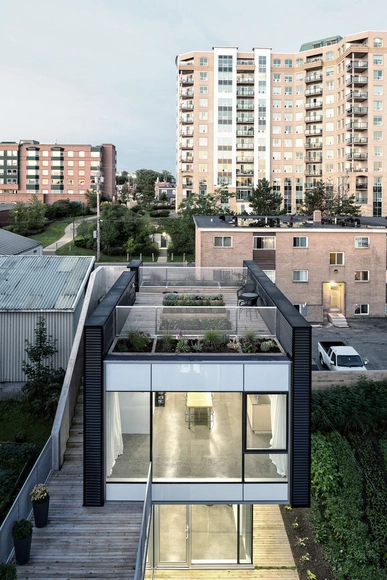
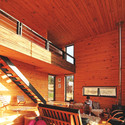
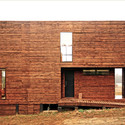
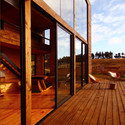
Architects: Mcleod Bovell Modern Houses
- Area: 9000 ft²
- Year: 2013
-
Manufacturers: Aquabrass, Atlas Meridian Glassworks, Faber, Vent-a-Hood



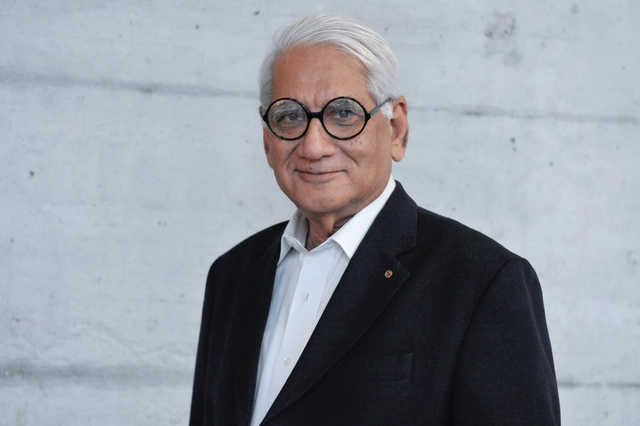
Charles Correa, widely considered to be one of India's greatest living architects, died yesterday in Mumbai at the age of 84. Correa, who was also a respected urban planner and renowned activist for the quality of cities, had been the recipient of the RIBA Gold Medal in 1984, the Praemium Imperiale in 1994, and the 7th Aga Khan Award for Architecture in 1998. His work had also been recognised with one of India's highest civilian honours, the Padma Shri, in 1972. In 2013 Correa donated over 6000 drawings and 150 models from his archives to the RIBA in London.
Mr. Charles Correa's architectural marvels are widely cherished, reflecting his brilliance, innovative zeal & wonderful aesthetic sense: PM
— PMO India (@PMOIndia) June 17, 2015 

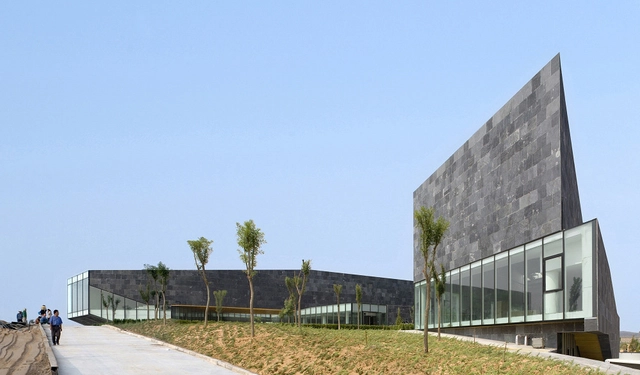
"In China there’s history but there’s no existing context. All the contexts are made for the future. Most of the designs, most of the buildings are only designed for a planning scenario lasting five or ten years. And in that case, first of all, you need to accommodate functions for the future, for the planned purpose. I’d say even though the current project is in a very rural area, it could soon, let’s say in just one or two years, become a populated area. So that’s a different challenge here when you are designing in China."
- Xu Tian Tian, Beijing 2013
Spontaneous Artist Community
Xu Tian Tian: What condition is Songzhuang in, in general? I haven’t been there for quite a while.
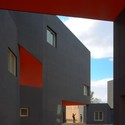
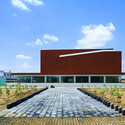
Pier Alessio Rizzardi: Songzhuang is developing very rapidly, everything was under construction, and especially in the areas around your three projects the residential buildings were growing fast… I must say that all the projects you designed [Songzhuang Artists’ Residence, Museum and Cultural Centre] were extremely damaged.
Xu Tian Tian: That’s quite disappointing...
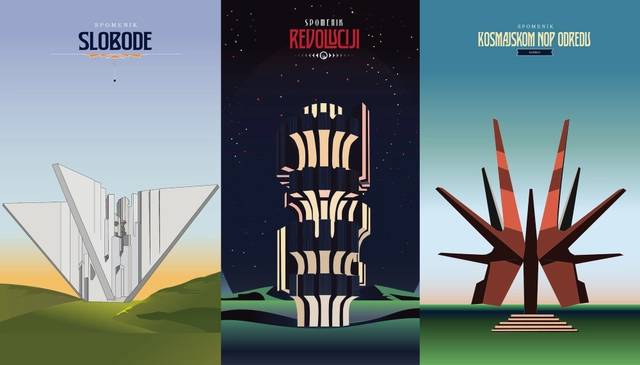
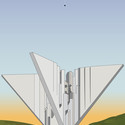
The act of remembering looms large in national cultures. Shared national memories act as a foundation for national identity, a unifying collective interpretation of history that can define what it means to belong in a certain place. Monuments loom even larger - define a national memory in concrete and stone, and you can help define your vision of the nation. That's why Nevena Katalina, a graphic design masters student at the University of Novi Sad in Serbia, has taken the famous abstract war memorials in the former Yugoslavia and translated them into posters, attempting to reconcile the imposing concrete forms with the impact they've had on culture and memory in countries around the former Yugoslavia.
.jpg?1434156741&format=webp&width=640&height=580)
curtain1.gif?1434112035)








-487.jpg?1435844484 "© Duccio Malagamba")
-487.jpg?1435844485 "© Duccio Malagamba")
-487.jpg?1435844486 "© Duccio Malagamba")
-487.jpg?1435844488 "© Duccio Malagamba")
-487.jpg?1435844483)














.jpg?1434156741)