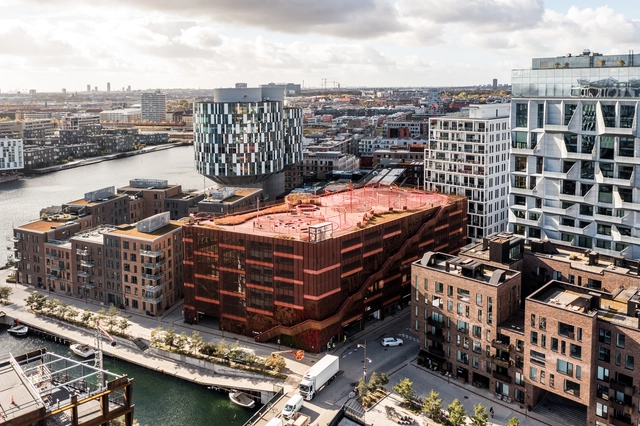
Rasmus Hjortshøj - COAST

BROWSE ALL FROM THIS PHOTOGRAPHER HERE

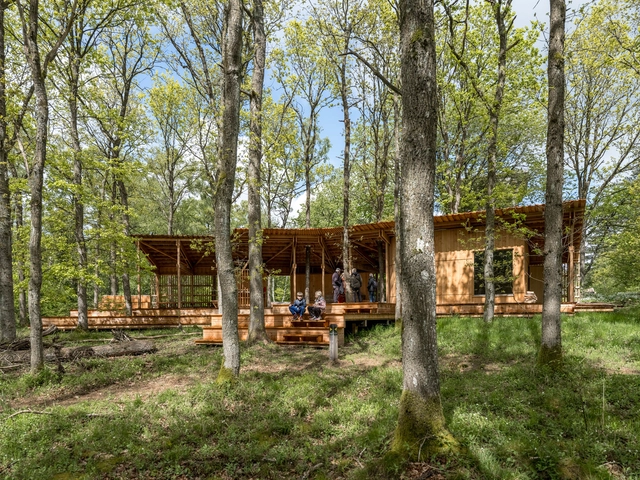
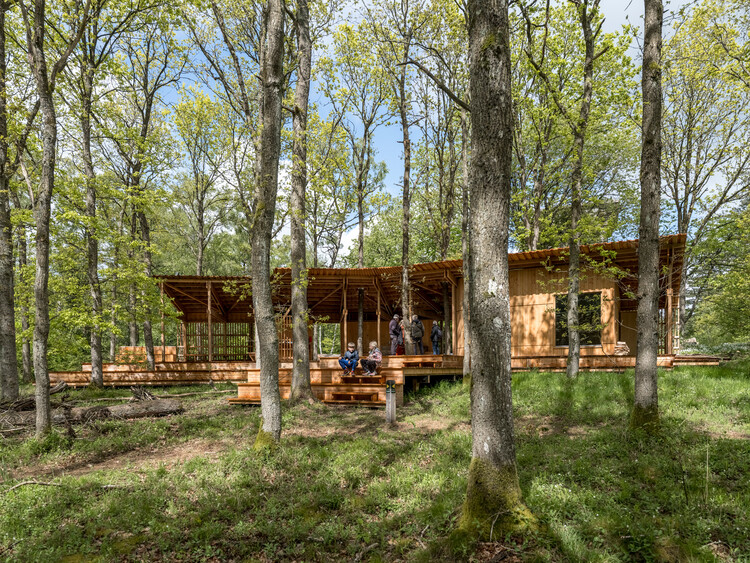
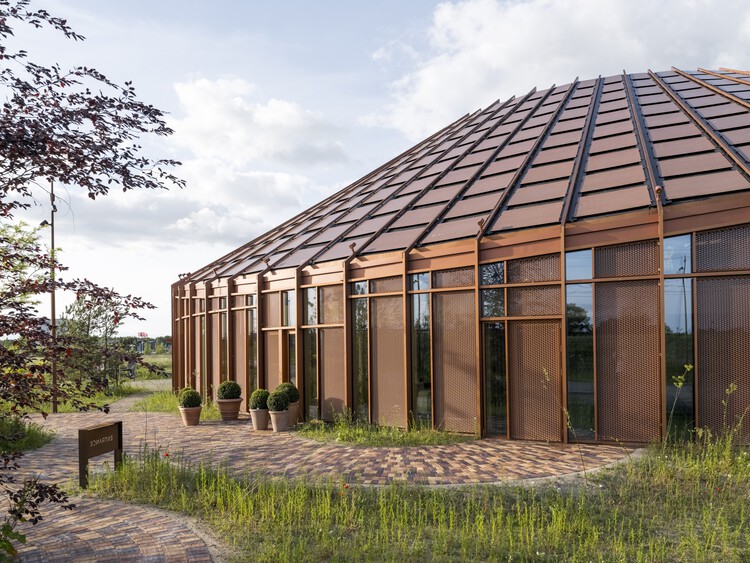
Trailcenter Rytterknægten / Matters architects

Trailcenter Rytterknægten / Matters architects - More Images+ 21

  • Architects: Matters architects
  • Area Area of this architecture project Area:  100
  • Year Completion year of this architecture project Year:  2023

How Will Transportation Work in the Future? A Look at the Rise of Electric Mobility in Cities

Subscriber Access | 

From greenhouse gas emissions and air pollution to deforestation, one of the leading contributors to global warming today is emissions from the transportation sector. Exploring its origins and evolution, as well as the major challenges it faces, the development of electric mobility in urban environments represents a global transition that requires a coordinated mix of policies and actions to achieve cleaner and more sustainable transportation systems. Designing safe and comfortable infrastructure for walking and cycling, promoting public transit and shared mobility, and designing more efficient streets that include electric vehicles, among other actions, are part of a growing worldwide effort to reduce carbon emissions.

How Will Transportation Work in the Future? A Look at the Rise of Electric Mobility in Cities - More Images+ 11

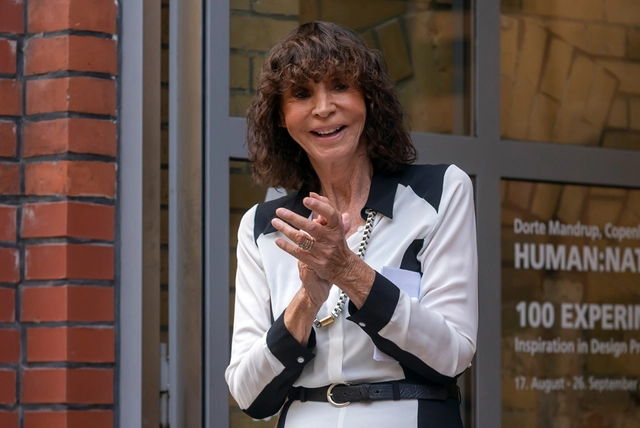
Kristin Feireiss, Founder of the Aedes Architecture Forum, Passes Away at 82

Kristin Feireiss, the German architecture curator, writer, and editor, passed away on April 20, 2025. With a career spanning over four decades, Feireiss played a significant role in promoting international public discourse on architecture, urban development, and social change.

Born in 1942, Feireiss studied art history and philosophy at Johann Wolfgang Goethe University in Frankfurt. In 1980, she co-founded the "Aedes Architecture Forum" in Berlin with Helga Retzer, establishing Europe's first private architecture gallery. After Retzer's passing in 1984, Feireiss continued to develop Aedes into an internationally recognized platform. Since 1994, in collaboration with Hans-Jürgen Commerell, she curated over 350 exhibitions and catalogues, expanding the forum's reach and impact. In 2009, the duo also founded "ANCB The Aedes Metropolitan Laboratory," which received the German Innovation Prize in 2010.

Kristin Feireiss, Founder of the Aedes Architecture Forum, Passes Away at 82 - More Images+ 1

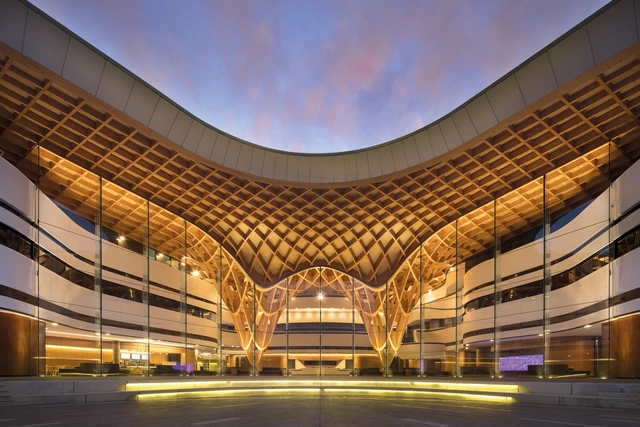
Is Mass Timber the Key Element in a Low Carbon Future?

This article was originally published on Common Edge.

Chinese temples have stood for centuries, battered by wind and earthquakes, without a crack or timber out of place. They employ an ancient technique called “bracket set construction” that requires no nails or metal parts to connect wooden structural elements. Scandinavian stave churches are nearly as durable. Unsurprisingly, there are plenty of trees in Sweden and all over China.

So what is with the hype about innovation in “mass timber” construction over the past few years? As Boyce Thompson argues in his thoughtful new book, Innovations in Mass Timber: Sequestering Carbon with Style in Commercial Buildings (Schiffer Publishing), this will be the next big thing in “green” tech for architects feeling guilty about their costly titanium skins and outsized carbon footprints. The color photos show some impressive buildings in places where the wood industry has always been healthy, such as the Pacific Northwest and Scandinavia. The Japanese build log cabins with imported material that might as well be gold.

Is Mass Timber the Key Element in a Low Carbon Future? - More Images+ 1

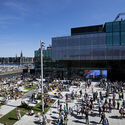
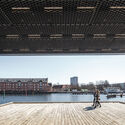
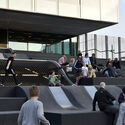
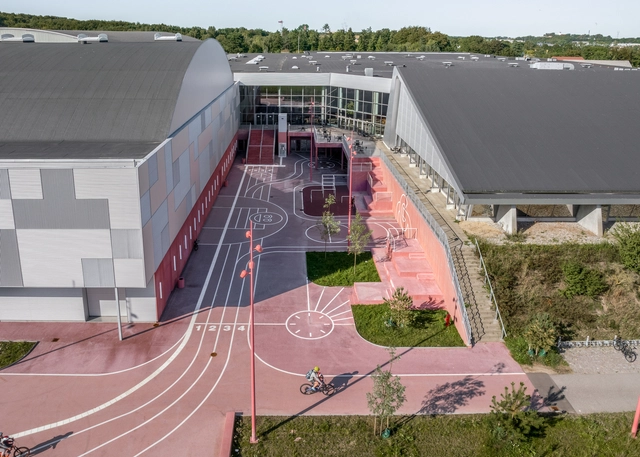
Gigantium Urban Space / JAJA Architects

Gigantium Urban Space / JAJA Architects - More Images+ 8

  • Architects: JAJA Architects
  • Area Area of this architecture project Area:  3500
  • Year Completion year of this architecture project Year:  2021

Gjuteriet Renovation / Kjellander Sjöberg

Gjuteriet Renovation / Kjellander Sjöberg - More Images+ 25

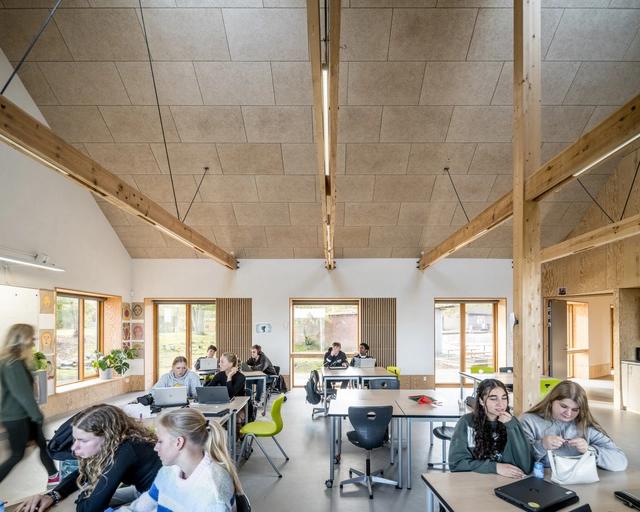
Feldballe School / Henning Larsen

Feldballe School / Henning Larsen - More Images+ 31

Frederiksberg Allé 41 / Cobe

Frederiksberg Allé 41  / Cobe - More Images+ 3

  • Architects: Cobe
  • Area Area of this architecture project Area:  3500
  • Year Completion year of this architecture project Year:  2021
  • Manufacturers Brands with products used in this architecture project
    Manufacturers:  Randers Tegl

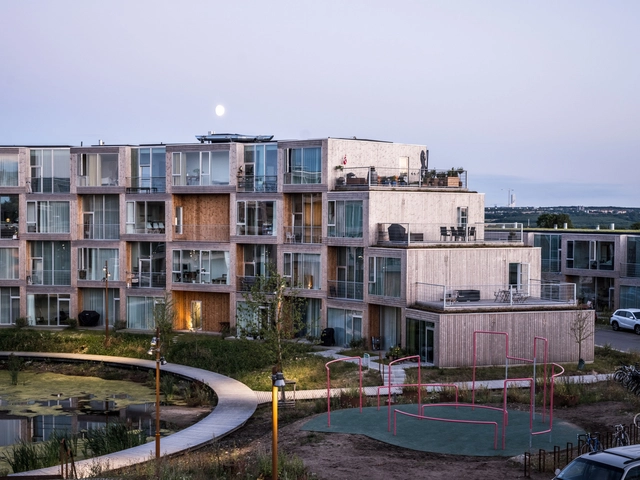
Sneglehusene Housing / BIG

Sneglehusene Housing / BIG - More Images+ 20

  • Area Area of this architecture project Area:  9500
  • Year Completion year of this architecture project Year:  2022

Villa Kirk / SPOL Architects

Villa Kirk / SPOL Architects - More Images+ 35

Why Use Translucent Polycarbonate on Building Facades?

Subscriber Access | 

Whether blending in or standing out, embodying transparency or solidity, expressing coarseness or softness, a façade is the medium through which we engage with architecture. It tells a story and can often set the tone for the rest of the interior. But apart from defining a purely visual experience, a building’s envelope must also be practical, durable and have the ability to properly manage natural lighting and ventilation needs. After all, by being the point of contact with the outside, it is responsible for mitigating sounds and providing protection from climatic conditions, such as wind, rain, heat and humidity. Therefore, when designing a facade, it is important to consider a balance between performance and a beautiful aesthetic. Of course, many materials successfully meet these criteria. But when it comes to creating a comforting, light-filled ambiance while ensuring resistance, ease of installation and versatility, the properties of translucent polycarbonate panels seem to be unparalleled.

What Does the Future Hold for Coastal Cities Following the Aftermaths of Climate Change?

Subscriber Access | 

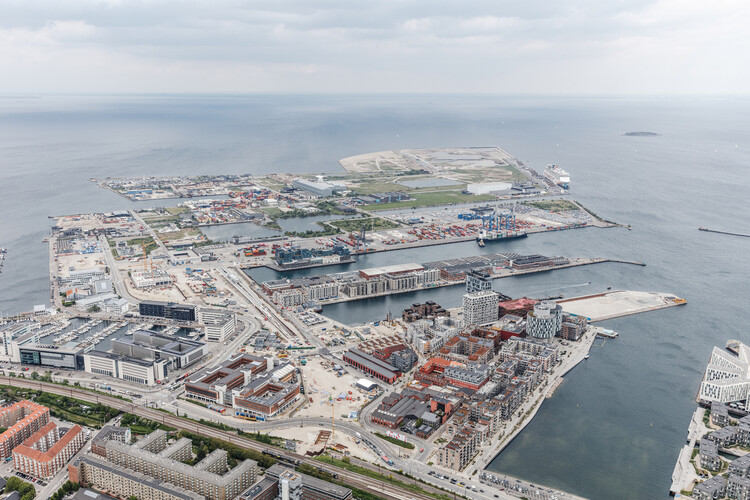
Coastal cities have always been a point of attraction for residents, tourists, and businesses. Alongside the aesthetic features, their proximity to the sea has made these cities a focal point for maritime transportation with the construction of ports, as well as hotspots for recreational and aquacultural activities. However, the past decades saw these particular regions threatened with a shortened lifespan; rising water levels, floods, and recurring cyclones, along with other natural disasters, have endangered coastal communities, putting their population, ecosystem, and built environment at risk. 

What Does the Future Hold for Coastal Cities Following the Aftermaths of Climate Change? - More Images+ 3