All space must be attached to a value, to a public dimension. There is no private space. The only private space that you can imagine is the human mind. – Paulo Mendes da Rocha, May 26, 2004
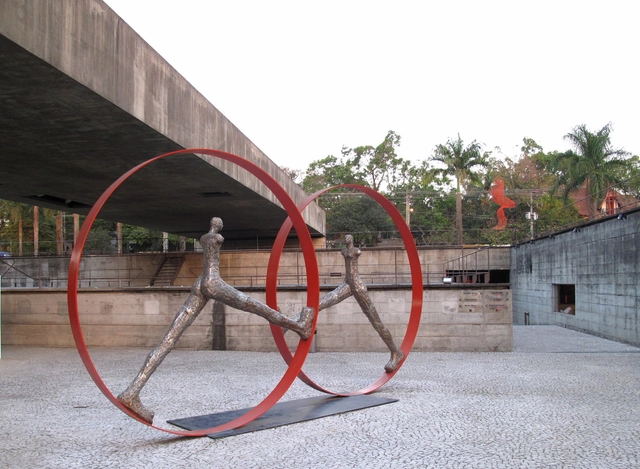
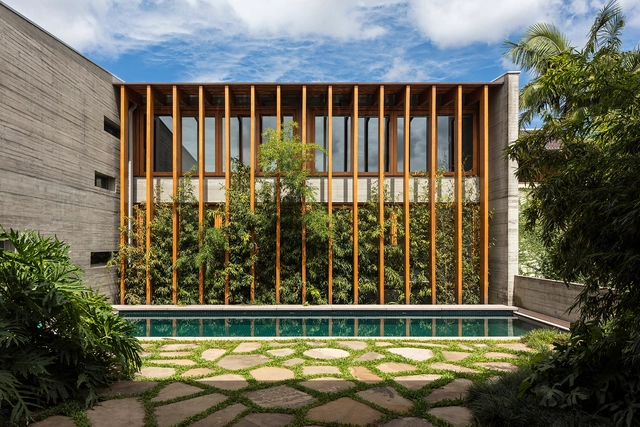
Paulo Mendes da Rocha is one of Brazil's greatest architects and urbanists. Born in Vitória, Espírito Santo in 1928, Mendes da Rocha won the 2006 Pritzker Prize, and is one of the most representative architects of the Brazilian Paulista School, also known as "Paulista Brutalism" that utilizes more geometric lines, rougher finishes and bulkier massing than other Brazilian Modernists such as Oscar Niemeyer.
Concrete, a material commonly used in the construction industry, is made of a binder combined with aggregates (or gravels), water, and certain additives. Its origins reach back as far as Ancient Egypt, when the construction of large structures created the need for a new kind of material: one which was liquid, featured properties of natural stones, could be molded, and communicated a sense of nobility and grandeur.
The World's Greatest Places of 2019 list by Time magazine celebrates 100 destinations in the world to visit, stay, eat and drink. Selected by the global team of editors of the publication, the places have been evaluated based on quality, originality, innovation, sustainability and social impact.
We have shortened this list and selected the architectural projects that have previously appeared on ArchDaily. Read on for more details.
Espacios de Paz / PICO Estudio & Movimiento Por la Paz y la Vida. . Image Cortesía de ASF International Awards
The series of articles developed by Nikos A. Salingaros, David Brain, Andrés M. Duany, Michael W. Mehaffy and Ernesto Philibert-Petit researches the peculiarities of social housing in Latin America.
This time, the proposal focuses on how human health and well-being depend on the geometry of the environment. Check the previously published pieces and the new article, below.
https://www.archdaily.com/922149/socially-organized-housing-biophilia-connectivity-and-spiritualityNikos A. Salingaros, David Brain, Andrés M. Duany, Michael W. Mehaffy & Ernesto Philibert-Petit
Eduardo Souto de Moura (born 25 July 1952), the Portuguese architect that won the 2011 Pritzker Prize, is known for designs that are formally simple yet serious and at times, dramatic, created through his thoughtful use of colors and materials. His architecture is both versatile and consistent, contextual yet universal, and rarely affected by current trends or styles.