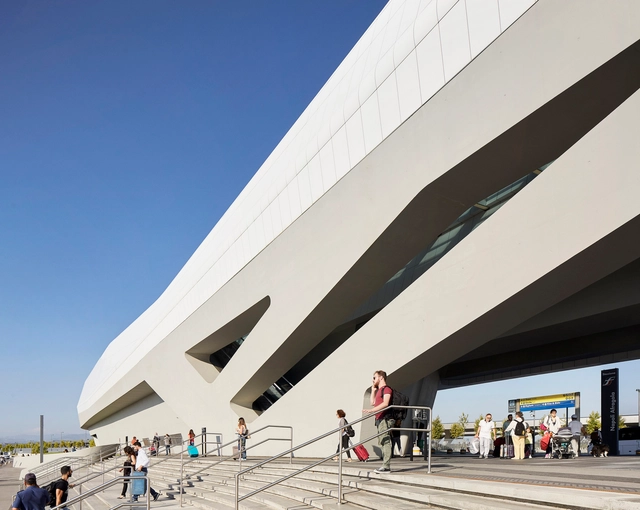
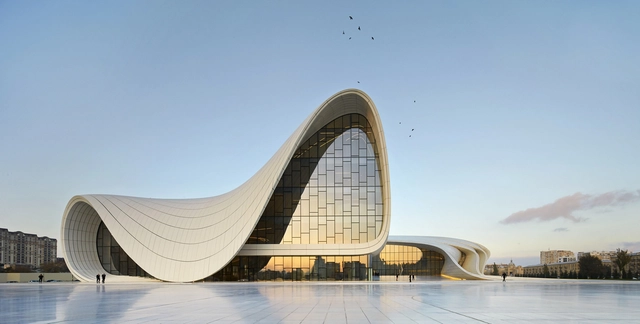
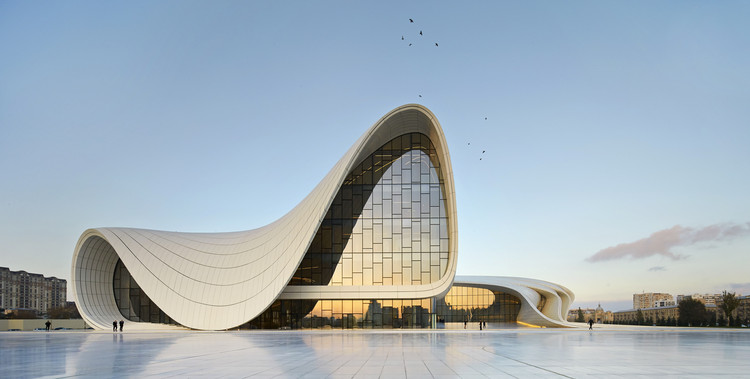
In her lifetime, Pritzker prize-winning architect, fashion designer and artist Zaha Hadid (31 October 1950 – 31 March 2016) became one of the most recognizable faces of our field. Revered and denounced in equal measure for the sensuous curved forms for which she was known, Hadid rose to prominence not solely through parametricism but by designing spaces to occupy geometries in new ways. Despite her tragically early death in March of 2016, the projects now being completed by her office without their original lead designer continue to push boundaries both creative and technological, while the fearless media presence she cultivated in recent decades has cemented her place in society as a woman who needs just one name: Zaha.
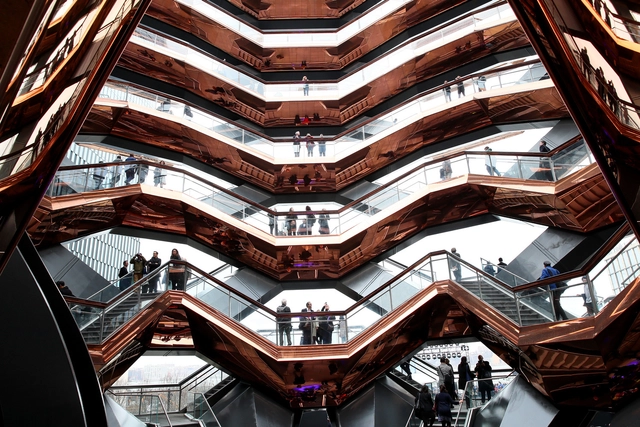
Vessel Public Landmark - Heatherwick Studio. Image Courtesy of Getty Images
Innovation can take on so many definitions. It can revolve around finding solutions, tackling with novel ideas, or just an original way of perceiving life. It can also be a very concrete technological advancement or an intangible concept. There is no right or wrong when it comes to innovation, just different points of view.
ArchDaily had the chance to discuss the topic of Innovation with Thomas Heatherwick and Yosuke Hayano from MAD Architects, during the reSITE 2019 event in Prague, where prominent thinkers from around the world shared their ideas about the future of cities under the theme of REGENERATE. The interdisciplinary conversation, in its 8th edition, explored natural and urban revitalization, as well as the recurring problems of our times like climate change and housing affordability.
"When I am asked what I believe in, I say that I believe in architecture. Architecture is the mother of the arts. I like to believe that architecture connects the present with the past and the tangible with the intangible."
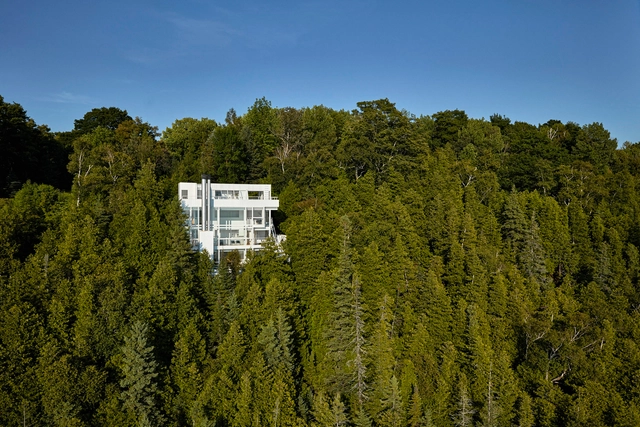
Richard Meier, the Pritzker Prize and AIA Gold Medal-winning architect, is well known for his abstracted, often white, buildings and unrelenting personal design philosophy. Citing Bernini and Borromini as influences as well as Le Corbusier and Louis Kahn, Meier received his Bachelor in Architecture from Cornell University in 1957 and took jobs with Skidmore Owings & Merrill and Marcel Breuer soon after his graduation. He began his own private practice in New York in 1963 and rocketed to architectural fame in the early 1970s, after being named as one of the "New York Five."
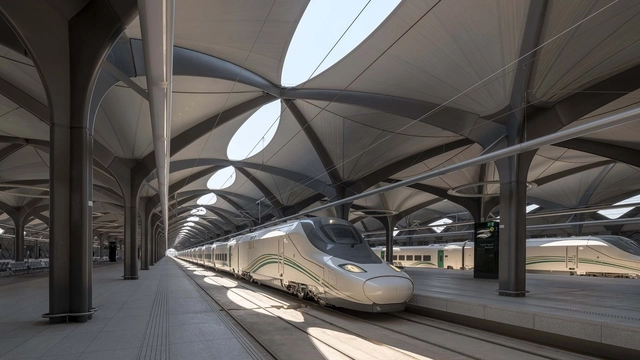
Train stations are usually complex programs since they must not only solve the departure and arrival of trains but also respond to the circulation of its users, provide certain services and be a connecting space between the transport systems of a city. Architects from different parts of the world have developed different solutions to this program. Below you can find 10 examples of train stations, their floor plans and sections.
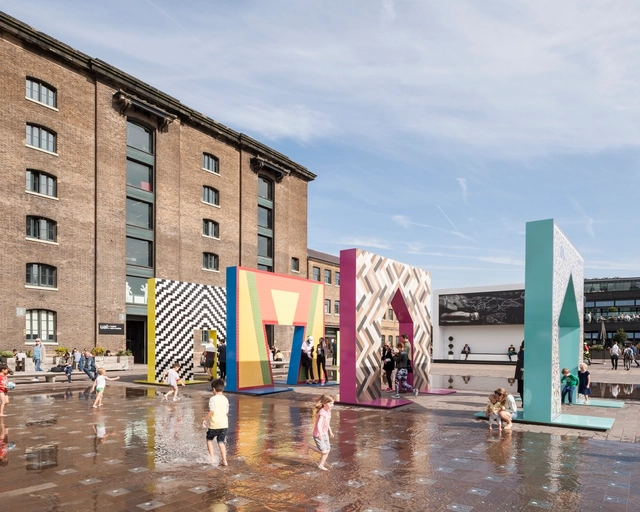
The Royal Institute of British Architects (RIBA) has announced the 54 winners of 2019 RIBA National Awards for architecture. Presented since 1966, the awards recognize the UK’s best new construction projects. From a small rammed-stone pavilion on the site where King John signed the Magna Carta, to the vast redevelopment of one of London’s busiest transport terminals, the award-winning buildings showcase the breadth of UK architecture today.
This article was made in partnership with Design Indaba, a website and annual festival that uncovers innovation for good. Click here to learn more about the annual event.
It took a few years and multiple failed career attempts for renowned minimalist designer John Pawson to truly enter the world of architecture. Though he’d cultivated an interest in design from a young age, he’d initially shied away due to his beliefs that he needed to be good at math and that design was an innate skill rather than something that could be taught.
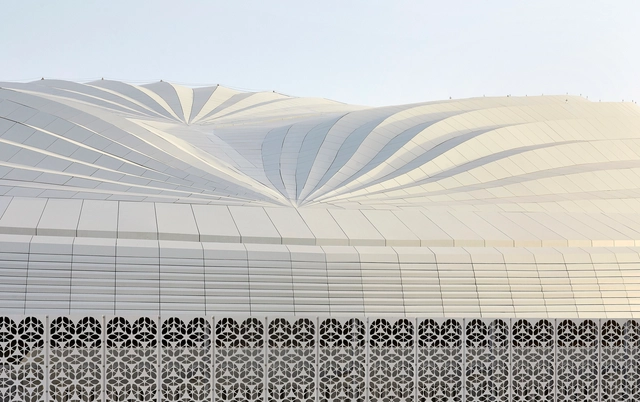
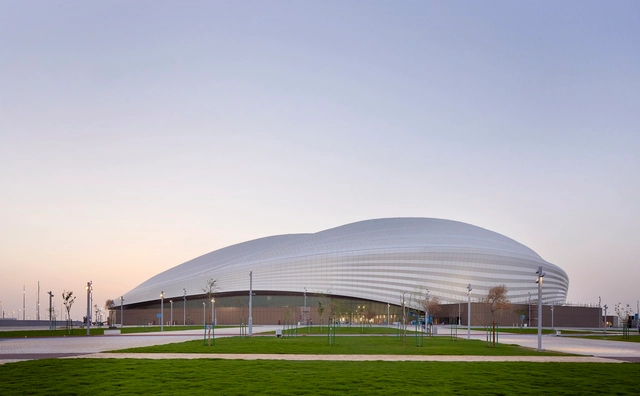
Construction has been completed on the Al Janoub Stadium, the first stadium commissioned for the 2022 FIFA World Cup in Qatar. Designed by Zaha Hadid Architects and Aecom, and situated in the city of Al Wakrah, the stadium underwent a design process beginning in 2013, and was inaugurated on May 16th 2019.
The Ilan and Asaf Ramon International Airport has opened in the Negev Desert of Israel. Designed by Amir Mann-Ami Shinar Architects and Moshe Zur Architects, the project was made to service the Red Sea resort city of Eilat and the surrounding region. The airport's design was influenced by the futuristic world of aviation and the project's natural desert surrounding. Commissioned by the Israel Airport Authority, the project is Israel's first civil airport built from scratch.
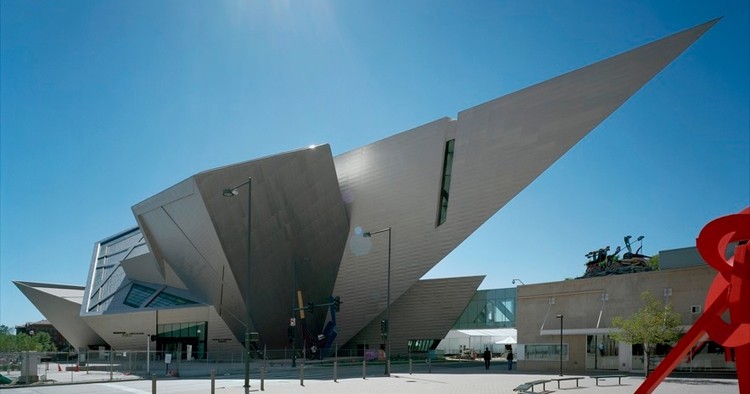
In the architecture world, few designers can claim to have a more clearly-defined style than Daniel Libeskind (born May 12, 1946). Much of Libeskind's work is instantly recognizable for its angular forms, intersecting planes, and frequent use of diagonally-sliced windows, a style that he has used to great effect in museums and memorials—but which he has equally adapted to conference centers, skyscrapers, and shopping malls.






.jpg?1561568973&format=webp&width=230&height=230&crop=true)


.jpg?1558620097&format=webp&width=640&height=580)
.jpg?1558621284&format=webp&width=230&height=230&crop=true)
.jpg?1558620357&format=webp&width=230&height=230&crop=true)
.jpg?1558620465&format=webp&width=230&height=230&crop=true)
.jpg?1558620851&format=webp&width=230&height=230&crop=true)
.jpg?1558620097)











_Hufton_Crow_(5).jpg?1535547597&format=webp&width=230&height=230&crop=true)
_Hufton_Crow_(10).jpg?1535547748&format=webp&width=230&height=230&crop=true)
_Hufton_Crow_(2).jpg?1535547467&format=webp&width=230&height=230&crop=true)
_Hufton_Crow_(8).jpg?1535547680&format=webp&width=230&height=230&crop=true)