

-
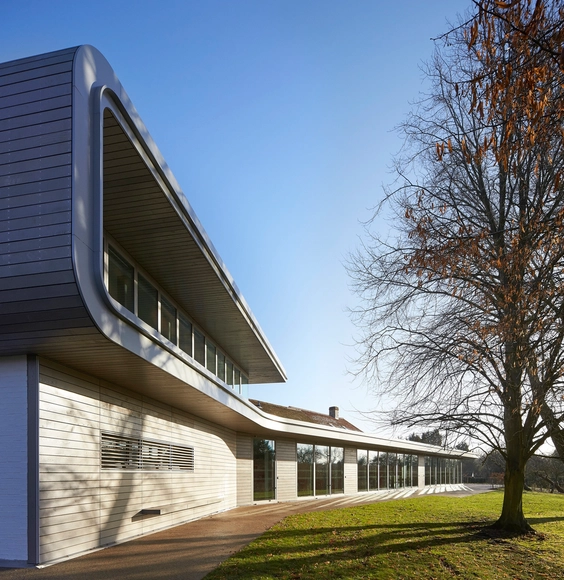
Architects: FaulknerBrowns Architects
- Area: 33000 m²
- Year: 2017
-
Manufacturers: Alco, INOX-COLOR, Inox, Polycon, Reckli, +1
-
Professionals: ABT, Deerns, Alphaplan, Ballast Nedam, ZRi
.jpg?1521590183&format=webp&width=640&height=580)
Following two weeks of enthusiastic voting, ArchDaily readers have narrowed down more than 300 nominees to the top 10 finalists of the year.
During the nomination phase, we witnessed how this award highlights the collective progress and evolving boundaries of architecture. These shortlisted projects represent the most inspiring, impactful, and resonant works chosen by our readers.
The finalists showcase a diverse spectrum of practice, spanning established industry leaders alongside emerging boutique firms with highly distinct design voices. Collectively, these projects also highlight architecture's profound capacity to improve our built environment.
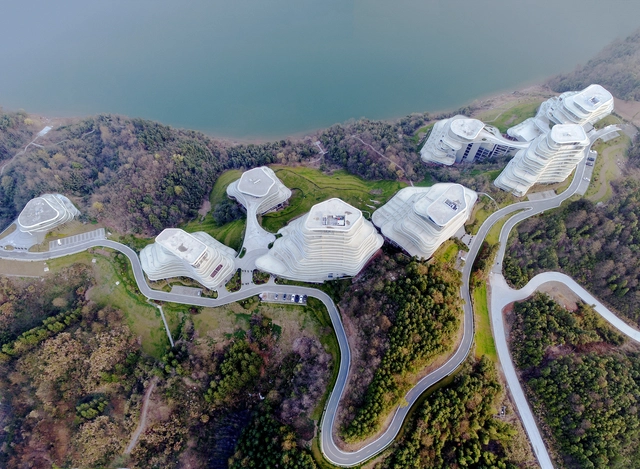
At ArchDaily, we're lucky enough to know a fantastic network of architecture professionals, allowing us to share the world's best architecture with our audience. But our articles wouldn't be the same without the many photographers who dedicate themselves to making incredible, inspiring images. For that reason, here we present the 50 most popular architecture images of 2017.

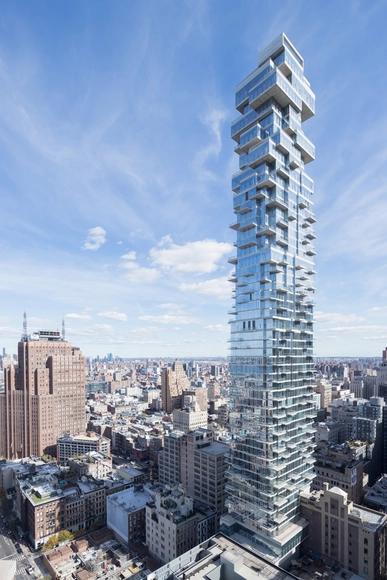
2017 was another banner year for skyscraper construction.
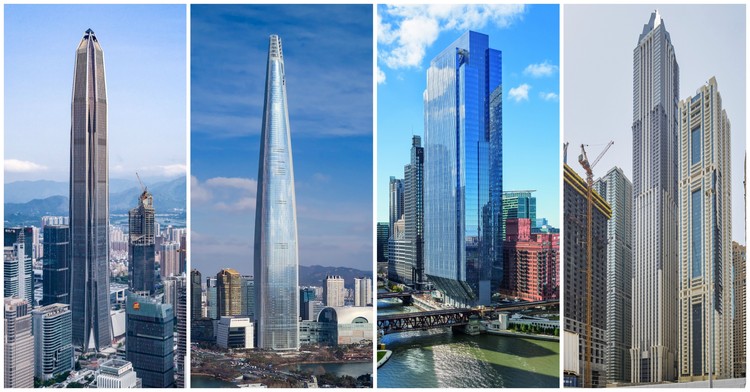
According to the 2017 Tall Building Year in Review, the annual web report from The Council on Tall Buildings and Urban Habitat (CTBUH), a record-breaking 144 buildings 200 meters tall (656 feet tall) or higher were completed in 2017, led by the 599-meter-tall Ping An Finance Center and 555-meter-tall Lotte World Tower.
In the report, CTBUH outlines this year’s trends in tall building design. Notably, 2017 proved to be the most geographically diverse year in history for tall buildings, with 69 cities across 23 countries completing new towers, an significant increase from 54 cities and 18 countries in 2016. Of those numbers, 28 cities and 8 countries completed their new tallest building.


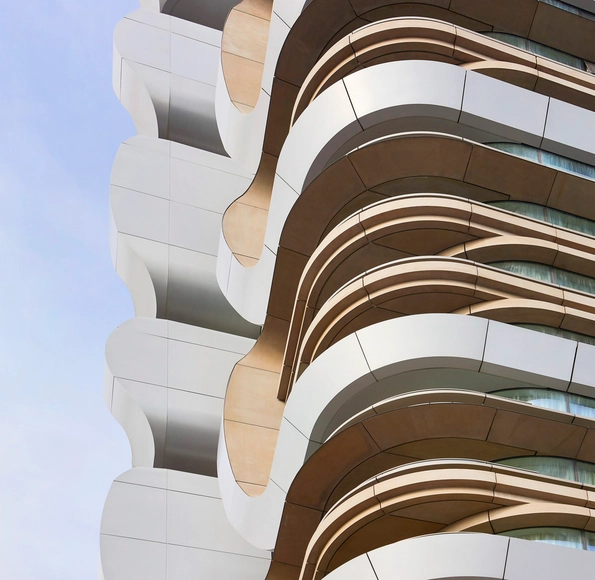

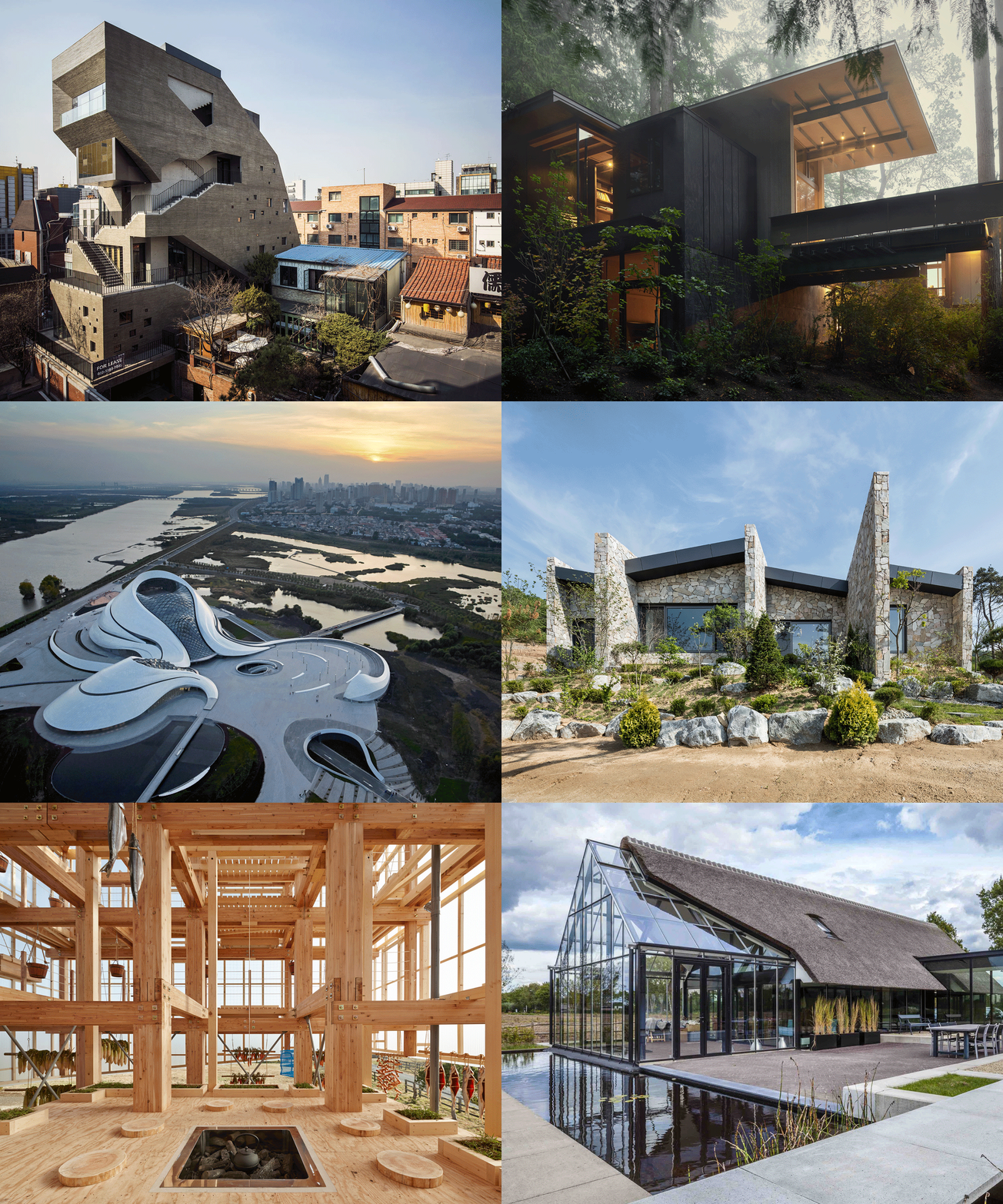
This August 19th is World Photo Day, which celebrates photography on the anniversary of the day on which France bought the patent for the daguerreotype, one of the earliest photographic processes, and released it to the world for free in 1839. At ArchDaily, we understand the importance of photography in architecture—not only as a tool for recording designs, but also as a discipline that many of us enjoy. To celebrate the occasion, we decided to reveal the most popular images ever published on ArchDaily, as selected by you, our readers. Using data gathered from My ArchDaily, we have ranked the 100 most-saved images from our database; read on to see them.
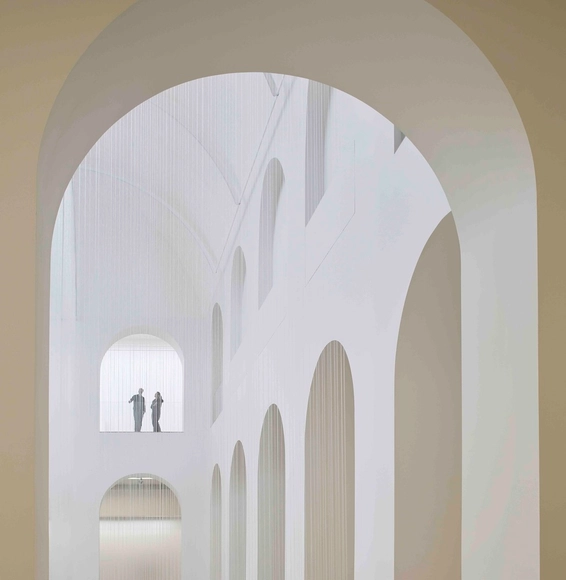
The Royal Institute of British Architects' (RIBA) new national architecture center, RIBA North, will open this week (June 17th) in Liverpool as part of the Mann Island project – a complex of waterfront buildings designed by Broadway Malyan and completed in 2013. At the core of the launch of the Institute's largest national outpost will sit an exhibition, located in the new City Gallery, exploring Liverpool’s "long, often maverick, history of architectural ambition, its willingness to take risks and consider audacious [architectural] schemes."

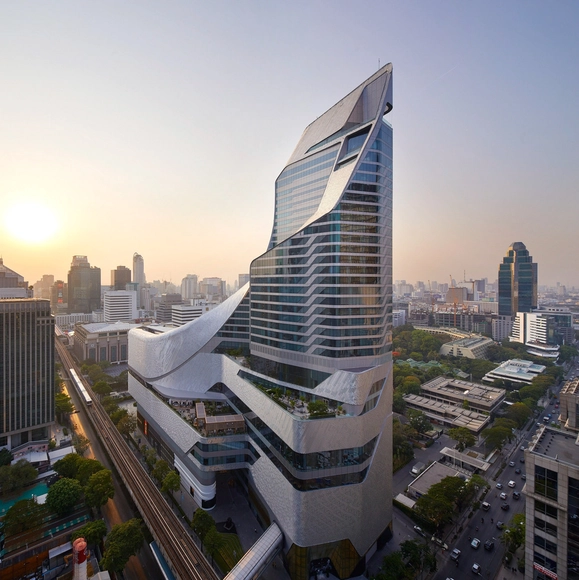
In this photoset, British photographers Hufton + Crow turn their lens toward Büro Ole Scheeren’s ‘dissolving’ MahaNakhon tower in Bangkok. Now the tallest building in the Thai capital at 1030 feet (314 meters), the pixelated skyscraper opened last summer with a fantastical light show display.
The project began as a design by Ole Scheeren for local firm Pace Development, and was completed by his own firm following his departure from OMA in 2010. The architects describe the project:
The design of MahaNakhon dismantles the typical tower and podium typology, creating a skyscraper that melds with the city by gradually ‘dissolving’ as it flows downward to meet the ground. A series of cascading indoor/outdoor terraces at the base of the tower accommodates retail and entertainment facilities, evoking the shifting protrusions of a mountain landscape.
See the full gallery of photos, after the break.

Designing a museum is always an exciting architectural challenge. Museums often come with their own unique needs and constraints--from the art museum that needs specialist spaces for preserving works, to the huge collection that requires extensive archive space, and even the respected institution whose existing heritage building presents a challenge for any new extension. In honor of International Museum Day, we’ve selected 23 stand-out museums from our database, with each ArchDaily editor explaining what makes these buildings some of the best examples of museum architecture out there.
Nick__Ulivieri__Photography.jpg?1513267321&format=webp&width=230&height=230&crop=true)


Hufton_Crow_025.jpg?1513272972&format=webp&width=230&height=230&crop=true)