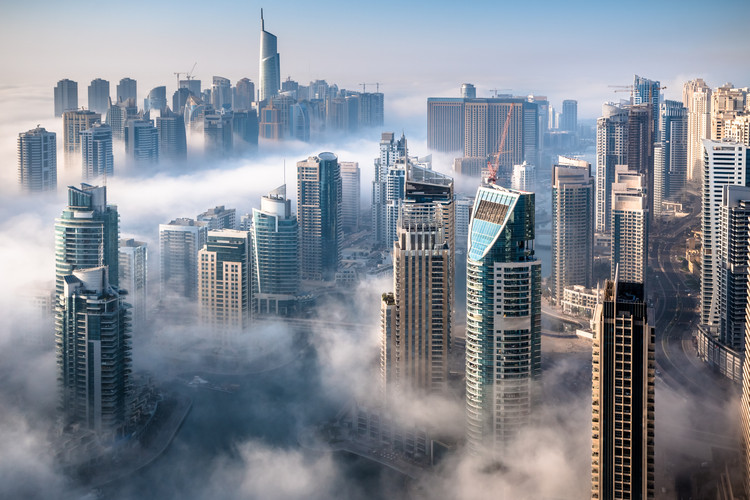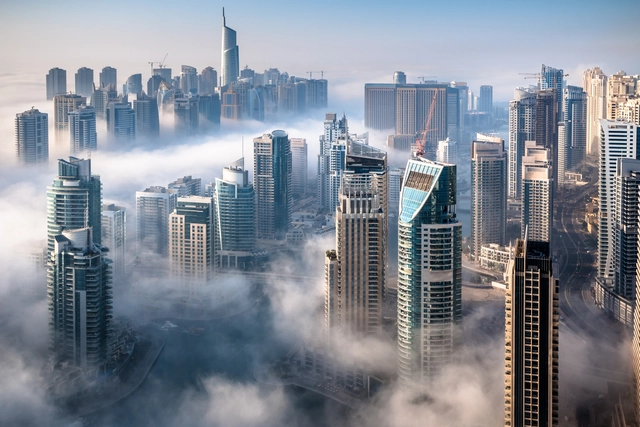
Almost a century ago, the world was introduced to a new architectural typology that changed the entire construction industry. Starting off with the Home Insurance Building in 1885, leading to the Empire State and Chrysler Buildings in Manhattan, skyscrapers became a symbol of power and financial abundance. Soon enough, they were being constructed in almost every city across the world with state-of-the-art designs that defy engineering norms. But with all the changes taking place in the architecture practice, what does the future hold for these heavily criticized yet constantly developed buildings?
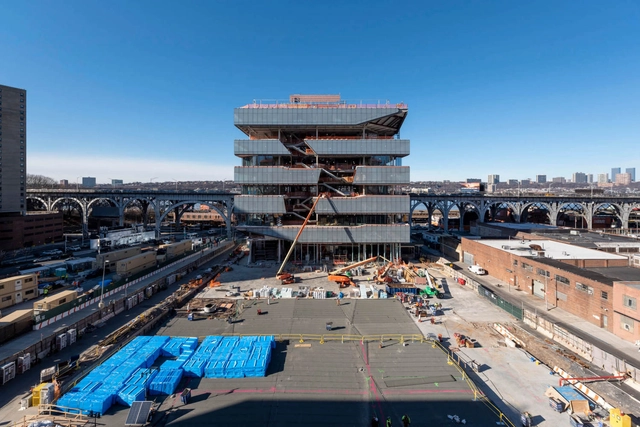
Columbia University’s Manhattanville Campus expansion has ushered in a crystalline district of glass-clad buildings amid the masonry vernacular architecture of Harlem. The latest additions to the 17-acre, $6.3 billion campus, which was master-planned by SOM, are two buildings designed by Diller Scofidio + Renfro (DS+R) in collaboration with FXCollaborative that provide a new home for the Columbia Business School. Set to open in early 2022, Henry R. Kravis Hall and the East Building rise 11 and 8 stories, respectively, and provide 492,000 square feet of classrooms, public space, and faculty offices.
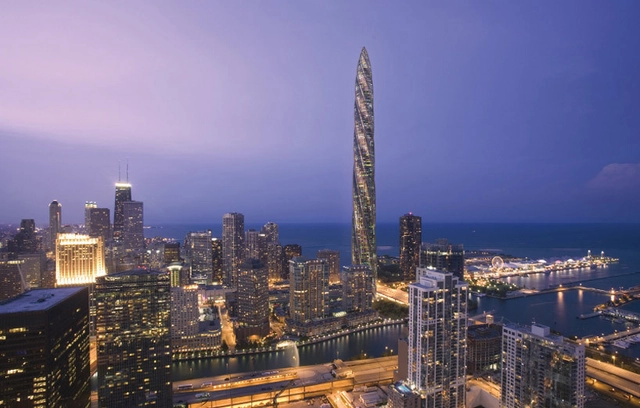
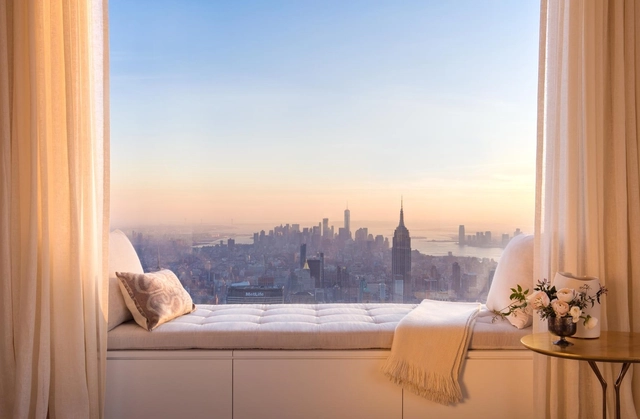
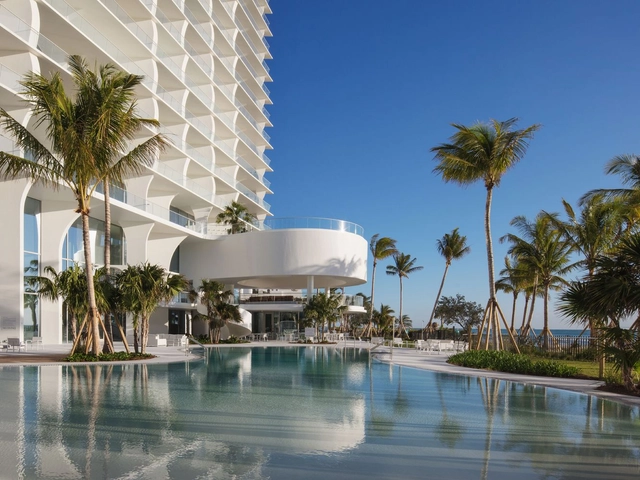
Penthouses embody how form is following finance. As their own sector of the luxury real estate market, these spaces are often reserved for the richest clients and investors. From heiress Marjorie Merriweather Post's iconic 54-room mansion in the sky, to top-floor units in mid-rise developments, penthouse designs have been continuously reimagined to take architecture and interior design to new heights.
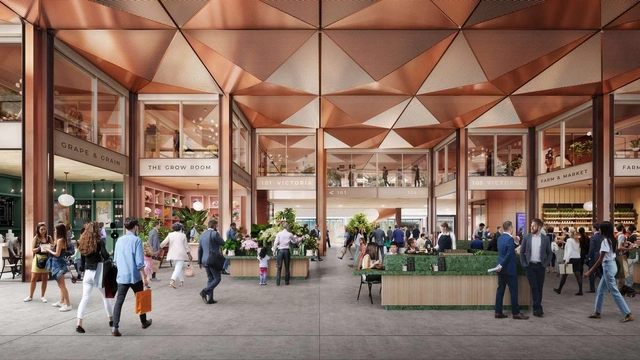
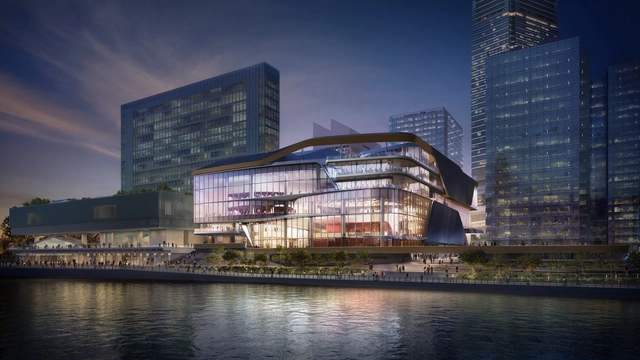
UNStudio has released images of their proposed Lyric Theatre complex in the West Kowloon Cultural District of Hong Kong. Intended as a “celebration of the world of theater,” the mixed-use scheme will house three theaters, rehearsal room, and dining, retail, and entertainment functions.
Designed to be open, inclusive, and welcoming, the compact scheme is comprised of a series of stacked transparent elements making the arts accessible to the general public. Open displays draw visitors inside from a series of reactivated plazas surrounding the scheme, supported by “an additional programme for the public to enjoy that is independent of performance timetable.”
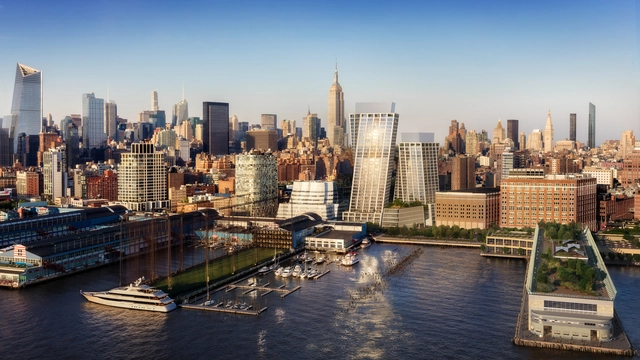
Construction is moving along quickly on The Eleventh, BIG’s twisting residential towers located near Chelsea Piers on New York City’s High Line park.
A new rendering released of the project shows the design in its final form (developed through a series of iterations), standing out even amongst notable neighbors including Frank Gehry’s IAC Building, Jean Nouvel’s 100 11th Avenue and Foster + Partners’ 551 West 21st Street.
What if the one thing that makes BIG "BIG" was suddenly stripped away right at the apex of its potential? That's the question posed by the trailer for Kaspar Astrup Schrøder’s documentary BIG TIME, which ominously illustrated a possible problem with Bjarke Ingels’ health.
Schrøder's documentary highlights the intense journey of Bjarke Ingels, the founder of Bjarke Ingels Group, through the past few years of his life. This unique insight into what exactly it's like to be an architect on top of the world ultimately poses a question that needs to be answered by anyone seeking to reshape the world through design. How do you handle the responsibility of forming the future you want to live in?
We all know a little about the world's tallest buildings—those engineering feats which define their cities and become symbols of human achievement—but what of the buildings that never took their planned place in their respective skylines? In 2014, The Council on Tall Buildings and Urban Habitat (CTBUH) released a report listing the 20 tallest buildings that were never completed (an up-to-date list is also maintained on their website here). In order to be considered "never completed," all of the buildings in the report had begun site work, but construction was completely halted with no reports indicating it will continue. Read on to find out the top 10 tallest uncompleted buildings in 2018 after the break.
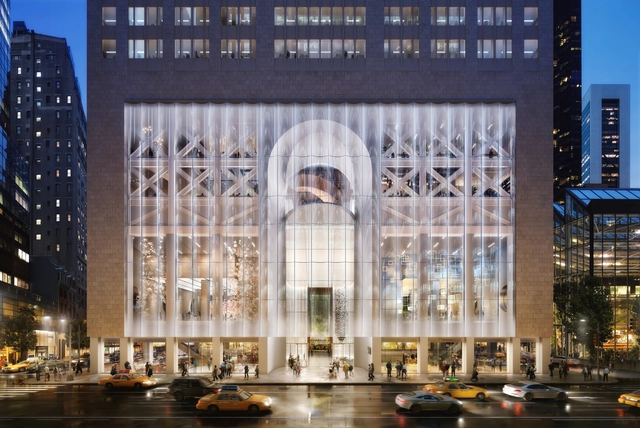
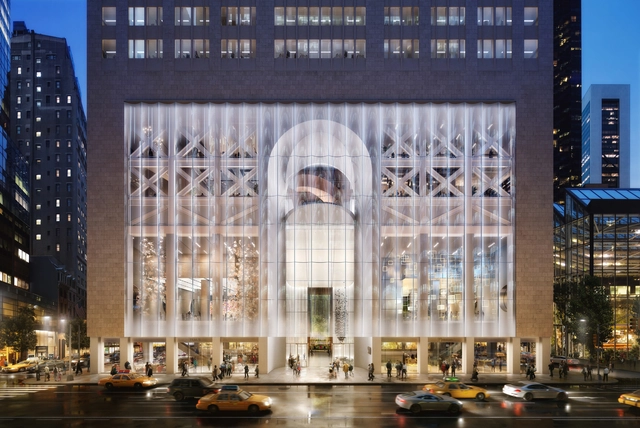
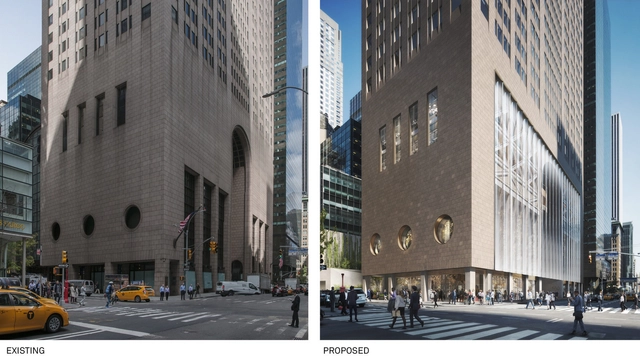
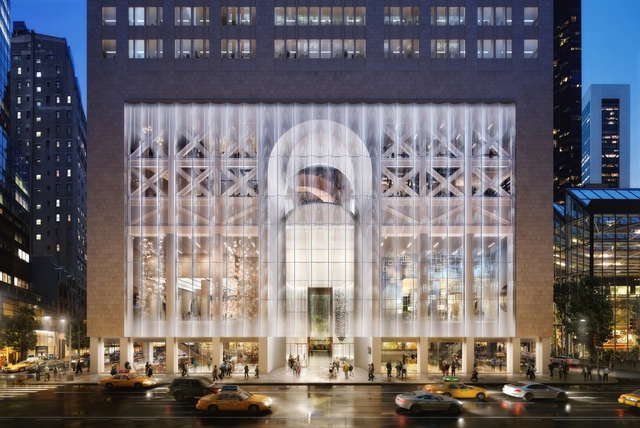
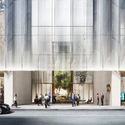
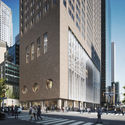
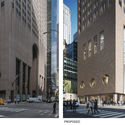
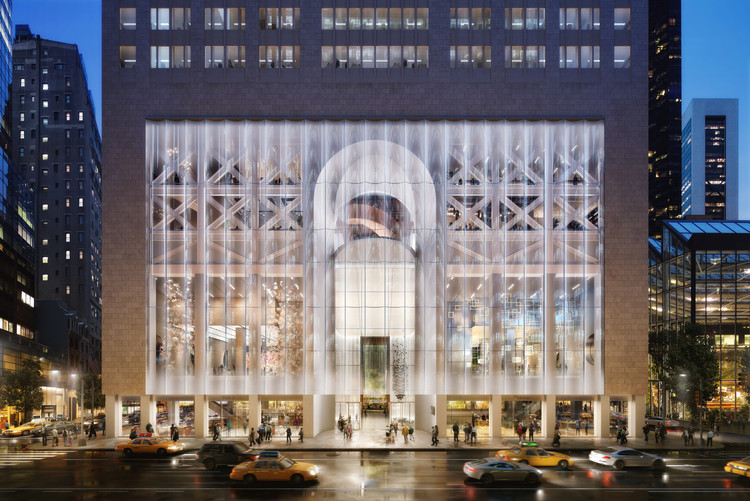
The designs by Snøhetta for the renovation of the building at 550 Madison Avenue have launched the building to the forefront of the debate about the preservation of Postmodern heritage. The plans include replacing the stone facade with undulating glass in order to transform the building's street presence. Should plans progress, the once prominent arched entry will sit behind fritted glass and stone covered columns will be unwrapped to create a hovering datum.
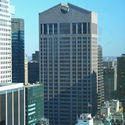
While the exterior of Philip Johnson’s iconic AT&T awaits its fate in an upcoming New York City landmarks designation hearing, demolition of its granite-clad interior lobby has already begun.
Citing the fact that the lobby had already been altered in the 1990s – including the removal of the “Golden Boy” statue – when the building switched tenants from AT&T to the Sony Corporation, the Landmarks Preservation Commission decided last month that the interiors were not deserving of landmark status.
Facing plans for a major renovation that would significantly alter the street presence of the building, Philip Johnson’s Postmodern icon, 550 Madison (formerly AT&T Building) has now cleared the first stage in the process of becoming a designated New York City landmark.
Today, an application to schedule a hearing to landmark the building was approved unanimously by the city’s Landmarks and Preservation Commission (LPC). In a few months time, the LPC will hold a public forum for the building, followed by a deliberation on whether or not the tower deserves official landmark status.
Designed by Snøhetta, the project centers on improving the transparency of its street presence. To do this, the stone facade at the building base will be replaced with a undulating glass curtain wall intended to be more inviting and attractive toward pedestrians, while the existing mid-block public passageway will be opened into a much larger outdoor landscape.
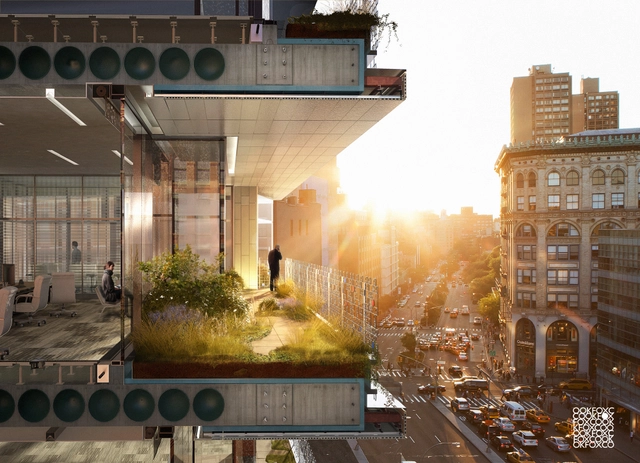
Planned to transform former gas station site at the entrance of SOHO by mid-2015, this COOKFOX-design was labeled as one of the most “erudite and captivating” presentations the Landmarks Preservation Commission has seen in years. The seven-story office and retail building is centered around the idea of connecting users to nature. Softening the building’s modern steel and glass facade will be a cloak of lush balconies topped with prime penthouse office space.