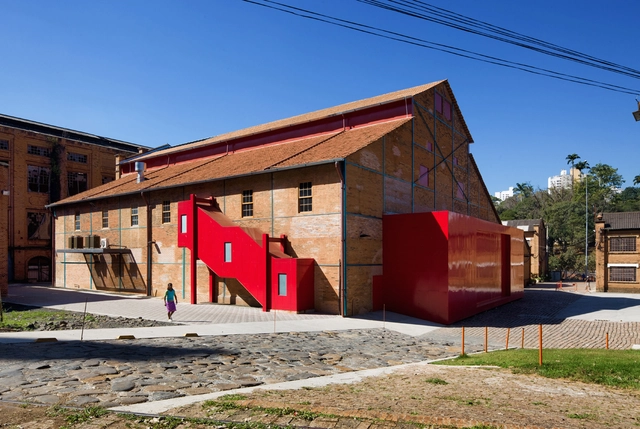
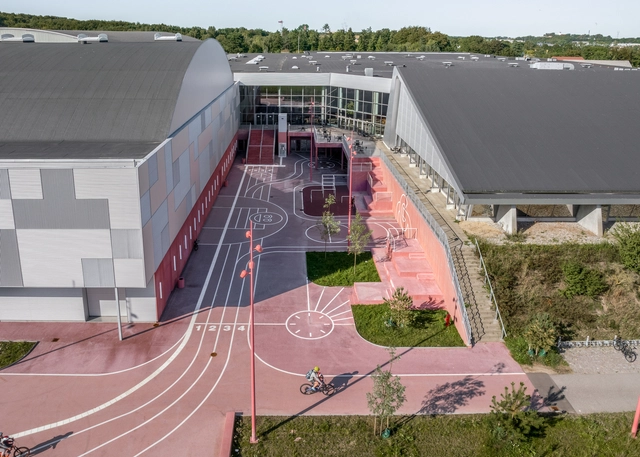
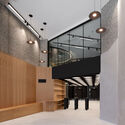
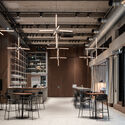
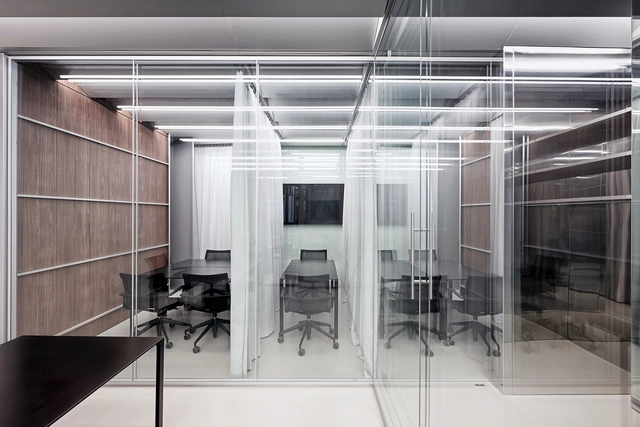
In the global context, the first factories emerged in the latter part of the 16th century, primarily housing typographic workshops. Over time, their purposes expanded to include carpentry, tapestry, and porcelain workshops. However, the recognizable form of industrial buildings we see today only took shape in the 18th century, closely tied to the transformations brought about by the Industrial Revolution. The shift from human labor to machinery fundamentally altered the scale of these structures, turning them into expansive warehouses.
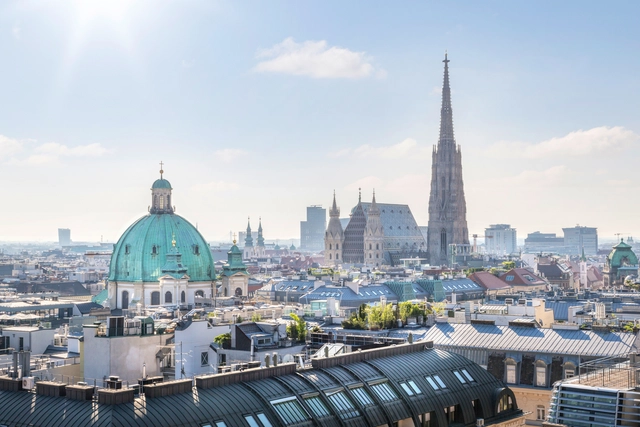
Often referred to as the “City of Music,” Vienna stands as a living testament to architectural evolution across centuries. Bring together an array of styles, ranging from the grandeur of Baroque palaces to the innovative Art Nouveau designs and the Vienna Secession movement, visitors are drawn to the city for its architectural marvels. Vienna's eventful past is reflected in its architectural landscape, which has withstood wars, imperial expansions, and the changes of numerous artistic trends while managing to maintain its unique identity as a symbol of resilience and reinvention.
From Adolf Loos, whose radical ideas challenged the trends of his time, to Otto Wagner, a pioneer of Viennese Modernism, Vienna's architectural legacy continued to evolve. Fast-forwarding to contemporary times, Vienna's skyline bears the mark of internationally renowned architects like Zaha Hadid, whose fluid and futuristic designs push the boundaries of architecture. Hadid's work, including the Library and Learning Center at the University of Economics and Business, offers a dynamic contrast to the city's historic landscape. Moreover, firms like CRAB Studio, founded by Sir Peter Cook and Gavin Robotham, bring experimentalism to Vienna's architecture, infusing contemporary concepts into the urban fabric. These architects and firms contribute to Vienna's architectural richness, adding new chapters to its storied history while honoring its innovation and artistic legacy.
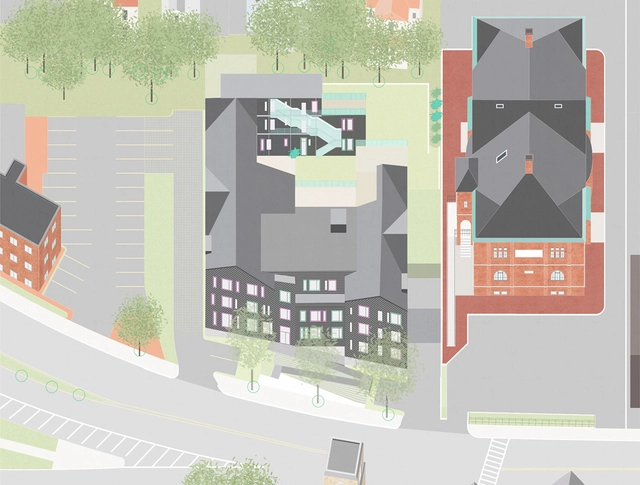
In Greater Boston's city of Malden, Massachusetts, an inter-generational community of thirty households hired an architecture firm and collectively designed their cohousing community. Responding to the cohousing community's request for collective living in an urban setting, French2D designed a typology-challenging building with individual residential units connected by a framework of shared spaces. The result is a 48,700 sqft unique and colorful type of multi-family housing. It is one of a growing number of cohousing projects in the United States.
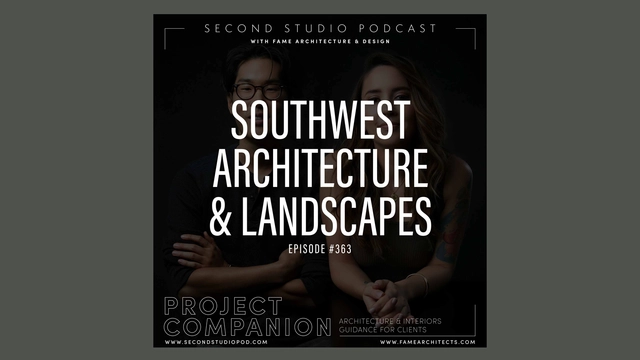
The Second Studio (formerly The Midnight Charette) is an explicit podcast about design, architecture, and the everyday. Hosted by Architects David Lee and Marina Bourderonnet, it features different creative professionals in unscripted conversations that allow for thoughtful takes and personal discussions.
A variety of subjects are covered with honesty and humor: some episodes are interviews, while others are tips for fellow designers, reviews of buildings and other projects, or casual explorations of everyday life and design. The Second Studio is also available on iTunes, Spotify, and YouTube.
This week David and Marina of FAME Architecture & Design discuss the local architecture, adobe buildings, and natural landscapes of the southwest region of the United States. The two cover the role nature has in cities, designing experiences, how architecture can co-exist with the natural landscape, craftsmanship, and more. Destinations included the Taos Pueblo in New Mexico, Monument Valley, Antelope Canyon, Frank Lloyd Wright’s Taliesin West, and Paolo Soleri’s Arcosanti.