
-
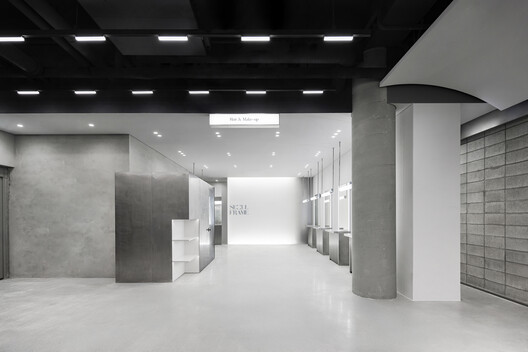
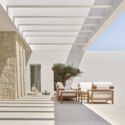
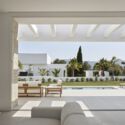
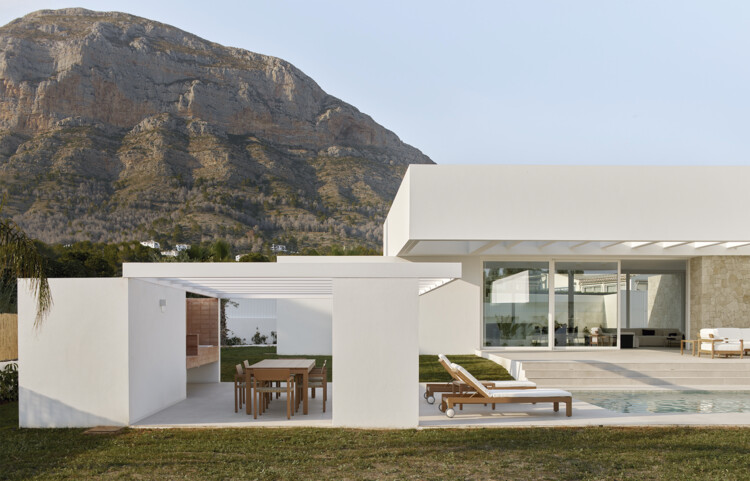
Architects: TO DO hub d'arquitectura
- Area: 327 m²
- Year: 2025
-
Manufacturers: Omelette Editions, Point 1920



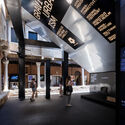
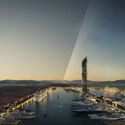
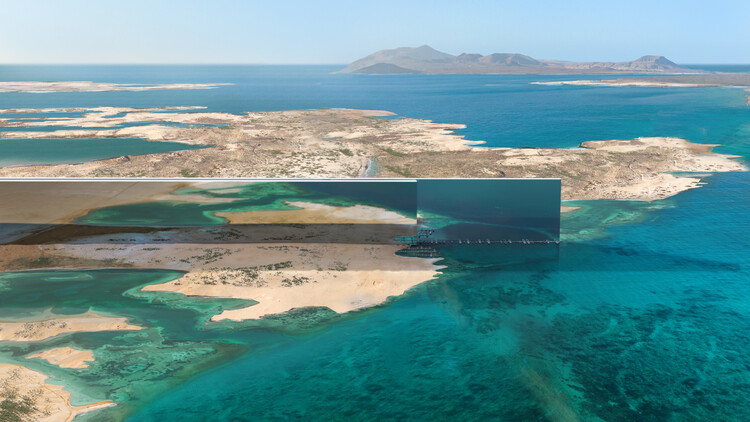
In 2023, ArchDaily's editor-in-chief sat down with Tarek Qaddumi, Executive Director of the Line Design at NEOM, at the closing of the Line Exhibition in Riyadh. Qaddumi described a layered, three-dimensional city organized around the idea of a "five-minute sphere" of access: walkable communities stacked vertically, connected by high-speed rail, freed from cars and conventional street infrastructure, and designed to coexist symbiotically with the surrounding natural landscape. It was a compelling vision, and in the context of the moment, it was simultaneously credible and appealing. For architects and urban thinkers grappling with the failures of twentieth-century city-building, the ideas articulated were worth engaging and planning.


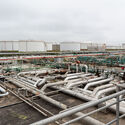
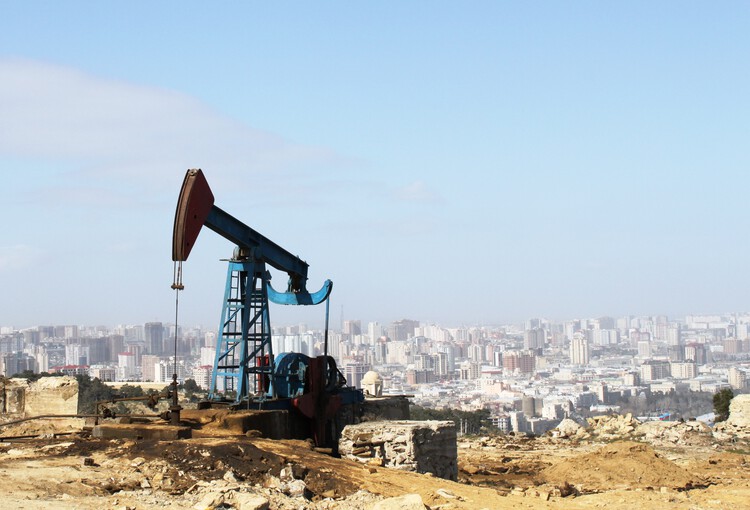
Beneath the ground lies a material that has quietly shaped the architecture of the modern world. Petroleum is rarely discussed within architectural discourse, yet the extraction, circulation, and consumption of oil have profoundly reorganized the spatial logic of territories. Pipelines, refineries, drilling platforms, ports, highways, and petrochemical complexes form a vast infrastructural landscape that sustains contemporary life, composing a dispersed architecture of energy.
Throughout the twentieth and twenty-first centuries, oil became the material foundation of industrial society. It fueled transportation, powered factories, and supported the growth of cities whose spatial organisation depended on continuous energy flows. Yet the infrastructures that enable these flows rarely become objects of architectural inquiry. Attention remains largely directed toward form, typology, or urban density, while the material systems that sustain these environments tend to remain displaced within the discipline.




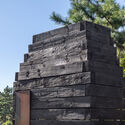
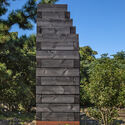
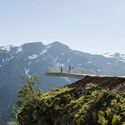
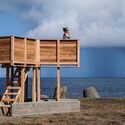
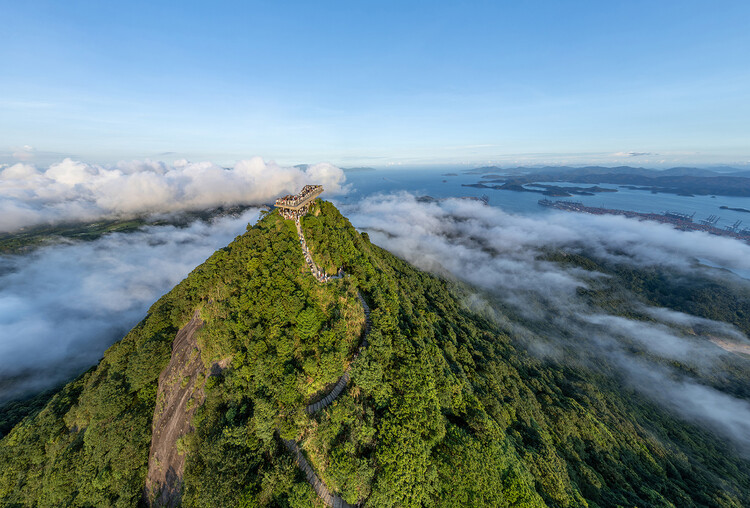
Viewpoints are structures designed for observing the landscape from elevated positions. Set within natural settings or urban environments, they act as devices that organize the gaze and establish a direct relationship between the body and the territory. At this threshold between observer and landscape, viewpoints can take on a wide range of configurations, from subtle gestures to monumental structures, always responding to their specific context. Regardless of scale, they are — to some extent — attempts to domesticate vastness: precise framings that make legible what, without mediation, might otherwise appear as excess.