From London to Houston: Four Ongoing Pedestrianisation Initiatives Shaping More Walkable Cities

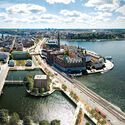
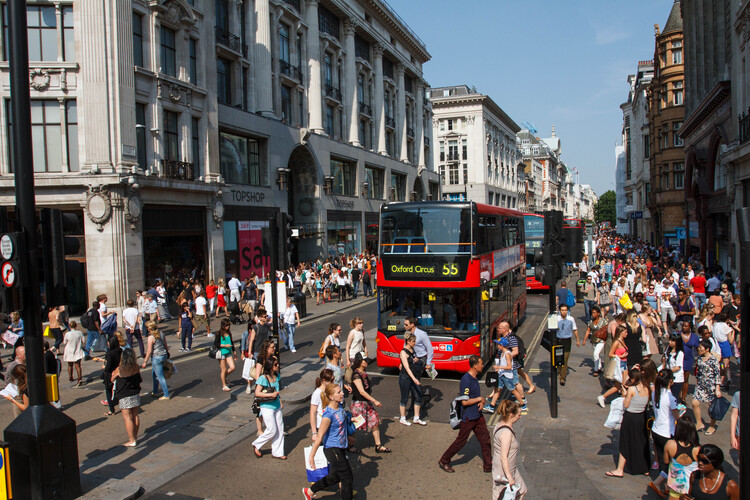
Across Europe and North America, pedestrianisation is increasingly being deployed as a context-specific urban strategy shaped by distinct economic, social, and spatial pressures. As cities continue to reassess the role of streets in the wake of economic shifts, climate pressures, and changing mobility patterns, pedestrianisation is emerging as a tool in current urban transformation efforts. Across London, New York, Houston, and Stockholm, ongoing pedestrian-first projects are testing different pathways toward more resilient and walkable cities, ranging from statutory planning and capital construction to research-driven visioning. London's Oxford Street is advancing through consultation and governance reform to address retail decline; New York's Paseo Park is moving from a temporary pandemic intervention into permanent infrastructure; Houston is accelerating the pedestrianisation of its downtown core in preparation for a global sporting event; and Stockholm's Superline is using design research to rethink the future of an inner-city motorway. These initiatives reveal how pedestrianisation is being actively negotiated, designed, and built today, adapting to local motivations while converging on a shared objective of streets that perform as resilient public spaces rather than traffic conduits.


From London to Houston: Four Ongoing Pedestrianisation Initiatives Shaping More Walkable Cities - Image 2 of 4From London to Houston: Four Ongoing Pedestrianisation Initiatives Shaping More Walkable Cities - Image 3 of 4From London to Houston: Four Ongoing Pedestrianisation Initiatives Shaping More Walkable Cities - Image 1 of 4From London to Houston: Four Ongoing Pedestrianisation Initiatives Shaping More Walkable Cities - Image 8 of 4From London to Houston: Four Ongoing Pedestrianisation Initiatives Shaping More Walkable Cities - More Images+ 12

“Material Is Where the Story Begins”: Studio NEiDA on Building Through Craft and Context

Studio NEiDA operates at the intersection of architectural practice, research, and curatorial work, with a consistent focus on how buildings emerge from the material and cultural conditions of a place. Rather than treating materiality as a finishing language, the studio frames it as the beginning of an architectural narrative—starting from what is locally available, they look at what craft knowledge exists on the ground, and how those resources and skills situate a project within an architectural lineage. This approach foregrounds limitations and possibilities as productive forces, and positions design as an iterative process of aligning spatial intent with the realities of construction culture and vernacular intelligence.

Across their work, NEiDA's interests extend beyond form toward the socio-political and climatic contexts that shape how architecture is made and inhabited. They emphasize learning from non-authored, vernacular, and informal building practices as a way of establishing a shared grammar for intervention, and they describe an indoor–outdoor continuity not as a stylistic preference but as a response to local life and ventilation logics—where outdoor rooms can be as spatially defined and programmatically central as interior ones. Collaboration, in this framework, is not auxiliary: the studio highlights on-site exchange with craftspeople and builders as a core methodology, where projects evolve through collective intelligence and adaptive communication.

“Material Is Where the Story Begins”: Studio NEiDA on Building Through Craft and Context - Image 1 of 4“Material Is Where the Story Begins”: Studio NEiDA on Building Through Craft and Context - Image 2 of 4“Material Is Where the Story Begins”: Studio NEiDA on Building Through Craft and Context - Image 3 of 4“Material Is Where the Story Begins”: Studio NEiDA on Building Through Craft and Context - Image 9 of 4“Material Is Where the Story Begins”: Studio NEiDA on Building Through Craft and Context - More Images+ 12

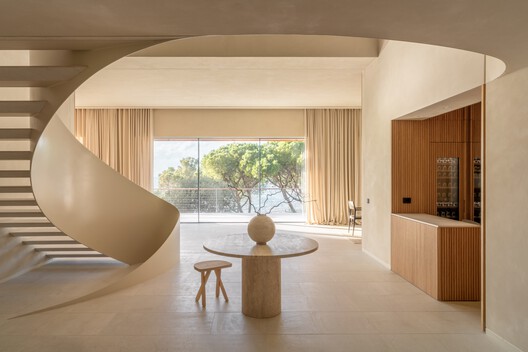
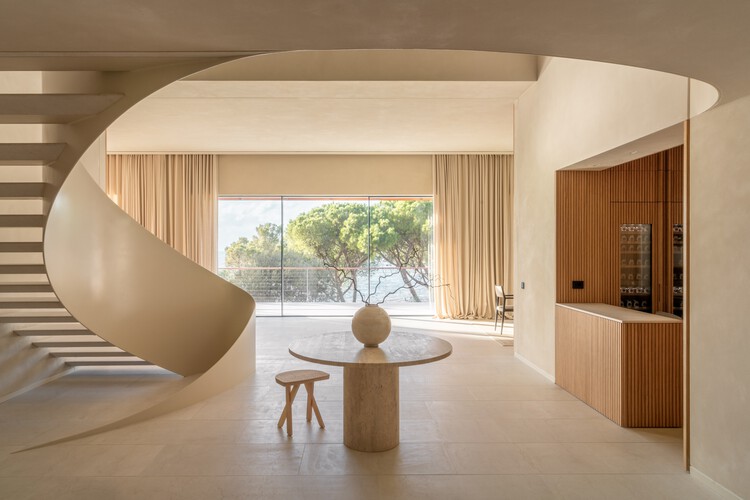
Bellevue Villa / G8A Architecture & Urban Planning + ColliNFontaine architectes

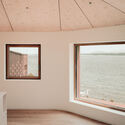
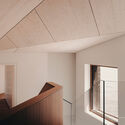
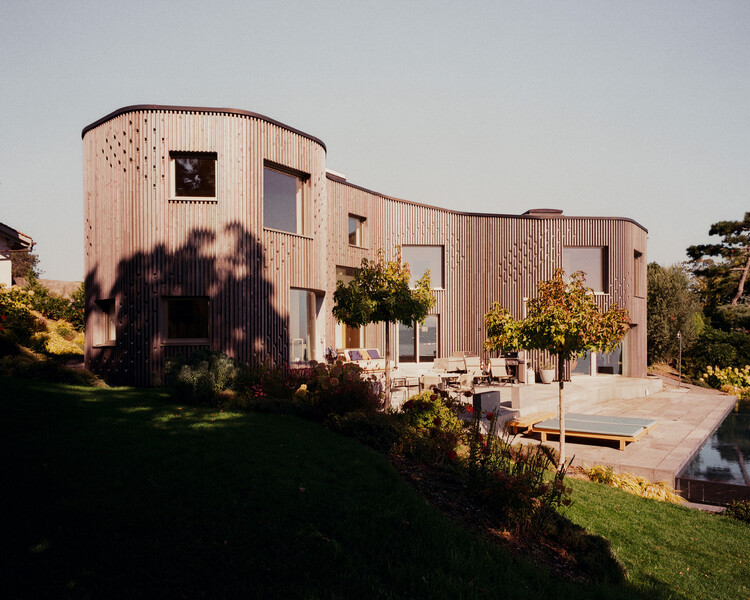
Bellevue Villa / G8A Architecture & Urban Planning + ColliNFontaine architectes - Exterior Photography, Renovation, BalconyBellevue Villa / G8A Architecture & Urban Planning + ColliNFontaine architectes - Interior Photography, RenovationBellevue Villa / G8A Architecture & Urban Planning + ColliNFontaine architectes - Interior Photography, RenovationBellevue Villa / G8A Architecture & Urban Planning + ColliNFontaine architectes - RenovationBellevue Villa / G8A Architecture & Urban Planning + ColliNFontaine architectes - More Images+ 29

BAN MAA / Geemo Design

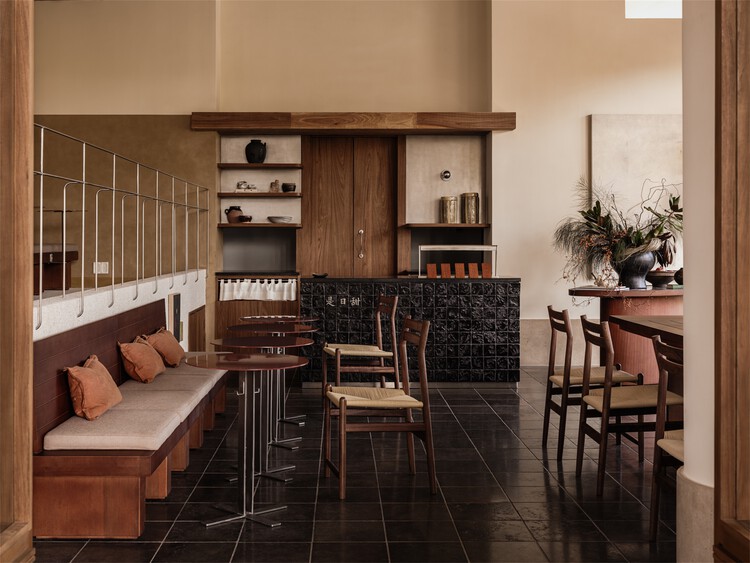
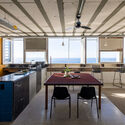
BAN MAA / Geemo Design - Interior Photography, Retail Interiors, KitchenBAN MAA / Geemo Design - Interior Photography, Retail Interiors, Lighting, Table, ChairBAN MAA / Geemo Design - Retail InteriorsBAN MAA / Geemo Design - Interior Photography, Retail Interiors, Kitchen, CountertopBAN MAA / Geemo Design - More Images+ 26

Guangzhou, China
  • Architects: Geemo Design
  • Area Area of this architecture project Area:  120
  • Year Completion year of this architecture project Year:  2025

Tull Weekend Home / Rei Mitsui Architects

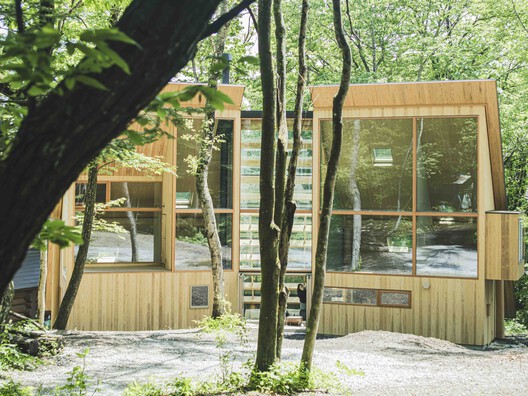
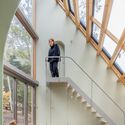
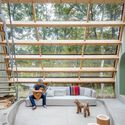
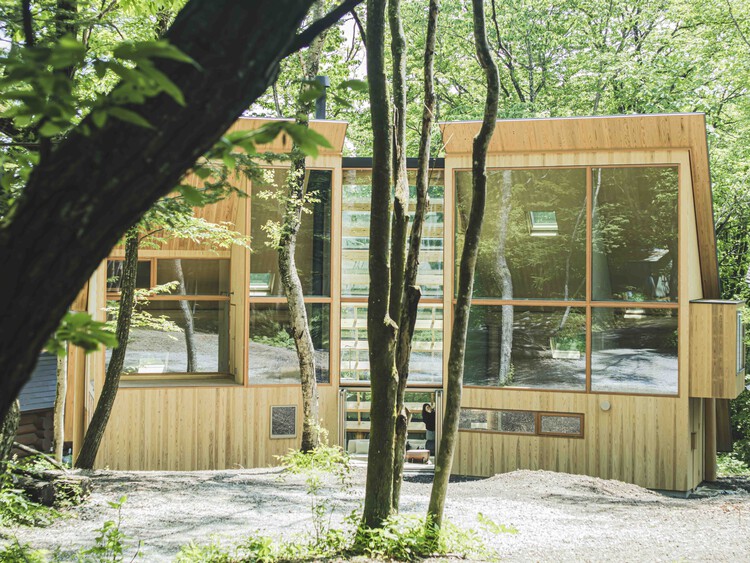
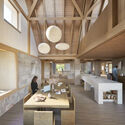
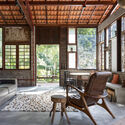
Tull Weekend Home / Rei Mitsui Architects - Interior Photography, Houses, Kitchen, ChairTull Weekend Home / Rei Mitsui Architects - Interior Photography, HousesTull Weekend Home / Rei Mitsui Architects - Interior Photography, Houses, Stairs, HandrailTull Weekend Home / Rei Mitsui Architects - Interior Photography, Houses, Beam, StairsTull Weekend Home / Rei Mitsui Architects - More Images+ 27

Karuizawa, Japan
  • Area Area of this architecture project Area:  101
  • Year Completion year of this architecture project Year:  2024
  • Manufacturers Brands with products used in this architecture project
    Manufacturers:  Dining Room Lighting / FOSCARINI / APLOMB MINI, Dining Room Table / WOOD YOU LIKE COMPANY / CHU SAKUSEN TABLE, Kitchen Countertop / MATSUOKA / Solid stainless steel, Hot Vibration Finish, Post and Beam / Tsujikei-Meiboku / Kitayama-sugi (Japanese red ceder)

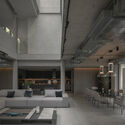
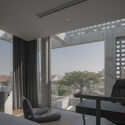
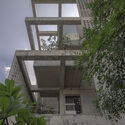
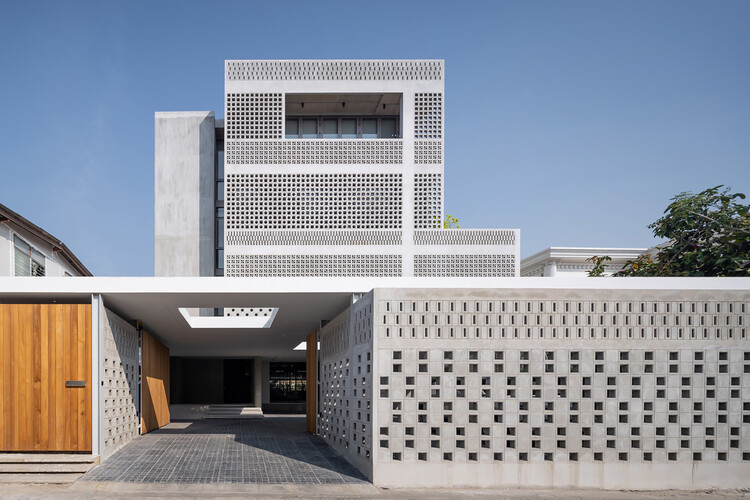
Sailom House / Anonym

Sailom House  / Anonym - HousesSailom House  / Anonym - Interior Photography, Houses, ChairSailom House  / Anonym - Interior Photography, Houses, Bedroom, BalconySailom House  / Anonym - Exterior Photography, Houses, BalconySailom House  / Anonym - More Images+ 23

Bangkok, Thailand
  • Architects: Anonym
  • Area Area of this architecture project Area:  1000
  • Year Completion year of this architecture project Year:  2024

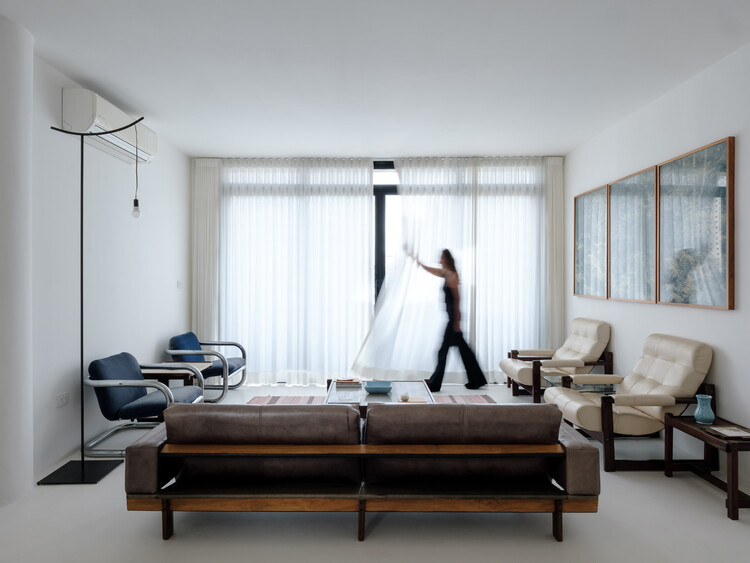
CB's Apartment / Julia Peres.Co Arquitetura

CB's Apartment / Julia Peres.Co Arquitetura - Interior Photography, Apartment InteriorsCB's Apartment / Julia Peres.Co Arquitetura - Interior Photography, Apartment InteriorsCB's Apartment / Julia Peres.Co Arquitetura - Interior Photography, Apartment Interiors, Table, Lighting, ChairCB's Apartment / Julia Peres.Co Arquitetura - Interior Photography, Apartment Interiors, ChairCB's Apartment / Julia Peres.Co Arquitetura - More Images+ 18

  • Area Area of this architecture project Area:  136
  • Year Completion year of this architecture project Year:  2026
  • Manufacturers Brands with products used in this architecture project
    Manufacturers:  Grani Torre

Granja Assembly / Lousinha Arquitectos

Granja Assembly / Lousinha Arquitectos - RenovationGranja Assembly / Lousinha Arquitectos - Interior Photography, Renovation, Lighting, ChairGranja Assembly / Lousinha Arquitectos - Interior Photography, Renovation, ChairGranja Assembly / Lousinha Arquitectos - Interior Photography, Renovation, Stairs, Lighting, ChairGranja Assembly / Lousinha Arquitectos - More Images+ 46

São Félix da Marinha, Portugal
  • Area Area of this architecture project Area:  3595
  • Year Completion year of this architecture project Year:  2023
  • Manufacturers Brands with products used in this architecture project
    Manufacturers:  Saint-Gobain, BRUMA, CS Coelho da Silva, Velux

Villa in Recco / Gosplan + Giordano Hadamik Architects + caarpa + studio.skey

Villa in Recco / Gosplan + Giordano Hadamik Architects + caarpa + studio.skey - Landscape ArchitectureVilla in Recco / Gosplan + Giordano Hadamik Architects + caarpa + studio.skey - Interior Photography, Landscape Architecture, ChairVilla in Recco / Gosplan + Giordano Hadamik Architects + caarpa + studio.skey - Interior Photography, Landscape Architecture, Chair, CoastVilla in Recco / Gosplan + Giordano Hadamik Architects + caarpa + studio.skey - Interior Photography, Landscape Architecture, Patio, ChairVilla in Recco / Gosplan + Giordano Hadamik Architects + caarpa + studio.skey - More Images+ 31

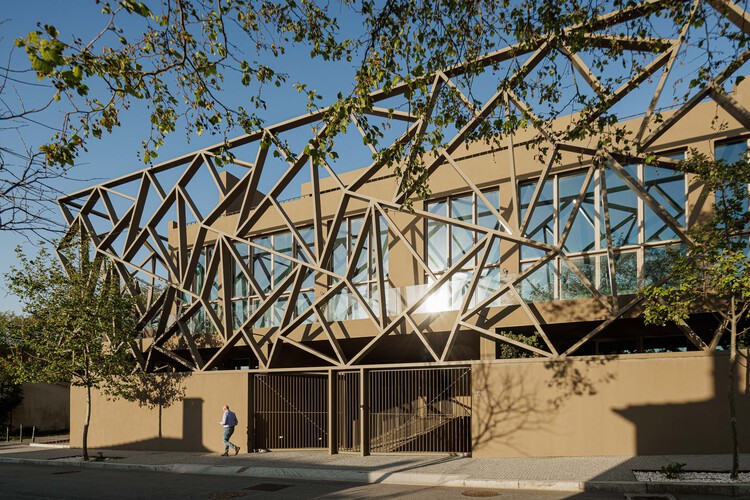
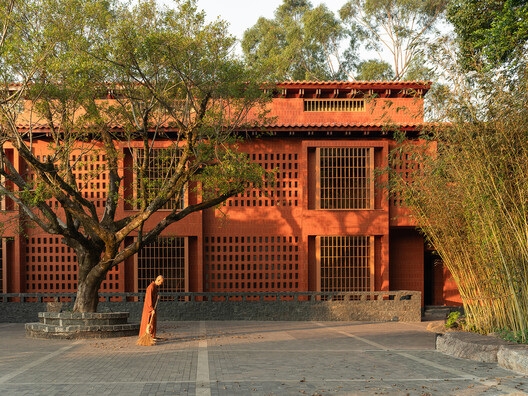
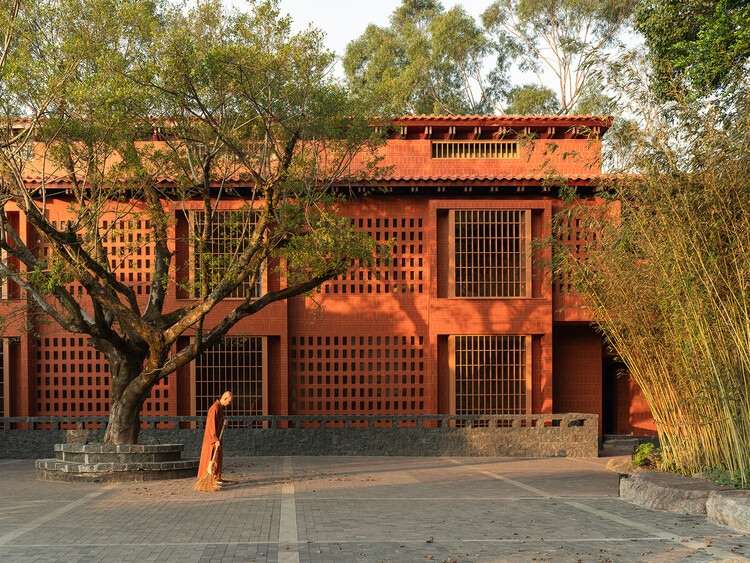
Qing Shui Meditation Retreat Center / RESP Studio

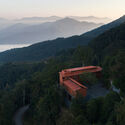
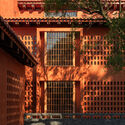
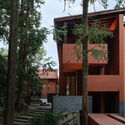
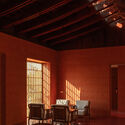
Qing Shui Meditation Retreat Center / RESP Studio - Exterior Photography, Wellness InteriorsQing Shui Meditation Retreat Center / RESP Studio - Exterior Photography, Wellness InteriorsQing Shui Meditation Retreat Center / RESP Studio - Wellness InteriorsQing Shui Meditation Retreat Center / RESP Studio - Interior Photography, Wellness Interiors, ChairQing Shui Meditation Retreat Center / RESP Studio - More Images+ 40

A Picture Worth a Thousand Pixels: Turning Disneyland Paris into a Canvas

 | In Collaboration

In highly-curated environments such as Disneyland Paris, architecture operates under a different set of expectations. Buildings are not only required to perform, they must also communicate, often instantly. Within this context, the facade becomes a visual marker that can serve as a threshold, mediating light, air, and perception. One strategy that has gained traction in this setting is the use of semi-opaque envelope systems. Neither fully transparent nor entirely enclosed, these facade systems introduce depth and variability.

Unlike conventional cladding, opaque threshold systems perform as filters. They temper solar exposure, enable natural ventilation, and provide privacy without severing visual continuity. These features are valuable in urban and commercial contexts, where buildings balance environmental responsiveness with experiential impact. Such systems also become carriers of narrative, embedding cultural references, patterns, or imagery into the architectural skin.

Kengo Kuma and Associates Wins Competition to Design New Wing for London's National Gallery

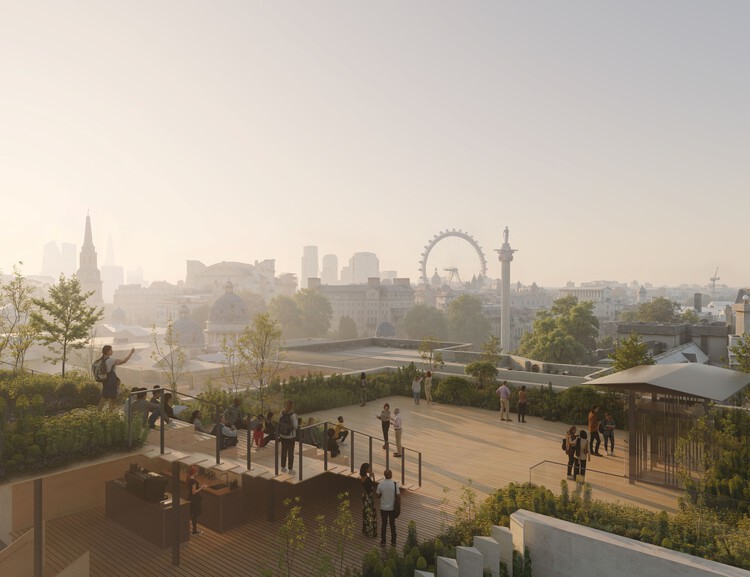
London's National Gallery has announced Kengo Kuma & Associates, in collaboration with BDP and MICA, as the winners of the international competition to design a new wing for the institution. Launched in September 2025, the competition attracted 65 submissions from international practices, from which six teams were shortlisted to develop proposals. The selection marks a key milestone in the institution's long-term development strategy, Project Domani, positioning the new addition as a central component in the reconfiguration of its architectural and curatorial framework. Conceived as the most significant transformation of the museum since its establishment in 1824, the project aims to expand both spatial capacity and curatorial scope, enabling the presentation of a continuous narrative of Western painting within a single setting.

Kengo Kuma and Associates Wins Competition to Design New Wing for London's National Gallery - Image 1 of 4Kengo Kuma and Associates Wins Competition to Design New Wing for London's National Gallery - Image 2 of 4Kengo Kuma and Associates Wins Competition to Design New Wing for London's National Gallery - Image 3 of 4Kengo Kuma and Associates Wins Competition to Design New Wing for London's National Gallery - Image 4 of 4Kengo Kuma and Associates Wins Competition to Design New Wing for London's National Gallery - More Images+ 1

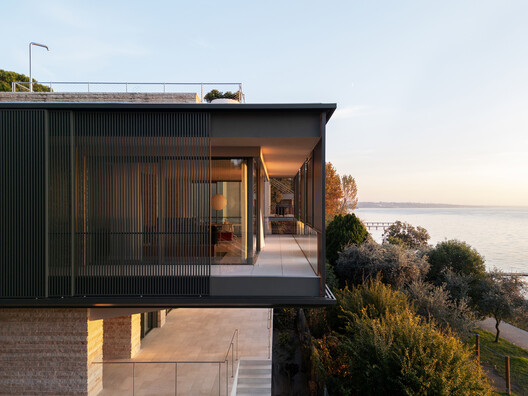
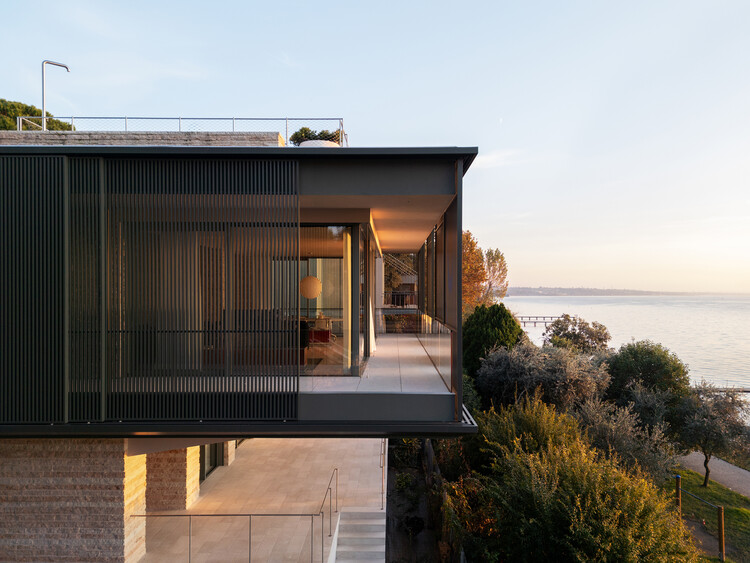
Villa EF / depaolidefranceschibaldan architetti

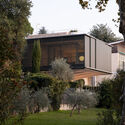
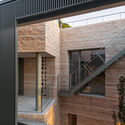
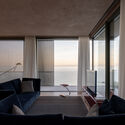
Villa EF / depaolidefranceschibaldan architetti - Exterior Photography, Houses, BalconyVilla EF / depaolidefranceschibaldan architetti - HousesVilla EF / depaolidefranceschibaldan architetti - Interior Photography, HousesVilla EF / depaolidefranceschibaldan architetti - HousesVilla EF / depaolidefranceschibaldan architetti - More Images+ 28

Bardolino, Italy
  • Area Area of this architecture project Area:  350
  • Year Completion year of this architecture project Year:  2024
  • Manufacturers Brands with products used in this architecture project
    Manufacturers:  Arper, USM, Davide Groppi, Depadova, EDRA, +4

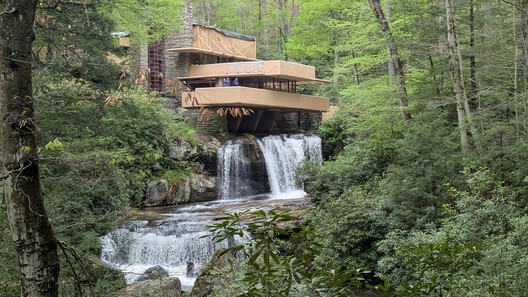
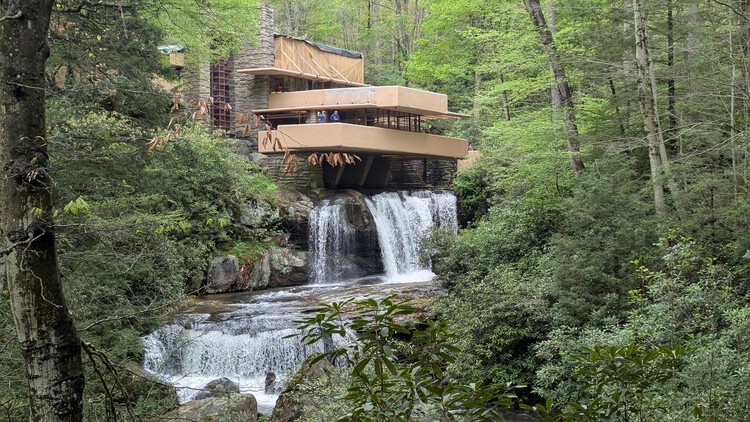
Frank Lloyd Wright’s Fallingwater Restoration and Salone del Mobile.Milano 2026: This Week’s Review

This week marked World Health Day, observed annually on April 7 by the World Health Organization. This year's edition issued the call to "Stand with science," inviting renewed engagement with scientific knowledge as a foundation for collective action across disciplines. In architecture and urban design, this imperative resonates through projects that translate research into spatial strategies: from the deployment of digital twins to inform urban planning and decision-making, to rewilding initiatives that integrate biodiversity as a tool to mitigate climate change, and materially informed practices that engage resource-conscious construction. Within this broader framework, recent works also foreground architecture's social agency at multiple scales, including a landscape-driven cancer support center in Kent that aligns wellbeing with environmental sensitivity, an urban installation in Brescia operating as a civic awareness device around life in prison and pathways to reintegration, and the transformation of a street in Mantua into a pedestrian-oriented, biodiversity-rich public space.

Frank Lloyd Wright’s Fallingwater Restoration and Salone del Mobile.Milano 2026: This Week’s Review - Image 1 of 4Frank Lloyd Wright’s Fallingwater Restoration and Salone del Mobile.Milano 2026: This Week’s Review - Image 2 of 4Frank Lloyd Wright’s Fallingwater Restoration and Salone del Mobile.Milano 2026: This Week’s Review - Image 3 of 4Frank Lloyd Wright’s Fallingwater Restoration and Salone del Mobile.Milano 2026: This Week’s Review - Image 4 of 4Frank Lloyd Wright’s Fallingwater Restoration and Salone del Mobile.Milano 2026: This Week’s Review - More Images+ 30

Arquivo: Deconstruction and Material Reuse for a Circular Architecture

The construction industry today faces an unavoidable paradox: the urgent need for sustainable solutions for the future of cities collides with the exhaustion of the term "sustainability" itself, often reduced to a hollow commercial label. In this scenario, Arquivo – one of the winners of ArchDaily's 2025 Next Practices Award – emerges as a facilitator and mediator between different stakeholders in the construction field through disassembly – or rather, de-construction – and the reuse of building elements. Etymologically, if "construction" derives from the Latin construere (to heap up, assemble), the prefix "de-" imposes a conceptual inversion: it is not about destroying, but about disassembling with intelligence to understand the logic of the parts.


While conventional demolition practices generate a vast volume of waste and energy consumption, Arquivo proposes reuse as a viable alternative for the circular economy. The company operates in the gap between disposal and new construction, guided by a clear premise: "Reuse is only fully realized when the material gains a new life."

Arquivo: Deconstruction and Material Reuse for a Circular Architecture - Image 1 of 4Arquivo: Deconstruction and Material Reuse for a Circular Architecture - Image 2 of 4Arquivo: Deconstruction and Material Reuse for a Circular Architecture - Image 3 of 4Arquivo: Deconstruction and Material Reuse for a Circular Architecture - Image 4 of 4Arquivo: Deconstruction and Material Reuse for a Circular Architecture - More Images+ 10

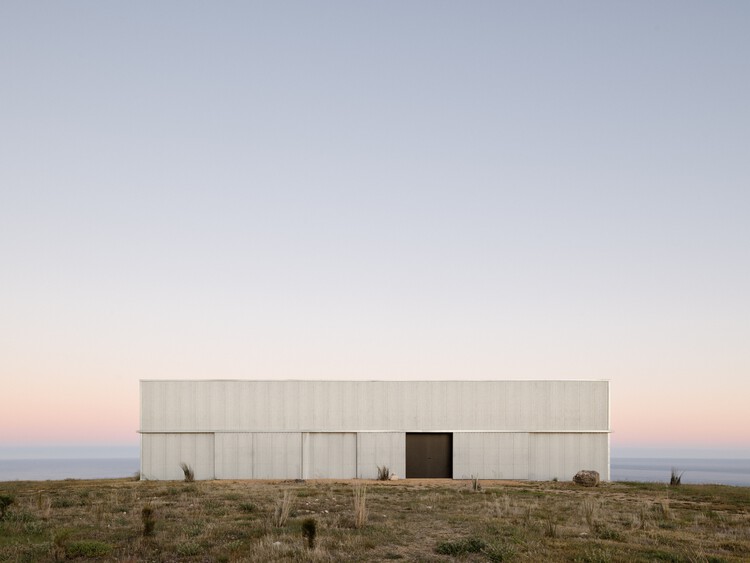
Carrickalinga Shed / Architects Ink

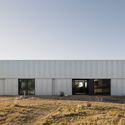
Carrickalinga Shed / Architects Ink - HousesCarrickalinga Shed / Architects Ink - HousesCarrickalinga Shed / Architects Ink - Exterior Photography, HousesCarrickalinga Shed / Architects Ink - HousesCarrickalinga Shed / Architects Ink - More Images+ 16

Carrickalinga, Australia
  • Architects: Architects Ink
  • Area Area of this architecture project Area:  320
  • Year Completion year of this architecture project Year:  2021

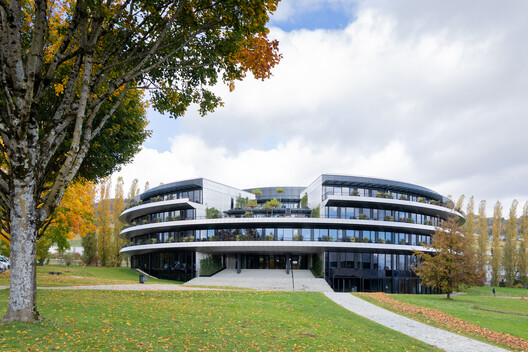
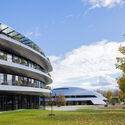
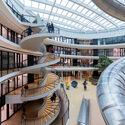
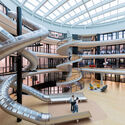
Philo Science Center at Institut Le Rosey / Bernard Tschumi Architects + Fehlmann Architectes

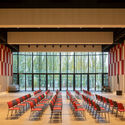
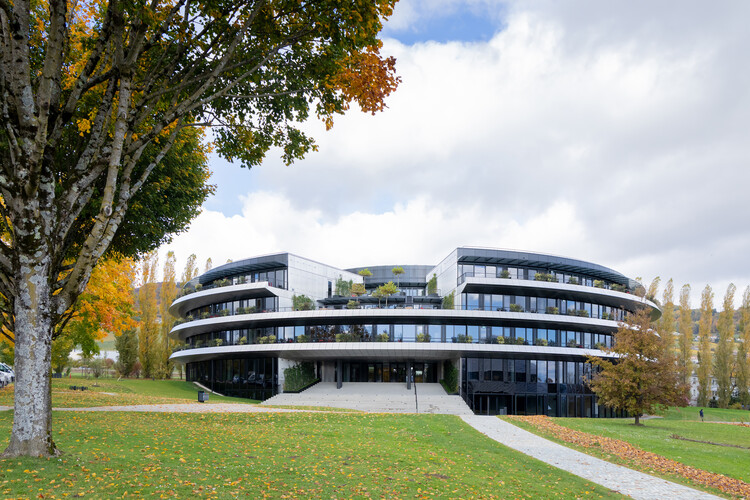
Philo Science Center at Institut Le Rosey / Bernard Tschumi Architects + Fehlmann Architectes - Exterior Photography, InstitutePhilo Science Center at Institut Le Rosey / Bernard Tschumi Architects + Fehlmann Architectes - InstitutePhilo Science Center at Institut Le Rosey / Bernard Tschumi Architects + Fehlmann Architectes - Interior Photography, InstitutePhilo Science Center at Institut Le Rosey / Bernard Tschumi Architects + Fehlmann Architectes - Interior Photography, Institute, ChairPhilo Science Center at Institut Le Rosey / Bernard Tschumi Architects + Fehlmann Architectes - More Images+ 10

Chaka Salt Lake Tourist Railway Station / THAD SUP Atelier

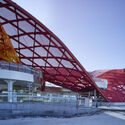
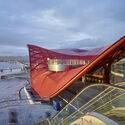
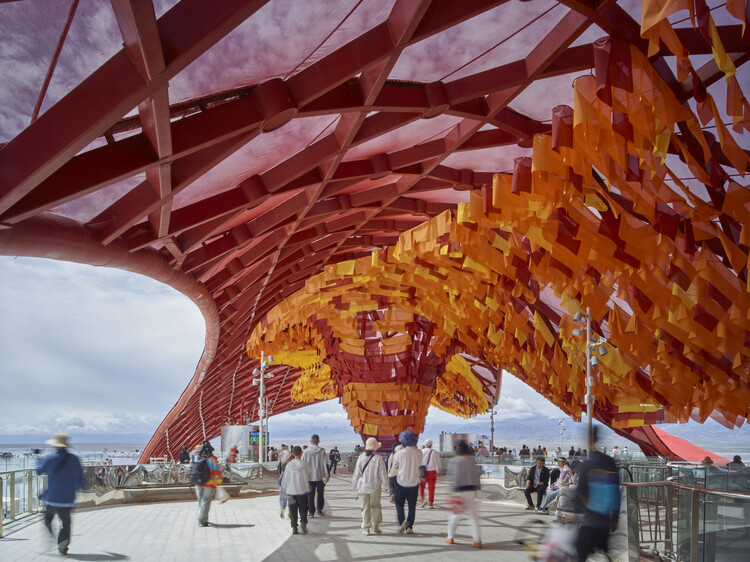
Chaka Salt Lake Tourist Railway Station / THAD SUP Atelier - TourismChaka Salt Lake Tourist Railway Station / THAD SUP Atelier - TourismChaka Salt Lake Tourist Railway Station / THAD SUP Atelier - Interior Photography, TourismChaka Salt Lake Tourist Railway Station / THAD SUP Atelier - Interior Photography, Tourism, StairsChaka Salt Lake Tourist Railway Station / THAD SUP Atelier - More Images+ 28

Haixi Mongol and Tibetan Autonomous Prefecture, China
  • Architects: THAD SUP Atelier
  • Area Area of this architecture project Area:  3997
  • Year Completion year of this architecture project Year:  2024

You've started following your first account!

Did you know?

You'll now receive updates based on what you follow! Personalize your stream and start following your favorite authors, offices and users.