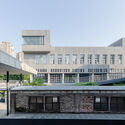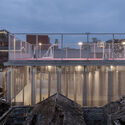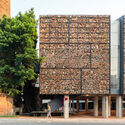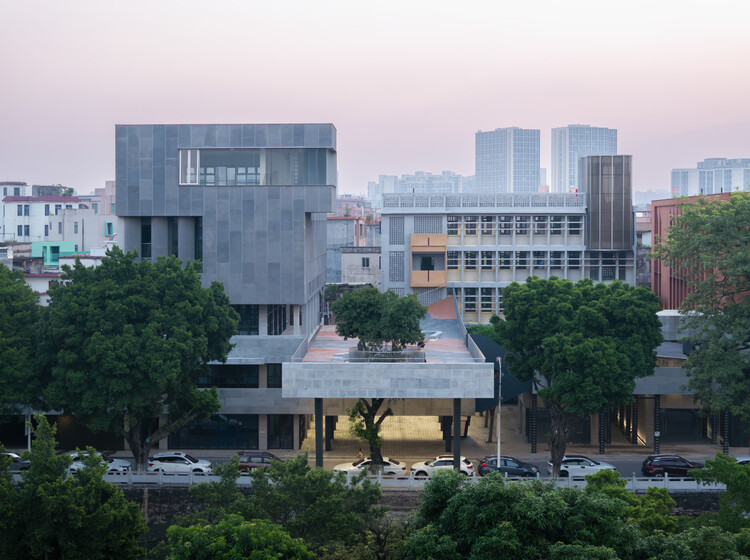

-
Architects: siarchitecture
- Area: 720 m²
- Year: 2025
-
Professionals: LI Fengbo, siarchitecture




Using massive s plates, often several centimeters thick and weighing tons, Richard Serra's sculptures convey an almost improbable sense of lightness. This effect does not result from a reduction of mass, but from how that mass is organized: large curved surfaces tilt, narrow passages compress the body, and seemingly unstable elements create a constant sense of imbalance. Serra transforms weight into a dynamic spatial experience.
In architecture, lightness has occupied a central role at least since the modern period. While earlier traditions, such as Greek and Roman architecture, were closely associated with stability, and large churches with monumentality, the twentieth century introduced a decisive shift in how matter is handled, particularly through the separation of structure and enclosure.

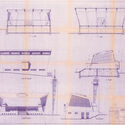
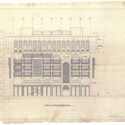
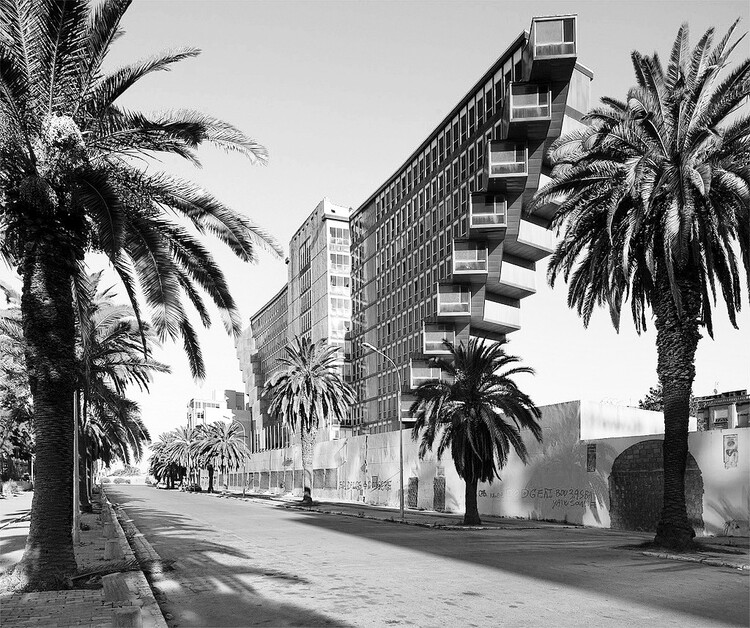
The Sharjah Architecture Triennial (SAT) presents A Journey into Architecture Archives: Baghdad, Damascus, Tunis, curated by George Arbid, on view from May 2 to July 12, 2026, at Al Qasimiyah School. Developed as part of SAT's long-term research program, the project continues the institution's commitment to documenting and safeguarding architectural archives across the Arab world. Bringing together archival materials, physical models, and newly commissioned films, the exhibition examines how architectural histories are constructed, preserved, and revisited over time.


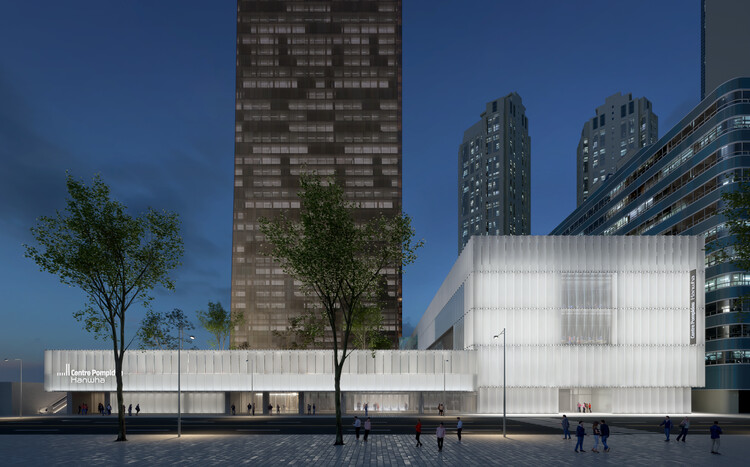
The French museum and cultural institution Centre Pompidou is opening a new Korean branch in collaboration with the local Hanwha Foundation of Culture. Well known in the architectural field for its French headquarters, designed by Renzo Piano and Richard Rogers and recently closed for renovations, the Centre Pompidou is expanding its international presence with a new venue, adding to its sites in Spain, Belgium, China, and the United Arab Emirates. The Korean building is a 12,000 m² renovation project at the base of the 63 Tower skyscraper, led by Wilmotte & Associés. Located on Yeouido Island, along the banks of the Han River, and at the heart of Seoul's financial district, the Hanwha Seoul Pompidou Center is conceived as both an exhibition venue and a meeting point where education and art converge, offering adaptable spaces to host a broad range of activities.


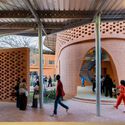
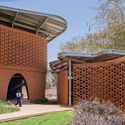
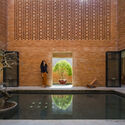
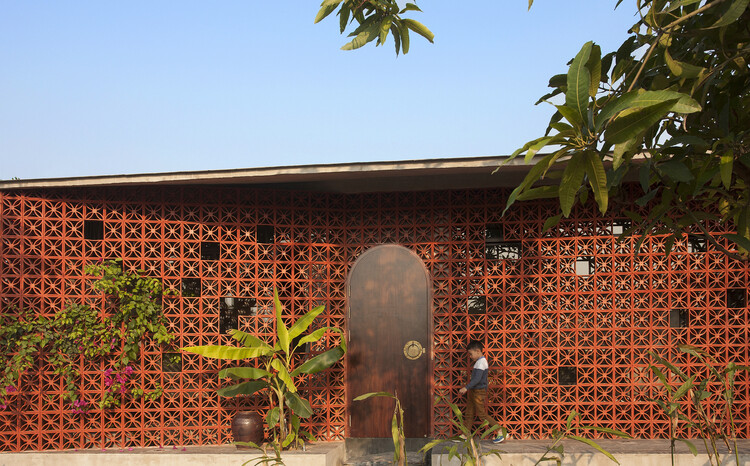
A perforated screen is often treated as an afterthought, something applied to soften light, to decorate a façade, or to add texture where a wall might otherwise feel flat. It is photographed as a surface, drawn as a pattern, and discussed as a craft. But in many buildings across the Indian subcontinent and the Islamic world, the screen was never an addition. It was the wall itself. Remove it, and the building does not simply change in appearance; it loses its ability to regulate heat, move air, and mediate between inside and outside.
This misreading reveals more about contemporary habits than about the screen itself. Architectural thinking has long separated structure from envelope, performance from expression. Within that framework, elements like the jaali or mashrabiya are easy to categorize as ornamental, visually rich but technically secondary. Yet these screens were conceived as integrated systems, where geometry, material, and climate operate together. Their intelligence lies in what they do.