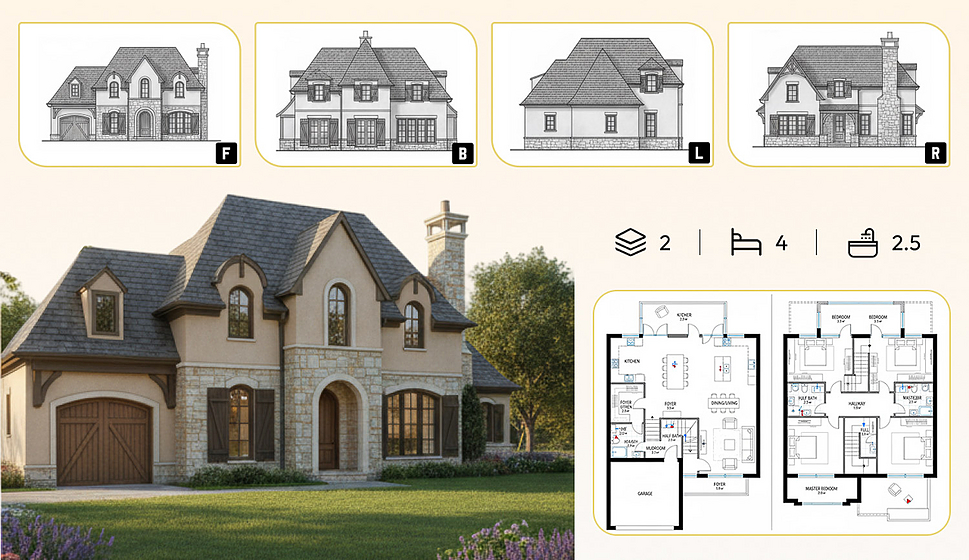
This guide covers a workflow that moves from project parameters to generated floor plans, 3D perspective views, exterior design exploration, and site context visualization, using AI tools in place of preliminary CAD and rendering work.
This guide covers a workflow that moves from project parameters to generated floor plans, 3D perspective views, exterior design exploration, and site context visualization, using AI tools in place of preliminary CAD and rendering work.


Architectural prototypes are often used to test decisions before construction begins. But in some practices, prototyping begins while those decisions are still taking shape. Moving an idea from drawing into matter introduces questions that depend on making itself: how a material can be cut or joined, how much a piece weighs, how an assembly comes together, whether parts can be reused, or even what form the project should take.
TAKK, salazarsequeromedina, and Ensamble Studio each make physical experimentation part of their design process, but they ask different things of it. For TAKK, prototypes help test how materials and components come together as a construction system. For salazarsequeromedina, models and built systems remain open to dismantling, recombination, and later uses. Ensamble Studio uses physical experiments to generate geometry and construction knowledge that can move into engineering and full-scale building. What distinguishes these approaches is not simply that they prototype, but what each practice expects to learn through the prototype.


Between the eighteenth and nineteenth centuries, traveling through Rome, Paris, Venice, Florence, and other European cities was considered an essential part of a newly graduated architect's education. At a time when access to photographs and publications was extremely limited, these trips were the primary way to experience architecture up close. In the early twentieth century, Le Corbusier reinterpreted this tradition in his own way: at 23, he embarked on the Voyage d'Orient, passing through the Balkans, Istanbul, and Athens, producing travel notebooks he would return to throughout his life.

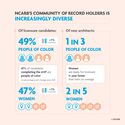
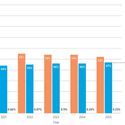
The National Council of Architectural Registration Boards (NCARB) has released the 2026 edition of its annual NCARB by the Numbers report, presenting data from 2025 on architectural licensure and demographics in the United States. The latest figures show a gradual increase in diversity among those pursuing licensure, while the demographic composition of the licensed architect population remains considerably less diverse than the current candidate pool. The report also examines attrition along the path to licensure, revealing differences in who ultimately reaches professional registration.

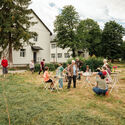
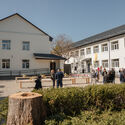
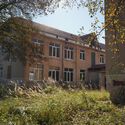
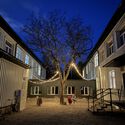
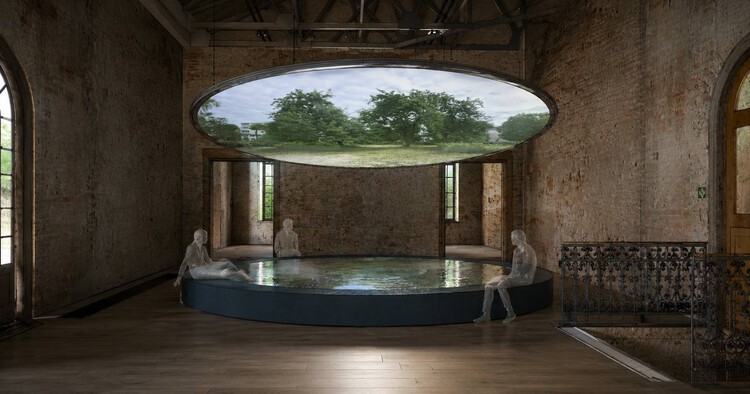
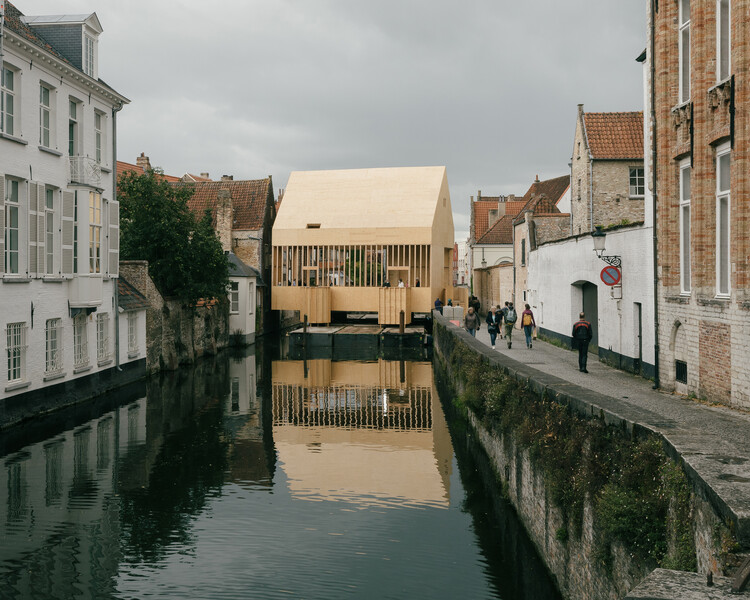
The Ukrainian pavilion at the 20th International Architecture Exhibition – La Biennale di Venezia is being designed by the team from CO-HATY, a local volunteer initiative restoring abandoned buildings in the country to transform them into stable homes for internally displaced people. The team is formed by METALAB and relocated members of the Ukrainian Urban Curators agency, who have been developing CO-HATY since 2022. Titled "Pool of Questions," the project poses a question the organization argues is rarely voiced in the context of survival: not simply where displaced people should live, but when they can begin to live. For Venice, the imagined installation extends the restoration and adaptive reuse work into a discourse on affordable housing, dignity and rest during an ongoing war.

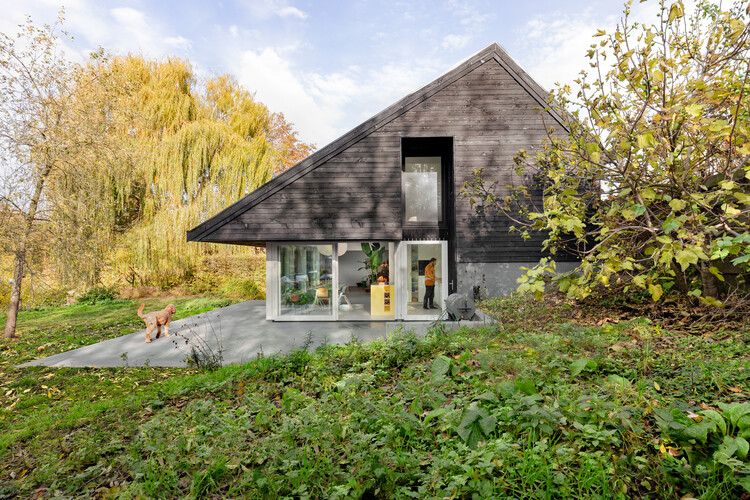
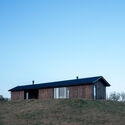
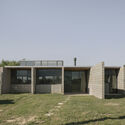
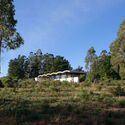
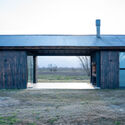
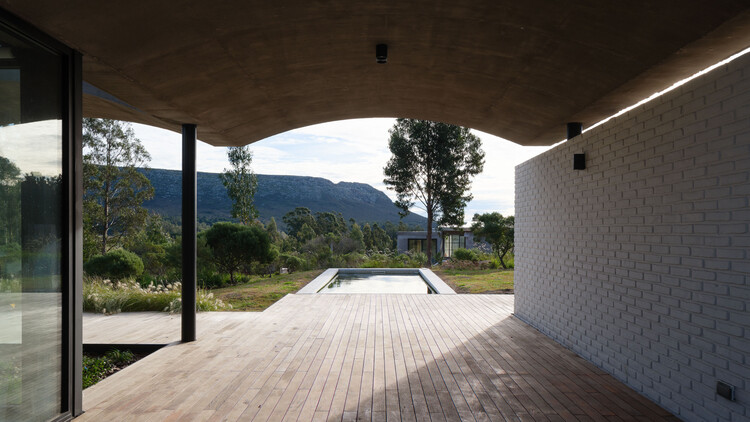
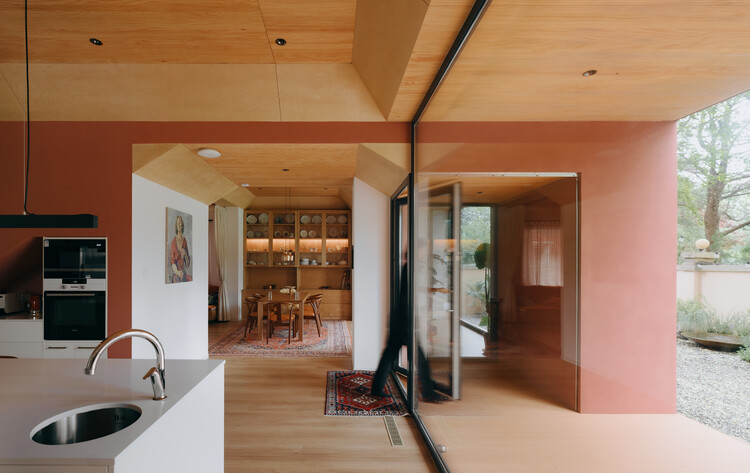
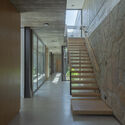
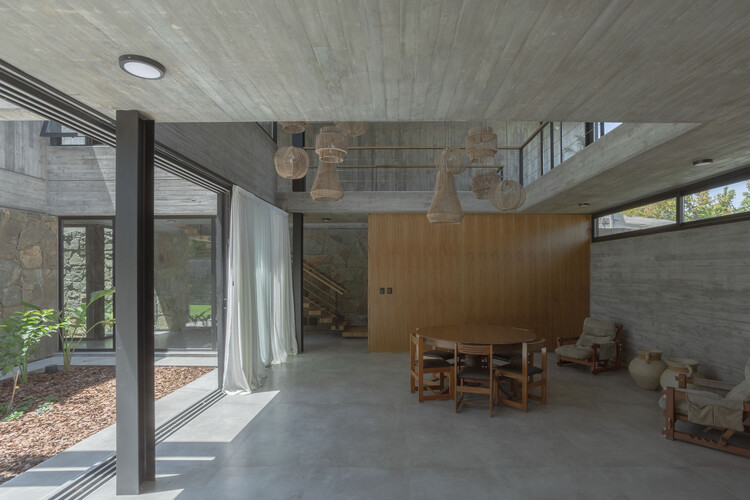
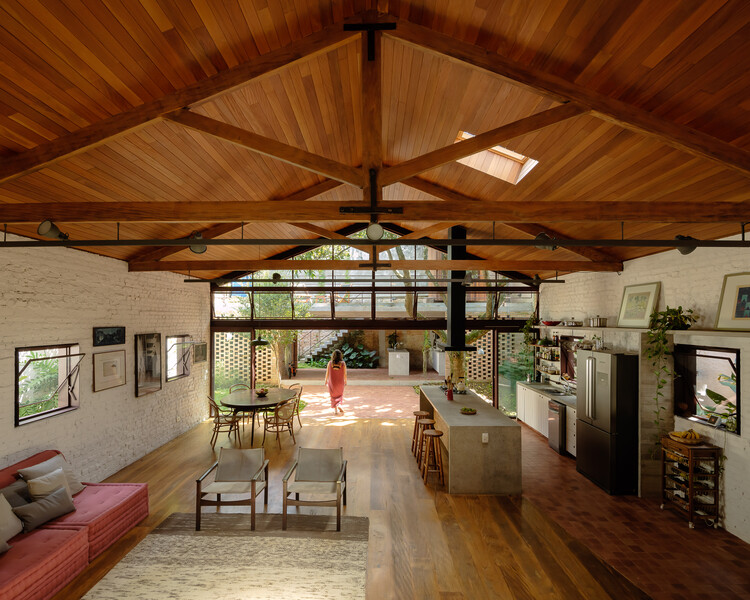
Argentina's vast territory reveals multiple ways of building shaped by its geographic, climatic, and cultural diversity. When designing single-family homes in Córdoba, Mendoza, Santa Fe, and Buenos Aires, numerous young Argentine architecture firms respond to distinct material, landscape, and cultural conditions by working with the resources, construction systems, and crafts available in each area. The house becomes a means of interpreting its context, engaging with local traditions, and incorporating new approaches to architectural production.
As the setting for everyday life, the house is part of an ongoing experience, acting as a complex and subtle organism that responds not only to its inhabitants' way of life but also to the landscapes in which it is situated. After presenting different perspectives and definitions by figures such as Le Corbusier, Ernesto Rogers, and Lewis Mumford, Argentine architect Eduardo Sacriste emphasizes in his book Qué es la casa its role as a reflection of the past, sharing the present and illuminating the future.