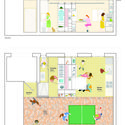


-
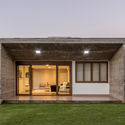
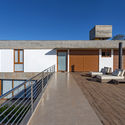
Architects: yuan Architects
- Area: 80 m²
- Year: 2019
-
Manufacturers: Angell, Boyi, Marco polo, Shengxiang



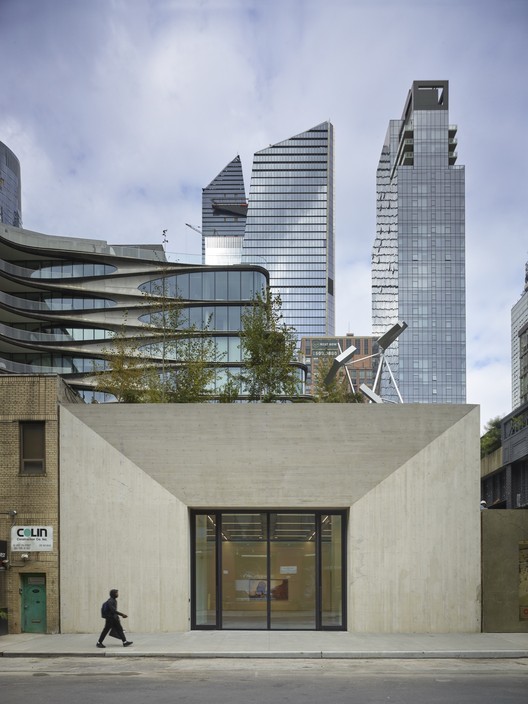

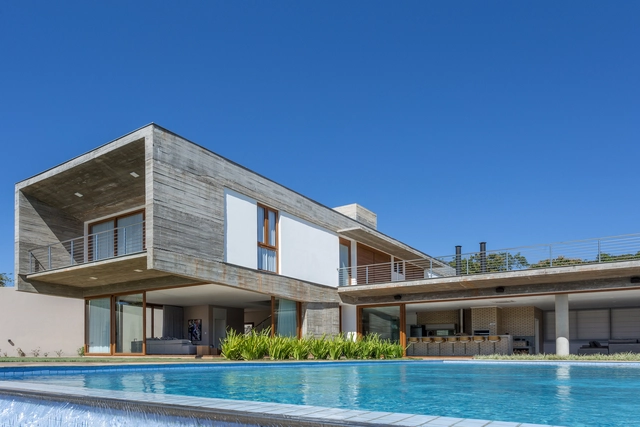

Quacquarelli Symonds (QS) has revealed it's ranking of the world’s top universities for the study of Architecture / Built Environment for 2019, based upon academic reputation, employer reputation and research impact.
On this edition, the Bartlett School of Architecture at UCL (University College London) has been named the best university for studying architecture, taking MIT's place, which has topped the rankings for the past four years .
Keep reading and check out the complete ranking.

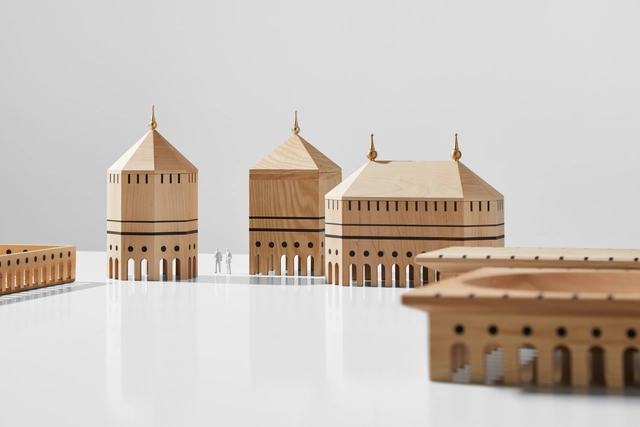
Antonio Serrano and Madrid-based Mad Lab have designed a collection of everyday objects inspired by Renaissance concepts of “Utopia.” The set of trays, boxes, and centerpieces are made from inlay maple and cedar wood, each telling “stories of entrepreneurship, design, craft, and technology.”
The collection, which manifests as a form of “scaled-down city,” considers Utopia as an imagined reflection on reality, rather than a yearning for an ideal city. The objects are full of “nods, winks, and gestures that leave us trapped in an illusion of a dream” conveyed through Renaissance architectural elements such as arches and spires.

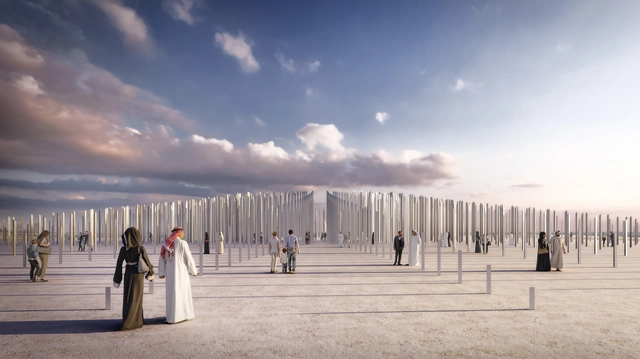
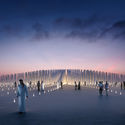
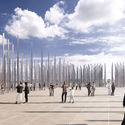
OMA and Inside Outside have collaborated on the design of a vast monument in Dubai, titled “Ethar – Honoring Generosity.” The installation consists of a field of 1,680 triangular-shaped recycled aluminum columns arrayed like a magnetic field, engraved with stories from Arabic scholars, scientists, and thinkers.
The installation was designed to celebrate the “unique culture of charitable giving in the United Arab Emirates with a physical installation that is part of the urban landscape of Dubai.” Designed for a site on Jumeirah Beach, the monument’s character can also be adapted for various contexts, whether dispersed throughout the city or appearing in key urban locations as a symbol of Emirati culture.

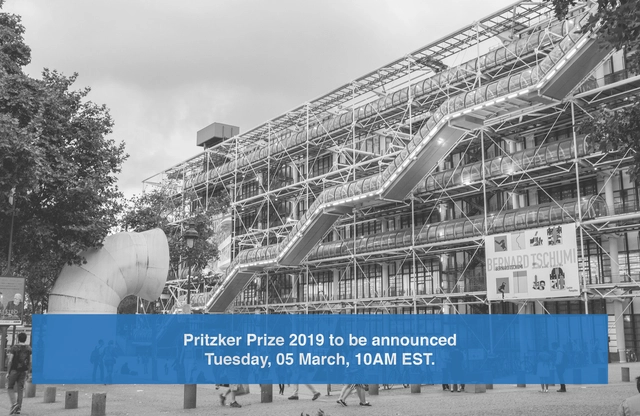
The 2019 Pritzker Architecture Prize will be announced on Tuesday, 05 March at 10am EST. Past laureates include some of architecture's most significant names, among them Rem Koolhaas, Zaha Hadid, Philip Johnson, SANAA, Oscar Niemeyer, Norman Foster, Peter Zumthor, Toyo Ito, Alejandro Aravena and, most recently, Balkrishna Doshi (full list).
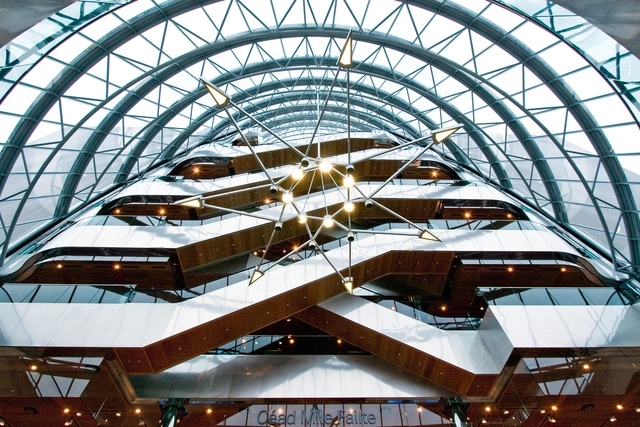
American architect Kevin Roche passed away this past Friday, March 1 at the age of 96. He was born in 1922 in Dublin, Ireland, educated at the University College Dublin (1945) and Illinois Institute of Technology (1948). In 1966, he formed Kevin Roche John Dinkeloo and Associates (KRJDA). He has designed more than 200 buildings, including renovation to the American Wing at the Metropolitan Museum of Art (2012), National Conference Centre in Dublin (2010), Lafayett Tower in Washington DC (2009), J.P. Morgan Headquarters in Manhattan (1992), Central Park Zoo in Manhattan (1988), The Knights of Columbus Building Headquarters in New Haven (1969), The Ford Foundation in Manhattan (1968), and Oakland Museum of California (1966). In 1982 he became the fourth Pritzker Prize winner and in 1993 was awarded the AIA Gold Medal. The following excerpt is from our 2011 interview at the architect’s office in Hamden, Connecticut.
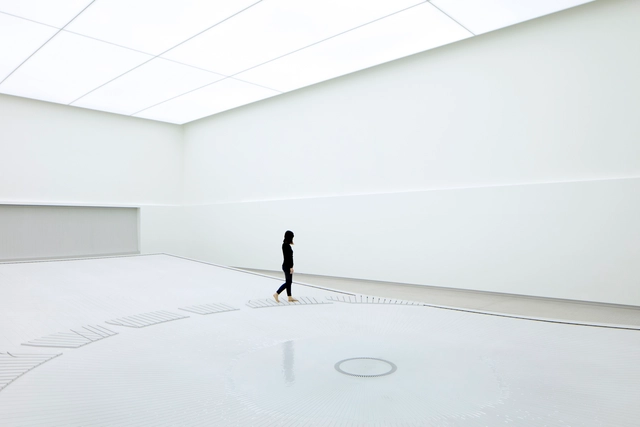
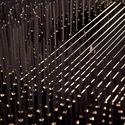
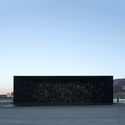
With his delicate designs for spatial structures and innovative concepts, Asif Khan is considered one of the world’s most exciting architects. He constructed the VantablackPavilion for the 2018 Olympic Games in PyeongChang, South Korea – thanks to nano-technology, the building's innovative paint absorbs 99 percent of visible light, which creates an impression similar to the vastness of space.
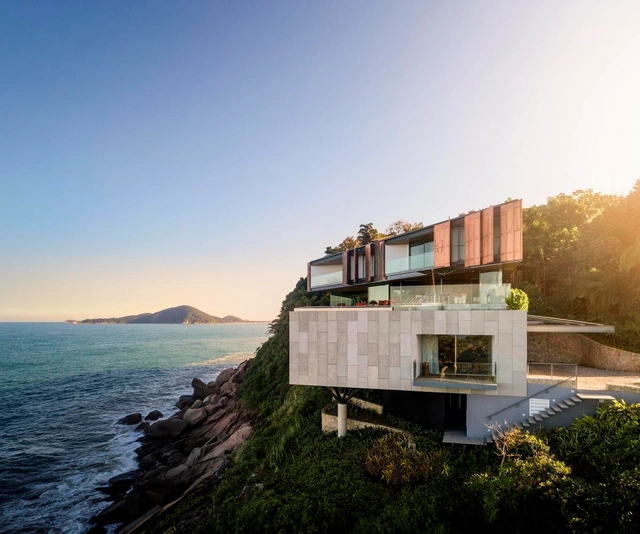

The human figure is fundamental in order to understand scale in illustrations, hyper-realistic renders, collages and three-dimensional representations. However, it often seems to be one of the last elements to be incorporated, when it should be a thoughtful decision, intrinsically related to the project. What do human figures transmit beyond the scale of a project?
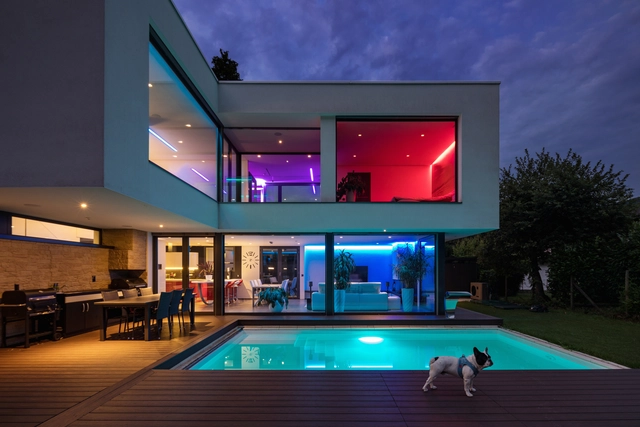
Imagine light fixtures that act as Bluetooth beacons, allowing smartphones to help visitors find their way around a building. Imagine a lighting system which can pinpoint the location of people and physical assets within the building. Imagine an automation system which can use occupancy data and personal preferences to orchestrate an optimized and personalized building environment.