


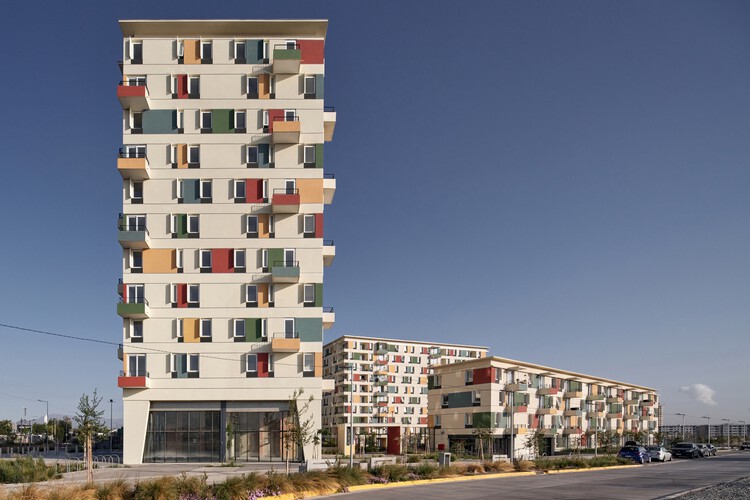
-
Architects: Mobil Arquitectos, Álvaro Arancibia Arquitecto
- Area: 100000 m²
- Year: 2024


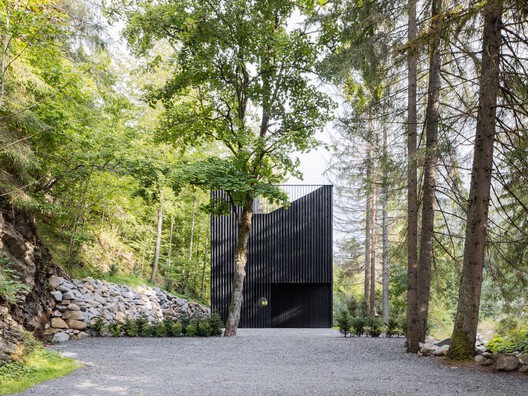

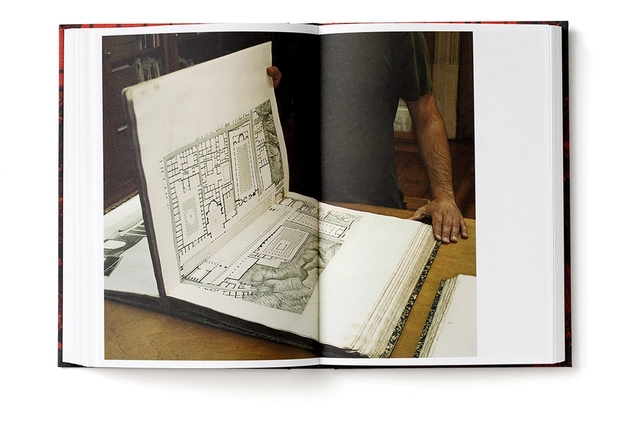
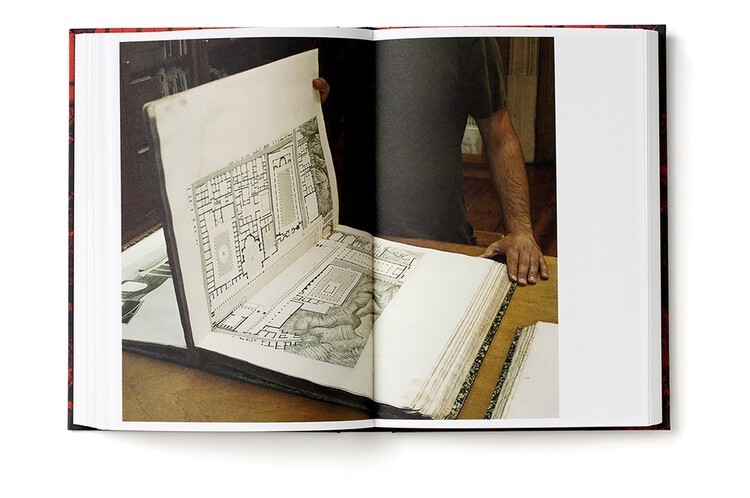
Architecture has always been more than bricks and mortar. It is equally constructed through words, ideas, and narratives. From ancient treatises to radical manifestos, from technical manuals to poetic essays, the written word has served as a spatial, pedagogical, and political tool within the field. Writing shapes how architecture is conceptualized, communicated, and critiqued — often long before, or even in the absence of, physical construction.
Historically, figures such as Vitruvius, Alberti, and Palladio employed writing to codify principles, project ideals, and legitimize architecture as a discipline. In the modern era, Le Corbusier, Adolf Loos, and Lina Bo Bardi wrote prolifically to expand the scope of architecture beyond form and function, often using publications as tools for persuasion and experimentation. The postwar period gave rise to new editorial strategies, as evident in the manifestos of Archizoom and Superstudio, and the polemical publications of Delirious New York and Oppositions, where writing served as both critique and project.
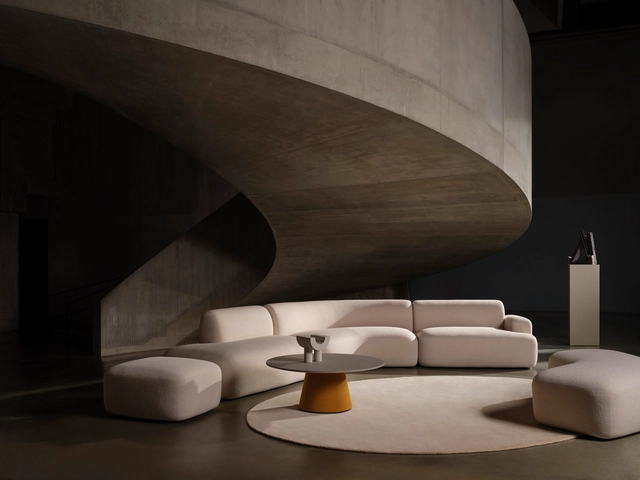
Does architecture alone define how we inhabit a space? It's becoming increasingly clear that it does not. The objects within a space—particularly furniture and other design pieces—not only serve functional purposes but actively shape the spatial and human experience. As schools, homes, and offices evolve to accommodate new ways of working, living, and socializing, furniture accompanies these transitions, prompting conversations that extend beyond functionality and engage the corporeal dimension implied in its use.
Several decades ago, British architects Alison and Peter Smithson were already exploring the relationship between the body, everyday experience, and space at an architectural scale. Since then, contemporary concepts of flexibility and comfort have expanded this framework to include other scales, such as furniture. These transformations have fostered the consolidation of modular seating systems whose flexibility and adaptability respond to diverse ways of living and relating to space. Emerging from this context are forward-thinking proposals, such as Beau's comprehensive range of seating and table units—an expansive modular seating system designed for multiple possibilities, with a significant emphasis on comfort and sensory appeal.

The Royal Institute of British Architects (RIBA) has revealed the six shortlisted projects for the 2025 RIBA Stirling Prize. Since its establishment in 1996, the prize has recognized works that respond to contemporary challenges while shaping more inclusive futures. This year's shortlist spans a diverse range of scales and programs, including the restoration of one of the nation's most iconic landmarks, a pioneering medical research facility, a contemporary almshouse designed to reduce isolation among older residents, a university's "factory for fashion," a fully accessible home, and a creative house extension. The winner of the award will be announced live at the Stirling Prize ceremony on 16 October in the Roundhouse, London.
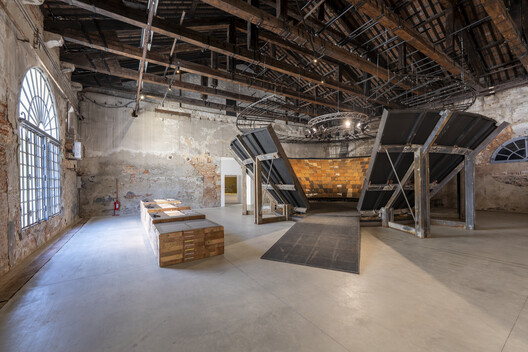
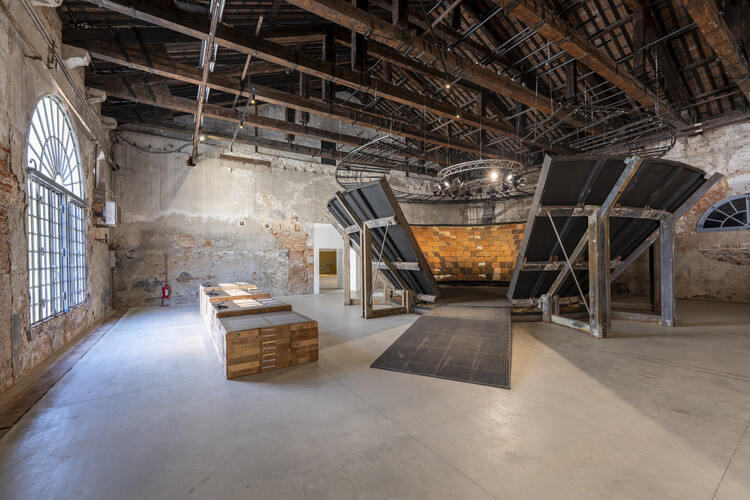
The Philippines' Pavilion at the 19th International Architecture Exhibition – La Biennale di Venezia presents Soil-beings (Lamánlupa), an exhibition curated by artistic director Renan Laru-an. Through interdisciplinary collaborations, the Pavilion brings together architects, technical experts, indigenous leaders, artists, policymakers, and local communities to explore the cultural, ecological, and technological dimensions of soil. Its objective is to challenge conventional architectural paradigms by shifting the focus from structure to soil, not as a passive material, but as a living force with agency, history, and power.


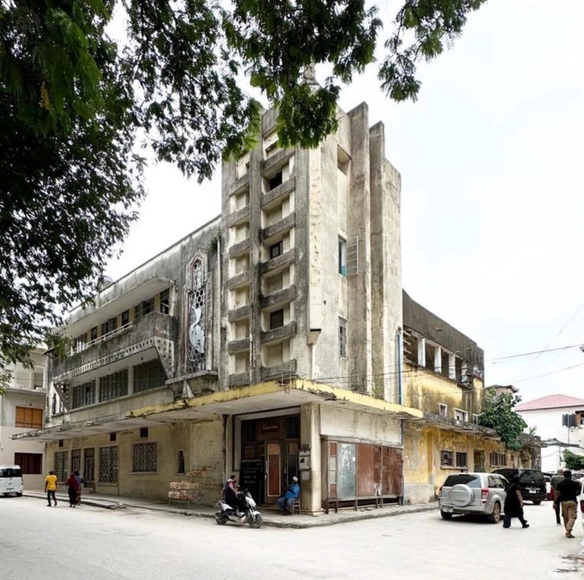
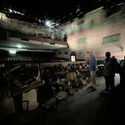
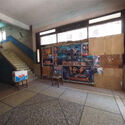
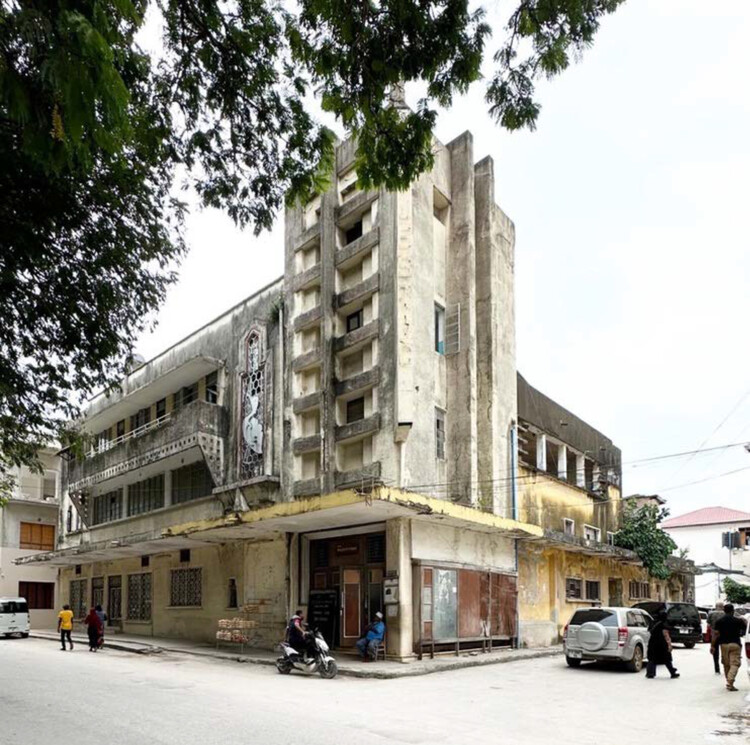
In historic Stone Town, the main city in Zanzibar, Tanzania, the story of one cinema building and its imminent restoration is reflective of the city's history and the narrative of cinemas generally. The early twentieth century saw the advent of cinema construction, peaking in mid-century, before declining against competition with multiplexes and home television. While many were demolished or irreparably altered, many also lay abandoned, like time capsules for a bygone era. They are a snapshot of the architecture styles and methods of their time, acting as a reminder of their role in their communities. Restoring and adapting a cinema like the Majestic is a recognition of its heritage and community value.