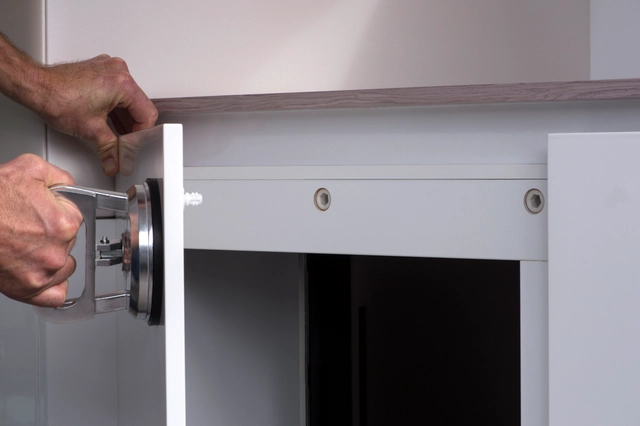
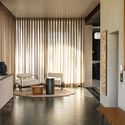
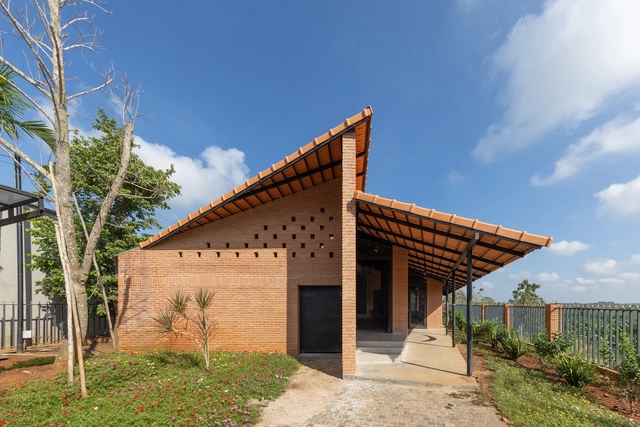
In high-end architectural design, traditional access panel fasteners like visible screws and magnetic closures often disrupt aesthetics and functionality. These outdated methods can loosen over time, lack durability, or require visible frames, making them unsuitable for premium spaces. Whether you need to access electrical systems, HVAC components, or plumbing, choosing the right installation method is crucial for a seamless integration into your space.
Early hidden solutions like French cleats and Z-clips improved appearance but introduced new challenges. These systems require sequential panel removal and extra clearance, making maintenance difficult—especially in areas needing frequent access. The unavoidable gap that appears at the top of panels also compromises the aesthetic appeal, as well as cutting out sections of panel for wall sockets.
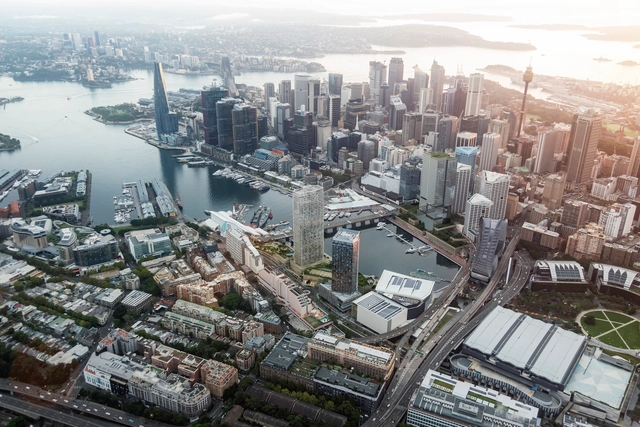
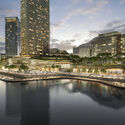
The NSW Independent Planning Commission has approved the public domain works for Sydney's Harbourside redevelopment, marking a significant milestone for the project designed by Snøhetta in collaboration with Hassell and Mirvac. First unveiled in December 2021 as the winning entry in an international design excellence competition, the scheme aims to transform Harbourside at Darling Harbour into a new, iconic destination at the heart of the city. The proposal reimagines the waterfront at Tumbalong / Darling Harbour with more than 11,200 square meters of renewed public space, featuring significant trees, planted areas, sculptural sandstone pathways, and integrated public artworks.
The Sharjah Architecture Triennial has announced the theme for its upcoming edition: Architecture Otherwise: Building Civic Infrastructure for Collective Futures. Scheduled for November 2026, the event will unfold across the city and the Emirate of Sharjah, UAE, through site-specific installations, exhibitions, performances, workshops, and public programs. Positioned as a platform for architectural and urban exploration across West Asia, South Asia, and the African continent, the Triennial will combine practical and theoretical approaches to contemporary urban life. Conceived by its curators, Vyjayanthi Rao and Tau Tavengwa, SAT03 aims to explore how architecture can shape collective life in regions undergoing rapid urban transformation. Consequently, selected participants will take part in month-long residencies, embedding their work within the social and cultural fabric of Sharjah.
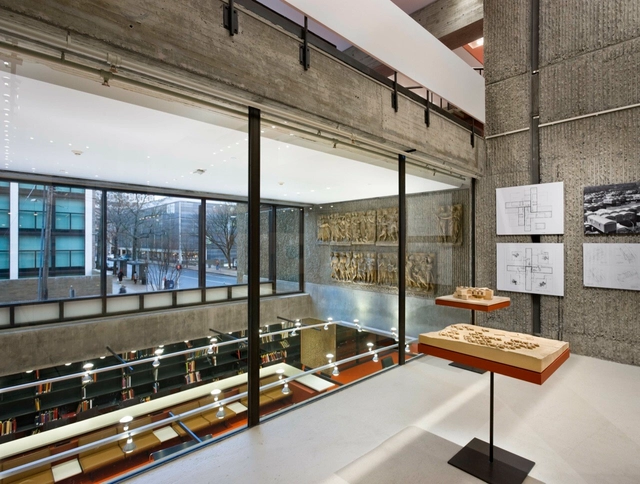
Yale Art + Architecture Building. Image Courtesy of gwathmey siegel & associates architects
By the mid-nineteenth century, American universities began to distinguish architecture from civil engineering and the applied sciences formally. Architecture was emerging as a discipline defined by both technical competence and conceptual inquiry, spatial imagination, and cultural agency. As this disciplinary identity evolved in the postwar decades, its built expression coalesced into the emerging architectural language of Brutalism.
Manufacturers: ART N GLASS, Casa Aurum, Mobel Grace, Morii Designs, Nimrat Narang, +7Opulo, Stem, Stone X, Surface & Design Studio, Tagels, VitrA, White Lighting Solutions-7
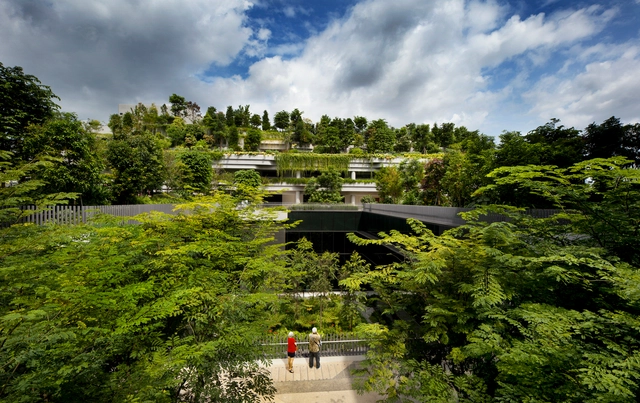
Kampung Admiralty / Ramboll Studio Dreiseitl + WOHA. Image Courtesy of WOHA
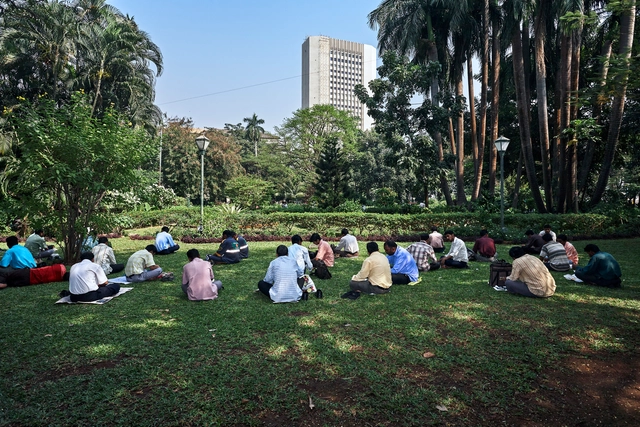
Ebenezer Howard's verdant visions for cities have spread eastwards, far beyond his British roots. In the 1900s, city planning welcomed the Garden City Movement as a champion of good design - a response to Western industrial urbanization. Soon, Asian cities conceived their archetypes, juggling local constraints in climate and density. Designs and development, from colonial-era experiments to contemporary mega-projects, have embraced and reinvented Howard's vision well into the 21st century.
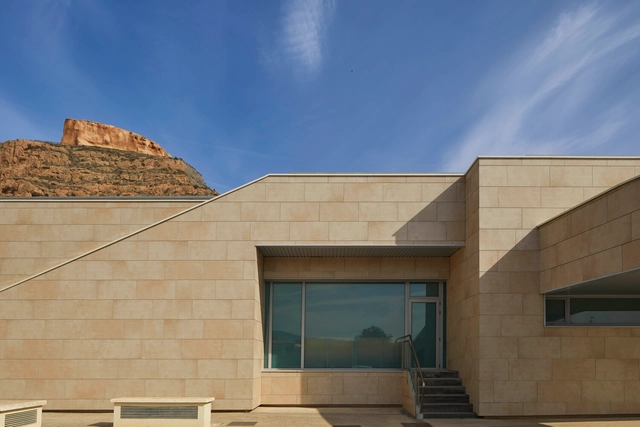
Renovation Project of Puerta de Arnedo Health Center (La Rioja). Photos: María Natali.
In modern architecture, materials must meet a range of functional, aesthetic, technical, and environmental demands. Gres Aragón offers ceramic tile solutions that respond to all aspects of a project—from façades and interiors to exteriors, pools, staircases, and industrial spaces—while maintaining a consistent design language.
With more than 80 years of experience and deep expertise in the extruded tile manufacturing process, Gres Aragón has established itself as a trusted partner for architects and interior designers. Its product offerings are based on four core principles: visual continuity, extreme durability, high-tech performance, and a strong commitment to sustainability.
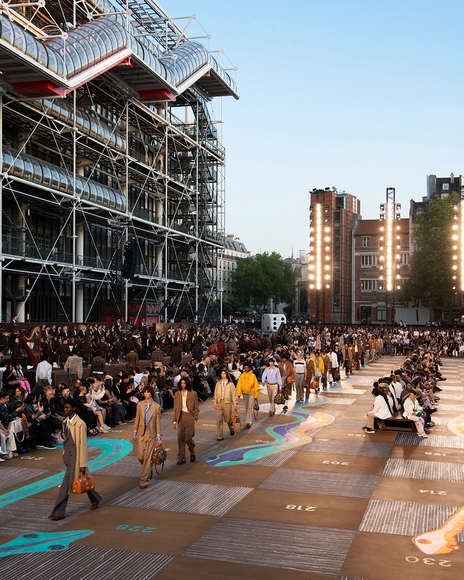
Bijoy Jain Designs the Louis Vuitton Set Inspired by Snakes and Ladders. Image Courtesy of Louis Vuitton
Paris Fashion Week Men's Spring/Summer 2026 has just concluded, featuring a series of shows that highlight the relationship between architecture and fashion as creative disciplines. Through carefully curated architectural environments, these shows engage viewers on multiple sensory levels, weaving together visual impact with spatial and material stories that echo the themes and philosophies behind each collection. This intersection between fashion and architecture opens up new possibilities for storytelling, inviting audiences to explore how fashion design and spaces can resonate together to create immersive experiences.
Saint Laurent presented its menswear collection at Tadao Ando's Bourse de Commerce, where the building's cylindrical concrete form and filtered natural light provided a minimal and contemplative backdrop. Louis Vuitton, by contrast, staged its show in the plaza of the Centre Pompidou, where Studio Mumbai's intervention introduced a large-scale, hand-painted installation inspired by Snakes and Ladders. These site-specific choices reflected distinct approaches to engage with architectural context, illustrating how contemporary fashion presentations can extend beyond the runway to enter into dialogue with their surroundings.
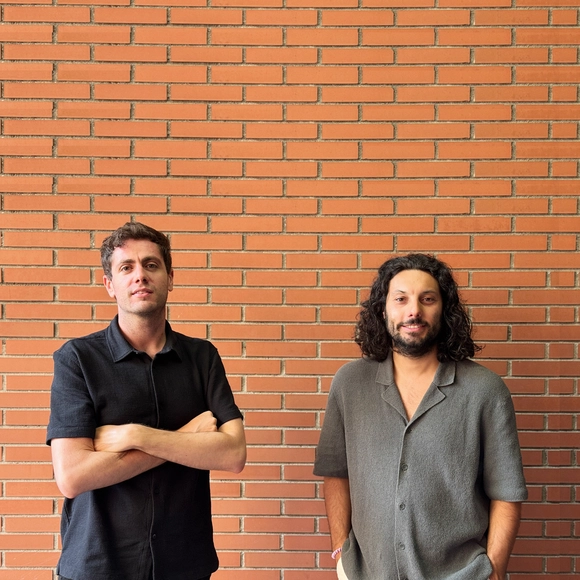
Miguel Ramón López y Ander Bados Sesma, comisarios de la XVII Bienal Española de Arquitectura y Urbanismo. Image Courtesy of XVII Bienal Española de Arquitectura y Urbanismo
The seventeenth edition of the Spanish Biennial of Architecture and Urbanism (BEAU) will take place in December 2025. The event consists of an exhibition hosted in a former thermal power station repurposed as a cultural center in Ponferrada, in northeastern Spain. This edition will be curated by architects Ander Bados Sesma, from Atelier Ander Bados, and Miguel Ramón López, a Ponferrada native and architect at Estudio Lamela, under the curatorial proposal titled flujos comun.es ("common flows"). Their curatorial proposal responds to the theme of the open call: Architecture as a Policy for Change, an invitation to reflect on the role of the discipline in processes of social, economic, and environmental transformation. Within this framework, flujos comun.es presents a critical perspective on the challenges associated with hyperconnectivity. The call for proposals and project submissions is currently open, and will be until the end of July, depending on the category.