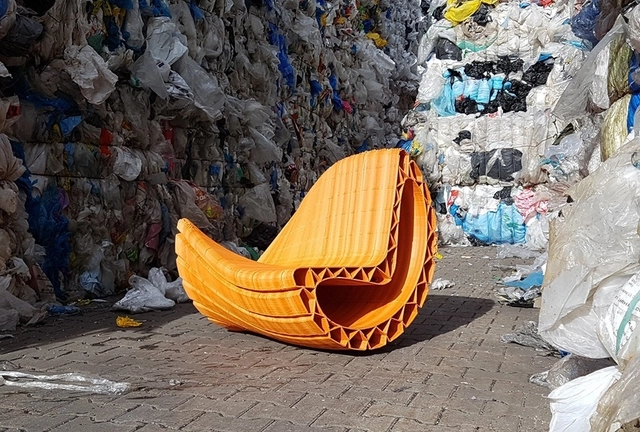
Recycling has long been an entry point into sustainable design. It's personal, achieved at a micro scale where individuals can reduce waste and preserve energy. But between resource shortages, environmental habitat loss and the global climate crisis, there has been a shift in daily practices towards more circular thinking. Increasingly, the need to sustain life is part of a continuous process of production, resorption, and recycling where waste becomes the input for production.
New Generations is a European platform that analyses the most innovative emerging practices at the European level, providing a new space for the exchange of knowledge and confrontation, theory, and production. Since 2013, New Generations has involved more than 300 practices in a diverse program of cultural activities, such as festivals, exhibitions, open calls, video-interviews, workshops, and experimental formats.
New Generations launches a fresh new media platform, offering a unique space where emerging architects can meet, exchange ideas, get inspired, and collaborate. Recent projects, job opportunities, insights, news, and profiles will be published every day. The section ‘profiles’ provides a space to those who would like to join the network of emerging practices, and present themselves to the wide community of studios involved in the cultural agenda developed by New Generations.
The Getty Foundation has announced over $2 million in grants for 13 significant 20th-century buildings as part of the Keeping It Modern program. Launched in 2014, this is the final year of grants for this conservation initiative to help professionals worldwide engage in the proactive research and planning needed for the long-term preservation of modern buildings.
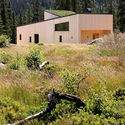
Earlier this month, Steven Holl Architects designed and created their project Obolin, a sculpture made locally from a single panel of cross-laminated timber, or CLT. It was made for and is now exhibited in the Art Omi Sculpture and Architecture Park, an art center that seeks to explore the intersection of architecture and art through the production of pavilions, installations, landscape interventions, and built environments designed by architects.
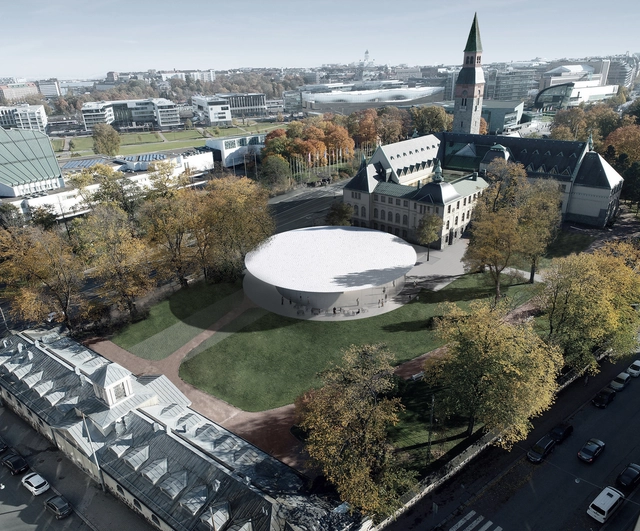
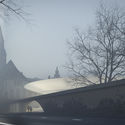
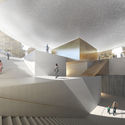
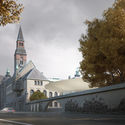
JKMM Architects, winners of the two-stage design competition to extend the National Museum of Finland has submitted the proposal entitled “Atlas” for outline planning permission. Schedule to be completed and to open to the public in 2025, the project is part of Finland’s on-going investment in culture during its post-pandemic recovery period.
Videos
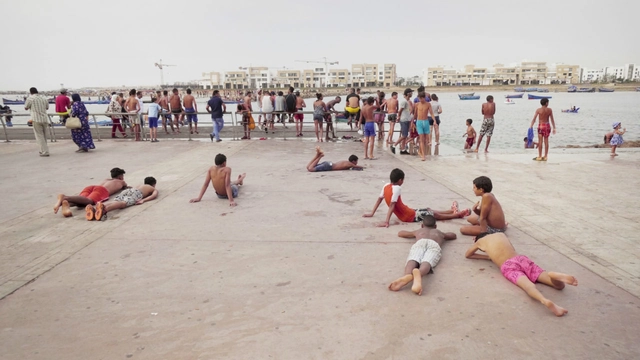
HOMO URBANUS Rabatius . Image Courtesy of Bêka & Lemoine
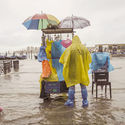
As the world is moving into a post-pandemic time, museums are finally resuming their work under strict social distancing and health measures. Arc en rêve d’Architecture in Bordeaux, France has reopened its main gallery with an exhibition by Ila Bêka & Louise Lemoine, entitled Homo Urbanus. Shown for the first time in its complete version, the exposition offers a vibrant tribute to public spaces.
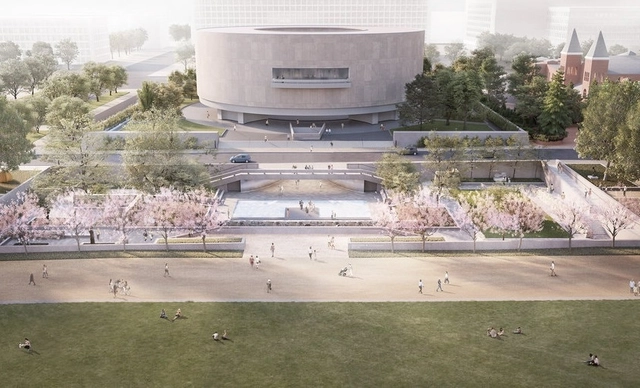
The Hirshhorn Museum's new plan for renovating its sculpture garden is receiving criticism for undoing postwar landscape features. The plan by Japanese artist and architect Hiroshi Sugimoto aims to open up the site to the National Mall and create space for large-scale contemporary works and performances. The concept is made to raise visibility for the garden and welcome more visitors to the museum.
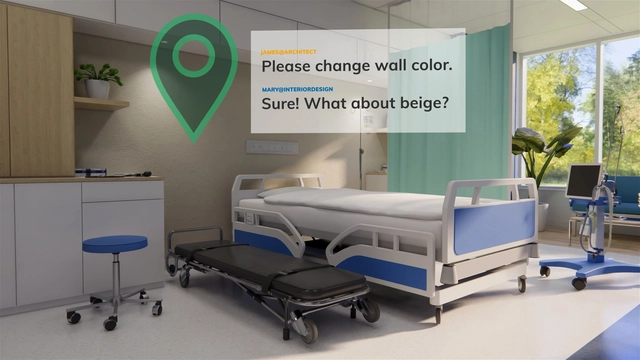
It takes more than creativity to create exceptional designs. Effective collaboration is an essential element in any successful project, as well as in day-to-day business. Using the right tools can help architects and designers overcome project obstacles and elevate their designs. Real-time rendering tool Enscape has introduced a collaborative issue-tracking feature, aptly named Collaborative Annotation, in their latest software version 2.8. This new feature promises to provide architects and designers with a more collaborative workflow.
Structural components can be the main stars in architectural projects, contributing to the understanding of how the building's intrinsic forces are organized and distributed. Cables are constantly being used to steal the scene: they subvert the logic of supporting structures and build stable systems using tension, creating both a sense of strength and lightness in the building.
This kind of element is found in buildings of many different sizes, ranging from the steel cables of large and majestic suspension bridges to the cables on residential roofs. We have picked a series of Brazilian houses that benefit from this delicate and powerful structural component in different ways, showing the versatility of its potential applications.
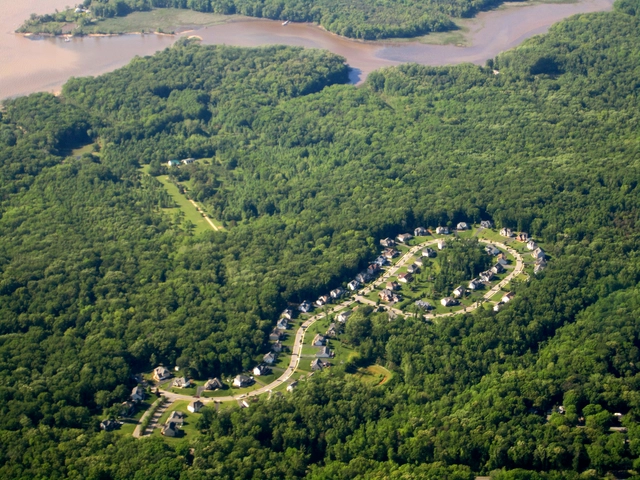
Suburban expansion into remnant habitat / La Citta Vita, via Flickr, licensed under CC BY-SA 2.0
The export of American culture is one of the most influential forces in our interconnected world. From Dakar to Delhi, American pop music, movies, and artery-clogging cuisine are ubiquitous. However, one of the most damaging exports is the American suburb. When the 20th century model for housing the swelling populations of Long Island and Los Angeles translates to 21st century Kinshasa and Kuala Lumpur, the American way of life may very well be our downfall.
https://www.archdaily.com/943939/suburban-sprawl-increases-the-risk-of-future-pandemicsMichael Grove
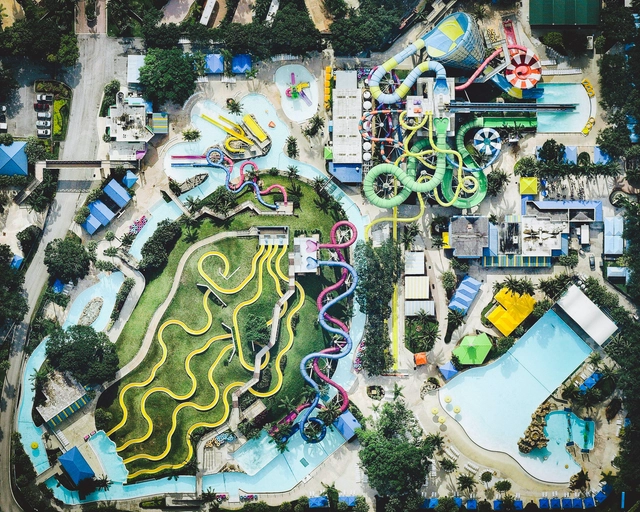
Seeing the Earth from a great distance has been proven to stimulate awe, increase the desire to collaborate, and foster long-term thinking. Daily Overview aims to inspire these feelings — commonly referred to as the Overview Effect — through their imagery, products, and collaborations. By embracing the perspective that comes from this vantage point, the team believes they can stimulate a new awareness that will lead to a better future for our one and only home. Check out Daily Overview's Gallery of Amusement Parks and follow the team's work on their Instagram.
Whether we like it or not, every architect is a recycler.
The phrase “Swamp Yankee” is neither a diss nor a stereotype. Swamp Yankees lived in pre-20th-century New England. They were those poor folk who could only afford to live near water – where disease, vermin and bad weather regularly wrecked lives. Those folk never threw anything out that could be reused (someday). They bartered and they salvaged as a way of life. There was never waste (“waste not, want not”). Swamp Yankees made recycling a lifestyle. Sustainability was not a Green choice – it was the way they survived.
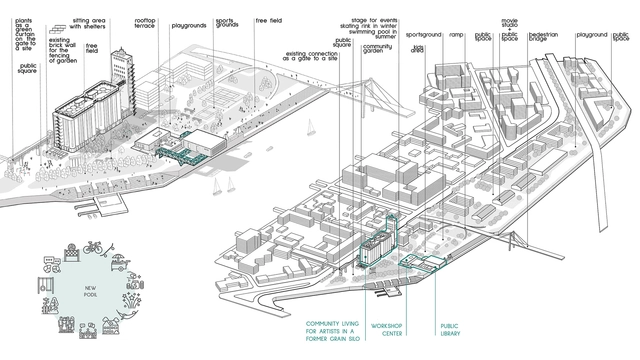
The CANactions youth competition was launched in 2009 by the Dessau Institute of Architecture (DIA / Germany) and CANactions School. The competition has become a professional "path to Europe" for Ukrainian students and young professionals. Since that time more than 1000 projects have been received, among which 118 finalist projects have been selected by members of the international jury. The Youth Competition is a two-stage open one that has no restrictions in the number of participants and is aimed at young Ukrainian architects under the age of 35. This year winner was Mariia Semibratova with an urban proposal for creative co-working and co-living in Podil area, Kyiv.
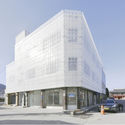
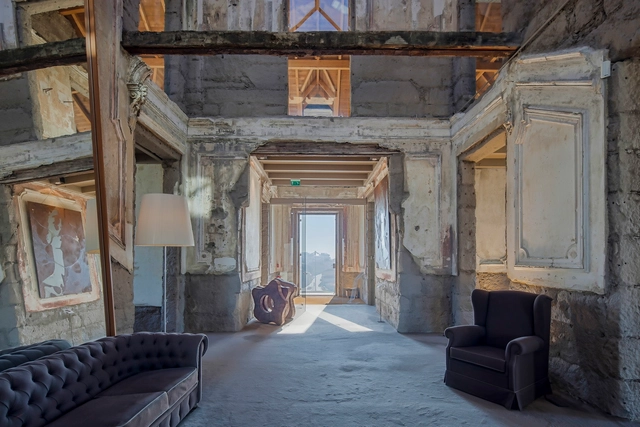
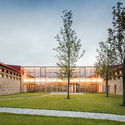
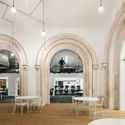
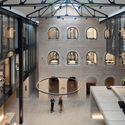
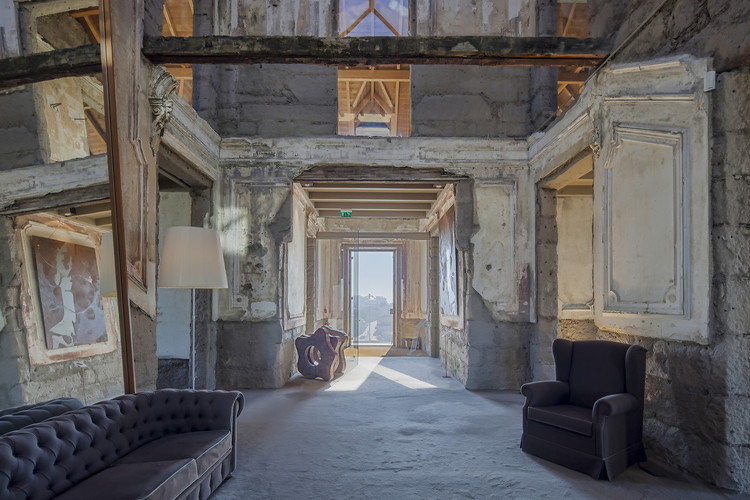
Repurposing a building is not a simple task. Not only does it require keen sensitivity to identify and acknowledge the historical value of pre-existing elements – thereby deciding what will endure over time and what will be replaced by new features, consistent with the current program – but it is also a strategy that pushes the boundaries of design and embraces issues such as sustainability and resource efficiency. After all, we are speaking of recycling a structure, or parts of it, and this impacts both design and the environment.
The ninth edition of the National Council of Architectural Registration Boards’ (NCARB) annual report has been released, in the midst of new challenges due to the COVID-19 pandemic, highlighting major information about the architecture profession in 2019. Focusing on different parameters, such as licensing, education, experience, and demographics, the study explores the evolution and transformation of the field, encompassing also findings on equity, diversity, and inclusion.
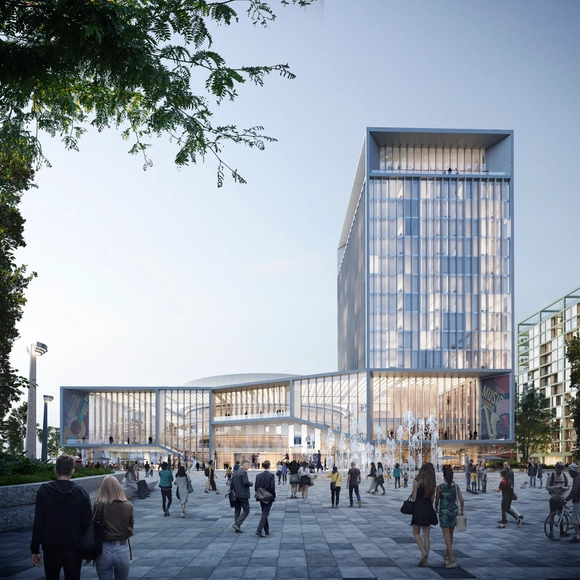
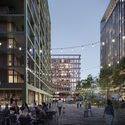
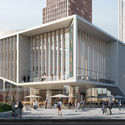
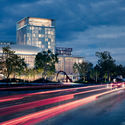
Bratislava’s existing Istropolis culture and congress center will be replaced by a new cultural destination designed by KCAP and Cityförster. Creating a multifunctional cultural and social center, with a state-of-the-art concert and congress venue, the intervention will also transform the surrounding area into a modern open neighborhood comprising green and public areas.
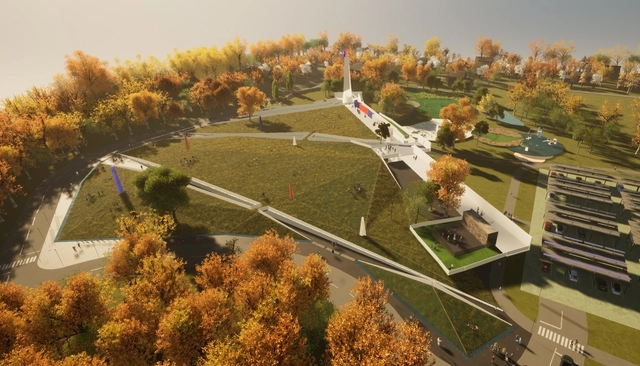
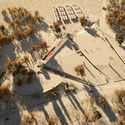
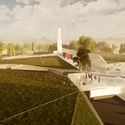
A team of Drury University faculty have created a crystalline design for the Springdale Veteran Memorial Competition. Sited in Arkansas, the proposal was made by Sara Khorshidifard, Payman Sadeghi and Karen Spence. Using the crystal metaphor and drawing inspiration from its shape, formation, and built tactility, the concept is made to capitalize on the Diamond State’s history and topology.
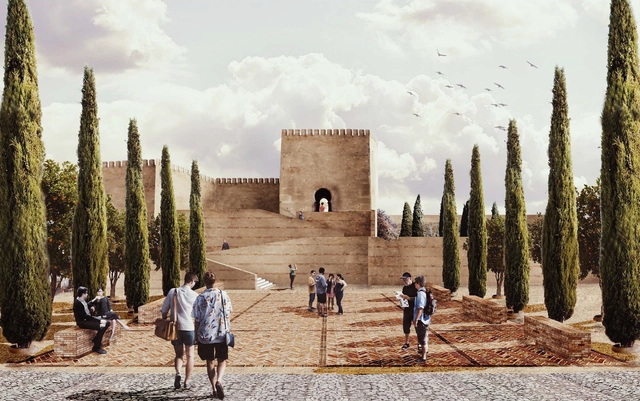
Guadix ‘Pisando la Tierra’ (Alfonso Zavala y Ramón Andrada). Image Cortesía de Itziar de la Fuente
The results are in from the 2019-2020 Richard H. Driehaus International Architecture Competition, a contest put on by the Spanish government that invites architects and urbanists from around the world to design projects that promote local, traditional Spanish architecture.
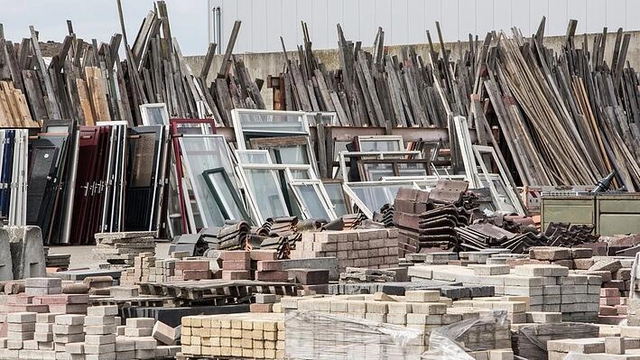
Stockyard of recycled building materials waiting for reuse . Image Courtesy of NY Engineers
“Out with the old and in with the new,”....or so they say. In the United States, a cloud of dust and debris paired with a wrecking ball and bulldozer tends to represent signs of forward progress, innovation, economic activity, and the hope for a better future through architectural design.
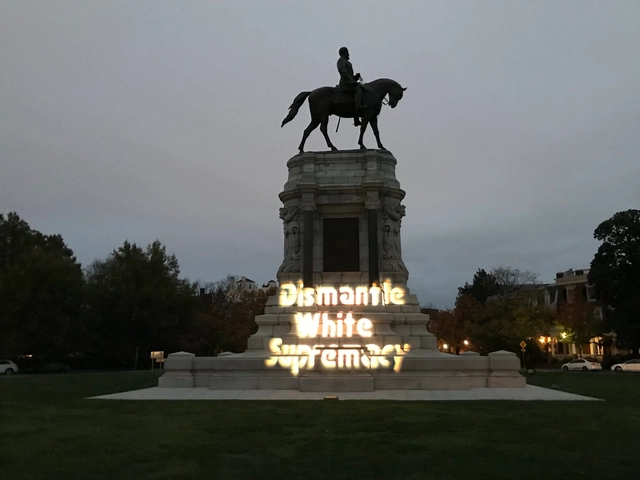
Monuments, as Alois Riegl pointed out a century ago, are aids to memory. “In memoriam,” the carvings cry out. Though they are almost always tainted with political ideologies and social values, they can stand on their own as works of art, absorbing meanings over millennia. Many that we continue to treasure were once associated with events and practices antithetical to modern mores and taboos: Greek temples were founded on the altars of animal—and, earlier, human—sacrifice; the pyramids were made by slaves; market crosses may have served as flogging posts. There really are no innocent human artifacts dedicated to remembering human acts, as fact or fiction.
https://www.archdaily.com/943834/status-statues-and-statutes-the-issue-with-monuments-to-flawed-menMark Alan Hewitt
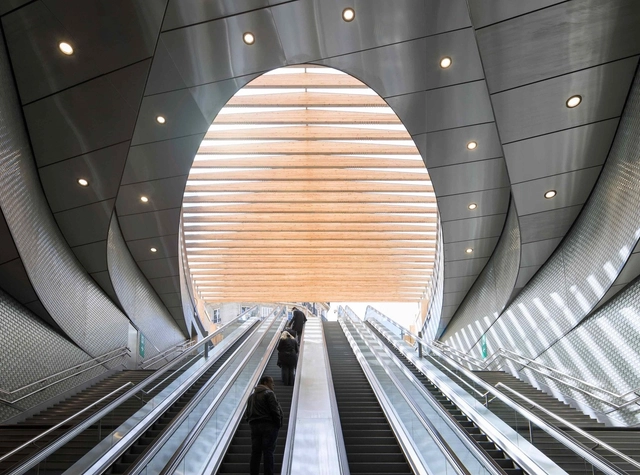
Urban connections define modern cities. From public transportation to walking and cycling paths, mobility has the potential to enrich urban life. In Europe, planners and designers have a long history of working through city connections to integrate with existing historic fabrics and make room for contemporary transport solutions.
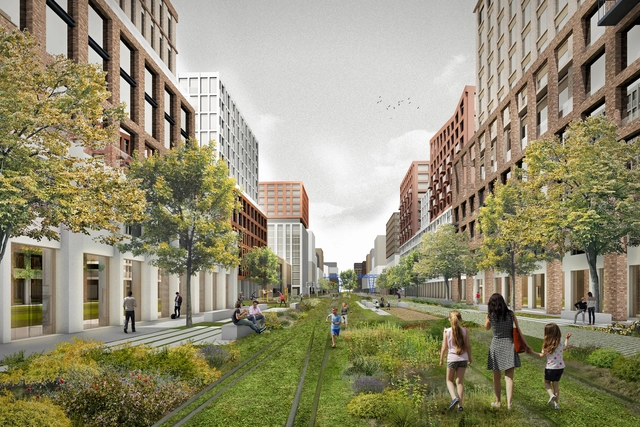
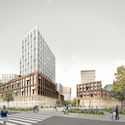
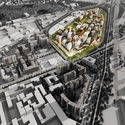
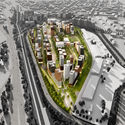
KCAP in collaboration with Orange Architects, and A.Len Architectural Bureau as co-Architect, have imagined a proposal to transform the former Tovarno-Vitebskaya railway yard on Ligovsky Prospekt into a new residential district with communal facilities, retail, and extensive greenery, in the south-eastern part of the grey belt of St. Petersburg, Russia.
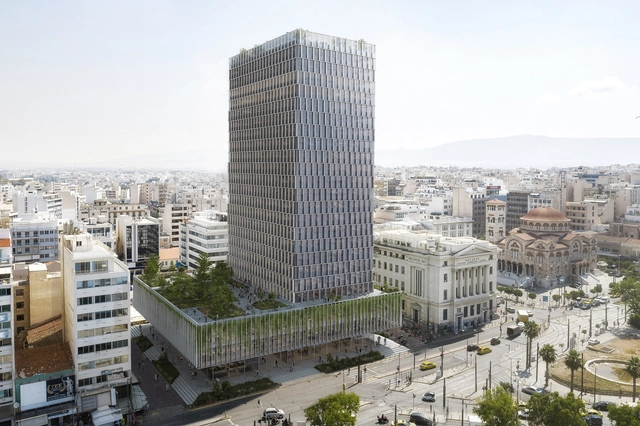
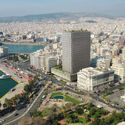
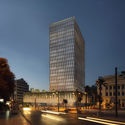
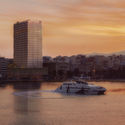
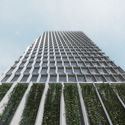
PILA, an architecture studio based in Athens and New York lead by Ilias Papageorgiou and Christina Papalexandri, was selected as the winner of an invited international competition, to regenerate the abandoned Piraeus Tower and redesign the famous building’s façade. In fact, this structure, the tallest on the port of Piraeus and the second-tallest in Greece, has never been entirely occupied.
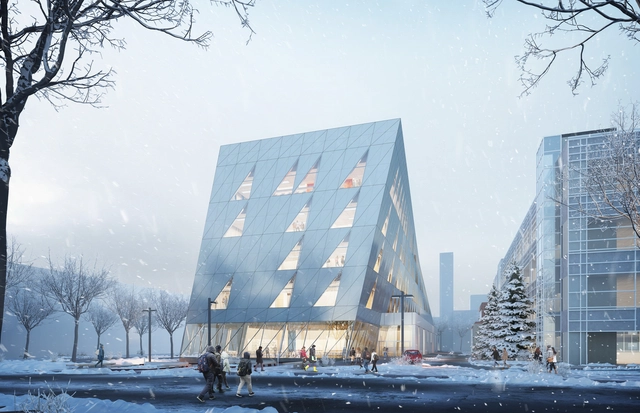
Perkins and Will have designed a new twisting School of Continuing Studies for York University in Toronto, Canada. Consolidating classes that are currently held across four buildings, the nearly 100,000 square foot building is made to become an iconic gateway site and showcase York's commitment to non-traditional students.





_Photo_Credits_Xhuliano_Lacinaj_.jpg?1595246315 "ABACO - The Greek apartment, Paris (France) © Xhuliano Lacina")


.jpg?1595011758&format=webp&width=640&height=580)
.jpg?1595011817 "© Steven Holl Architects")
.jpg?1595011785 "© Steven Holl Architects")
.jpg?1595011840 "© Steven Holl Architects")
.jpg?1595011828 "© Steven Holl Architects")
.jpg?1595011758)