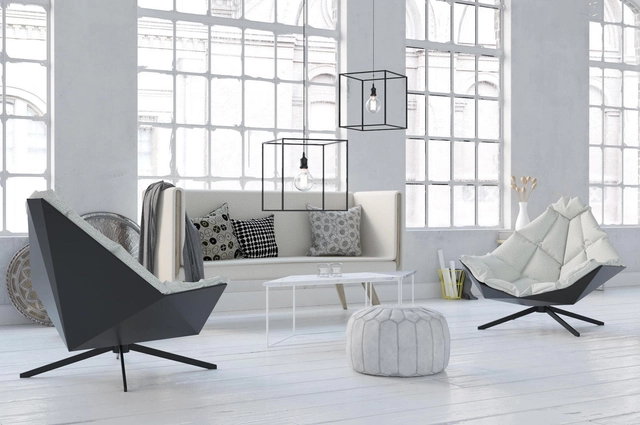
With walls and ceilings a long way away, often the most practical way to control the placement of a light source and the positioning of light, is to drop it into the exact position where it’s required, with a pendant light.
Even designer pendant lighting can be as simple or as complex as the project’s parameters call for. From the most intricate sculptures of glass or mechanical puppetry to a single bulb on a cord, here are seven types of pendant light, and the purposes and projects for which they’re best suited:
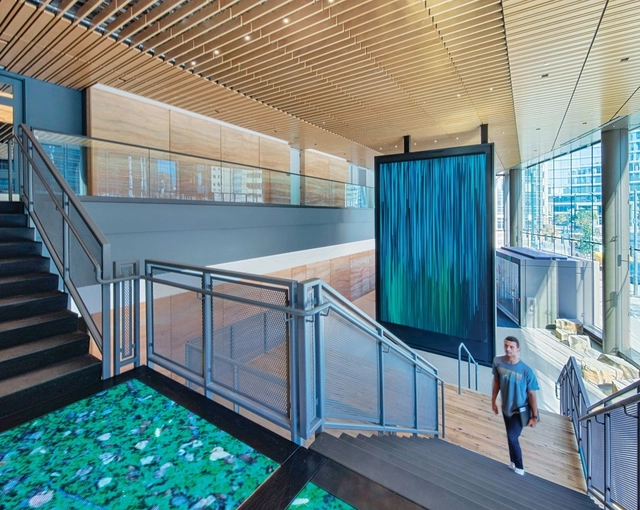
Rapt Studio has recently completed the new headquarters for VF Corporation in Denver, Colorado. With a mission to power active and sustainable lifestyles for the betterment of people and the planet, VF is a diverse collection of global brands. Their new ten-story headquarters brings together several of those brands under one roof, and at the same time, allows each of them to maintain individuality and expression.
TRANSFER Architecture Video Award announced the awarded entries of its second edition in the framework of the cinema encounters Ecrans Urbains 2021 at the Musée Cantonal des Beaux-Arts of Lausanne, Switzerland.
The winner is the video by Joshua Bolchover and John Lin, Split Lives, Hong Kong, 2021
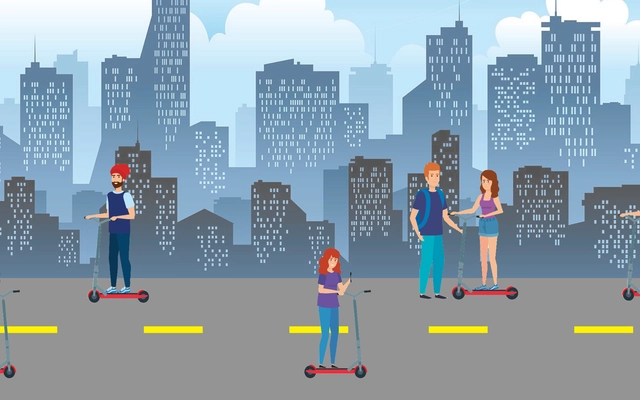
The rise of electric scooter fleets in cities around the globe happened almost overnight. By making transportation fun, they quickly took over a new market share and provided not only an easy way to travel but one that also prides itself in being sustainable. First becoming popular on the West Coast of the United States, scooters migrated eastward, eventually sweeping across Europe as well. Easy to maneuver and a convenient solution to get from place to place, we have to ask- can cities handle the accelerating rise of scooters and other forms of micromobility?
Videos
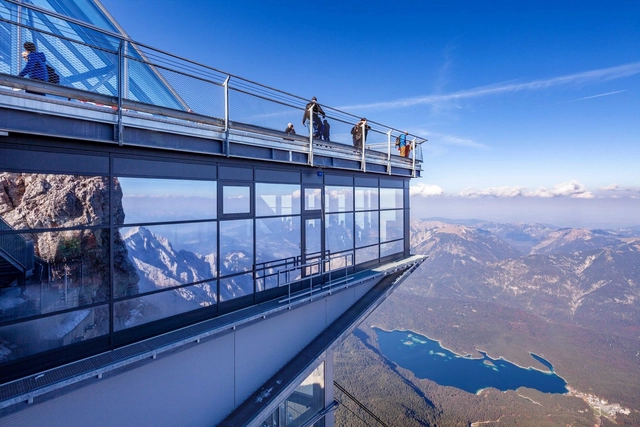
Zugspitze Mountain Station / Eibsee, Germany - Photo by Christoph Seelbach . Image Courtesy of Vetrotech Saint-Gobain
While glass is generally singled out as the weakest part of a building, it is not always true. With technological advances and the continuous innovations of the industry, there is glass that, even while allowing natural light to enter an environment, can protect the building from fire. Beyond fire, there are also other threats such as hot gases, smoke, and heat transmission, which put the safe evacuation of people and the protection of property at risk.
The Architectural Photography Awards 2021 has announced its shortlist for its ninth edition. Supported by Aluprof UK and the World Architecture Festival (WAF), the shortlist was selected from around 2000 entries and 42 countries, "highlighting the expertise of architectural photography and focusing on the skill and creativity of the photographer". The photographs are divided into 6 categories: Exterior, Interior, Sense of Place, Buildings in Use, Mobile, which this year’s theme is Greening the City, and Portfolio with the theme of Building with History.
Plus Architecture has designed a new building for student accommodation on the campus grounds of Moore Theological College in Newtown, Sydney, focusing on encouraging interaction. Through scale, morphology and materiality, the John Chapman House mediates between the university facilities and surrounding context defined by busy roads, heritage sites and tall buildings while providing students with a network of meeting spaces fostering collaboration and conviviality.
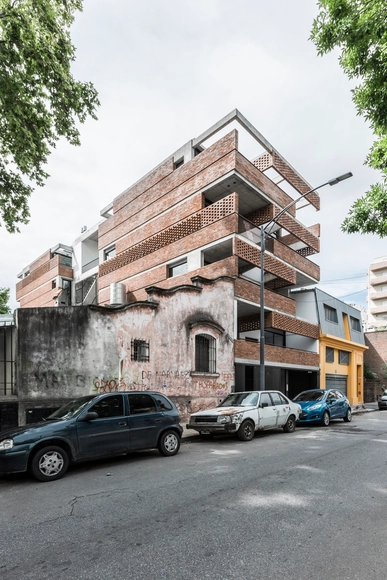
Edificio Juana Azurduy 1635 / BAAG. Image Cortesía de BAAG
Since 2008, the BAAG Studio, or Buenos Aires Architectura Grupal, has demonstrated that taking the time to collectively think, experiment, and rethink, not only reinforces architecture as a discipline, it advances it. The group's projects and research have added to the shared-practice-driven critical thinking that has become increasingly essential within the profession.
We sat down with BAAG to hear more about their inspiration, processes, education, and their predictions going forward.
Architecture, by its very definition, involves the construction of structures. Structures that are meant to serve as spaces for work, living, religious devotion, amongst many other purposes. Architectural projects and interventions, however, need land – and it is this intrinsic relationship, between land and architecture, that has massive ramifications not only regarding reducing carbon emissions but more importantly in forming an equitable future rooted in climate justice.
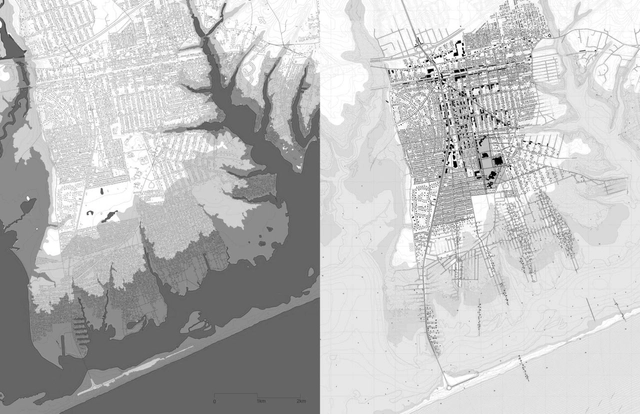
A future flood map of Mastic, New York. Right: A plan for densifying the town’s high, dry ground and retreating from the shoreline. . Image Courtesy of Rafi Segal And Susannah Drake
A lot can happen in the space between a book’s title and subtitle, as A Blueprint for Coastal Adaptation: Uniting Design, Economics, and Policy (Island Press, 2021) demonstrates. Here, in a reversal from the norm, the subtitle assumes the more evocative bent by elevating design to the same status as economics and policy. To some, this might seem a spurious move, but the volume lives its creed: Its editors include two design academics and a business school professor, to say nothing about the myriad backgrounds of its contributors.
Blueprint goes deep into the policy decisions that have shaped the brittle condition of coastal infrastructure. It coalesces into a convincing picture of the wider context in which design operates, with the aim of making the built environment more equitable for those caught on the front lines of certain climate change cataclysm.
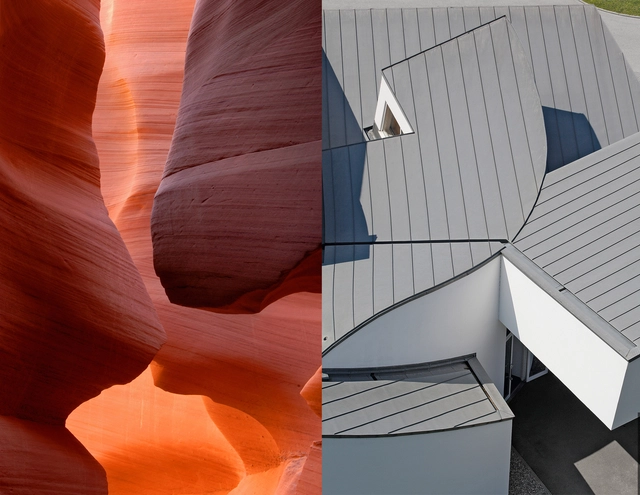
Antelope Canyon (USA) / Vitra Design Museum (Deutschland). Image Courtesy of Rheinzink
Nature is always to be found in things and architecture - and it is exciting, aesthetic, and astonishing. This is especially apparent in the exhibition of Gerhard Schönnenbeck's photographs of landscape shots, juxtaposed with architecturally impressive objects that were perfectly staged with zinc cladding panels developed by RHEINZINK.
In their series “Inspired by nature,” RHEINZINK presents these reflections that Gerhard Schönnenbeck captured so well with his camera.
The Second Studio (formerly The Midnight Charette) is an explicit podcast about design, architecture, and the everyday. Hosted by Architects David Lee and Marina Bourderonnet, it features different creative professionals in unscripted conversations that allow for thoughtful takes and personal discussions.
A variety of subjects are covered with honesty and humor: some episodes are interviews, while others are tips for fellow designers, reviews of buildings and other projects, or casual explorations of everyday life and design. The Second Studio is also available on iTunes, Spotify, and YouTube.
This week David and Marina are joined by Mark Lee, Principal and Founding Partner of Johnston Marklee and Chair of the Architecture Department at Harvard Graduate School of Design to discuss cities, architecture's responsibility to context, the cultural value of iconic architecture and everyday buildings, architectural education, designing for other cultures, working with clients, designing buildings, 'appropriateness' in architecture, and much more.
https://www.archdaily.com/971446/the-second-studio-podcast-interview-with-mark-lee-chair-of-the-architecture-department-at-harvard-graduate-school-of-designThe Second Studio Podcast
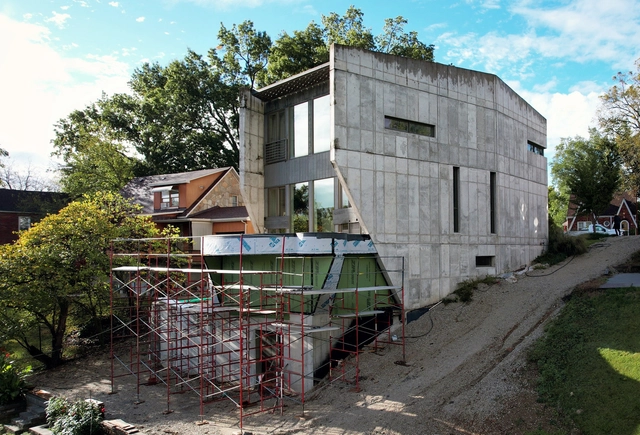
This is the story of architect Grant Gibson’s journey with a house in central Missouri. Originally designed with his mentor, Doug Garofalo, the owners have recently commissioned Grant to design an addition to their award-winning structure. The problem is the original house was designed to make it difficult to add anything at all, and Garofalo passed away shortly after the original house was constructed. Now, Grant, along with his practice CAMES Gibson, needs to design an addition to this house that defiantly resists alteration and to do it in a way that respects the original design while remaining consistent with his own beliefs and design ethos. The clients work closely with Grant to achieve this new design and find a solution to this very difficult problem.
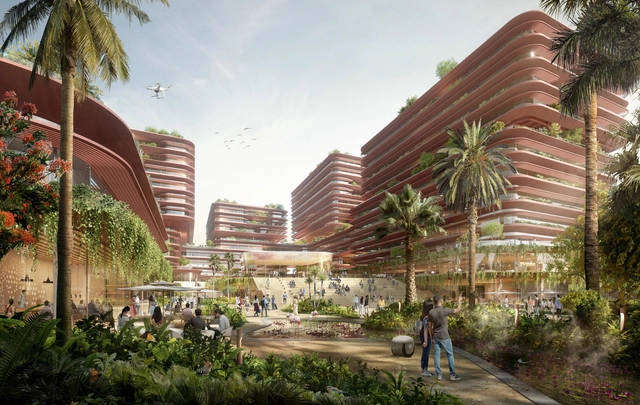
This week's curated selection of Best Unbuilt Architecture highlights different competition-winning designs submitted by the ArchDaily Community. From large scale commercial developments to cultural interventions in historical urban fabrics, from adaptive reuse projects with an environmental focus to educational facilities, this article showcases a variety of design approaches, programs and scales. The proposals featured are the results of local and international competitions, either creative concepts or projects currently in progress.
The award-winning entries include a range of different projects designed by both young architects and established firms. An adaptive reuse project of a fire station in Singapore, the redevelopment of an industrial site in South Korea, a mixed-use project in China or a museum in Italy are a few of this week's highlights.
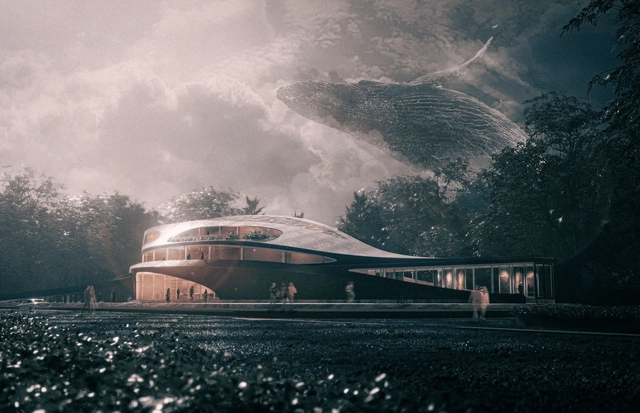
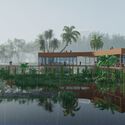
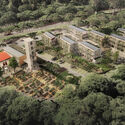
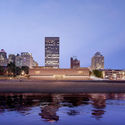
Herzog & de Meuron has unveiled the design of the new Memphis Brooks Museum of Art overlooking the Mississippi River. The 10,500 sqm structure will feature expanded galleries, exhibition spaces, and open spaces for community and educational programs with free public access, and is expected to open to the public in 2026.
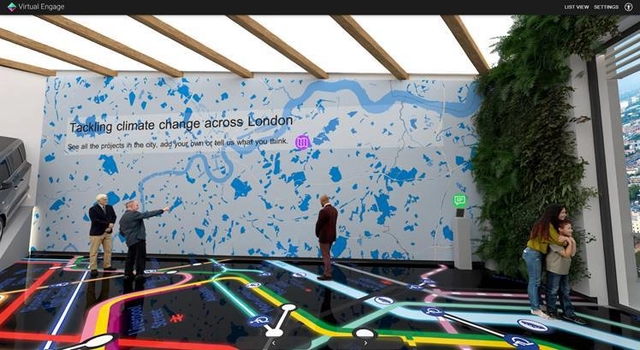
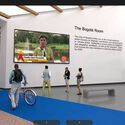
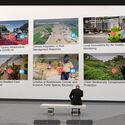
This week, the C40 global network of cities and engineering and sustainability firm Arup launched a virtual exhibition showcasing examples of climate initiatives and resiliency strategies from 11 cities committed to addressing climate change. Given that cities account for more than 70% of global carbon emissions, the Global Cities Climate Action Exhibition aims to highlight the role of cities in reaching climate targets through local policies and urban development plans, achieving tangible emission reductions and increasing social equity.
It has become evident that the spaces we inhabit have changed. The COVID-19 pandemic has forced us to appreciate values as lighting, ventilation, and comfort when working in home.
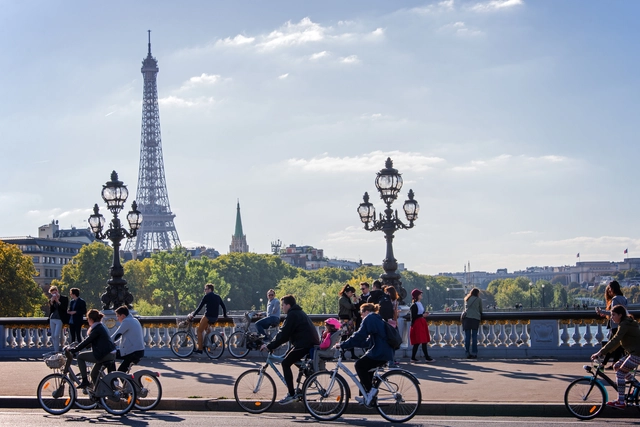
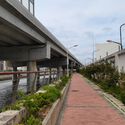
The city of Parishas announced that it will be investing €250 million to upgrade its cycling infrastructure and expand its network of bike lanes with aims of becoming “100% cyclable”. The French capital's investment comes through Bike Plan, a 5-year-long urban project that will reinforce the presence of bikes and provide safe and well connected routes for passengers and pedestrians.
ADUs or accessory dwelling unit, a word mostly used by architects, is "a smaller, independent residential unit located on the same lot as a stand-alone single-family home" according to the American Planning Association. They can be converted spaces of existing houses, additions, or new stand-alone structures. In this piece, author Walter explores the recent policies in California that seek to reduce the shortage of housing.
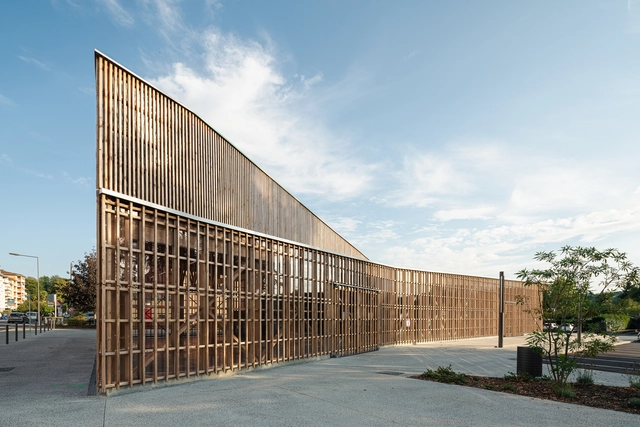
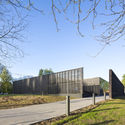
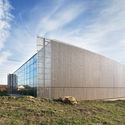
The relationship between building envelope and structure remains a centerpiece of architecture. Understanding a building's skin is how designs become open or closed, controlling environmental conditions, light and views. Whether perforated, slotted or modular, brise-soleils are elegant envelopes that create new spatial conditions. This is especially true in France, where architects are rethinking tradition to bring new screened structures to life.
D5 Render SketchUp Extension | Elmtec SketchUp, a real-time renderer for digital designers, brings a whole new layer to the industry thanks to cutting-edge technologies, making it easier to render ultra-realistic images with real-time raytracing, creating a transformational movement within the design industry. From 28th September 2021, Elmtec is the official distributor for D5 Render in the UK and Ireland.
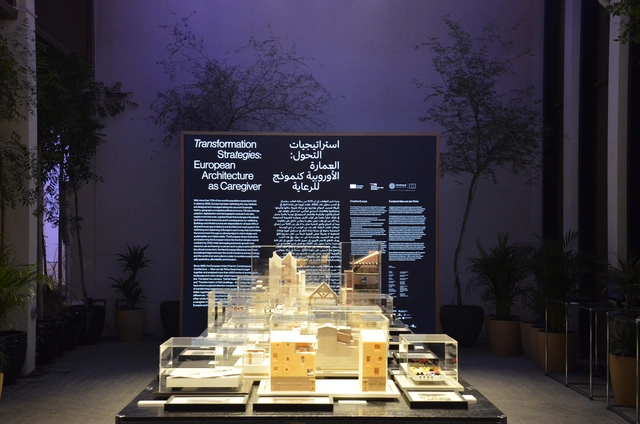
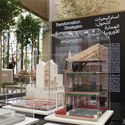
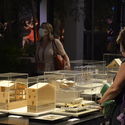
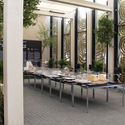
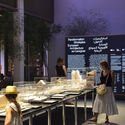
Fundació Mies van der Rohe, the European Commission, and the Irish Pavilion have inaugurated an exhibition titled “Transformation Strategies: European Architecture as Caregiver” which highlights the European Union's participation in Expo 2020 Dubai and showcases its contribution to tackling global challenges in line with the main themes of the event. The exhibition opened to the public on November 2nd at the Irish Pavilion in the Expo's Jubilee Avenue, and will be on display until the end of 2021.
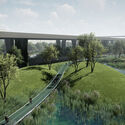
A new masterplan along the central Pailao River in Shenzhen proposes a climate-proof regeneration of the area, using nature and water retention ecological zones to mitigate the risk of flooding. Created by urban design and architecture practice VenhoevenCS, with landscape vision by Hope Design and water management plan by Huadong Engineering, the Pailao River Blueway Project capitalizes on the coexistence of the urban and the natural environment, ensuring resilience and enhancing the economic growth of the city district.
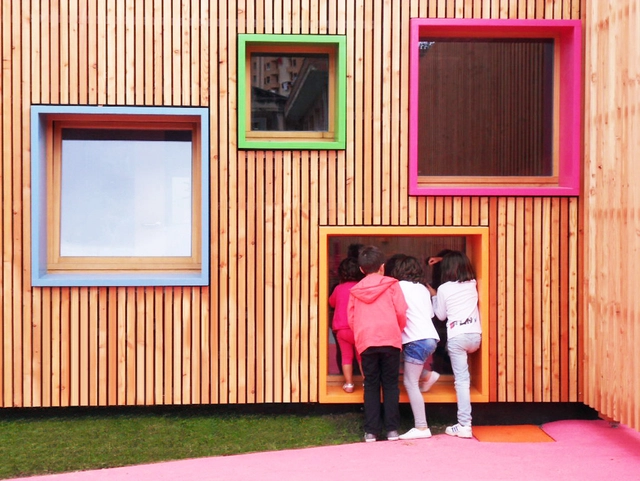
Novo edifício de educação infantil e creche em Zaldibar / Hiribarren-Gonzalez + Estudio Urgari. Courtesy of Egoin
The definition of equity in dictionaries is the quality of giving equal treatment to everyone while still acknowledging the differences between individuals. In this sense, equity means fairness in the way we act toward each person but keeping in mind his or her specific characteristics and needs. From a medical perspective, equity implies that everyone needs care and attention but not necessarily the same. It is also worth mentioning that the terms equity and equality are often used interchangeably but they mean different things, mainly because equality is based on the principle of universal rights, in which all individuals are subject to the same rules, without exception.













.jpg?1636107951&format=webp&width=640&height=580)
.jpg?1636107951 "© Herzog & de Meuron")
.jpg?1636107949 "© Herzog & de Meuron")

.jpg?1636107951)