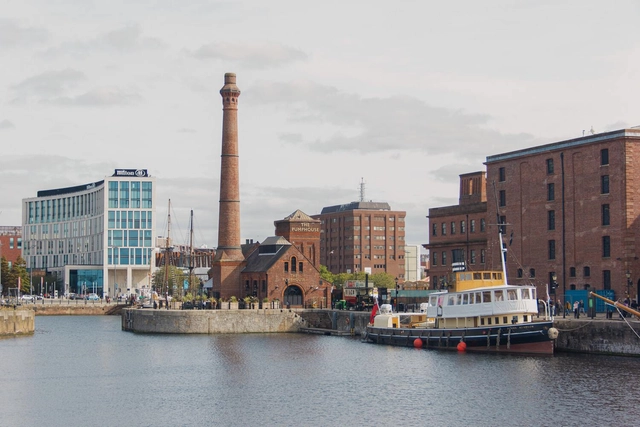
This month, UNESCO has announced a series of decisions concerning important heritage sites, giving rise to conversations around preservation and urban development. Last week, the World Heritage Committee decided to strip Liverpool of its heritage status, as the new developments are considered detrimental to the waterfront's integrity. These projects placed the city on the List of World Heritage in Danger in 2012, a designation which Venice managed to avoid earlier this week, due in great part to the recent ban on cruise ships.
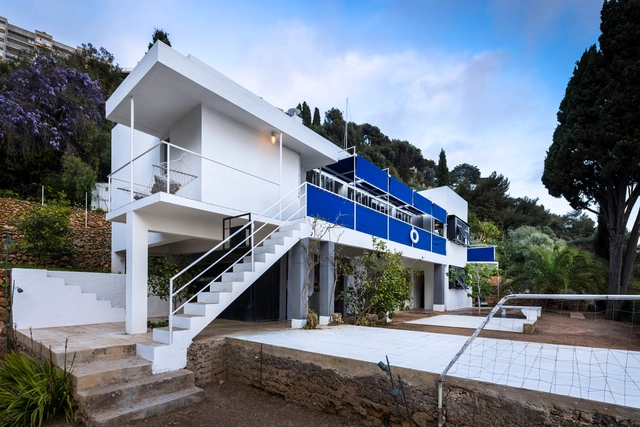
Association Cap Moderne have announced that the restoration of Eileen Gray’s modernist villa E-1027, along with other projects on the Cap Moderne site, such as Le Corbusier’s Cabanon and Unités de Camping, and l’Etoile de Mer restaurant, have been completed and are now open to visitors. The site is listed as a UNESCO World Heritage Site, and is considered as one of the must-see places to discover in the region, welcoming more than 10,000 visitors a year.
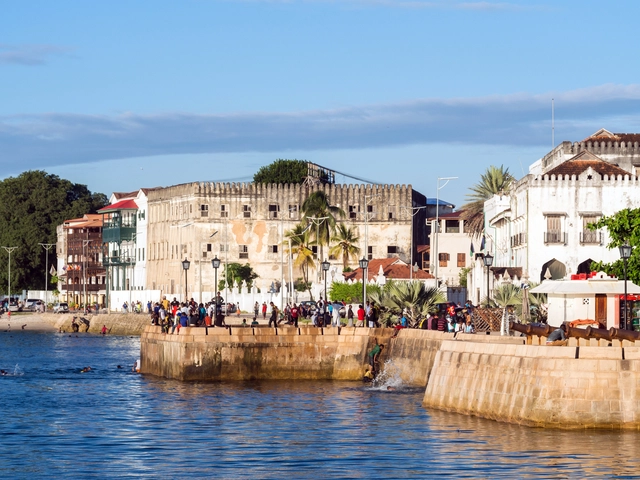
The African continent has been - throughout history – a key player in the ever-evolving story of human migration. Cultures and customs have been shared, adapted, and re-imagined as a result of this movement of populaces, and architectural styles are no exception. In a way, the varied architecture present in Africa is a lens one can look at to understand the intricacies of migration. Present on the continent are ancient indigenous and building typologies born out of the organic assimilation of cultures. Also present are remnants of colonial architecture, a legacy not of voluntary migration, but of forced colonial imposition.
The world of travelling is a multifaceted one. There are the everyday trips one takes for work or school, commuting to a set location during the week, usually within the confines of a city. There are the longer trips too, the trips which usually involve getting into an aeroplane to visit someplace a bit farther from where the traveller usually resides. These trips are frequently done for business purposes, but for those who have the means to afford it, these trips are undertaken for learning and leisure – where the traveller can be defined as a “tourist”.
At the heart of it, architecture is an inter-disciplinary profession. Ranging from structural engineers to quantity surveyors, a design project thrives from the collaboration of individuals from various fields of work. An often-overlooked connection is the link between the fields of architecture and archaeology, which in more ways than one have a lot in common. In a time of increased awareness on issues of sustainability and heritage, the expertise present in the field of archaeology plays a vital part in the preservation of architectural landmarks of historical significance. This expertise can also play a significant part in creating sensitive architectural interventions suitable for their context, contemporary in their design while responding to historical precedents.
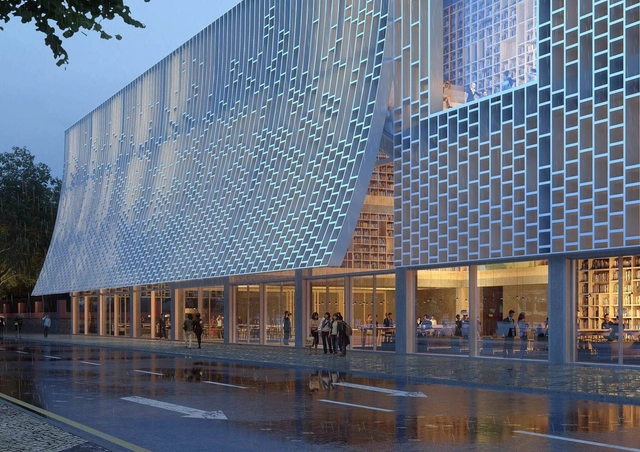
Dutch design practice Mecanoo has shared initials details of the new Macau Central Library as part of a UNESCO World Heritage Site. Designed for the Cultural Affairs Bureau of the Macau SAR Government, the project will be located by the Tap Seac square on the site of the former Hotel Estoril, the first casino resort in Macau. Activating the square and public realm, the library will encourage visitors to uncover and utilize this new public amenity.
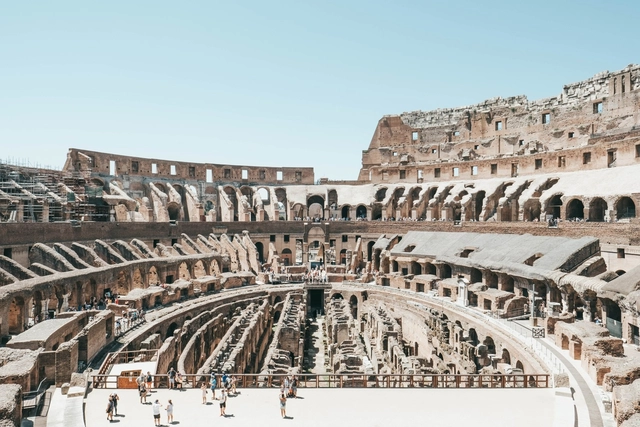
The Colosseum. Image Courtesy of Henry Paul/Unsplash
The Colosseum will undergo a renovation with a new, retractable floor platform. In ancient Rome, thousands gathered to watch enslaved gladiators, criminals, and wild animals fight to the death. These fighters and caged animals would emerge from the ground through secret tunnels beneath the arena’s wooden and sand-covered floor. Colosseum director Alfonsina Russo told the Times that the plan is to host concerts and theater productions on the new floor.
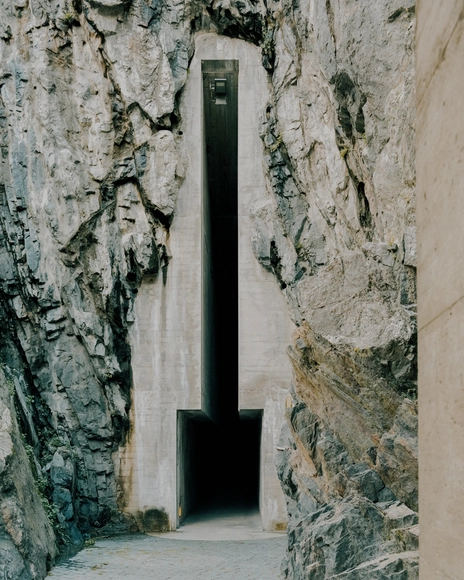
Situated on Ticino's rocky peaks are the historic Medieval Castles of Bellinzona: Montebello, Sasso Corbaro, and Castelgrande. And while all three castles and their fortifications have become part of UNESCO's World Heritage Sites, it is not only the ancient walls that leave visitors enchanted, but the gateways that leads to them.
Architectural photographer Simone Bossi decided to solely capture the castle's entrance, displaying how a dialogue between the organic forms of nature and refined man-made walls can be as majestic as a historic fortress.
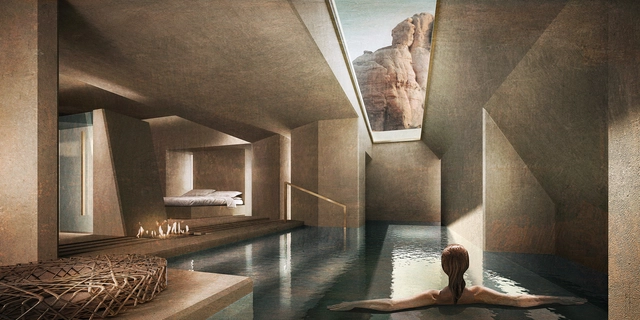
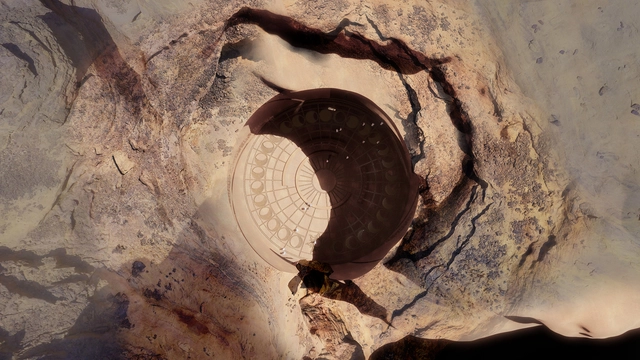
Delicately excavated from the natural grounds of Jordan’s Wadi Rum, Jordanian architect Rasem Kamal transformed the phrase of “form follows function” into “subtraction follows function”, emphasizing the relationship between external form and internal space with a resort that promises a sanctuary both above and underground.
In the newly-released video of the proposal, the architect uncovers the hidden resort and takes viewers on an enchanting walkthrough of the proposed Wadi RumSanctuaryResort. Kamal complements the desert’s jagged landscape with the resort’s subtle architecture, letting the structure blend seamlessly with its surroundings.
Jean Nouvel has just unveiled his design for Sharaan, a resort hidden within the rock dwellings of AlUla, a cultural oasis in north-west Arabia. Showcasing a modern take on millennia-old ways of living, the project puts in place monumental designs carved into the rocks, respecting and preserving the landscape. Inspired by the nearby Hegra, Saudi Arabia’s first UNESCO World Heritage Site, the concept takes a curatorial approach bringing together landscape and history.
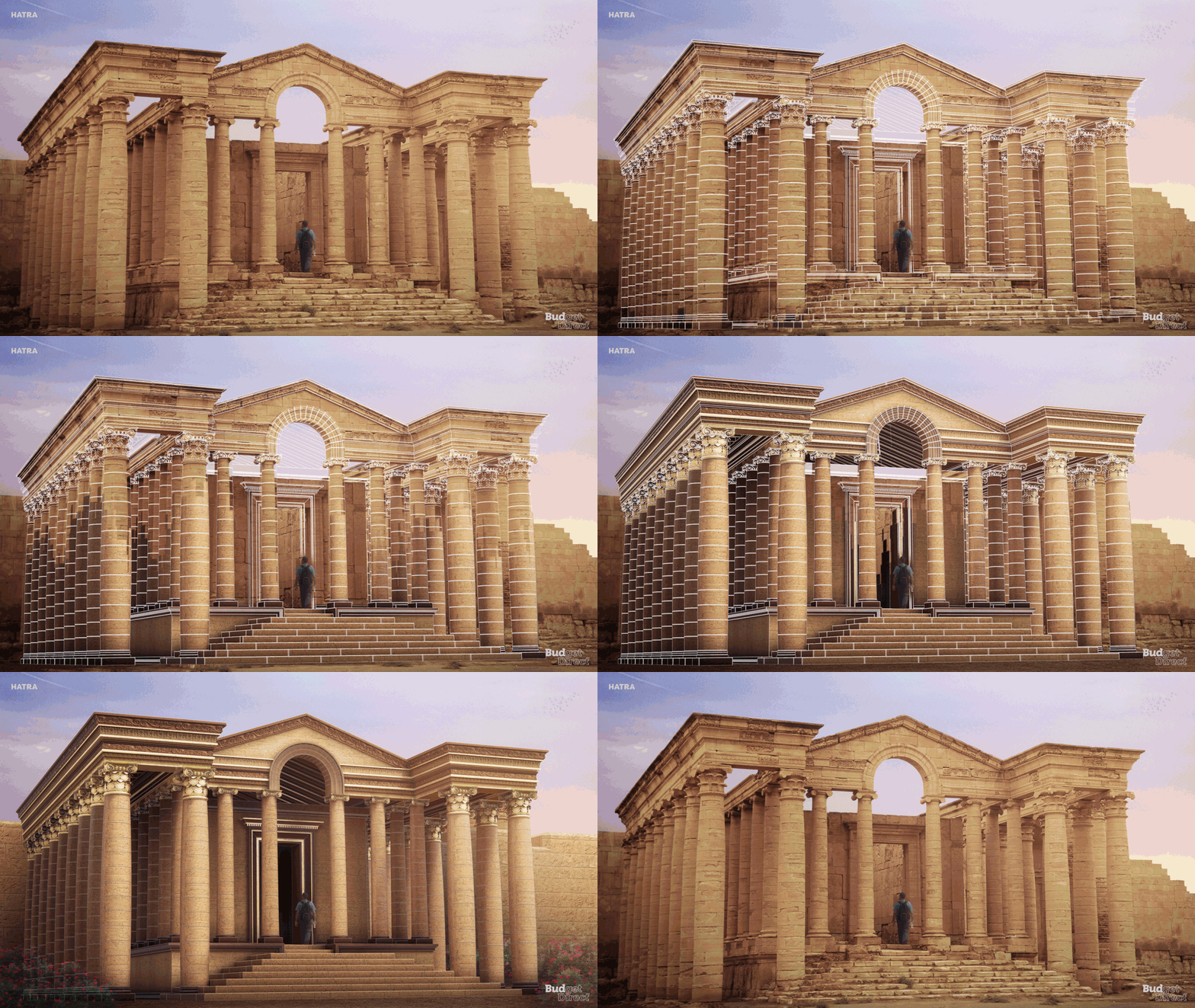
Budget Direct and NeoMam Studios, a creative studio based in the UK, have created a series of animated gifs restoring 6 UNESCO cultural sites and showcasing how these ruins would have looked like if they had been preserved. Bringing to life endangered sites, the project includes the recently destroyed ruins of Palmyra in Syria and Hatra in Iraq, demolished by ISIS in 2015.
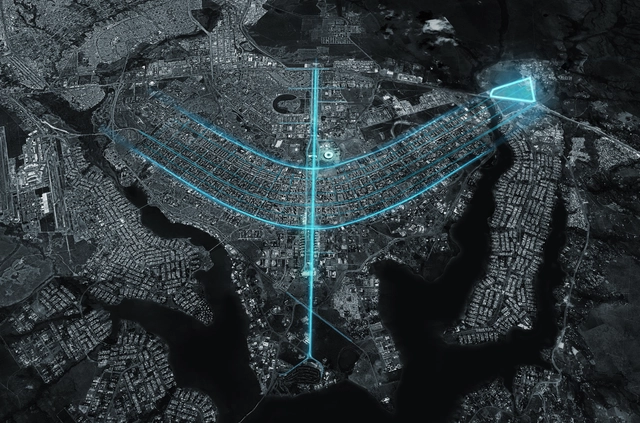
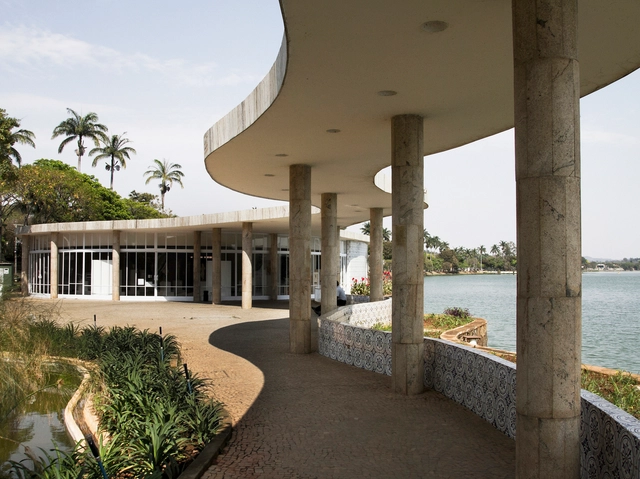
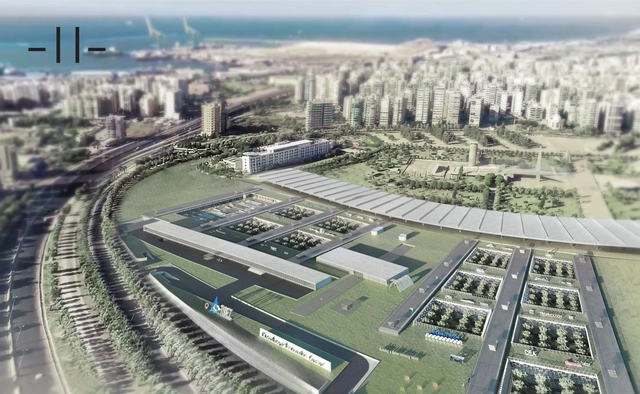
CRA - Carlo Ratti Associati has unveiled a major extension for Brazilia, reinterpreting “Lúcio Costa and Oscar Niemeyer’s modernist master plan for Biotic - a high-tech innovation district immersed in nature”. Developed in collaboration with Ernst&Young, the project that started in 2018 reimagines primarily the superblocks.
World Heritage Site is the title given to specific places on the globe (landscapes, cultural routes, cities, or architectural structures) by the United Nations Educational, Scientific, and Cultural Organization, or UNESCO, as a way to recognize their natural or cultural relevance and to encourage their preservation. Up to 2019, 1121 places in over 167 countries have been declared World Heritage Sites, of which 869 are cultural, 213 natural and 39 are mixed category.
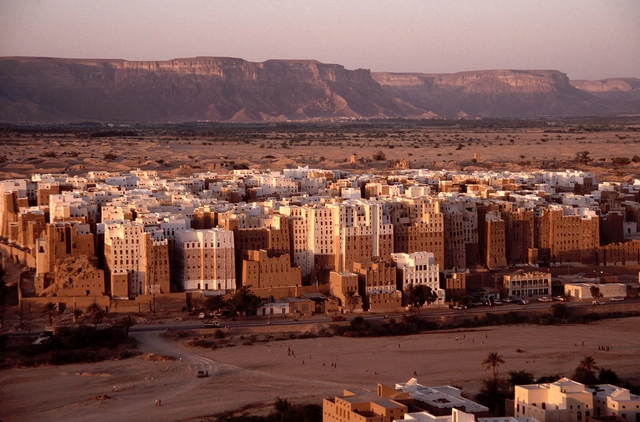
Walking through narrow chaotic alleys dwarfed by soaring towers, few would estimate the age of Yemen's city of Shibam at nearly 1,700 years. Located in Yemen's central Hadhramaut district, Shibam has roots in the pre-Islamic period, and evidence of construction dating from the 9th century.
Shibam is known as the first city on earth with a vertical masterplan. A protected UNESCO World Heritage Site since 1982, the city is home to densely packed buildings ranging from four to eight storeys, beginning in 300 AD but now mostly built after 1532. Thanks to a fortified ring wall, the city has survived nearly two thousand years despite its precarious position adjacent to the wadi floodplain.
Enter the ancient walled world of Shibam after the break
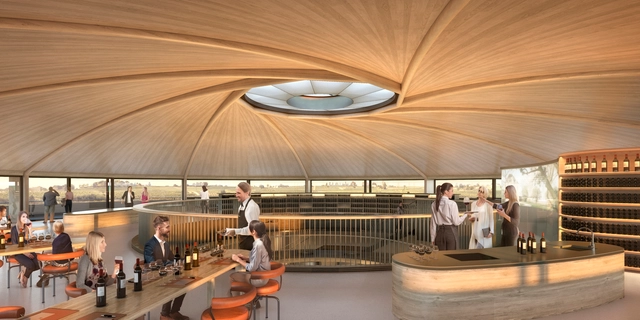
Le Dome Winery, Bordeaux, France. Image Courtesy of Foster + Partners
Foster + Partners have released images for their proposal for the new Le Dôme winery in Saint-Émilion, the firm’s second winery in the Bordeaux area, the first being Château Margaux in 2015. Located in a UNESCO World Heritage Cultural Landscape, the design blends seamlessly with the topography.
The Latvian city of Riga, the largest between the three Baltic states, is undergoing a cultural and urban renaissance. The city's pedestrian-only Old Town is a UNESCO World Heritage Site with several museums, cultural centers, and restaurants, attracting thousands of new visitors every year.
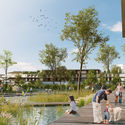
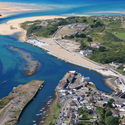
Feilden Clegg Bradley Studios has received unanimous planning approval for the third phase of work in Cornwall. Called Hayle North Quay, the 20 acre mixed use regeneration project was made to create a contemporary harbourside as part of the region's UNESCO World Heritage Site. The scheme draws inspiration from Cornish coal wharf heritage and the natural landscape to creating a vibrant vision for Cornwall's coast.