-
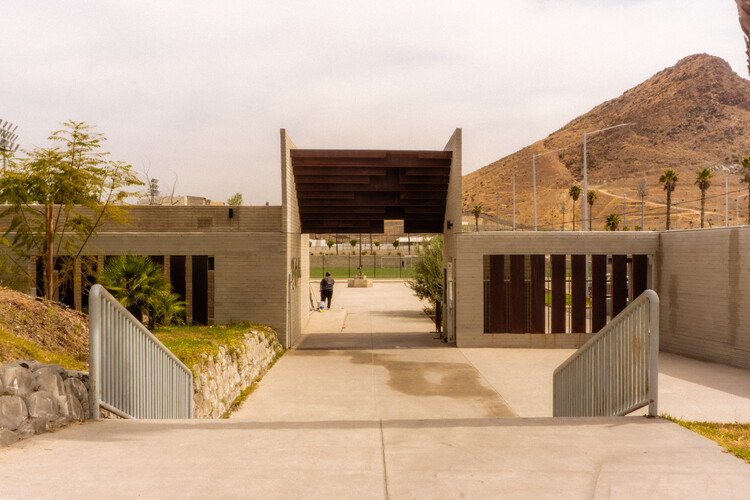
Architects: border arquitectos
- Area: 60000 m²
- Year: 2024
-
Manufacturers: cemex cementos
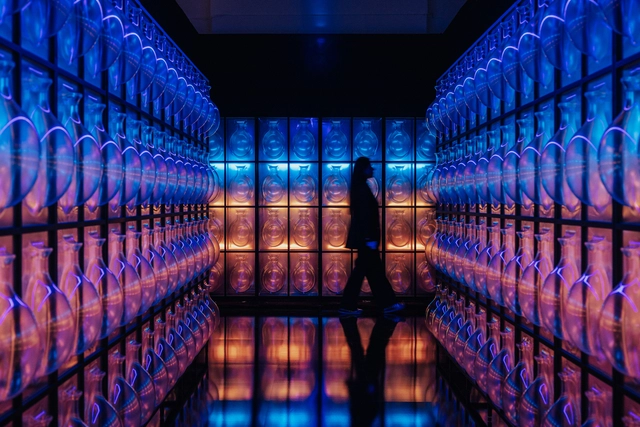
The fifth edition of the London Design Biennale is taking place at Somerset House from 5 to 29 June 2025. The theme of this year's edition is "Surface Reflections," an invitation to explore "the dynamic interplay between internal experience and external influence." The curatorial proposal, set by British artist and designer Samuel Ross, encourages a focus on the underlying layers of the objects, systems, and spaces that shape our daily lives. The Biennale exhibition is a journey through 35 pavilions by countries, institutional design teams, and curators, presenting soundscapes, immersive experiences, and performances, as well as sculptural and evocative objects. To confront contemporary global challenges, topics include identity, memory, innovation, technology, craftsmanship, ecology, and belonging.
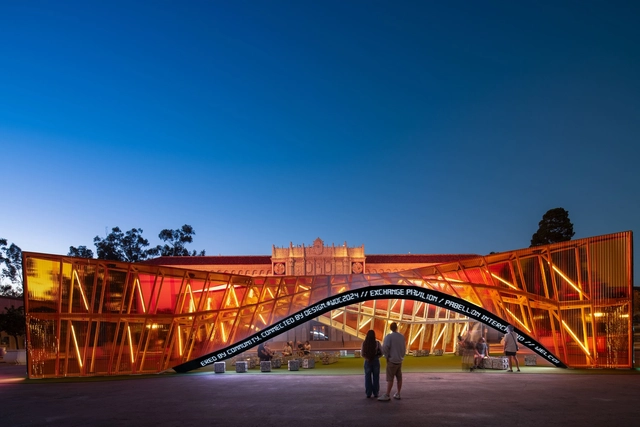
Global conferences, events, and exhibitions have profoundly influenced the evolution of architecture and design, serving as catalysts for innovation, new ideas, and pivotal debates. Some gatherings, like the historic Congrès International d'Architecture Moderne, have impacted the field. In contrast, others, such as the Venice Biennale and the World Design Capital (WDC), continue shaping the architectural landscape through periodic editions. Initiated in Turin, Italy, the WDC celebrates a different city every two years as a hub of design reflection and creativity. In the latest edition, the binational region of Tijuana-San Diego made history as the first cross-border WDC, emerging as a creative epicenter with a rich, innovative program that warrants special attention.
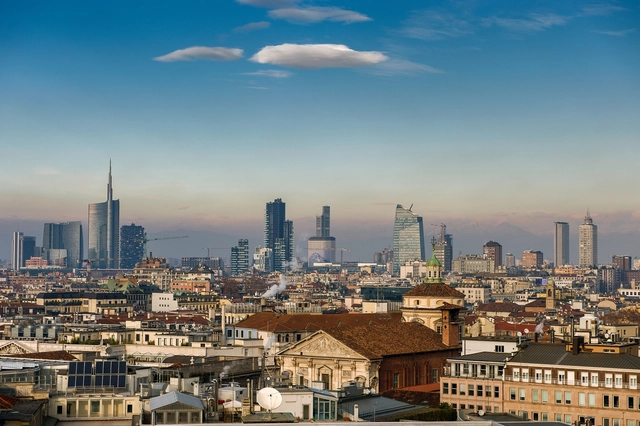
Tourism, as an urban and architectural phenomenon, has grown to encompass more than just sightseeing; it engages visitors with the social, cultural, and economic narratives that cities tell through their built environments. In celebration of World Tourism Day 2024, this collection of city guides highlights the role of architecture in shaping the urban tourism experience. Today, cities around the world stand as testaments to human ingenuity, historical preservation, and modern innovation. In fact, each city's versatile architecture offers a window into a city's identity, drawing millions of visitors each year who seek to understand how these spaces shape everyday life and collective memory.
In 2024, many cities have seized the world's collective imagination, each with its unique narrative waiting to be uncovered. Whether one finds themselves meandering through London, admiring Paris, or immersing in the cultural treasures of Sharjah, the story is always there to be unraveled. From Amsterdam's canals to Cairo's rich historical layers, Barcelona's avant-garde architecture, the liveliness of Santiago to the ancient marvels of Rome, and the diverse Istanbul to the bustling Bangkok – each city serves as a testament to the enduring spirit of human civilization.
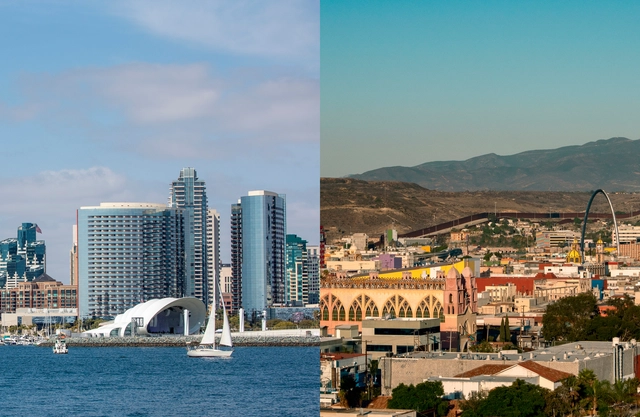
When drawing, lines are fundamental elements of composition. They delineate space, outline structures, and define boundaries. When it comes to maps and borders, the line acquires a particular meaning, as this "simple" graphic expression marks a powerful division between regions, setting the beginning or the end of a territory. This line has a profound meaning at the limit between Mexico and the United States, where it constantly blurs and questions the border. In these places, multiculturalism is a daily occurrence, with a continuous negotiation of boundaries present in all aspects of life. The dynamic of these borders involves design and the generation of a complex network of interactions and collaborations.
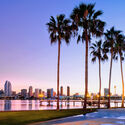
Rather than being divided into Tijuanenses on one side and San Diegans on the other, this particular region stands out as a community whose essence harmonizes with a deep legacy of cross-border collaboration, rather than being seen as cities separated by a line. As the first binational designation in the history of the World Design Capital (WDC) program, the Tijuana-San Diego region shares a common interest in addressing urban, social, and economic issues through design. Thus, via conferences, policy summits, and workshops, the region seeks to enhance the catalyzation of ideas through its designation.
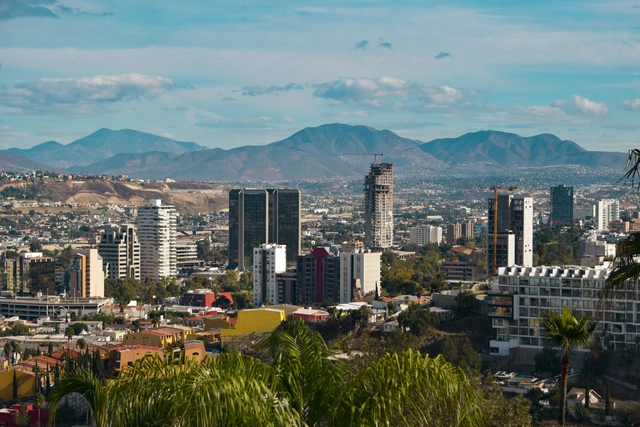
The U.S.-Mexico border is a region of vast historical, cultural, and economic significance, where cities of fundamental importance to North America have emerged. Tijuana—located in northeastern Mexico—, is one of these cities. Since its earliest beginnings in the 18th century, it has experienced exponential urban growth, closely linked to its northern neighbor, San Diego. Understanding Tijuana in its entirety is only possible by mentioning this connection. For this reason, along with San Diego, it was selected as the World Design Capital 2024, celebrating the interaction and cultural exchange between the two cities.
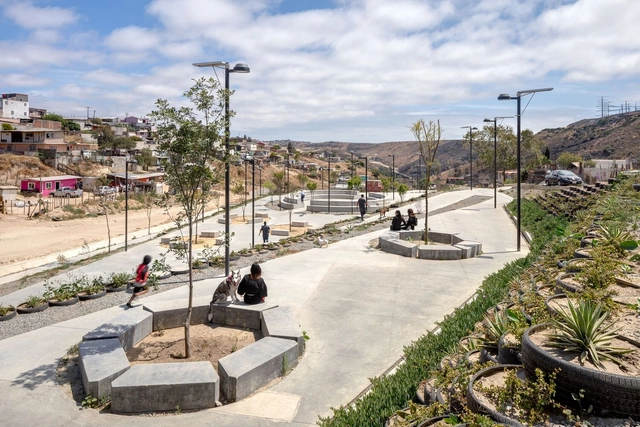
Historically, the city has been a melting pot of nuances reflected in its urban landscape. Examples such as the Tijuana Cultural Center, designed by Pedro Ramírez Vázquez and Manuel Rosen, show the city's search for a modern style. In parallel, the OTAY Cross Border Xpress Building illustrates the relationship between countries in a complex whose architectural program spans both sides of the border. Additionally, contemporary projects contribute to developing a new stage in the city's life by creating public spaces.
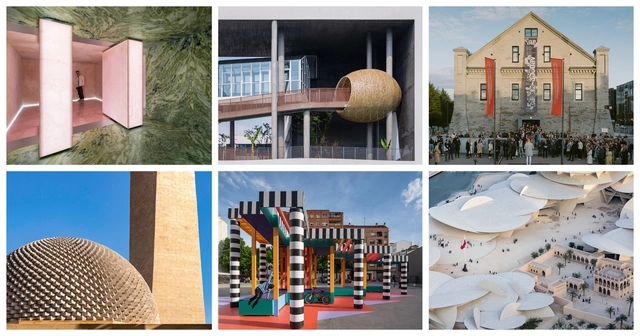
Spanning continents and cultures, architecture-focused events serve as platforms for the gathering of diverse groups of professionals to share innovations and embark on dialogues regarding some of the most pressing matters faced by our profession. Embodying the spirit of collaboration, highlighting local cultures and practices, and fostering open debates, this year’s list of events covers a diverse range of biennales, forums, city-wide celebrations, international fairs, and awards.
From the year-long celebration of the World Design Capital in the neighboring cities of San Diego and Tijuana, to Qatar's inaugural Design Doha Biennial, starting this February; from Spain’s celebration of public spaces during Concéntrico 10 to locally-engaging biennales across Eastern Europe, these global conventions, exhibitions, and celebrations strive to bring together the architecture and design communities to shape together the future of the built environment.
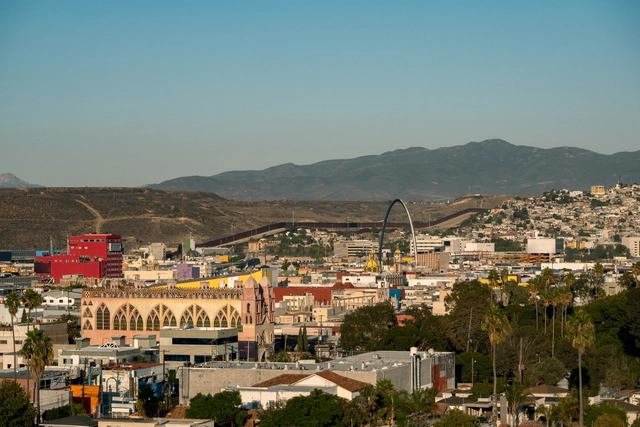
The World Design Capital, a city project dedicated to promoting the design profession around the world, showcases a new capital every two years. The initiative recognizes cities for their constructive use of design to drive social, cultural, and environmental change and improve the overall quality of life. This week, San Diego and Tijuana have been named the World Design Capital of 2024, due to their human-centric design strategies and their cross-border collaboration. In previous editions, the World Design Organization had selected Valencia and Mexico City as design capitals of the world.