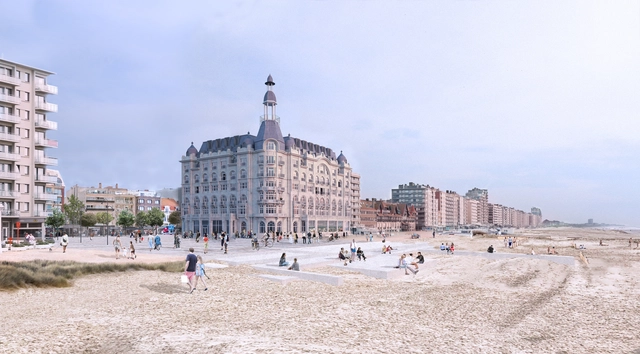
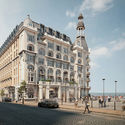
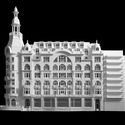
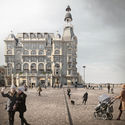
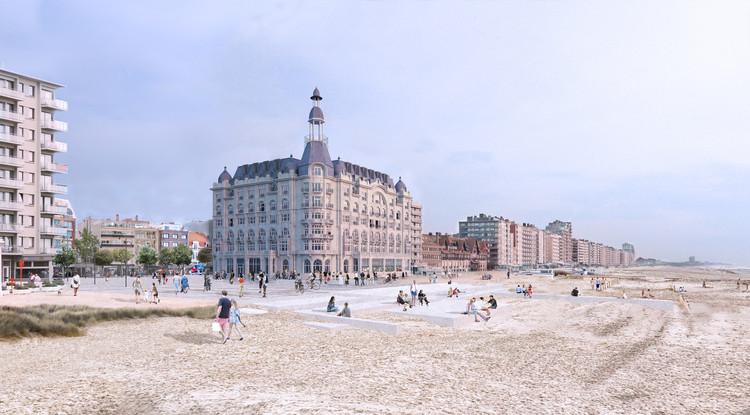
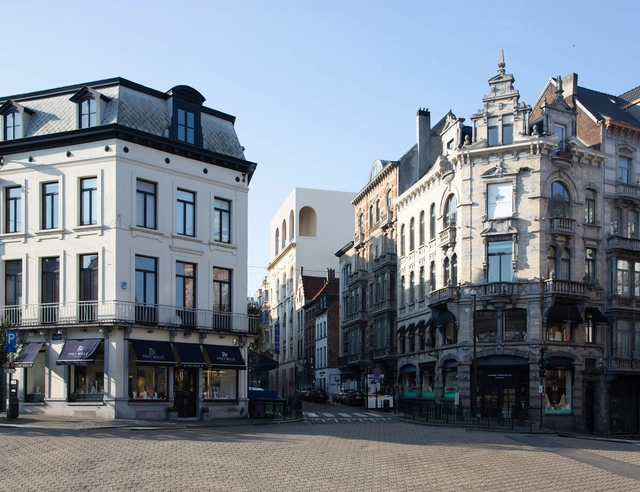
David Chipperfield Architects has unveiled his restoration plans for the Grand Hotel in Nieuwpoort, Belgium. Started in 2019, the project converts the structure into a residential building, while seeking to reinstate its landmark status. Becoming “The Grand residential building”, the architecture will also take on an extension that underlines a “sensitive understanding of heritage value and entails reinterpretation and invention as well as restoration”.
Almost 6 months ago, on August 4th, 2020, the city of Beirut was shaken by one of the biggest non-nuclear blasts in history. Leaving the northern side of the capital in ruins, the explosion damaged around 40,000 buildings. New contemporary structures completed recently by local international architects are now facing reconstruction dilemmas, raising existential questions such as: How should reconstruction efforts of “new” damaged buildings look like? Should architects rebuild them as they were before the blast, erasing what has happened or should they leave scars and portray new realities?
In order to explore ideas and highlight different perspectives, ArchDaily had the chance to sit with three architects whose buildings were impacted by the blast. Bernard Khoury, Paul Kaloustian, and Lina Ghotmeh talked about their projects and their vision of the reconstruction of Beirut with ArchDaily's Managing Editor, Christele Harrouk, alongside Architectural Photographer Laurian Ghinitoiu, who documented in a featured photo series the extent of the destruction.
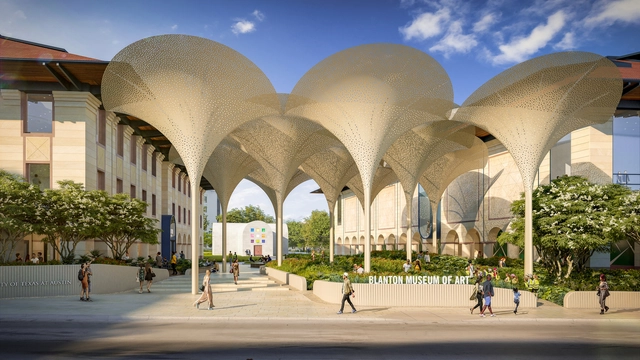
Transforming the typical artistic experience, Snøhetta proposed a design to renovate the Blanton Museum of Art at The University of Texas at Austin. The comprehensive grounds remodeling seeks to “unify and revitalize the museum campus, […] through architectural and landscape improvements”. Construction is scheduled to begin in early 2021 and conclude by late 2022.
The board of the Indian Institute of Management in Ahmedabad (IIMA) has announced that the dormitories, built by Louis Kahn and part of the overall campus design, will be demolished and replaced. In fact, the administration plans to “bring down at least 14 of 18 dorms which were built between 1968 and 1978" for showing "problems of leakages from the roof, dampness in walls, leakages in toilet walls, slabs, etc.”, according to the Indian Express.
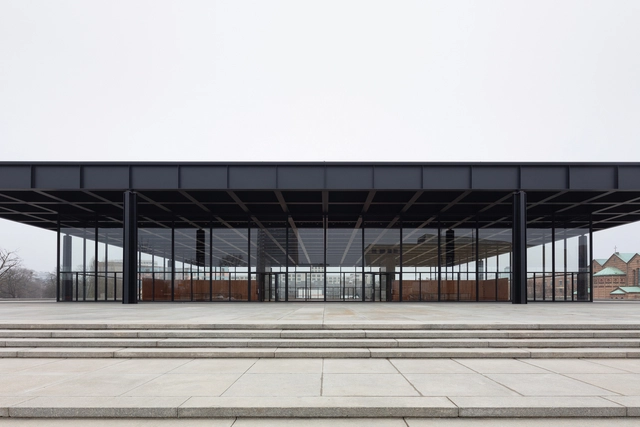
Renovation works of Mies van der Rohe’s Neue Nationalgalerie in Berlin are in their final phase. Overseen by David Chipperfield Architects, the restoration was much needed after almost 40 years. Set to reopen in the summer of 2021, the concrete, steel, and glass landmark, dedicated to culture and the fine arts, is in fact Mies van der Rohe’s only work in Germany after World War II.
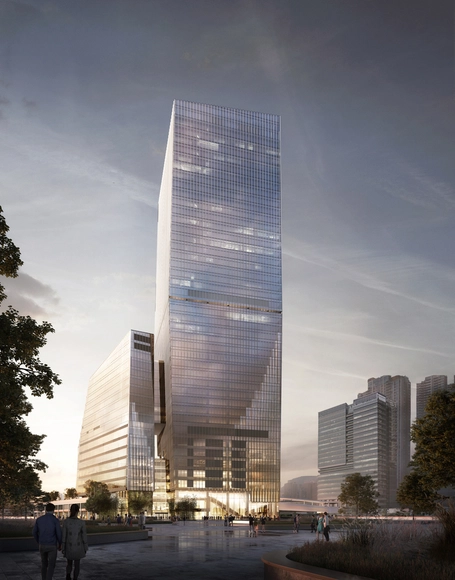
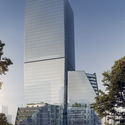
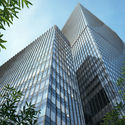
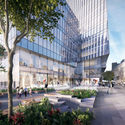
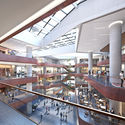
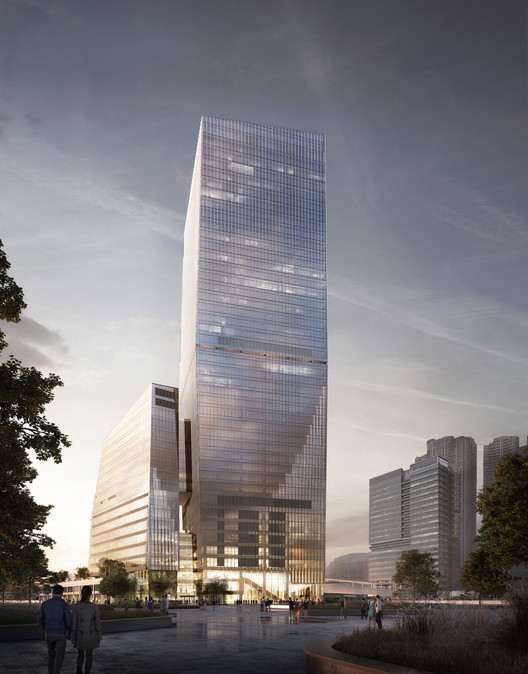
Snøhetta has revealed its first built project in Hong Kong, Airside, a 176,000 square meters mixed-use building. Located in the center of the former Kai Tak airport, the project commissioned by Nan Fung Group comprises a 200-meter tower merged seamlessly with its base.
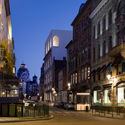
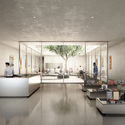
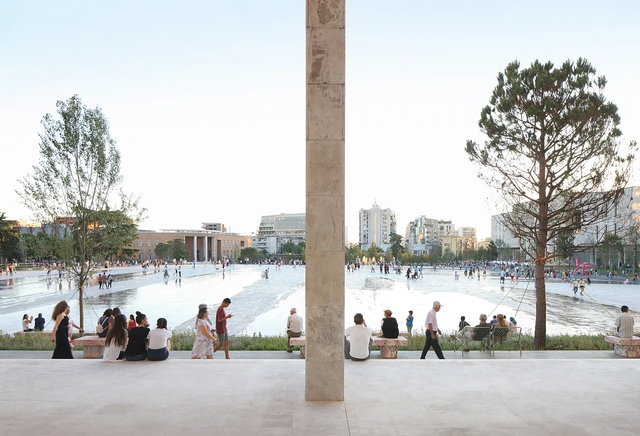
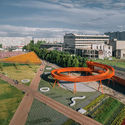
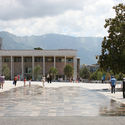
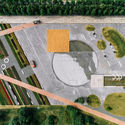
Remnants of the Socialist era, the large-scale architecture and urban spaces of the Eastern European Bloc still constitute a challenging legacy, at odds with contemporary urban environments and the values shaping cities today. This ideologically charged architecture is being reclaimed either through the reconciliation of the public opinion with this part of history, adaptive re-use, renovation, or through its re-contextualization as architectural heritage. By (re)introducing the human scale within these monumental architecture projects and public spaces, these entities are being restored to the urban and cultural life of cities.
According to the United Nation’s “The World’s Cities in 2018”, it is estimated that, “by 2030, urban areas are projected to house 60 percent of people globally and one in every three people will live in cities with at least half a million inhabitants.” Also, between 2018 and 2030, it is estimated that the number of cities with 500,000 inhabitants or more is expected to grow by 23 percent in Asia. China, as the largest economy in Asia, with a GDP (PPP) of $25.27 trillion, is expanding rapidly, both economically and demographically.
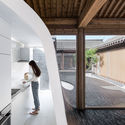
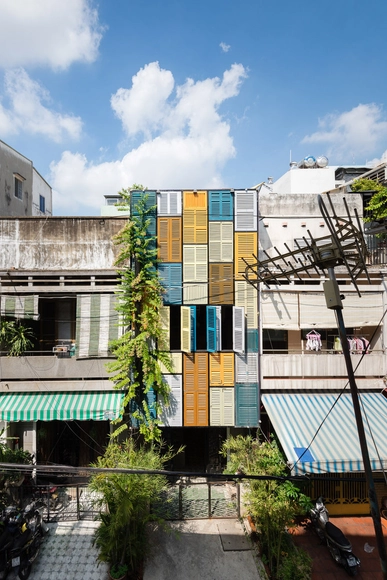
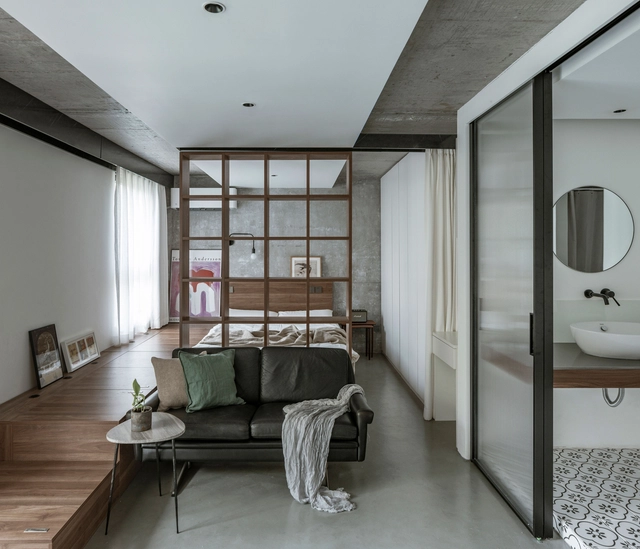
With more and more migrant workers coming into the bigger cities in China, it has become increasingly difficult for workers to find an affordable place to live. Some people decide to move away from urban centers and bear with the lengthy commute time, while others are seeking creative design solutions to transform their home into a tiny, functional space to meet their daily needs.
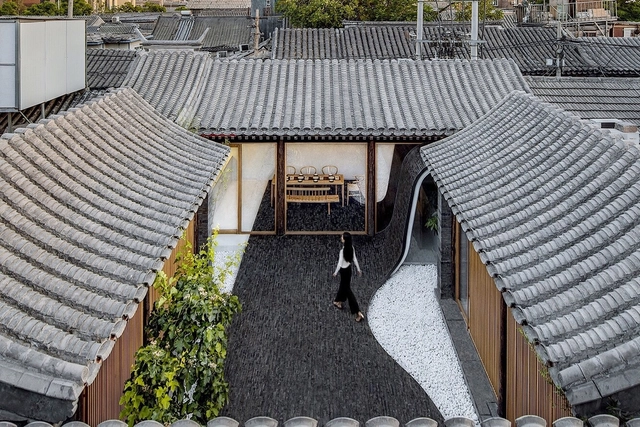
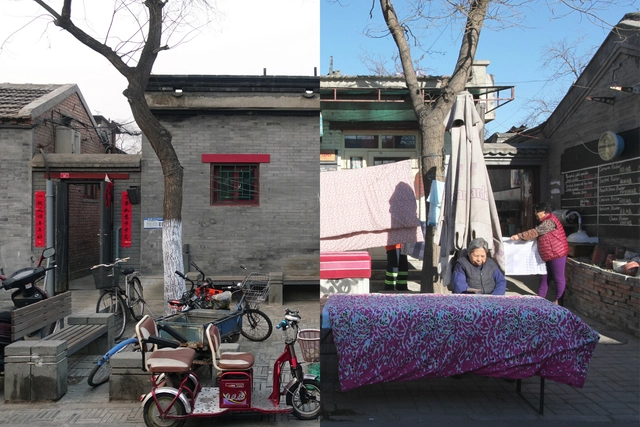
“BEFORE/AFTER” documents the drastic changes, both physical and psychological, which took place during the renovation of Beijing’s Fangjia Hutong in the months between April and September 2017. In 2019, OPEN Architecture was invited to participate in “Unknown City: China Contemporary Architecture and Image Exhibition”, the opening exhibition of the Pingshan Art Museum, with their work “BEFORE/AFTER”.
MVRDV has just unveiled the If Factory, a disused urban structure converted into a new 11.000 m2 creative building, containing a mixture of offices for the Urban Research Institute of China Vanke and offices for rent. Located in one of Shenzhen’s most historic districts, Nantou, the project is the largest proposed renovation in the city to date.
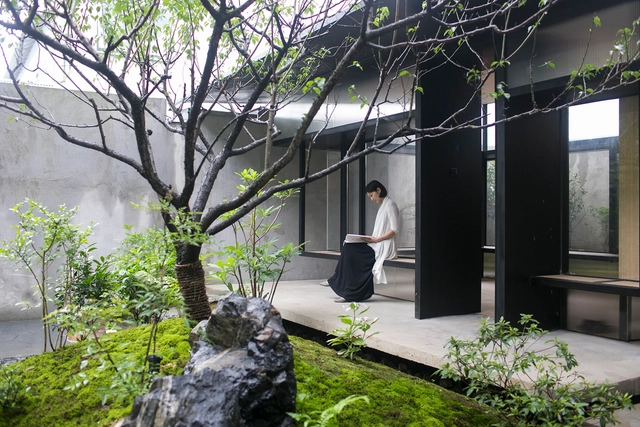
Chinese courtyard houses are one of the most common housing typologies spanning all the way from the northern capital of Beijing to the poetic southern cities Hangzhou and back to the picturesque regions of Yunnan. Typically referred as heyuan, these courtyards homes are simply a “yard enclosed on four sides."
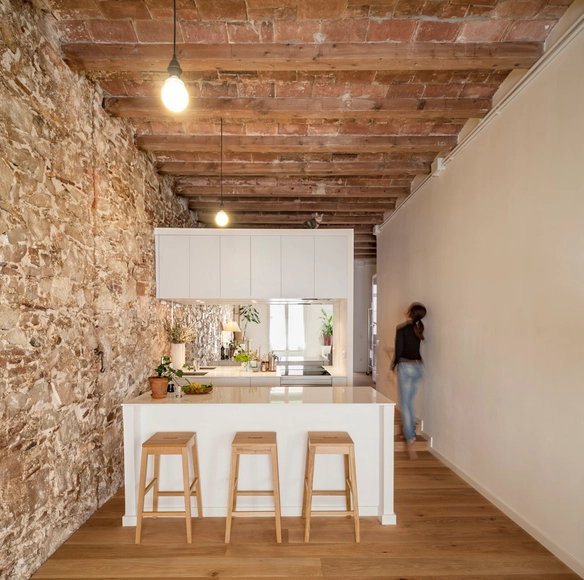
The use of brick plays a very important role in the architectural history of the United Kingdom. Construction techniques that involve brick and stone have been in constant progress. In fact, brick production improved over time, making the material the most popular one in the construction industry. From the 18th century onwards, brickwork was predominantly used in domestic and industrial architecture, but later on, it was introduced to the structure of warehouses and factories, as well as other various forms of infrastructure.
While many of these buildings are still operating to this day, it comes as no surprise. Refurbishment and reuse are highly recommended techniques, and in many cases, the only methods to maintain densely populated European cities. Therefore, the challenge lays in reusing these buildings and recycling the materials available, always trying to retain as much of the original structure as possible.
What would you do with an old and empty building? Would you tear it down, leave it abandoned, or could you transform it into something new? Cities all around the world are wrestling with this very challenge. The question then becomes, what can architecture do about it?

.jpg?1611093603&format=webp&width=640&height=580)
.jpg?1611093772 "© Laurian Ghinitoiu")
.jpg?1611093604 "© Laurian Ghinitoiu")
.jpg?1611093961 "© Laurian Ghinitoiu")
.jpg?1611093888 "© Laurian Ghinitoiu")
.jpg?1611093603)


.jpg?1609838112&format=webp&width=640&height=580)
.jpg?1609149520&format=webp&width=640&height=580)

.jpg?1609149607 "Courtesy of Wikimedia Commons")
.jpg?1609149611 "© Laurian Ghinitoiu")
.jpg?1609149614 "© Laurian Ghinitoiu")
.jpg?1609149520)











_Gent_Onuzi.jpg?1603920105 "The Pyramid in Tirana. Image © Gent Onuzi")





.jpg?1597742181&format=webp&width=640&height=580)
.jpg?1597742097 "Courtesy of MVRDV")
.jpg?1597741926 "Courtesy of MVRDV")

.jpg?1597742150 "Courtesy of MVRDV")
.jpg?1597742181)
.jpg?1517237056 "Micro-Yuan’er / ZAO/standardarchitecture. Image © Mingming Zhang")



_johan_dehlin.jpg?1595351892&format=webp&width=640&height=580)
_Andrew_Meredith.jpg?1595351859 "© Andrew Meredith")
_Nigel_Rigden.jpg?1595352119 "© Nigel Rigden")
_Ben_Pipe.jpg?1595351948 "© Ben Pipe")
_johan_dehlin.jpg?1595351892)
