Frank Lloyd Wright’s most famous house, Fallingwater, was the recipient of minor damage after heavy rainfall caused the creek that gives the house its name, Bear Run, to flood last weekend.
According to Fallingwater director Lynda Waggoner, a fallen log picked up by the overflow rammed into the stone wall of the lower plunge pool, breaking off the wall’s capstone and dislodging one of the home’s signature sculpture pieces, the Jacques Lipchitz’s “Mother and Child.” The cast bronze sculpture was selected for Fallingwater by Wright, and installed soon after its completion in 1939.
https://www.archdaily.com/876326/frank-lloyd-wrights-fallingwater-damaged-from-floodingAD Editorial Team
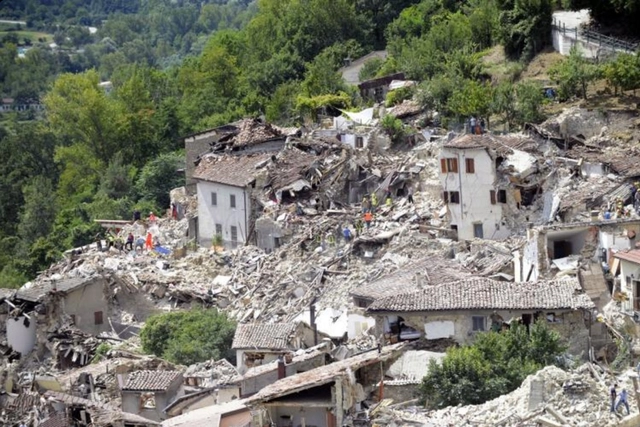
Italian Prime Minister Matteo Renzi has asked architect Renzo Piano to lead in the reconstruction of the central Italian towns devastated by last week’s magnitude 6.2 earthquake that claimed the lives of at least 290 people. Renzi announced a national action plan for recovery and risk prevention on Monday after meeting with Piano to discuss strategies for housing the over 3,000 displaced survivors and rebuilding the historic towns in a manner that would mitigate damage caused by future seismic activity.
“We have to act quickly, with the utmost urgency,” said Piano in a telephone interview with The Guardian. “Anti-seismic requirements must be inserted in the laws of the country to make our homes safe, just as it’s compulsory for a car to have brakes that work.”
After yesterday’s devastating magnitude 6.2 earthquake in central Italy, art historians fear that numerous historic Italian buildings and their contents may be permanently lost. The affected region is dotted with hilltowns containing beautiful churches, monuments and museums, many of which have been rendered completely unrecognizable.
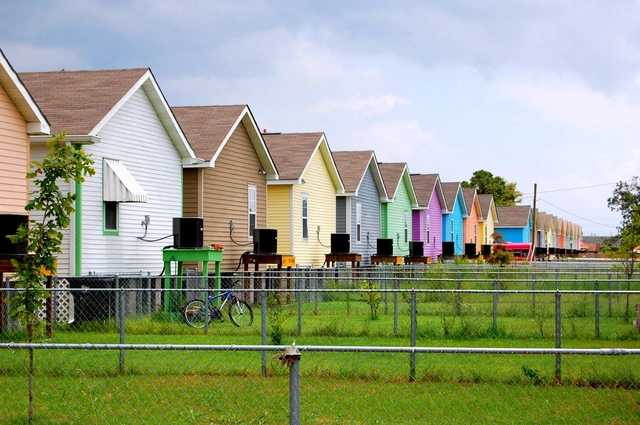
The damage caused by Hurricane Katrina in 2005 can never be forgotten, but 10 years after the rebuilding of New Orleans started in 2006, a new architecture has emerged with cutting-edge designs being widely celebrated in the media. The Make It Right foundation (founded after the disaster to help with structural recovery) commissioned first-class architects such as Morphosis, Shigeru Ban, and David Adjaye to design safe and sustainable houses for New Orleans’ Lower 9th Ward. But Richard Campanella and Cassidy Rosen worry that this vision is detached from reality.
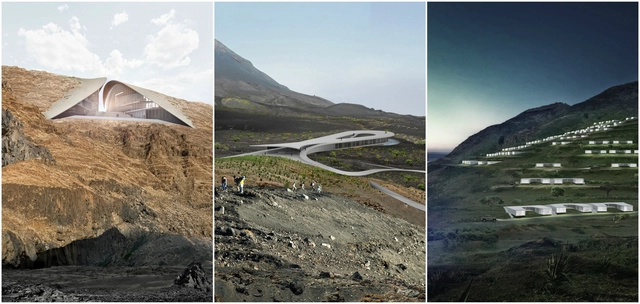
The 2016 Venice Biennale has highlighted that dealing with natural disasters may become one of the main preoccupations of architecture in the future. But nature has its destructive ways, and volcanic eruptions are among the most extreme case in point. On the Island of Fogo (Cape Verde), the Natural Park Venue designed by OTO – and elected Best Building of the Year 2015 by Archdaily readers – was destroyed by molten lava flow only one year after its opening in 2013. The building, which combined a cultural center and administrative activities, helped to activate the economy in the island’s most remote area. Following the disaster, Adrian Kasperski, a student at Krakow University, devoted his master’s thesis to the redevelopment of this area, by proposing the expansion of the existing roads and hiking trails and designing facilities to improve alternative tourism offerings.
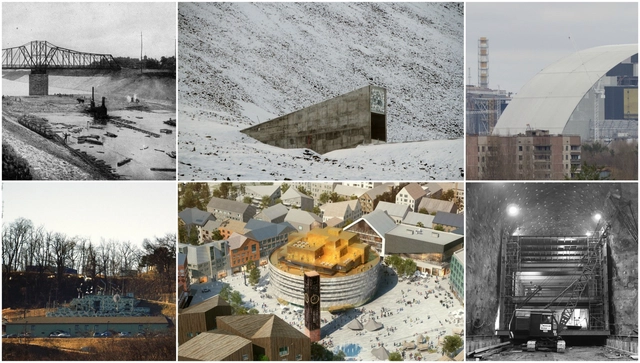
On April 26th 1986, the Chernobyl Nuclear Power Plant in the city of Pripyat in northern Ukraine suffered a catastrophic failure, resulting in a nuclear meltdown and a series of explosions which scattered radioactive material across large areas of Ukraine, Belarus and Russia. More than 50,000 people were evacuated the following day, and over the next 14 years another 300,000 people were moved, leading to an exclusion zone today measuring 2,600 square kilometers that will likely remain in place for hundreds of years. To this day, the human cost of the disaster is still unknown, with estimates that in their lifetimes, anywhere between 4,000 and 200,000 people will be affected by cancers attributable to the incident. Along with the Fukushima Nuclear Disaster of 2011, the Chernobyl Disaster is one of only two level 7 nuclear events in history.
Today, exactly 30 years later, the incident at Chernobyl remains one of the most poignant demonstrations of humanity’s mastery over its environment, and also one of the most powerful demonstrations of how easily, and how catastrophically, that mastery can go awry. But humans are if nothing else resilient, and throughout history have used every means at their disposal to put right the problems they have caused for themselves - including a number of structures constructed to mitigate the effects of man-made disasters, both from humanity’s past and its possible future.
Whether from political unrest or natural disaster, refugee crises around the world seem to fill the headlines of late. These events inspired interdisciplinary designer Abeer Seikaly’s conceptual emergency shelter, entitled “Weaving A Home,” which received a Lexus Design Award in 2013. The collapsible structural fabric shelter can adapt to various climates, while also providing the comforts of contemporary life such as heat, running water, and electricity.
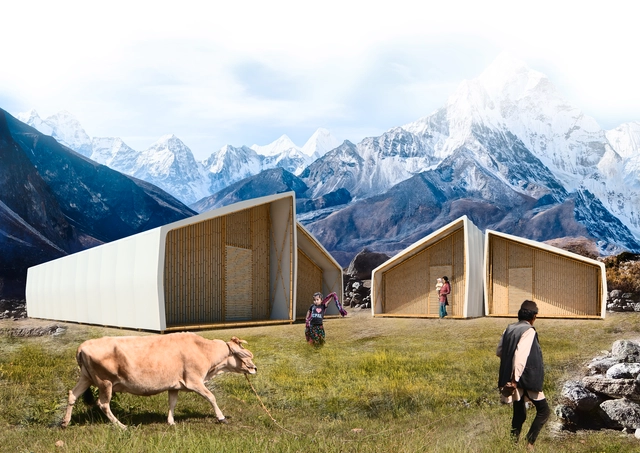
Disaster can strike a community at any minute. Following the most costly earthquake in their history in April, hundreds of thousands of Nepalese residents were rendered instantly homeless. To help these people reorganize and get back to a familiar way of life, Barberio Colella ARC has designed a temporary structure using local materials “to make a house that can be built quickly, lightweight and compactly, durably and economically.”
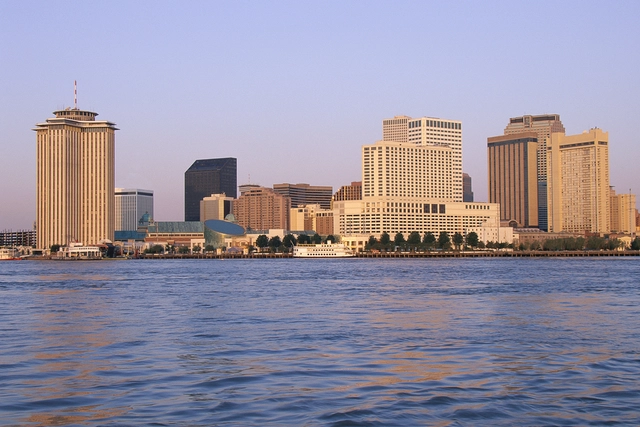
Today marks 10 years since Hurricane Katrina hit New Orleans, setting off what was among the most significant catastrophes to strike the United States in the 21st Century. New Orleans' flood defenses failed, causing the loss of over 1,400 lives and billions of dollars in property damage.
Naturally, such a disaster takes some time to recover from, for individuals but also for a city as a whole, and so for the past decade New Orleans has been a case study for cities to show them how to recover, rebuild and move on - at certain times serving as both an example of good practice and a warning of "what not to do." On the ten-year anniversary of Hurricane Katrina, here's a round-up of stories about the rebuilding of a city from around the web.
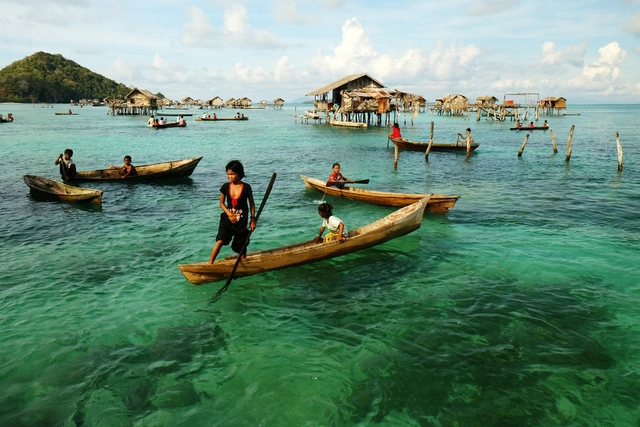
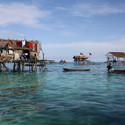
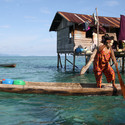
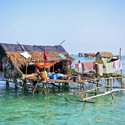
Thousands of years ago, a small civilization of hunter gatherers migrated to the coastal regions of Southeast Asia. These people progressed into a widespread tribe of travelling sea dwellers. To this day, they remain a stateless people with no nationality and no consistent infrastructure, sometimes living miles away from land. Yet these people are one of the few civilizations whose collective life practices have survived so long through human history. They are called the Badjao, and they have a surprising amount to teach us about architecture.
Following the devastating earthquake in Nepal this week, the Royal Institute of British Architects (RIBA) have teamed up with the International Federation of the Red Cross and Red Crescent Societies (IFRC) to "help to identify Nepalese nationals or others with local or regional experience to provide technical expertise." According to the RIBA, the IFRC "has already deployed approximately 100 people to support the Nepal Red Cross in search and rescue efforts, emergency health, water and sanitation, relief, shelter and inter-agency coordination as well as support services such as telecoms and logistics." They state that "given the operational constraints in the country, most agencies are wary of overloading country teams at this stage. However, the IFRC anticipates there will be a need for additional technical expertise in due course."
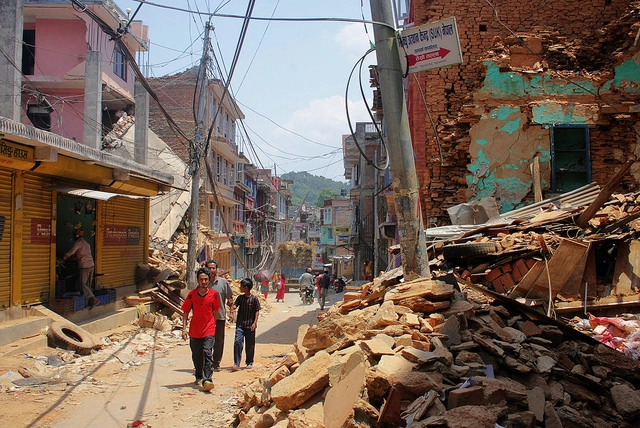
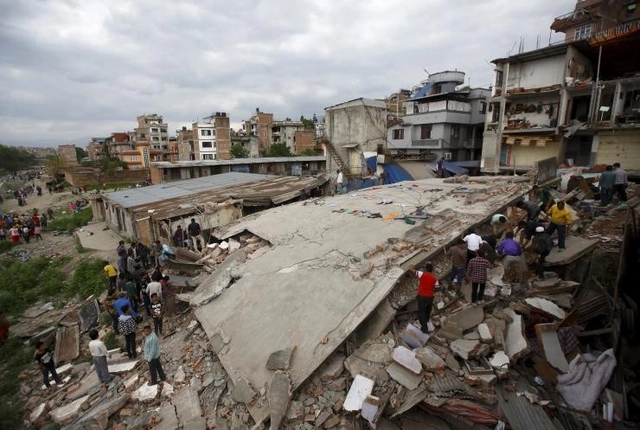
Just one of the many tragedies involved in the devastating magnitude 7.8 earthquake that struck Nepal on Saturday - which as of this morning is known to have claimed the lives of over 3,500 people - is its effect on the historic architecture of the region. Home to seven UNESCO World Heritage Sites in the affected regions of Kathmandu, Patan and Bhaktapur, news outlets from the BBC to The Washington Post are reporting extensive damage to some of the country's most significant monuments.
“An earthquake doesn’t kill people, the collapse of a building kills people.” In Arbuckle Industries’ latest interview released following their world premiere of Archiculture, architect humanitarian Shigeru Ban clearly delineates “natural” disasters as a product of mankind, rather than nature. Hear the Pritzker laureate’s thoughts on designing for minorities, disasters, and the importance of travel in the video interview above.
Collège Mixte Le Bon Berger. Image Courtesy of Architecture for Humanity
Architecture for Humanity has announced the end of their program in Haiti, effective from January 2015. The charitable organization, which has its headquarters in San Francisco, set up offices in Port-au-Prince in March 2010 in order to better help the people of Haiti after the 2010 earthquake. Through almost five years in Haiti, they have completed nearly 50 projects, including homes, medical clinics, offices, and the 13 buildings in their Haiti School Initiative. Their work has positively affected the lives of over 1 million Haitians, with their schools initiative alone providing education spaces for over 18,000 students.
Read on after the break for more on the end of Architecture for Humanity's Haiti program, and images of their completed schools
The Rockefeller Foundation has kicked off its 2014 100 Resilient Cities Challenge, which aims to help “build resilience to the social, economic, and physical challenges that cities face in an increasingly urbanized world.” Each of the 100 cities selected will receive funding to hire a Chief Resilience Officer and assistance in developing and implementing a resilience strategy.
“We can't predict the next disruption or catastrophe. But we can control how we respond to these challenges. We can adapt to the shocks and stresses of our world and transform them into opportunities for growth,” the 100 Resilient Cities' site reads. While shocks include events like earthquakes, fires and floods, stresses include high unemployment, inefficient public transportation, endemic violence or chronic food and water shortages. The Challenge aims to help cities be better prepared for these adverse events and better able to deliver basic services in both good and bad times to all members of the population.
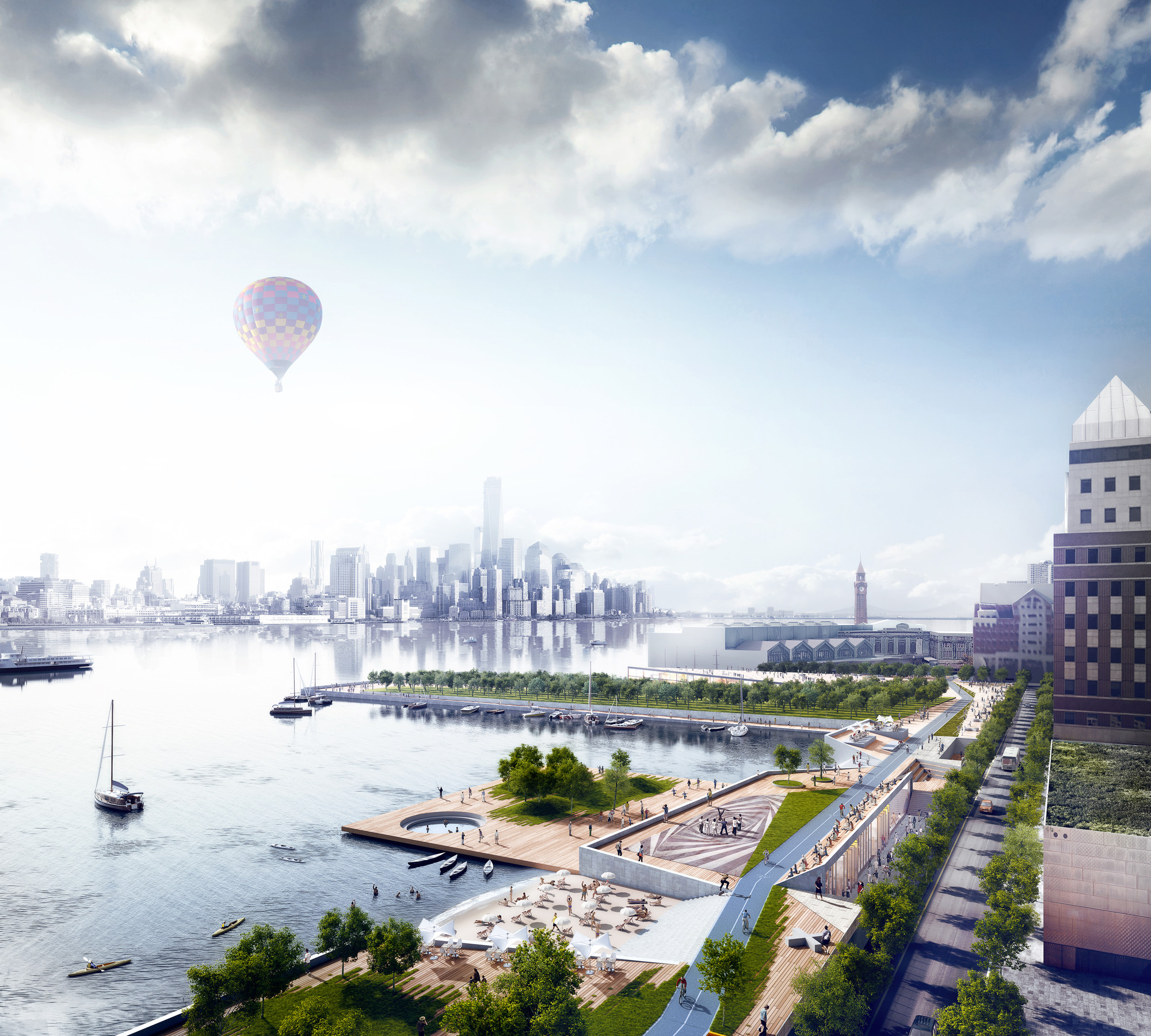
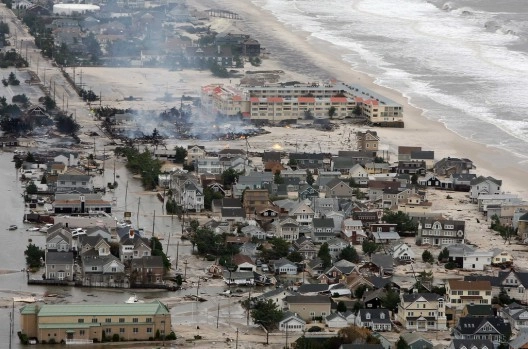
Yesterday, US Housing and Urban Development (HUD) Secretary Shaun Donovan announced OMA, BIG and four other teams as the winner of "Rebuild by Design", a competition aimed at rebuilding areas affected by Hurricane Sandy focusing on resilience, sustainability and and livability.
In total, HUD have allocated $920 million to the six projects in New York, New Jersey and Long Island to enable the completion of this vision.
Read more about the winning schemes after the break
Between Hurricane Sandy in the USA and ongoing storms and floods damaging large areas of Britain, the issues of flood prevention and coastal defense are now a top priority for planners on both sides of the Atlantic. This article in the Guardian asks whether it might be time to give in to the sea and rethink our affinity for coastal living; and this one on Architecture Boston asks to what extent society should be expected to foot the bill for those in high-risk areas, and wonders how, legally, the state could encourage people to live elsewhere.