1. ArchDaily
  2. Natural disasters

Natural disasters: The Latest Architecture and News

Rothko Chapel Closes Indefinitely After Suffering Damage During Hurricane Beryl

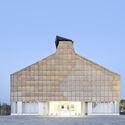
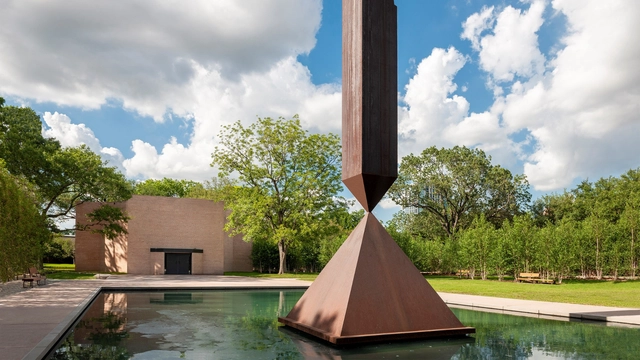
Built in 1971, the Rothko Chapel in Huston, Texas, was conceived as an intimate sanctuary for people of every belief, while in front of the chapel, Barnett Newman's sculpture "Broken Obelisk" stands in memory of Dr. Martin Luther King Jr. In 1964, Mark Rothko was commissioned by John and Dominique de Menil to create a meditative space for his site-specific paintings. Rothko’s vision clashed with that of the initial architect, Philip Johnson, over the scale and grandiosity of the building, which he felt distracted from the art. The project underwent several revisions with different architects, including Howard Barnstone and Eugene Aubry. Now officials have announced the indefinite closing of the chapel, after having sustained severe damage during Hurricane Beryl, the Category 1 storm that hit Houston on July 9.


Rothko Chapel Closes Indefinitely After Suffering Damage During Hurricane Beryl - Imagem 1 de 4Rothko Chapel Closes Indefinitely After Suffering Damage During Hurricane Beryl - Imagem 2 de 4Rothko Chapel Closes Indefinitely After Suffering Damage During Hurricane Beryl - Imagem 3 de 4Rothko Chapel Closes Indefinitely After Suffering Damage During Hurricane Beryl - Imagem 4 de 4Rothko Chapel Closes Indefinitely After Suffering Damage During Hurricane Beryl - More Images+ 1

Foster + Partners Reveals Master Plan for the Revitalization of Earthquake-Hit Region of Hatay, Türkiye

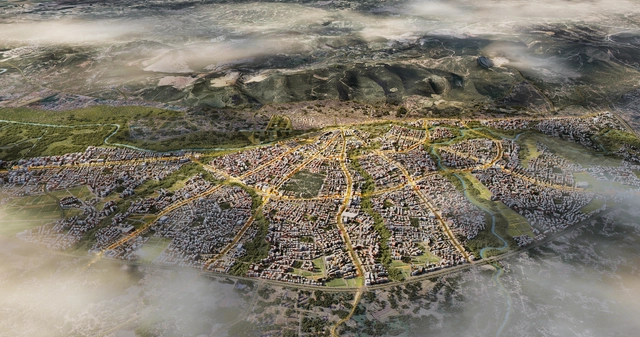
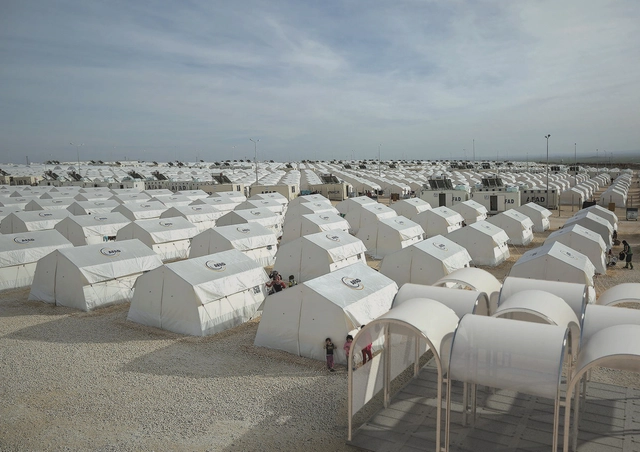
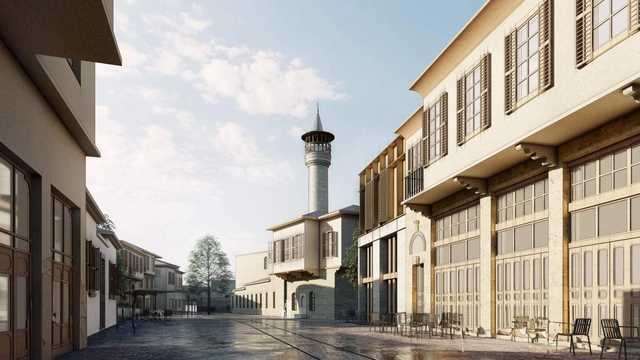
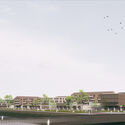
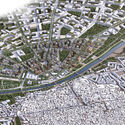
As part of a wider design-led revitalization process, Türkiye Design Council has announced a new urban plan for the revitalization of Antakya and the wider Hatay province in Türkiye, an area heavily affected by the Türkiye-Syria earthquake on 6 February 2023. The master plan has been developed by Foster + Partners, Buro Happold, MIC-HUB, along with Turkish practices DB Architects, and KEYM Urban Renewal Centre. The plan covers a 30-square-kilometer area of Antakya, the capital district of Hatay, and an important urban center of antiquity known as Antioch. Eight design principles have been outlined to guide the rebuilding efforts in an attempt to maintain the spirit of the city, which suffered extensive damages estimated at 80 percent.

Foster + Partners Reveals Master Plan for the Revitalization of Earthquake-Hit Region of Hatay, Türkiye - Image 1 of 4Foster + Partners Reveals Master Plan for the Revitalization of Earthquake-Hit Region of Hatay, Türkiye - Image 2 of 4Foster + Partners Reveals Master Plan for the Revitalization of Earthquake-Hit Region of Hatay, Türkiye - Image 3 of 4Foster + Partners Reveals Master Plan for the Revitalization of Earthquake-Hit Region of Hatay, Türkiye - Image 4 of 4Foster + Partners Reveals Master Plan for the Revitalization of Earthquake-Hit Region of Hatay, Türkiye - More Images+ 2

Designing for Disaster in an Increasingly Dangerous World

This article was originally published on Common Edge.

Developers often make it sound as though their latest LEED platinum office building will single-handedly reverse climate change. The unfortunate reality is that they could spend a lifetime designing and building all of their work to meet the highest environmental standards, but it wouldn’t fix the problem. The planet will grow hotter, the seas will rise, and storms will intensify. A century of burning fossil fuels has baked global warming into the atmosphere for our lifetime.

Designing for Disaster in an Increasingly Dangerous World - Image 1 of 4Designing for Disaster in an Increasingly Dangerous World - Image 2 of 4Designing for Disaster in an Increasingly Dangerous World - Image 3 of 4Designing for Disaster in an Increasingly Dangerous World - Image 4 of 4Designing for Disaster in an Increasingly Dangerous World - More Images+ 1

Rebuilding with 3D Printing: For Everyday.Life Designs Community-Focused Homes for ICON's Initiative99 Competition

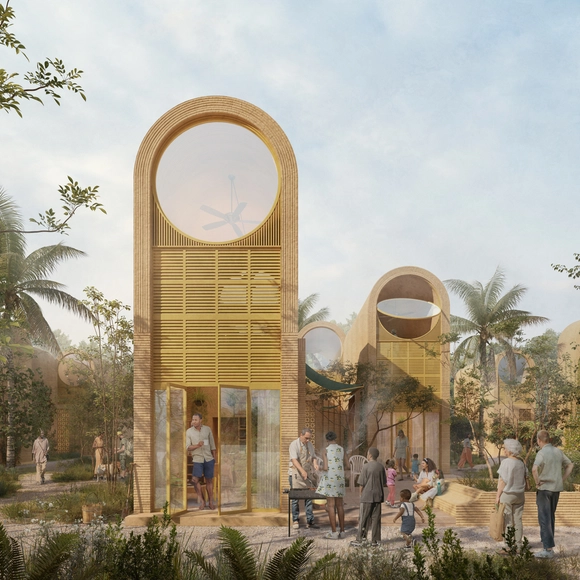
United Kingdom-based office For Everyday.Life (FEL) is one of the three selected winners for the Open Category of ICON’s Initiative 99, an open competition aiming to promote affordable home designs that can be built for under $99,000 employing ICON’s 3D printing technologies. FEL’s project, titled “Housing Salinas,” focuses on community living while applying principles of long-term sustainability, and social and environmental responsibility.

Lloyd Wright’s Historic Wayfarers Chapel Will Be Disassembled Due to Landslide Risk

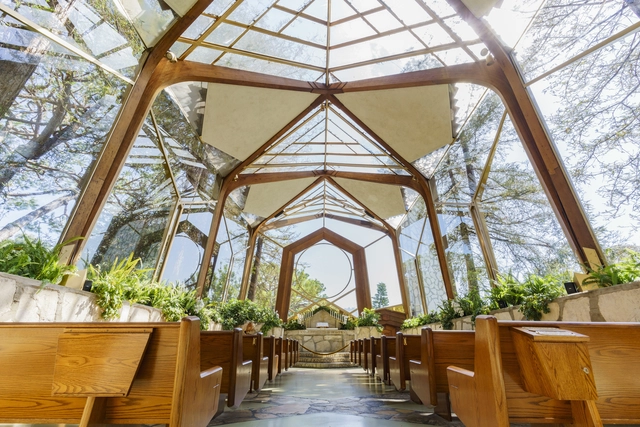
The Wayfarers Chapel, known locally as "The Glass Church," was designed by Lloyd Wright, the eldest son of architect Frank Lloyd Wright, and completed in 1951. Located in the Palos Verdes peninsula in Los Angeles, its design aimed to blend the lines between architecture and nature, with large-span glass panels opening up to space toward the redwood canopies. Last year, the structure was designated a national historic landmark. Now, due to “accelerated land movement” in the area, the structure, which has been closed off to the public since February, was announced to be disassembled to protect it from further damage.

Earth Day 2024: Urban and Architectural Strategies to Navigate the Climate Crisis

Every year, Earth Day, celebrated on April 22, presents us with an opportunity to contemplate the conditions of our planet and our impact upon it. Generating around 37% of global carbon emissions, the construction industry has an important, often detrimental, role to play, thus placing an increasingly urgent responsibility on architects and builders to devise strategies for reducing this number. Still, the built environment represents the habitat for most of humanity, and so it has the potential to protect and shelter people from the risks posed by the changing climate. Read on to discover a collection of articles delving into the strategies available at urban and architectural scales for mitigating the effects of climate change and minimizing the industry’s impact upon it.

Earth Day 2024: Urban and Architectural Strategies to Navigate the Climate Crisis - Image 1 of 4Earth Day 2024: Urban and Architectural Strategies to Navigate the Climate Crisis - Image 2 of 4Earth Day 2024: Urban and Architectural Strategies to Navigate the Climate Crisis - Image 3 of 4Earth Day 2024: Urban and Architectural Strategies to Navigate the Climate Crisis - Image 4 of 4Earth Day 2024: Urban and Architectural Strategies to Navigate the Climate Crisis - More Images+ 15

Fire Destroys Copenhagen’s 17th Century Stock Exchange, Causing the Collapse of Its Spire

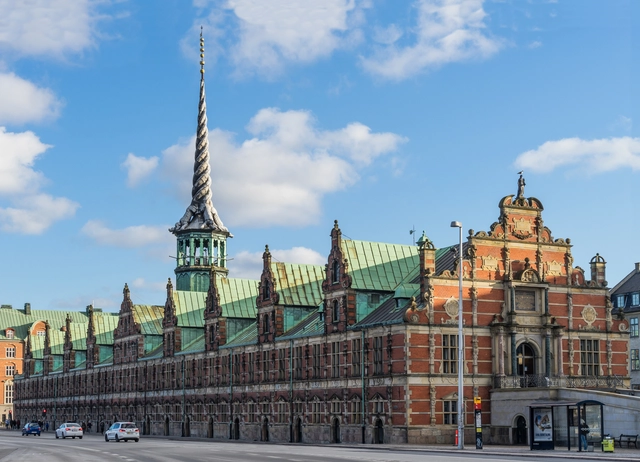
In the early morning of April 16, a fire broke out in the capital of Denmark, engulfing Copenhagen’s Old Stock Exchange, one of the oldest landmarks in the city. In the fire, the 56-meter-tall Dragon Spire, shaped as the tails of four entwined dragons, collapsed. In just a few hours after the fire begun, half of the 17th century Børsen building was destroyed according to authorities. The structure was undergoing renovation works at the time of the event. Emergency workers, staff members and passers-by collaborated to rescue the historic artworks housed in the former stock exchange.

Earthquake Hits Taiwan: How Strict Building Codes Averted a Larger Disaster

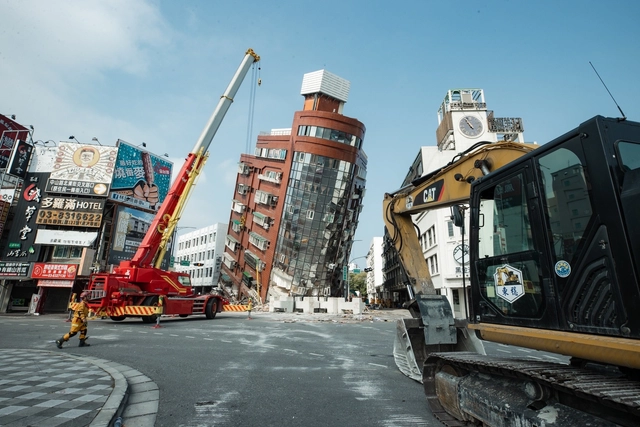
On April 3, Taiwan was hit by a 7.4 magnitude earthquake, the strongest one in 25 years. According to the latest reports, nine people have been killed, and at least 900 others have been injured by damaged buildings and landslides on the island. The seism was centered off the eastern coast of Hualien County, severely damaging buildings, some leaning at severe angles. However, the country’s strict building codes, developed in the past two decades in response to the area’s intense seismic activity, have prevented even more extensive damage and loss of life.

Building Resilience: A Closer Look at 2023's Response to Disaster Challenges

As we reflect on the tumultuous events of 2023, it becomes evident that the challenges posed by changing environmental conditions have left an indelible mark on communities worldwide. In response, architects and urban planners have set out, searching for the ways in which their actions can help create safer environments for communities worldwide, responding with both fast-to-deploy emergency architectures and long-term strategies to build resilience and mitigate risks.

Beyond merely responding to events like the devastating earthquakes in Turkey, Syria, and Morocco, or the widespread flooding in Libya or Pakistan, professionals are attempting to take proactive approaches, developing strategies that extend from predictive modeling to the application of re-naturalizing techniques or the ongoing research into the physics of safer and resilient structures.

Building Resilience: A Closer Look at 2023's Response to Disaster Challenges - Image 1 of 4Building Resilience: A Closer Look at 2023's Response to Disaster Challenges - Image 2 of 4Building Resilience: A Closer Look at 2023's Response to Disaster Challenges - Image 3 of 4Building Resilience: A Closer Look at 2023's Response to Disaster Challenges - Image 4 of 4Building Resilience: A Closer Look at 2023's Response to Disaster Challenges - More Images+ 15

How Madagascar Is Confronting Climate Change

This article was originally published on Common Edge.

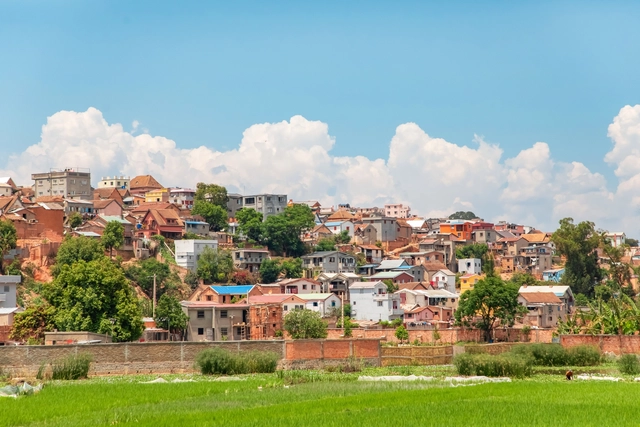
Madagascar is an island nation off the southeast coast of Africa that, despite its lush vegetation and unique flora and fauna, grapples with formidable environmental challenges, from rising sea levels to the excessive exploitation of natural resources. Joan Razafimaharo is an architect deeply involved in sustainability, climate change, and adaptation efforts in Madagascar and the broader Indian Ocean region. Razafimaharo is also one of only about sixty architects in the country, serving a population of 28 million.

Recently I spoke to her about environmental activism in the face of climate change, curbing the exploitation of natural resources, the role of architects in resource-scarce societies, and empowering women in isolated areas. The interview, originally conducted in French, has been translated and edited for length and clarity.

How Madagascar Is Confronting Climate Change - 1 的图像 4How Madagascar Is Confronting Climate Change - 2 的图像 4How Madagascar Is Confronting Climate Change - 3 的图像 4How Madagascar Is Confronting Climate Change - 4 的图像 4How Madagascar Is Confronting Climate Change - More Images

Navigating COP28: Key Takeaways for Architects from the Dubai Summit

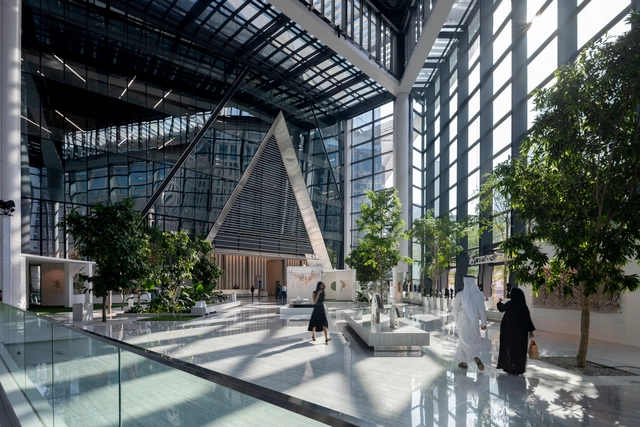
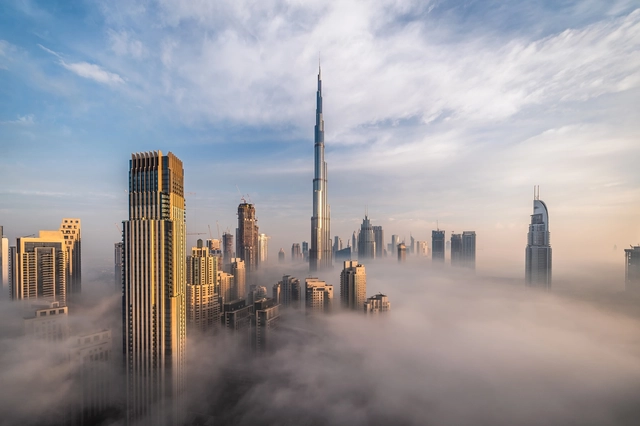
COP28, or the 2023 United Nations Conference of the Parties, was held in Dubai between November 30 and December 13. The annual meeting gathers representatives from 198 countries, as well as industry leaders to discuss and establish strategies to limit the extent of climate change and its adverse effects. The ultimate goal of these meetings is to find ways to limit the global temperature rise below 1.5 degrees Celsius compared to pre-industrial times. At the moment, the global temperature rise is already at 1.2 degrees Celsius. As the construction industry at large accounts for 39% of global emissions, architects and planners have a shared interest in the results of thee international summit, Read on to discover some of the key takeaways of COP28.

Navigating COP28: Key Takeaways for Architects from the Dubai Summit - Imagen 1 de 4Navigating COP28: Key Takeaways for Architects from the Dubai Summit - Imagen 2 de 4Navigating COP28: Key Takeaways for Architects from the Dubai Summit - Imagen 3 de 4Navigating COP28: Key Takeaways for Architects from the Dubai Summit - Imagen 4 de 4Navigating COP28: Key Takeaways for Architects from the Dubai Summit - More Images+ 5

Decarbonization and Regional Solutions: The Main Architecture-Related Themes to Look Out for at COP28

On November 30, 2023, the UN COP28 climate summit begins in Dubai, the United Arab Emirates. The name stands for the Conference of the Parties under the UNFCCC, and symbolizes the annual meeting of world governments for the purpose of establishing strategies to limit the extent of climate change and its adverse effects. Last year’s summit concluded with several important measures, including the promise of a global fund aimed at providing financial aid to developing countries affected by climate disasters.

The main purpose of COP is to reinforce the commitments of the Paris Agreement, signed in 2015, which strives to keep the global temperature rise under 1.5C degrees. As the construction industry accounts for 39% of global emissions, architecture plays an important role in helping to lower our carbon footprint, making COP28 a crucial event for architects.

Decarbonization and Regional Solutions: The Main Architecture-Related Themes to Look Out for at COP28 - Image 1 of 4Decarbonization and Regional Solutions: The Main Architecture-Related Themes to Look Out for at COP28 - Image 2 of 4Decarbonization and Regional Solutions: The Main Architecture-Related Themes to Look Out for at COP28 - Image 3 of 4Decarbonization and Regional Solutions: The Main Architecture-Related Themes to Look Out for at COP28 - Image 4 of 4Decarbonization and Regional Solutions: The Main Architecture-Related Themes to Look Out for at COP28 - More Images+ 1

The Role of Biomimicry in Disaster-Resilient Architecture

Subscriber Access | 

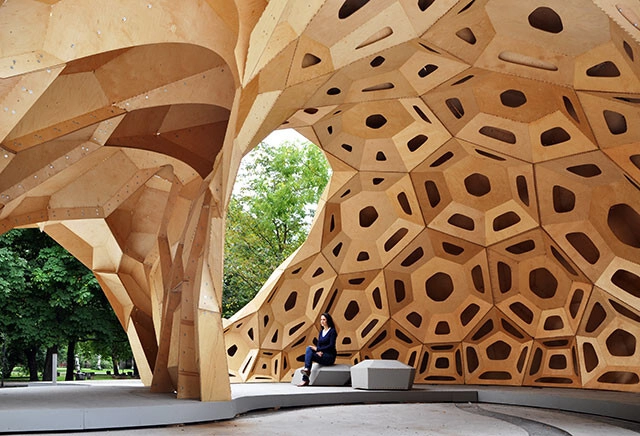
The terms resiliency and sustainability, although similar in meaning, refer to different design approaches in the context of architecture and cities. Sustainability involves the preservation of natural resources to uphold ecological equilibrium, while resiliency entails the ability to rebound, adapt, and persist in moments of adversity. These concepts greatly influence and complement each other, especially in cases of designing disaster-resilient buildings. Conventional design processes relating to resilient infrastructure have been based on principles of structural robustness and integrity as a measure against anticipated natural disasters. However, sustainable resiliency points at the opportunity of reinforcing buildings by embedding them in biological and ecological systems.

The Role of Biomimicry in Disaster-Resilient Architecture - 1 的图像 4The Role of Biomimicry in Disaster-Resilient Architecture - 2 的图像 4The Role of Biomimicry in Disaster-Resilient Architecture - 3 的图像 4The Role of Biomimicry in Disaster-Resilient Architecture - 4 的图像 4The Role of Biomimicry in Disaster-Resilient Architecture - More Images+ 1

Foster + Partners and BIG Selected to Revitalize Türkiye’s Hatay Province After the Earthquake

The Türkiye Design Council (TDC) has gathered 13 design practices, including Foster + Partners and Bjarke Ingels Group, to contribute to the revitalization of the historic province of Hatay, an area severely damaged by the 7.8 magnitude earthquake in February this year. Foster + Partners has been selected to lead the design and planning of the new master plan for the city of Antakya, known to antiquity as Antioch, while several other offices including Turkish practices DB Architects and KEYM (Urban Renewal Center) will work together to create a vision for the rebuilding of the city. The master plan is expected to be revealed in its entirety in 2024.

Foster + Partners and BIG Selected to Revitalize Türkiye’s Hatay Province After the Earthquake  - Imagem 1 de 4Foster + Partners and BIG Selected to Revitalize Türkiye’s Hatay Province After the Earthquake  - Imagem 2 de 4Foster + Partners and BIG Selected to Revitalize Türkiye’s Hatay Province After the Earthquake  - Imagem 3 de 4Foster + Partners and BIG Selected to Revitalize Türkiye’s Hatay Province After the Earthquake  - Imagem 4 de 4Foster + Partners and BIG Selected to Revitalize Türkiye’s Hatay Province After the Earthquake  - More Images+ 1

“We Have to Change the Whole Definition of the Architect”: Yasmeen Lari in Louisiana Channel Interview

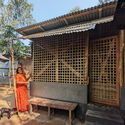
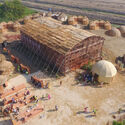
In this Louisiana Channel interview with Yasmeen Lari, the renowned Pakistani architect speaks about the role of architects and the needed perspective shifts of the industry in contemporary times. Awarded the RIBA Royal Gold Medal in 2023 for her humanitarian efforts, Lari emphasizes the need to rethink the architecture industry to address social disparities and resource deficiencies. In the interview, the architect and designer reflects on her upbringing, architectural education, and her practice today.

“We Have to Change the Whole Definition of the Architect”: Yasmeen Lari in Louisiana Channel Interview - Image 1 of 4“We Have to Change the Whole Definition of the Architect”: Yasmeen Lari in Louisiana Channel Interview - Image 2 of 4“We Have to Change the Whole Definition of the Architect”: Yasmeen Lari in Louisiana Channel Interview - Image 3 of 4“We Have to Change the Whole Definition of the Architect”: Yasmeen Lari in Louisiana Channel Interview - Image 4 of 4“We Have to Change the Whole Definition of the Architect”: Yasmeen Lari in Louisiana Channel Interview - More Images+ 2

How Can Cities Create Resilience in the Face of Natural Disasters

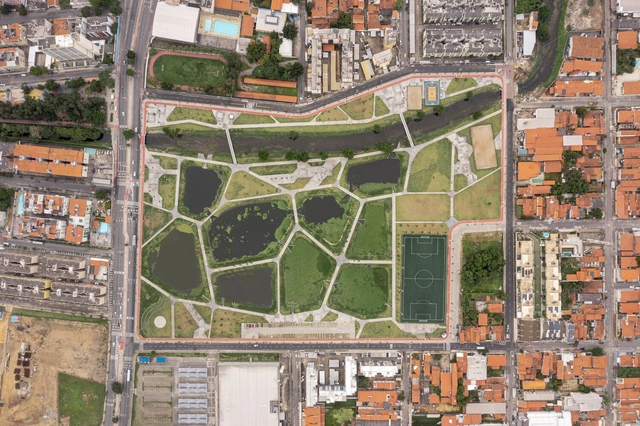
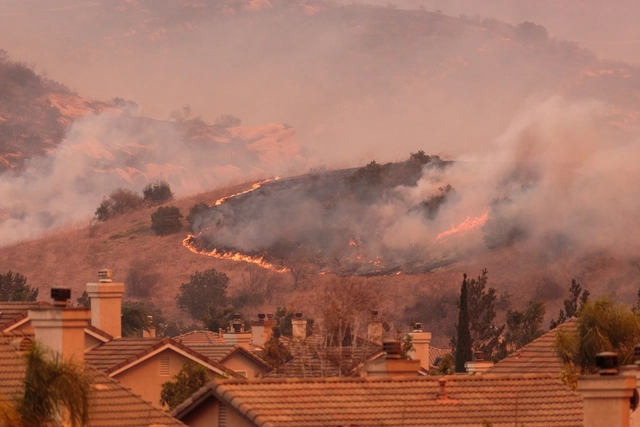
As the world grapples with the effects of climate change, natural disasters like flooding, and the spread of incontrollable wildfires are increasingly threatening cities and inhabitants. While architecture and urban planning cannot prevent these occurrences, they still possess strategies to minimize the damage associated with these events and help protect the citizens. Unfortunate events over the course of last year, like the earthquake that hit central Turkey and north-west Syria this February or the more recent earthquake in western Afghanistan, the flooding and dam failures in Libya, and the wildfires that devastated the city of Lahaina, Hawaii, demonstrate the urgency of implementing preventative and mitigation measures in addition to creating procedures for emergency intervention. This article explores the strategies and resources available to architects and urban planners to address these challenges in three types of natural disasters: flooding, wildfires, and earthquakes.

How Can Cities Create Resilience in the Face of Natural Disasters - Image 1 of 4How Can Cities Create Resilience in the Face of Natural Disasters - Image 2 of 4How Can Cities Create Resilience in the Face of Natural Disasters - Image 3 of 4How Can Cities Create Resilience in the Face of Natural Disasters - Image 4 of 4How Can Cities Create Resilience in the Face of Natural Disasters - More Images+ 11

"We Have Abdicated as a Profession Our Responsibility Towards the Planet:" In Conversation with Yasmeen Lari

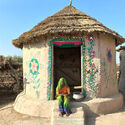
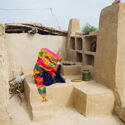
While attending the 2023 UIA World Congress of Architecture in Copenhagen, ArchDaily had the chance to discuss with Yasmeen Lari, Pakistan’s first female architect and the winner of the 2023 RIBA Royal Gold Medal for Architecture. Yasmeen Lari gained international recognition for her heritage conservation and humanitarian activism efforts, demonstrating the possibilities of practicing architecture within disadvantaged communities. Her innovative and socially conscious approach, a concept known as ‘barefoot social architecture,’ has had a significant impact both in her home country and internationally. By designing for resilient communities, her work also aligns with the intentions behind the UIA World Congress of Architects and the ways in which architecture can contribute to the 17 UN Sustainable Development Goals (SDGs).

"We Have Abdicated as a Profession Our Responsibility Towards the Planet:" In Conversation with Yasmeen Lari - Imagem 1 de 4"We Have Abdicated as a Profession Our Responsibility Towards the Planet:" In Conversation with Yasmeen Lari - Imagem 2 de 4"We Have Abdicated as a Profession Our Responsibility Towards the Planet:" In Conversation with Yasmeen Lari - Imagem 3 de 4"We Have Abdicated as a Profession Our Responsibility Towards the Planet:" In Conversation with Yasmeen Lari - Imagem 4 de 4We Have Abdicated as a Profession Our Responsibility Towards the Planet: In Conversation with Yasmeen Lari - More Images+ 4

Dam Failures Create Devastating Floods in the Port City of Derna, Libya

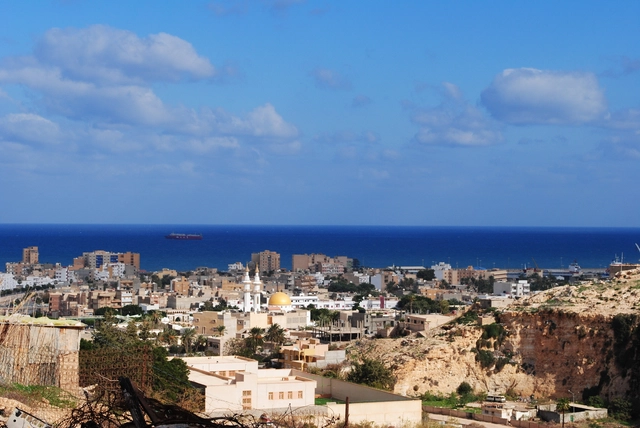
Within the span of a week, two natural disasters hit North African nations. On Monday, 11 September, just days after a major earthquake hit Morocco's High Atlas Mountains, Storm Daniel made landfall in Northwest Libya, leading to the collapse of two dams, which released torrents of mud and water into the country’s coastline, killing thousands and destroying large parts of the port city of Derna, as well as other cities and villages such as Benghazi, Bayda, and al-Marj. The scale of the disaster is still being assessed, with more than 10,000 residents still missing and thousands more displaced. Entire neighborhoods of Derna, a city traversed by the flooded Wadi Derna River, have been swept away.