This week's stories explore how architecture engages with questions of culture, access, and collective life, from new cultural institutions and exhibitions to public spaces and housing. This week, the 2026 NCARB by the Numbers report provided a broader perspective on the profession itself, showing that people of color accounted for 49% of licensure candidates in 2025 and women for 47%, compared with 21% and 28% among the overall architect population. The report offers one perspective on access within the profession, while projects and cultural initiatives further examine how architecture responds to different forms of public and collective life.
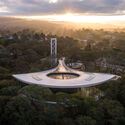
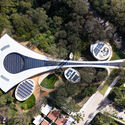
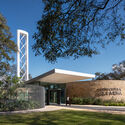
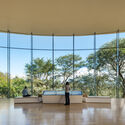
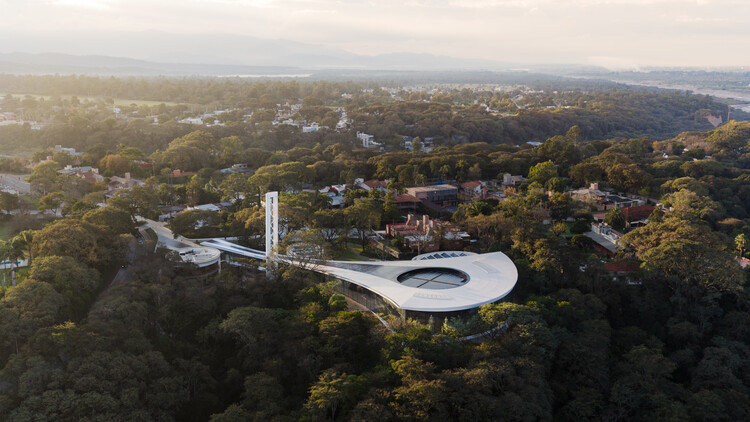
Pelli Clarke & Partners has completed the Lola Mora Cultural Center in San Salvador de Jujuy, Argentina, a new cultural institution dedicated to the life and work of Argentine sculptor Lola Mora (1866-1936). Located in the country's northwestern region, the project is the firm's first cultural building in South America and the final project led by its founder, the late César Pelli. Designed as a net-zero facility, the center brings together six of Mora's monumental marble sculptures for the first time in more than a century, providing a permanent home for works that were previously displayed outdoors in Jujuy.
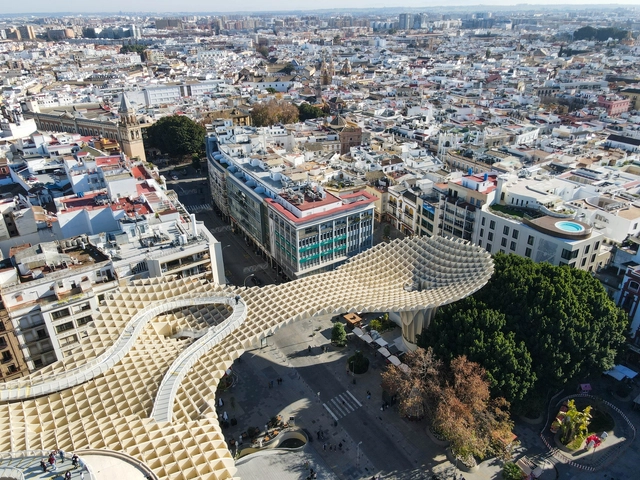
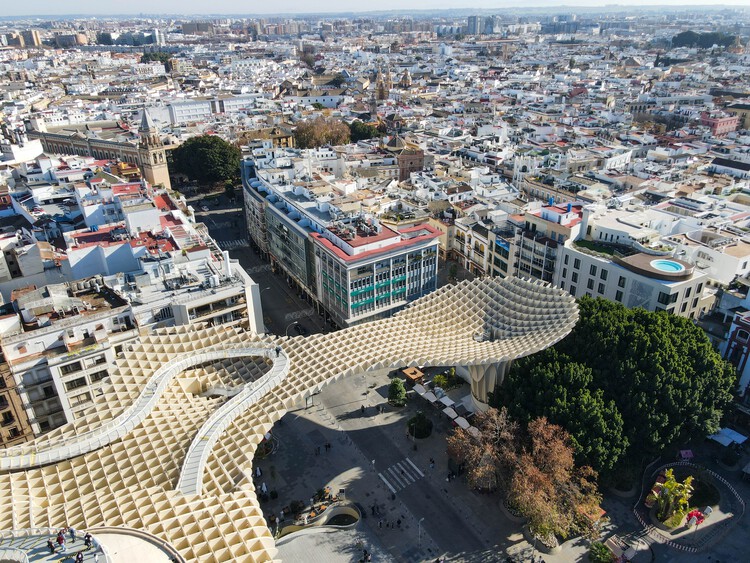
Located in southern Spain, Seville unfolds as a layered city shaped by centuries of cultural intersections. As the former capital of Al-Andalus and a central port during the Spanish Empire's expansion, its built environment reflects a deep historical complexity. From Roman foundations to Islamic geometries, from Renaissance palaces to contemporary interventions, Seville presents a unique spatial narrative in which architecture directly reflects its political, religious, and social transformations.
The city's architectural heritage is inseparable from its climate and geography. Narrow shaded streets, inner courtyards, and water as spatial elements reveal a deep knowledge of environmental adaptation that still informs how public and private spaces are articulated today. While monumental landmarks such as the Alcázar, the Giralda, or the Cathedral preserve and reinterpret historic legacies, modern projects have begun introducing new materials, programs, and spatial typologies, challenging conventional forms and proposing alternative ways to inhabit the city.
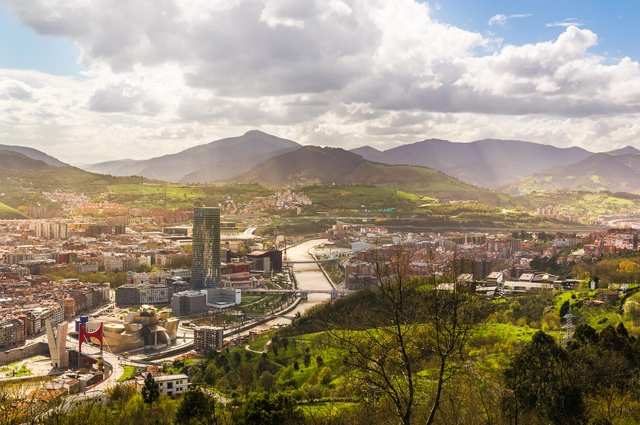
Bilbao, the largest city in Spain's Basque Country, has undergone a remarkable transformation over the past few decades. Once an industrial hub, the city has redefined itself as a center for culture, innovation, and urban regeneration. This evolution has been partly driven by architecture, which plays a central role in shaping Bilbao's identity. From contemporary landmarks to thoughtfully repurposed spaces, the city's built environment reflects a careful balance between honoring its industrial heritage and embracing modernity.
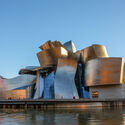
The turning point in Bilbao's architectural narrative came with the inauguration of the Guggenheim Museum Bilbao in 1997. Designed by Gehry Partners, this iconic structure catalyzed the city's renewal, sparking a wave of urban and cultural investments. This transformation became known as the "Bilbao effect," a phenomenon where a single, significant architectural project triggers wider urban regeneration and economic growth. Today, Bilbao is a dynamic architectural landscape, where works by international figures like Santiago Calatrava, Norman Foster, and Arata Isozaki coexist with projects by local studios such as ACXT and Coll-Barreu Arquitectos. Together, these interventions illustrate how architecture can be a powerful social, economic, and cultural revitalization tool.
Boston architect Brian Healy moved around for his early career, before settling and building in New England. He had studios in Florida, California, and New York, eventually opening his office in Boston. Healy acquired his bachelor’s degree in architecture at the Pennsylvania State University in 1978 and continued his studies at Yale where he encountered such influential professors as James Stirling, Vincent Scully, John Hejduk, Aldo Rossi, and Cesar Pelli, among others.
Healy graduated with a Master of Architecture in 1981 and then used traveling scholarship money from Yale, the Van Allen Institute, and the American Academy in Rome to travel around the world for a year, exploring ancient ruins in Ireland, Italy, Greece, Sudan, Egypt, India, Nepal, and Thailand. Prior to the trip, he had worked at the offices of Charles Moore and Cesar Pelli. Upon his return, he designed and built homes in Florida before working for Richard Meier in New York. In 1985, he started Brian Healy Architects. Parallel to that he taught at over twenty universities across North America, including Yale, Harvard, MIT, and the University of Pennsylvania. Healy was the 2004 president of the Boston Society of Architects and, from 2011-2014 he served as Design Director at Perkins + Will.
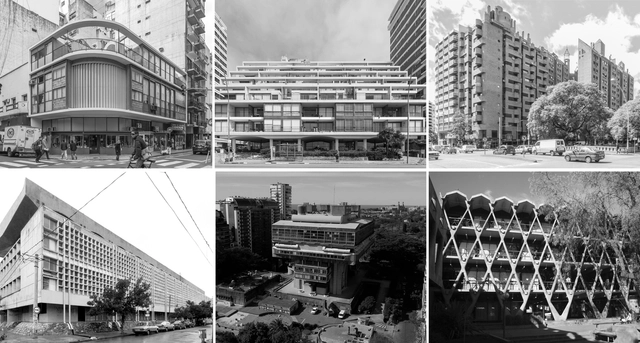
1. Casa de Estudios para Artistas / Antonio Bonet. 2. Terrace Palace / Antonio Bonet, Roberto Luna, Raúl Fernández y Alejandro Zamudio. 3. La Obra Urbana de Togo Díaz / José Ignacio Díaz. 4. Colegio Manuel Belgrano / Bidinost+Chute+Gasó+Lapacó+Meyer. 5. Biblioteca Nacional Mariano Moreno / Testa, Bullrich y Cazzaniga. 6. Facultad de Arquitectura de Mendoza / Enrico Tedeschi. Image
Within South America, different dates have been established to pay tribute to and honour the career, life and work of architecture professionals. While in Uruguay it is celebrated every 27th of November in relation to the creation of the first Faculty of Architecture, in Brazil every 15th of December in homage to the birth of Oscar Niemeyer or in Chile every 4th of August for the founding of the College of Architects, the Argentine Federation of Architects' Associations (FADEA) kept the 1st of July to commemorate the Day of the Argentinean Architect, respecting the establishment of the International Day of Architecture, established by the International Union of Architects (UIA) in 1985.
Globalization and its pension for both virtual and physical connectivity has led to the linking of the world's economies, territories, and cultures and nowhere is this more evident than in the field of architecture.
In the last decade, Miami has progressively transformed into a mecca of architecture and design. While the city’s tropical persona is most often associated with Art Deco, Miami offers a wide range of architectural styles from Mediterranean Revival to Miami Modern and everything in between. Over the years, the city has welcomed a some of the world’s leading talent including Pritzker Prize winners like “Queen of the Curves” Zaha Hadid, French visionary Jean Nouvel, Swiss duo Herzog & de Meuron, Frank Gehry and more – who have all left a lasting impression on Miami through their work. Whether visiting Miami Beach’s Art Deco district or the quaint, village-like Coconut Grove neighborhood, visitors can discover an array of awe-inspiring architecture no matter where their travels take them.
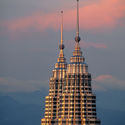
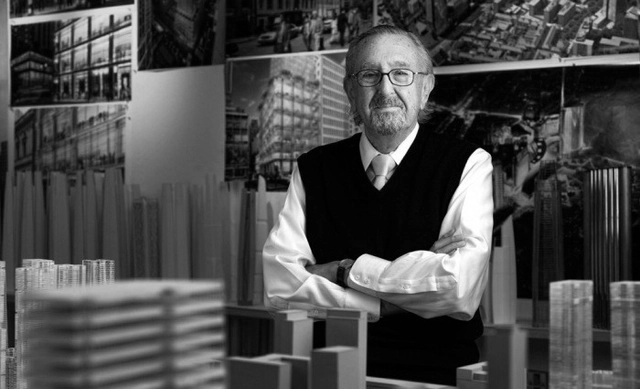
Cities’ greatness should be judged by whether they have succeeded in accumulating extraordinary works of architecture. They can be fantastic for their food, music, or lifestyle overall, but if there is no architecture, they are hard to grasp, they are not anchored, not grounded, not memorable… not real, in a way. Maybe I am a maximalist but there are a number of cities that I visited with just one goal in mind – to see a single extraordinary building. For the record, these cities are Fort Worth, Bilbao, Valencia, San Sebastian, Guangzhou, Sydney, and Kuala Lumpur, among others. The last one on this list has acquired its instantly recognizable image in 1996, when the 88-story Petronas Twin Towers have risen high above it. These unique buildings remained the world’s tallest until 2004. This iconic structure was designed by Argentine-American architect César Pelli who passed away last week at the age of 92.
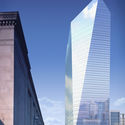
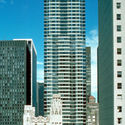
Argentine-American architect César Pelli, known for designing some of the tallest buildings in the world, such as the Petronas Towers in Kuala Lumpur, the Torre de Cristal in Madrid, and the Costanera Center Building in Santiago de Chile, died today at the age of 92 years, according to Juan Manzurel, governor of the province of Tucumán.
https://www.archdaily.com/921522/cesar-pelli-dies-aged-92Niall Patrick Walsh
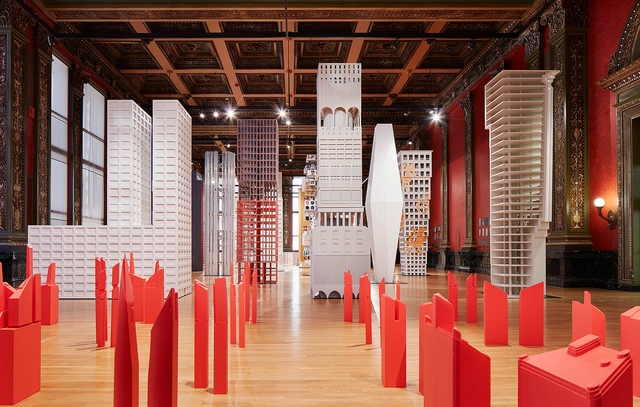
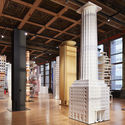
This article was originally published on the blog of the Chicago Architecture Biennial, the largest platform for contemporary architecture in North America. The 2017 Biennial, entitled Make New History, will be free and open to the public between September 16, 2017 and January 6, 2018.
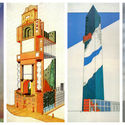
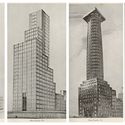
The Tribune Tower has stood at the heart of Chicago’s cultural heritage for almost a hundred years. Like the spire of a secular cathedral, it still symbolizes the rise of the “city of big shoulders” and its defining role in the American Century. But the building is more than a Chicago icon. The story of its origin has proved to be one of the most enduringly influential narratives in 20th Century architecture, key to understanding the skylines of cities all over the world.
Madrid is unfathomable. If the city itself is immense, it´s examples of interesting architecture are overwhelming. For over a half a century, Madrid has been an experimental laboratory for modern and contemporary architecture in Spain. With numerous examples of innovative and experimental architecture, as well as many failures, few of which are valued and recognized. This selection seeks to show archetypal examples of architecture that have transcended time; it does not intend to be an exhaustive list of the city´s architectural works. Many will think that the list lacks important buildings and personally, I couldn´t agree more. That is perhaps the beauty of Madrid: there is a diversity of opinion, there are thousands of sites to see, the city surprises you with every step you take.
In all but the most optimistic architect's career, there will be moments you come across doubts and insecurities about our profession. It is in these moments where the wisdom of the greats who have come before us can help provoke the inspiration needed to face the challenges proposed by architecture and urbanism.
What did Pritzker Prize winner Frank Gehry get when he designed the Stata Center, an exuberantly whimsical academic complex for MIT? A very large check, plus a major lawsuit, alleging negligence and breach of contract due to rampant leaks, mold, cracks, drainage problems and sliding ice. Sometimes the most inspired designs can go awry. And when they do, some clients lawyer up. Here are 9 fascinating examples.
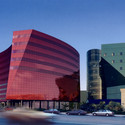
In this wide-ranging video, drone videographer Ian Wood captures the diversity of the built environment in Los Angeles, featuring architectural gems on equal footing with freeways and freight trains. The buildings and locations featured in the video span over a century of architectural history in LA, and cover the region’s vast geography, including such icons as Frank Lloyd Wright’s Hollyhock House, Cesar Pelli’s Pacific Design Center, Eric Owen Moss’ Stealth building, and Morphosis’ recently completed Emerson College Los Angeles.
But what truly sets this video apart is how it highlights the many murals spread throughout the city. Often utilizing otherwise blank facades facing parking lots and alleys, these murals are nonetheless an integral part of LA’s urban fabric, as illustrated in this video. Sadly though, as Wood notes on the video description, there were many more murals that vanished before he was able to get them on video.
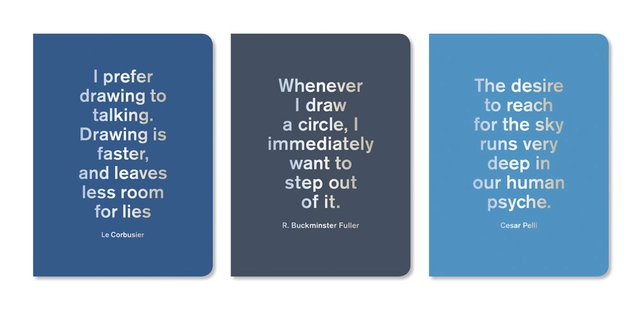
"Form ever follows function." "Less is more." Architects have long been providing us with inspirational quips and reflections on our profession. And now, thanks to our friends at Princeton Architectural Press, you can win a set a notebooks that feature the compelling words of Le Corbusier, R. Buckminster Fuller, and Cesar Pelli. The gold-stamped, gridded notebooks are a companion to Laura Dushkes' best-selling book The Architect Says.
Read on to find out how you can win a set of The Architect Says Notebooks!
https://www.archdaily.com/769835/giveaway-the-architect-says-notebooksAD Editorial Team
With the help from a few of our readers, our Architecture City Guide headed to Charlotte this week. By American standards Charlotte is an old city, but it has undergone a huge transformation in the last few decades with the influx of banking headquarters. It is now the second largest banking center in the United State and this is partly reflected in its growing skyline. We, with the help of our readers, have put together a list of 12 buildings worth seeing. There are plenty more that could have made the list so please add your favorites to the comment section below.











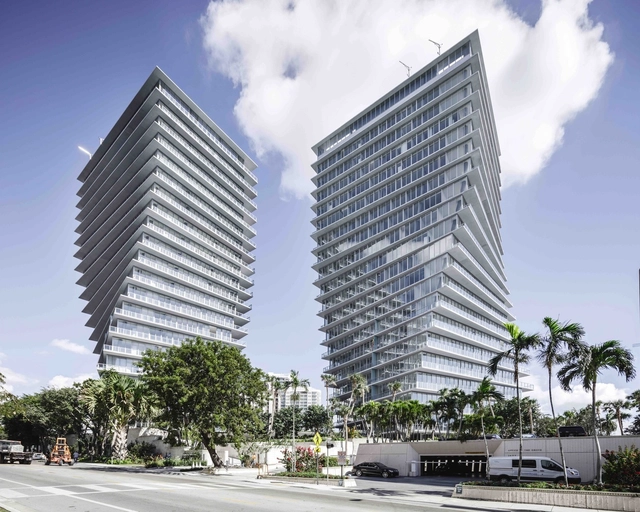
_HI_RES_(5)_copy.jpg?1565259186 "© Robin Hill. ImagePark Grove / OMA | Shohei Shigematsu")


.jpg?1565259275 "Courtesy of Herzog & de Meuron. Image1111 Lincoln Road / Herzog & de Meuron")

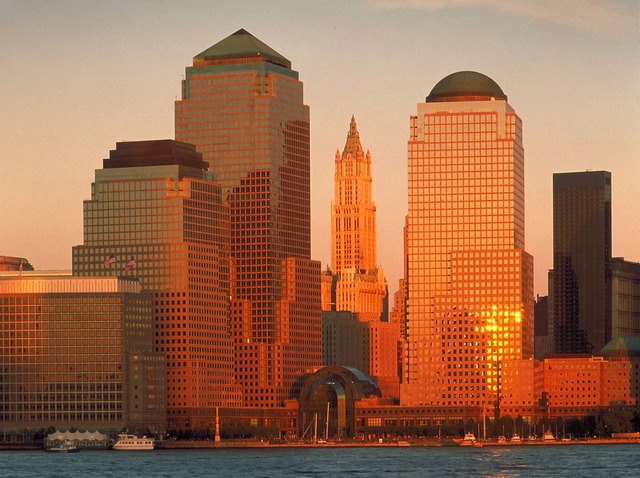








.jpg?1494051634)