

-
Architects: Various Associates
- Area: 18000 m²
- Year: 2024
For nearly the past two decades, cities around the world embraced "starchitecture"—futuristic, eye-catching buildings designed by globally renowned architects. In China, this trend was particularly pronounced as rapid urbanization fueled the construction of iconic megastructures like Zaha Hadid's Galaxy SOHO, OMA's CCTV Headquarters, and Herzog & de Meuron's Bird's Nest Stadium in Beijing. At the time of their construction, these were all celebrated as symbols of progress and global ambition. However, architecture worldwide has begun shifting toward a more context-driven, human-centered approach, with China emerging as one of the key contributors to this transformation. This year, Liu Jia Kun's 2025 Pritzker Prize further underscores that shift.
The world watches China's development with a mix of admiration, curiosity, and apprehension. From massive infrastructure projects—such as hydroelectric plants and a modern high-speed rail network—to the emergence of entire cities built from scratch, the country showcases an ambitious growth strategy and an impressive capacity for execution. However, this rapid progress also brings significant challenges and stark contrasts. On one hand, modernity asserts itself in futuristic skyscrapers and cutting-edge technology; on the other, there remains a pressing need to preserve the country's rich cultural and historical heritage, reflected in ancient temples, imperial palaces, and historic cities.
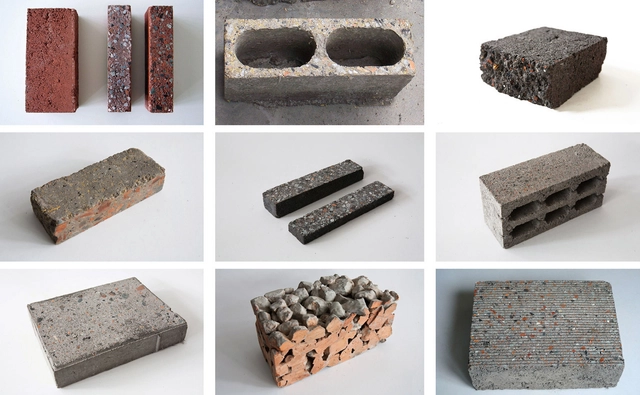
Rapid urban growth has also introduced issues such as overcrowding, environmental pollution, increasing social inequality, and the loss of agricultural land. Large-scale urbanization has led to the disappearance of traditional villages, environmental degradation, and the homogenization of architecture and lifestyles in many Chinese cities. It is within this context that Liu Jiakun, awarded the 2025 Pritzker Prize, stands out for his subtle yet profoundly transformative architectural approach. His work responds to these and other challenges of Chinese society while valuing traditional materials and techniques, as well as the creation of communal spaces.
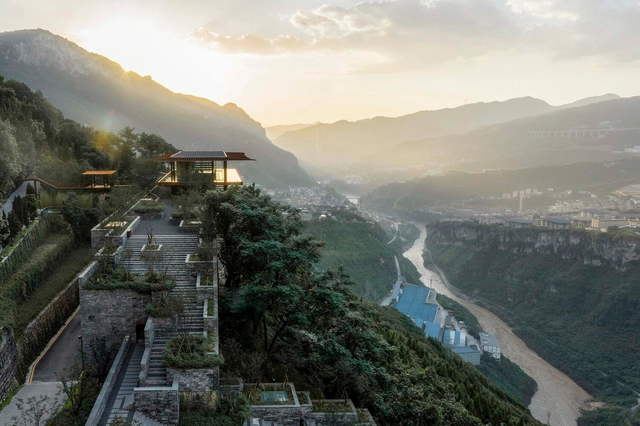
The 2025 Pritzker Prize has been awarded this year to Chinese Architect Liu Jiakun. Born in Chengdu in 1956, he grew up in the densifying city, before attending and graduating from the Chongqing Architecture and Engineering College (Chongqing University) in 1982 with a Bachelor of Engineering degree in Architecture, and becoming one of the first college graduates to be tasked with rebuilding the country during the Chinese transition period. However, it wasn't until many years later that the architect understood that "the built environment could be used as a medium for personal expression". It was then that his endeavors and career took off, with Liu Jiakun starting his practice in 1999, and participating in more collaborative works across China and Europe. Based on his experiences, his works are anchored in his understanding of reality and a respect towards China's multi-traditional history and internal diversity; all while achieving a seamless balance between architecture and nature, tradition and modernity.
These concepts do not obstruct his consciousness of human needs and the importance of community spaces. Through his projects, Liu Jiakun proves that spaces can affect human behavior and become positively evocative. A public space such as those he's created can be conducive to a benevolent atmosphere that provides rest and collaboration. "such as my pursuit of narrative and poetry in design." The comprehensiveness of Liu Jiakun's works makes it easy not to be constrained by stylistic or aesthetic limitations or requirements. He just follows what the site, natural landscape, pre-existing urban frame, and citizen needs might require. The physical result is a mix of all of these with the predominant vernacular traditions.
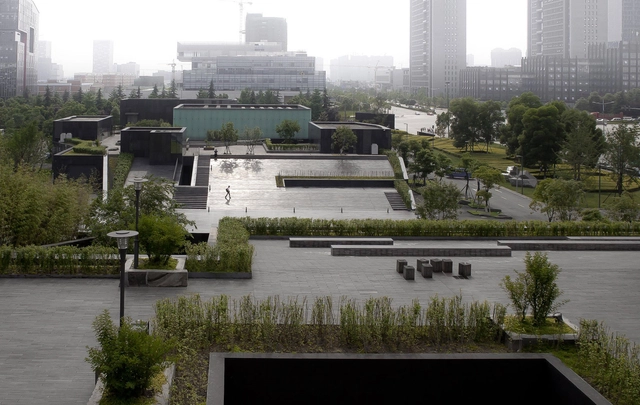
Liu Jiakun, the 2025 Pritzker Prize winner, has spent decades redefining Chinese architecture by combining utopia with function and social engagement with personal memory. His buildings are reflections of the everyday lives of ordinary people, crafted with an understanding of place, culture, and materiality. Rejecting the pursuit of a fixed architectural style, Jiakun believes in a strategy rather than a signature aesthetic, tailoring each project to its specific context and needs. His work integrates history with contemporary urban needs, collectivism with individual experience, and density with openness, offering timely solutions to the challenges of rapid urbanization.
Jiakun's approach is deeply rooted in Chinese philosophy, common sense, and local craftsmanship, ensuring that architecture grows naturally from its surroundings rather than being imposed upon them. His buildings reflect an authenticity that speaks to both past and present, avoiding grand gestures in favor of spaces that foster interaction, spirituality, and human connection.
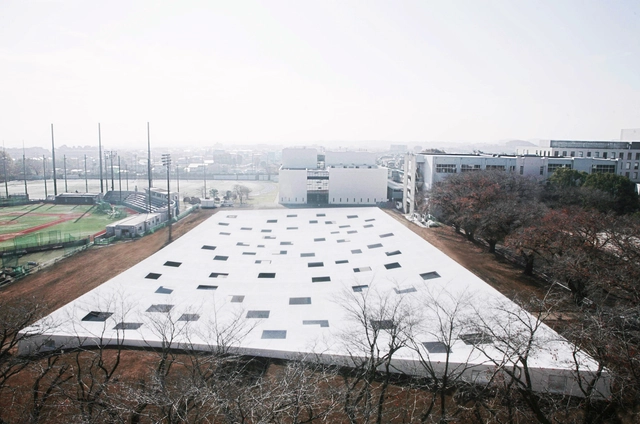
The American Institute of Architects (AIA), a professional organization dedicated to supporting architects and advancing the field of architecture, has announced the elevation of 93 architects to its College of Fellows. This recognition is awarded to individuals who have made significant contributions to the profession and society. This year's class includes 83 AIA member-architects and 10 international architects granted Honorary Fellowship. The newly elevated Fellows will be recognized at the AIA Conference on Architecture & Design 2025 (AIA25) in Boston.
Among the Honorary Fellows are Tatiana Bilbao (Mexico), Alison Brooks (United Kingdom), Jun'ya Ishigami (Japan), Kain Bon Albert Chan (China), Hu Li (China), Lyndon Uykim Neri (China), Michel Rojkind (Mexico), Masaharu Rokushika (Japan), Brinda Somaya (India), and Kerstin Thompson (Australia), recognized for their contributions to the global architectural landscape.

In a world flooded with millions of new products and designs each year, identifying and sharing those that truly stand out isn't just important—it's essential. That's the motivation behind the A' Design Awards, a platform dedicated to recognizing and celebrating outstanding designs and meticulously crafted products. The outcome? Shining a global spotlight on their work, boosting international visibility, and inspiring the next wave of design innovation that not only pushes the boundaries of creativity but also benefits and advances society. Amidst this vast sea of talent, the award elevates extraordinary designs to the surface.
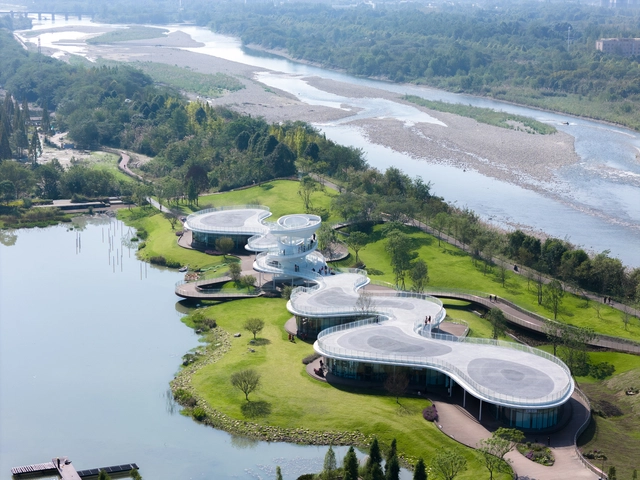
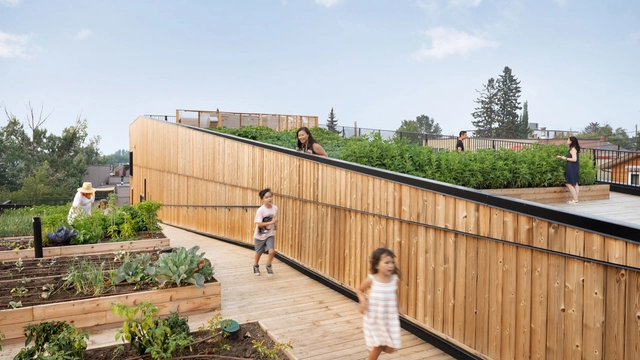
The farm-to-table movement represents a profound shift in how food is grown, distributed, and consumed. Rooted in sustainability and the support of local economies, it prioritizes fresh, locally sourced ingredients and fosters direct relationships between producers and consumers. While the concept focuses on food, the spaces where these connections occur are equally important in shaping the experience, highlighting the critical role of architecture.
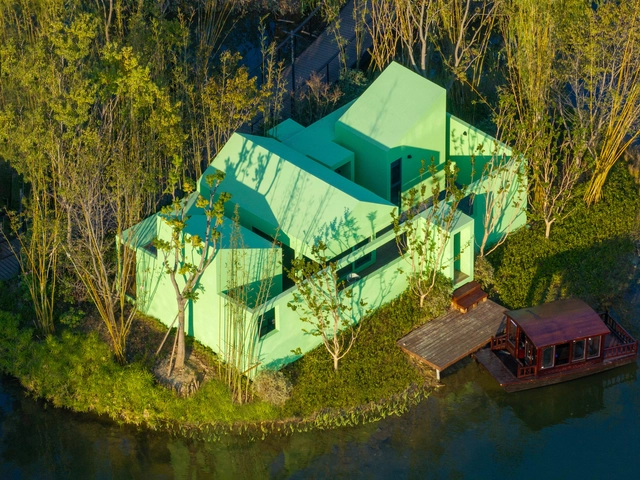
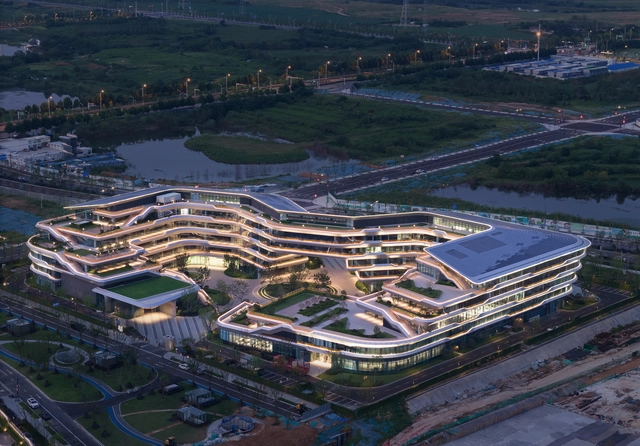
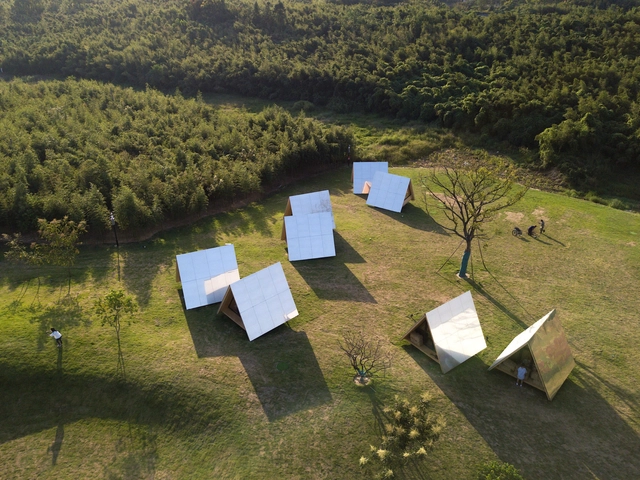
Selected as one of ArchDaily's Best New Practices for 2024, Wiki World is pioneering a fresh approach to children's architectural education and community building. This Wuhan-based studio simplifies the concept of architecture, moving beyond grandiose connotations and focusing on 'building a house'—exploring the wisdom and methods of 'ordinary people.' Building, according to Wiki World, is not only a human instinct but also a way to connect with and understand nature. They see an opportunity in the open-source spirit, empowering communities in rural China to design and construct their own creations. By providing the right frameworks, Wiki World is able to scale and make architecture accessible to an increasing number of people. The studio organizes workshops across China, guiding parents and children through one community-building experience after another.
In an interview with ArchDaily, Wiki World shared their approach to workshop design and organizational processes, drawing from both their expertise and the fresh perspectives gained from their young participants. They discussed how their views on nature and community design have shaped their work, their strategies for effective communication, and their current challenges and successes. They also explained how they bridge the gap between different teams to inspire creativity and foster hands-on engagement with users.

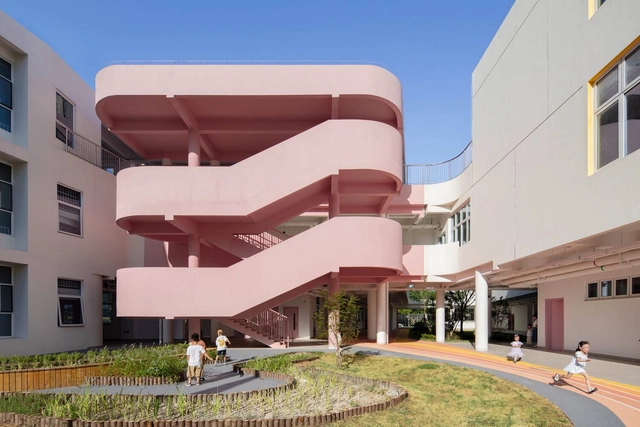
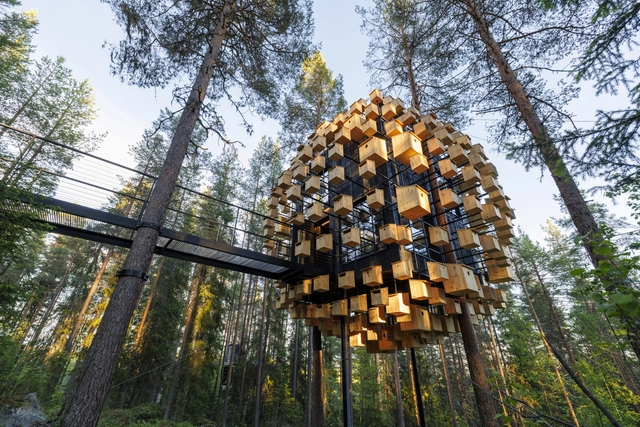
Today's population lives in large, vibrant, and sometimes chaotic cities. That’s why the most popular options involve escaping to natural settings such as remote forests, tropical jungles, or pristine beaches when choosing places to take a break from daily responsibilities and routines. For those seeking to disconnect completely from city life while staying closely connected to nature, small-scale hotels, cabins, and lodges are excellent options. Whether it’s a private vacation home or a cabin hotel, these accommodations are designed to make their natural surroundings their most important asset, allowing the buildings to blend seamlessly into the landscape.