This guide covers a workflow that moves from project parameters to generated floor plans, 3D perspective views, exterior design exploration, and site context visualization, using AI tools in place of preliminary CAD and rendering work.
This guide covers a workflow that moves from project parameters to generated floor plans, 3D perspective views, exterior design exploration, and site context visualization, using AI tools in place of preliminary CAD and rendering work.
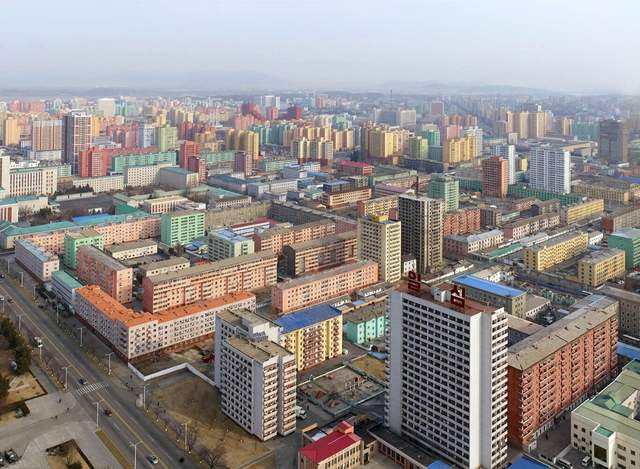
“Looking for a unique place to spend this Christmas and have a fun story to tell family and friends? Join us on our third Christmas visit to the Democratic People’s Republic of Korea! What better place to spend Christmas than in the heart of Pyongyang?”
To this day, I do not know if I should have taken the advertisement seriously. In any case, on December 24, 2018, I embarked on the “ultra-budget Christmas tour” promoted by Young Pioneer, one of the few travel agencies authorized to bring foreign visitors to North Korea.
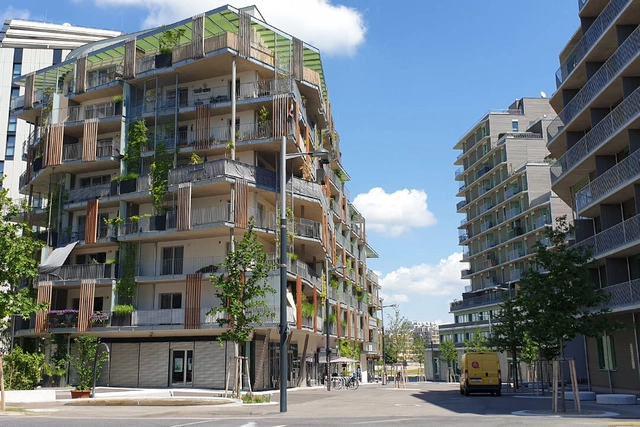
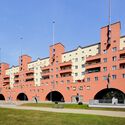
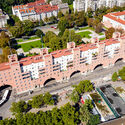
The city of Vienna has a highly praised housing policy. While it certainly has many merits, it is not necessarily perfect. In fact, Vienna's housing policy has taken a different path than other European cities, sparking interest among those who study the subject. In this episode of the Housing Voice podcast, produced by UCLA, Justin Kadi presents several features that make the Austrian capital a unique case. The episode also provides a series of academic articles for anyone wishing to delve deeper into the subject.
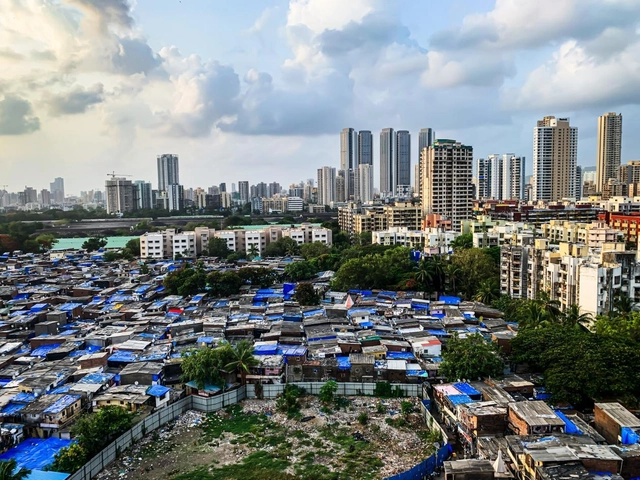
The current summer in the Northern Hemisphere has been so hot, with temperatures reaching record highs—including in the sea—that discussions are already revolving around the limits of human survival. Even in Antarctica, sea ice has failed to reform, a drastic departure from normal winter patterns. It is not just an impression that extreme heat events are occurring more frequently. As a result of climate change, the frequency of these events has increased—and is expected to worsen.
In fact, in most years, heat is the most lethal weather phenomenon, killing an average of 490,000 people worldwide and causing serious health problems for many others. According to the World Health Organization, heat-related deaths are projected to increase by 50% by 2050. However, this impact is not distributed equally, either globally or within communities: populations already living in more vulnerable conditions face the greatest risks.
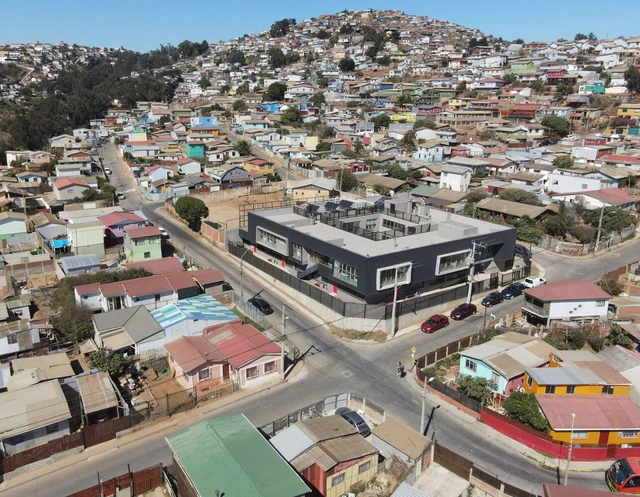
While Chile is recognized as having one of the best education systems in Latin America, it also maintains a dual public and private system where disparities can often be significant. To address this issue, the Ministry of Education (MINEDUC) launched the Educational Reactivation Plan, which aims to allocate 100 billion Chilean pesos to preserve the infrastructure of public educational facilities.
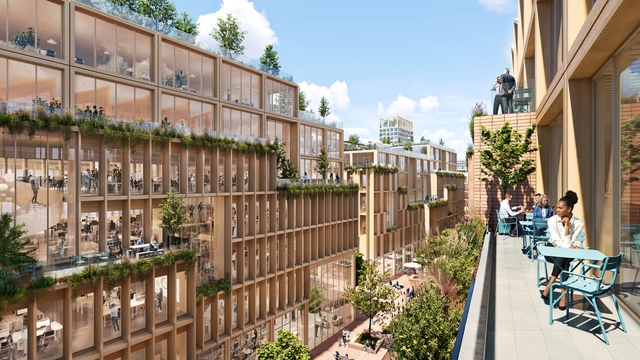
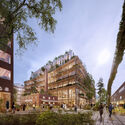
With studies estimating that by 2050 nearly 70% of the global population will live in cities, planning for more sustainable and balanced urban development has become imperative for the coming decades. This discussion invariably hinges on a more assertive choice of construction materials that yield greater urban and environmental benefits. In this context, a material re-emerging as a more sustainable choice for urban infrastructure is wood, particularly when paired with new technological advancements, which is being reintroduced into cityscapes due to its versatile characteristics and its ability to align with the construction of tomorrow.
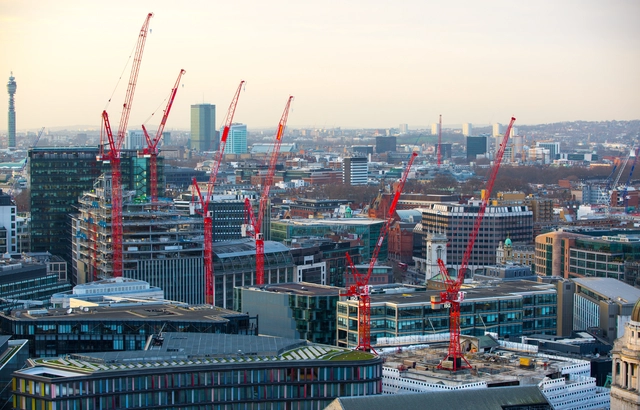
Every day, governments, financial institutions, and corporations face a critical decision: continue investing in physical assets that emit greenhouse gases and degrade nature, or prioritize developing green solutions that foster a stable, resilient, and equitable economy. As communities bear the brunt of severe climate impacts, the imperative to build a sustainable future becomes increasingly clear.

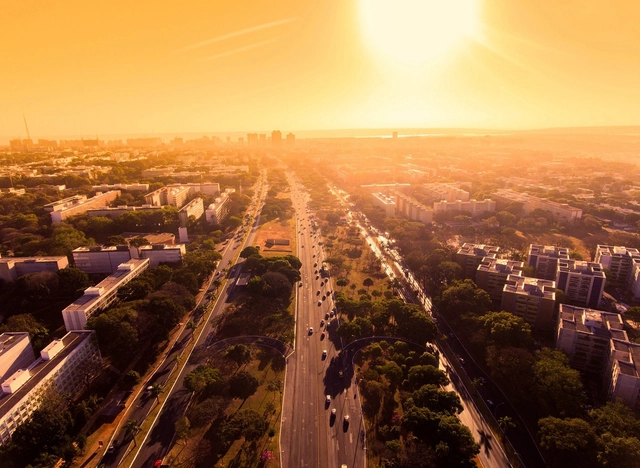
The capacity of trees to naturally cool cities is one of the key benefits of promoting urban planting. In the Federal District, urban afforestation has been studied to guide public policies toward the sustainable use of natural resources. Architecture and Urbanism student Júlia Almeida, from the University Center of Brasília (CEUB), measured the microclimatic influences of vegetation at the residential scale in Brasília, proving the power of greenery to improve quality of life.
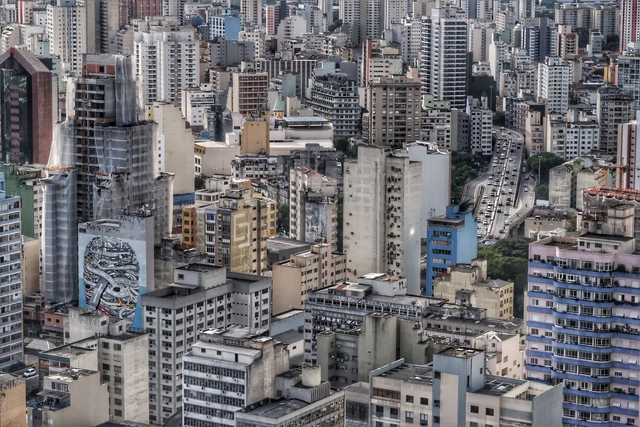
Many cities around the world face severe housing affordability issues. One of the primary reasons is highly restrictive zoning regulations. Zoning—the rules that dictate what can be built on any given lot—was originally designed to manage urban issues such as congestion, pollution, and shadow impacts.
Over time, however, planners aligned with property owners to tighten these rules. Planners disliked urban density and were more than happy to reduce it. Homeowners realized that stricter codes could preserve their property values and exclude low-income residents and minorities from their neighborhoods.

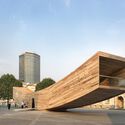
The Time Portal, designed by Longhi Architects, is an architectural project commissioned by the company "Los Portales" to create an identity landmark in the plaza of a modern residential development in the city of Juliaca, Peru.
The project merges fundamental characteristics of Inca culture and landscape design with elements of contemporary globalization, represented by the recognizable QR code icon.
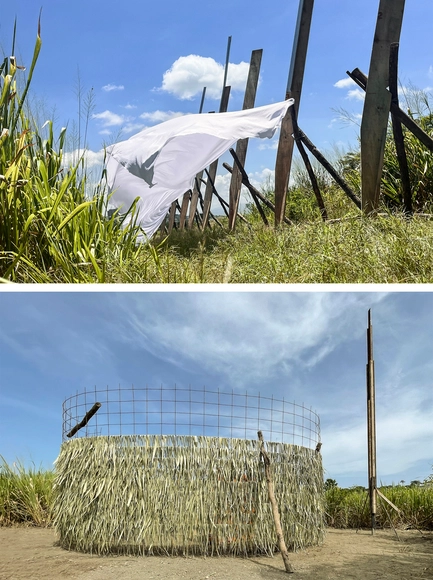
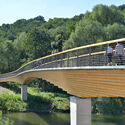
For five days, we ventured into the Turbio River of Barquisimeto, its valley, and its banks to experience fieldwork that culminated in the construction of landscape interventions. We were 70 students and 30 professors, guests, and collaborators, taking part in a Summer School organized by Dislocal alongside the Faculty of Architecture and Urbanism of the Universidad Central de Venezuela and its Extramural Teaching Unit in the city of Barquisimeto.

While high expectations build up during the development of an architectural project—which often represents the realization of a professional dream or a new home for a family—and even though, despite careful planning, countless unforeseen issues and headaches can arise during construction, after weathering endless estimates, schedules, and delays, once construction is complete and the property is occupied, it usually feels as though the journey has finally come to an end.
However, even with the work seemingly finished and a sense of accomplishment, architects and clients will likely still need to align on certain points or address issues that crop up along the way. In light of this, what are the architect's responsibilities once the owners occupy the property?
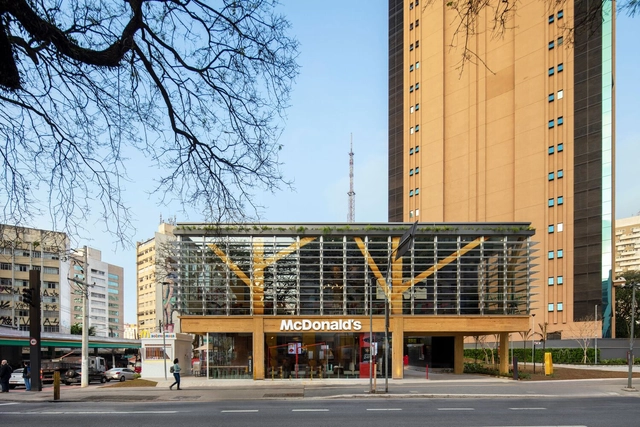
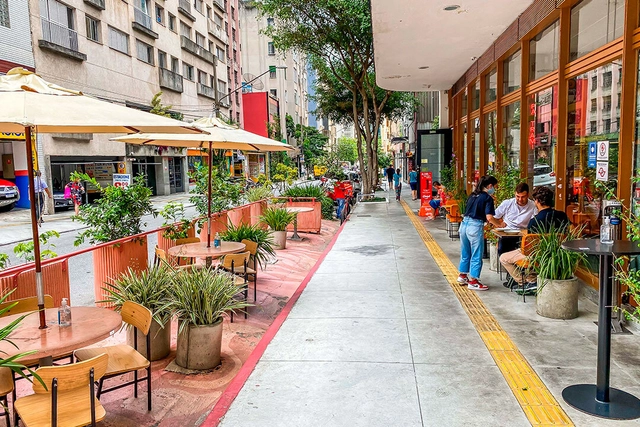
Twenty-one years after the passage of the federal City Statute (Estatuto da Cidade)—which regulated the “Urban Policy” chapter of the Brazilian Constitution, leading to the formulation of several master plans for 21st-century cities with more than 20,000 inhabitants and, now, the opportunity to revise many of them—it seems timely to tune our radars to a highly relevant topic for all cities, and one we have consistently struggled to address: our sidewalks!
I am referring to various aspects of their use and purpose, their regulatory mechanisms, their maintenance, and their design... Let us look at them.
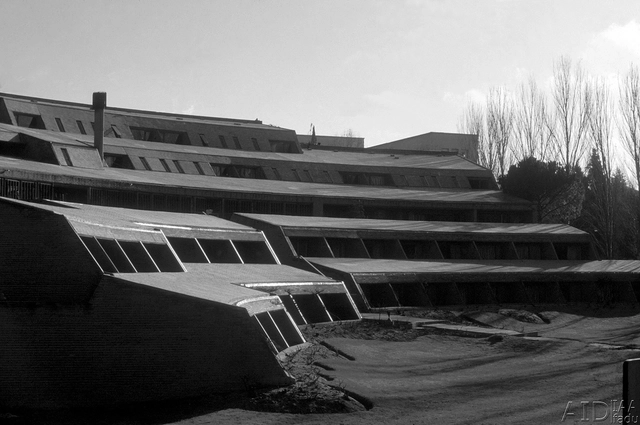
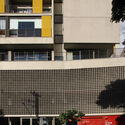
Being a reference in the Argentine Modern Movement, the Colegio Mayor Argentino Nuestra Señora de Luján (CMANSL) is located in the University City of Madrid, Spain. Designed by Horacio Baliero and Carmen Córdova, with the collaboration of Javier Feduchi as the works director and Jesús García Vela as the clerk of works, the building emerged as a result of the competition called by the Ministry of Culture and Education of the Argentine Republic in September 1963. Inaugurated in 1971, it represents an example of modern and organic architecture that, based on a traditional construction system, is capable of addressing the functional and expressive needs of a modern 20th-century building, adapting to the surrounding environment where it stands.
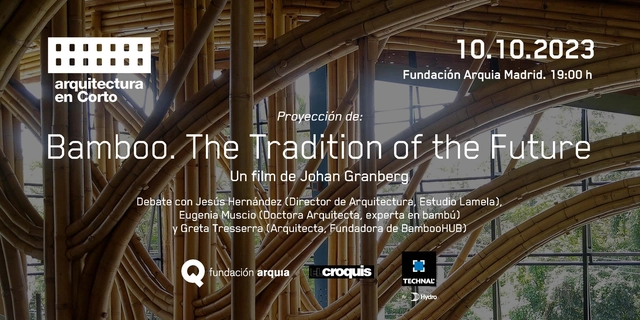
On October 10 at 7:00 PM, Arquitectura en Corto invites you to the Fundación Arquia in Madrid (Tutor, 16) for the screening of "Bamboo: The Tradition of the Future." This documentary, directed by Swedish architect and filmmaker Johan Granberg, explores the potential of bamboo in contemporary construction and its extraordinary qualities in the fight against climate change. Following the screening, a panel discussion will be held with architects who are experts in the use of this material. Jesús Hernández, Director of Architecture at Estudio Lamela, was responsible for the construction of the T4 terminal at Madrid-Barajas Airport, the largest project in Spain built with bamboo; Eugenia Muscio, an architect and PhD from ETSAM, is a researcher specializing in the use of bamboo in construction; and Greta Tresserra, an architect, is the Founder and Creative Director of BambooHUB.
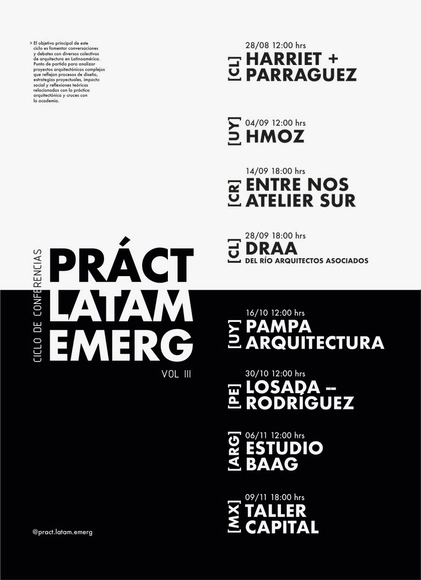
The main objective of the Emerging Latin American Practices Vol III lecture series is to foster conversations and debates with various emerging architecture collectives across Latin America. The series serves as a starting point for analyzing complex architectural projects that reflect design processes, project strategies, social impact, and theoretical reflections related to architectural practice and its intersections with academia, aiming to articulate an overview of the discipline's work in the region.