

-
Architects: auba studio
- Area: 1141 m²
- Year: 2021
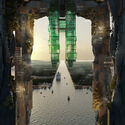
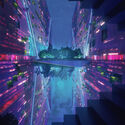
In early 2021, Saudi Arabia unveiled the Line, a 170-kilometer-long linear city, part of the NEOM project. NEOM has since expanded with proposals for the region, including a ski destination set to host the 2029 Asian Winter Games, a floating port city at Oxagon, and cliffside hotels at Leyja. However, the Line continues to be one of the most debated of the proposals due to its scale and unprecedented design. According to the official releases, the city would measure 170 kilometers in length, 200 meters in width, and 500 meters in height, making it the 12th highest skyscraper in the world. In its final phase, it is expected to welcome 9 million residents, nearing the size of London or New York’s five boroughs.
On October 23, 2023, during the closing of the Line Exhibition in Riyadh, Saudi Arabia, ArchDaily’s Editor in Chief, Christele Harrouk spoke to Tarek Qaddumi, Executive Director of The Line Design at NEOM, asking questions that probe into both the conceptual aspects and the technicalities of The Line project. In this video interview, the conversation addresses notions such as accessibility, transportation, and sustainability, while also exploring the concept of Cognitive Cities and the intended phasing of the project.
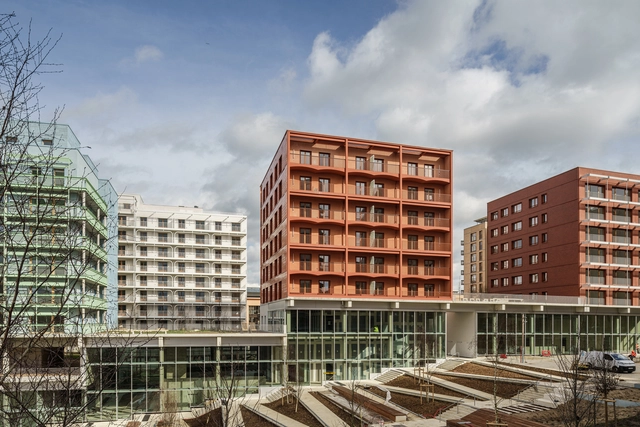
The first Olympic village was built for the 1924 Summer Games in Paris. Before this, athletes stayed in hotels, hostels, schools, headquarters, and even on the ships that brought them to the host cities. Pierre de Coubertin, co-founder of the International Olympic Committee (IOC), proposed the idea of an Olympic village. He realized it would be more cost-effective to house athletes in temporary structures rather than hotels. He believed the village would also create a sense of community among the international competitors.
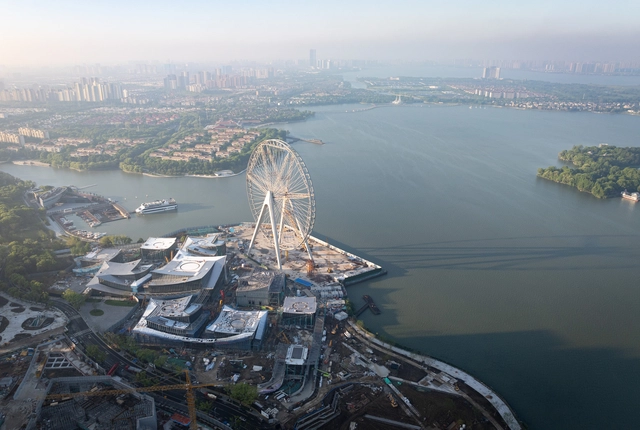
The Suzhou Museum of Contemporary Art, spanning 60,000 square meters, is envisioned as a village of 12 pavilions, presenting a contemporary take on the city's historic urbanism, architecture, and landscape. Designed by Bjarke Ingels Group - BIG, ARTS Group, and Front Inc., the project is part of Suzhou's development around Jinji Lake. It reimagines the classical garden 'lang,' or corridor, framing gardens with outdoor art installations. The pavilions' layout draws inspiration from Suzhou’s garden heritage, guiding visitors through an artistic, natural, and aquatic journey. The museum, which recently celebrated its topping out, is scheduled for completion in 2025.