

-
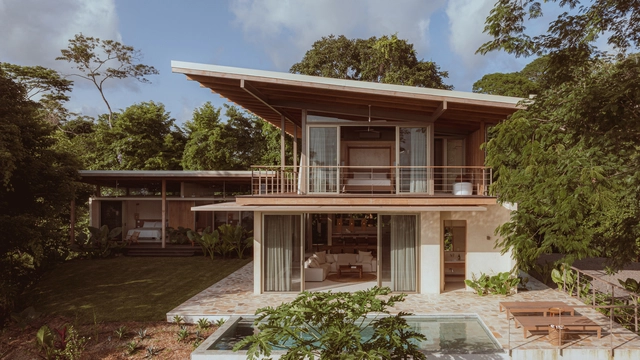
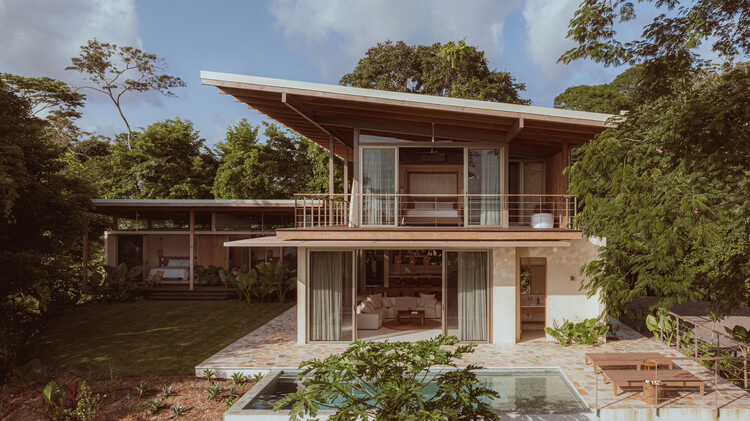
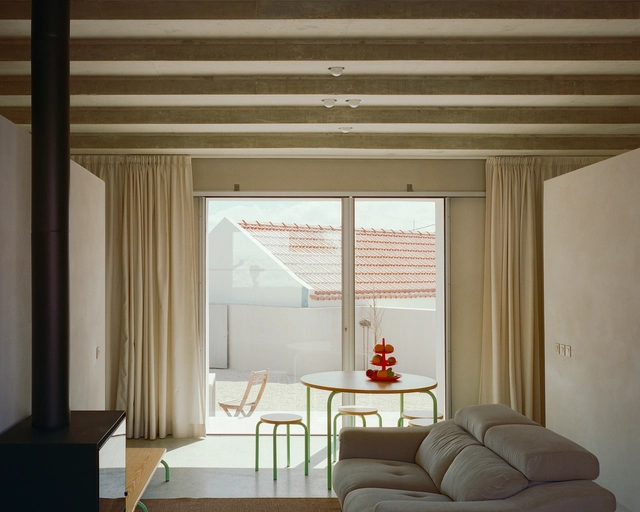
Architects: studio berardi miglio
- Area: 400 m²
- Year: 2022

Culture is the set of knowledge and practices people use to express themselves and make sense of the world collectively. As Brazilian philosopher Marilena Chauí reminds us, the word derives from the Latin colere, which means "to take care of." In that sense, agriculture means taking care of the soil, while religious cults are the care of the gods. At its core, culture is the creation of symbolic universes, expressed through different languages, including architecture, that weave connections across time. It safeguards the memories of the past while opening new possibilities for the future.
This month, ArchDaily explores The Architecture of Culture Today, asking a central question: How does architecture shape the way culture is produced, consumed, and experienced? This theme examines how architecture both shapes and responds to cultural life — from the permanence of museums, theaters, and libraries to the ephemerality of pavilions, installations, and virtual platforms. It considers the architect's role in curation, scenography, and exhibition design, as well as the portrayal of cultural spaces in film and digital representations.



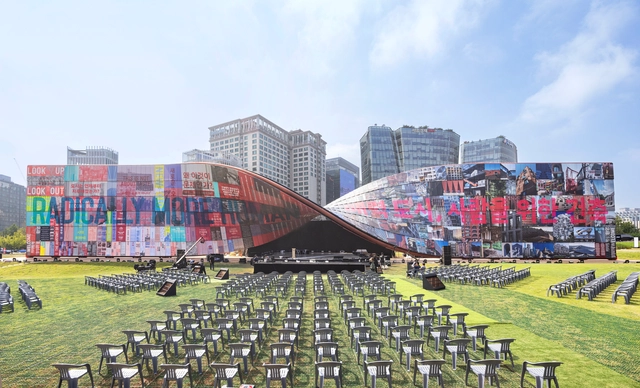
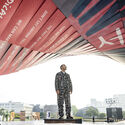
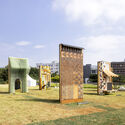
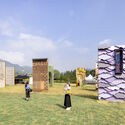
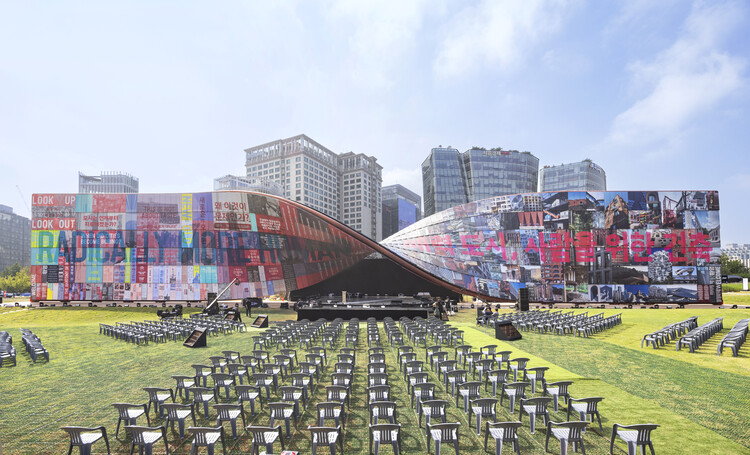
The 5th Seoul Biennale of Architecture and Urbanism opened on September 26 at Songhyeon Green Plaza in central Seoul. Recognized as the largest public architecture festival in Asia, this year's edition is directed by Thomas Heatherwick under the curatorial theme of how cities can become "radically more human." Running through November 18, the Biennale brings together exhibitions, global forums, and citizen-led projects to examine the role of architecture in shaping more inclusive and enduring urban environments.
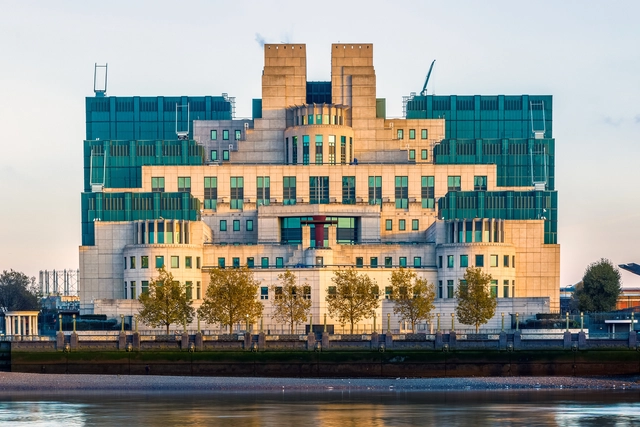
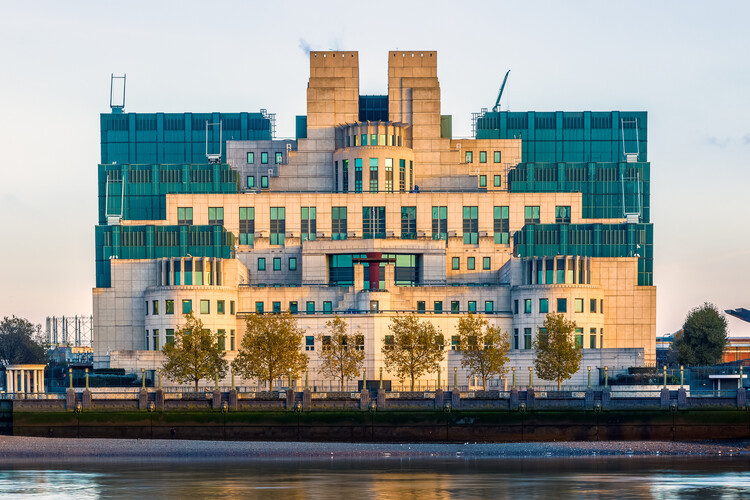
Farrells, the London-based architecture and urban design practice, announced earlier today the death of its founder, architect Sir Terry Farrell. The firm highlighted Farrell's commitment to questioning architectural convention and his advocacy for more responsible, contextual, and community-driven approaches to urban development, seeking creative alternatives to wholesale demolition and rebuild. His death follows that of his early collaborator Nicholas Grimshaw, with whom he founded the Farrell/Grimshaw Partnership in 1965. Together they produced functionalist, modern buildings defined by their structural clarity, before Farrell established his independent voice as one of the leading figures of British Post-Modernism, designing some of the movement's most recognisable works, including London's MI6 Building and the TV-am studios in Camden.

What is the link between architecture and pastry? What design strategies are applied in the contemporary interiors of bakeries and pastry shops? While architecture can serve as inspiration for the design of forms and configurations of edible elements, it also contributes the techniques of descriptive drawing, architectural composition, and staged planning to the culinary language. Focusing their thinking on people and their needs, both disciplines strive for precision, with interior design being a broad field where the use of figures, colors, materials, and various equipment can be explored to enhance user experiences.