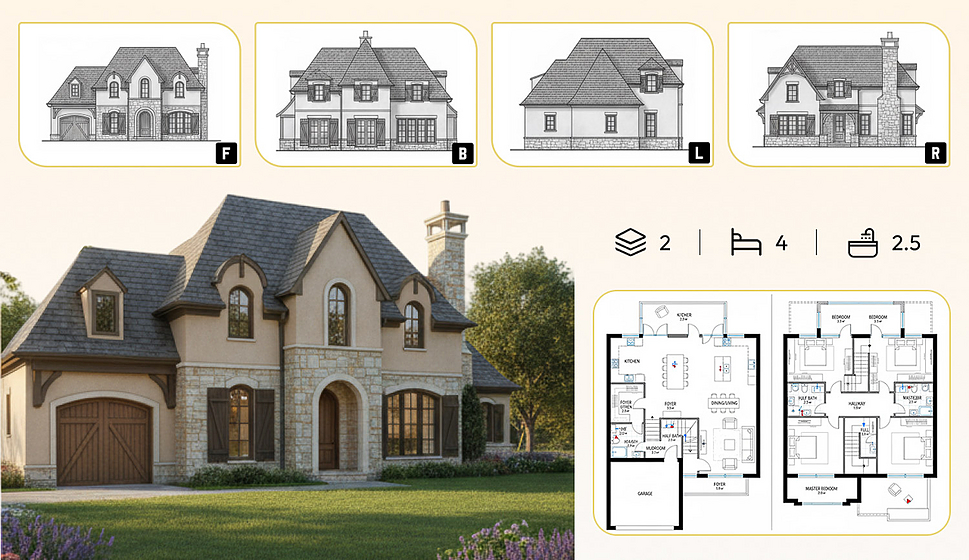
This guide covers a workflow that moves from project parameters to generated floor plans, 3D perspective views, exterior design exploration, and site context visualization, using AI tools in place of preliminary CAD and rendering work.
This guide covers a workflow that moves from project parameters to generated floor plans, 3D perspective views, exterior design exploration, and site context visualization, using AI tools in place of preliminary CAD and rendering work.


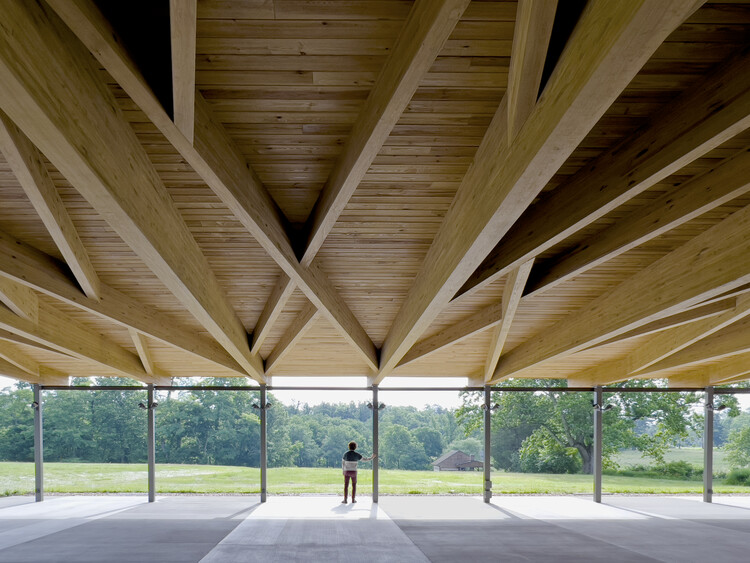
The Arts and Crafts movement is often remembered as an architectural style defined by handcrafted details, an intimate scale, natural materials, and a rejection of excess and industry. Its influence is frequently traced through visual characteristics that continue to appear in contemporary architecture and interiors, from exposed timber and crafted joinery to an emphasis on texture and permanence, yet reducing the movement to an aesthetic vocabulary overlooks its far more significant contribution. For William Morris, Philip Webb, John Ruskin, and their contemporaries, architecture was a question of how things were made, who made them, and whether the process of making could cultivate dignity, meaning, culture, and beauty.


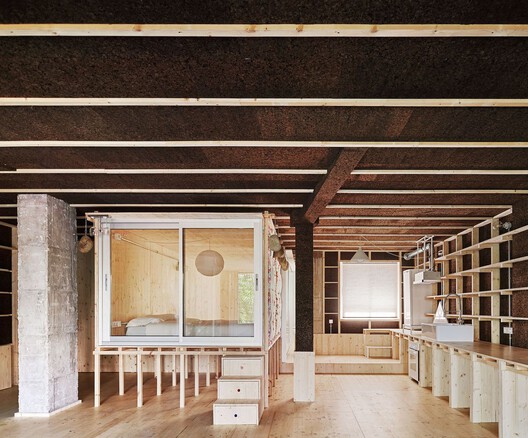
How can we transport ourselves to natural environments when we find ourselves in entirely urban contexts? The materiality of spaces is one of the factors that determines the atmosphere we inhabit. In this regard, the incorporation of natural materials in interior architecture can help introduce textures, colors, and qualities inherent to nature into our daily spaces. In this article, we explore the specific use of cork as a resource in interior design and the different ways it can transform the experience of a space. Cork is the bark of the cork oak, a tree species that, when harvested without harming the tree, can be transformed into a material suitable for multiple applications in architecture and design.


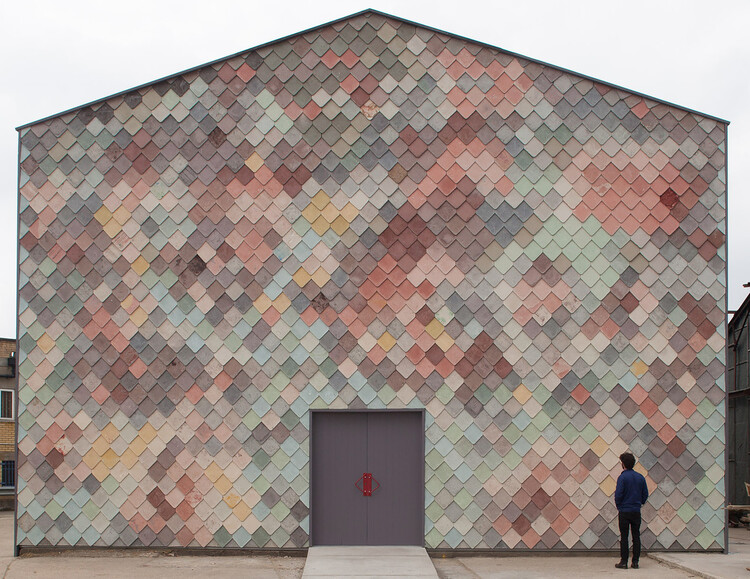
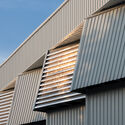
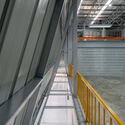
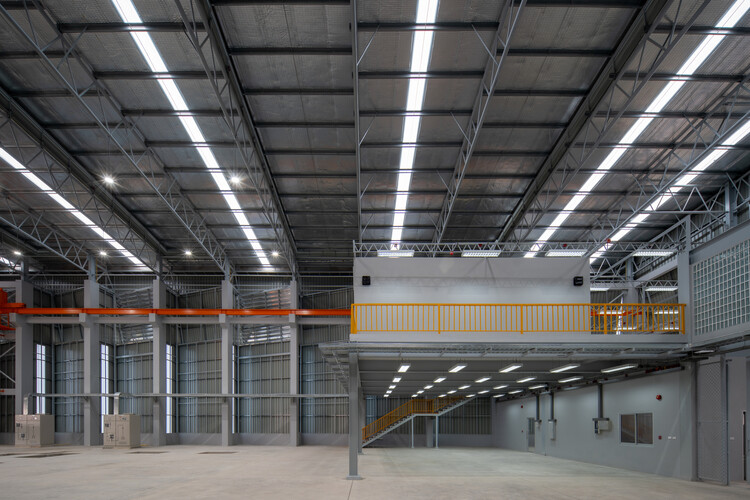
Industrial buildings are often expected to prioritize efficiency, production, and technical performance above all else. As a result, architectural quality is frequently treated as secondary to functional requirements. Advances in material systems, however, allow industrial facilities to balance both, creating buildings that respond to climate, improve working conditions, and establish a distinctive architectural identity.

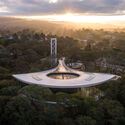
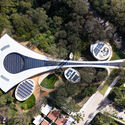
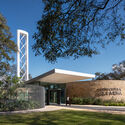
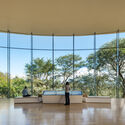
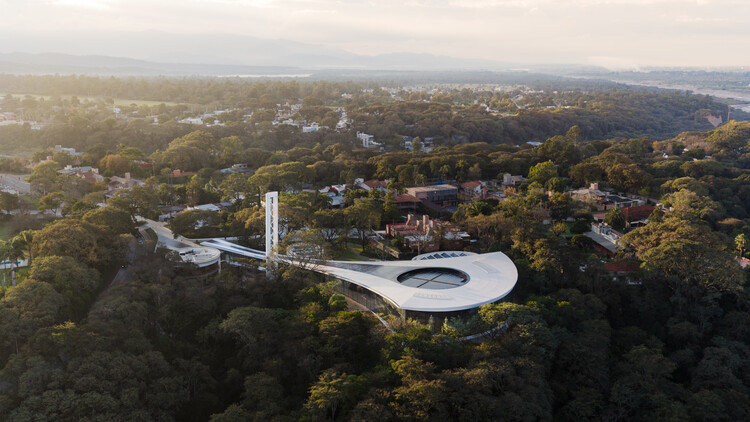
Pelli Clarke & Partners has completed the Lola Mora Cultural Center in San Salvador de Jujuy, Argentina, a new cultural institution dedicated to the life and work of Argentine sculptor Lola Mora (1866-1936). Located in the country's northwestern region, the project is the firm's first cultural building in South America and the final project led by its founder, the late César Pelli. Designed as a net-zero facility, the center brings together six of Mora's monumental marble sculptures for the first time in more than a century, providing a permanent home for works that were previously displayed outdoors in Jujuy.


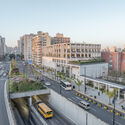
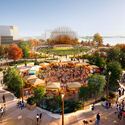
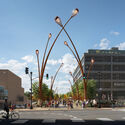
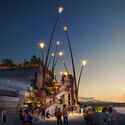
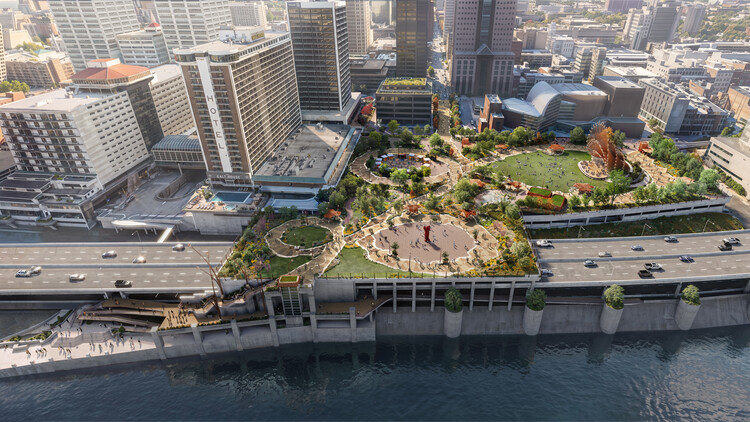
Louisville's Belvedere in Kentucky is a 53-year-old gathering place for concerts, festivals, and community events. The elevated concrete plaza was built on top of the city's largest parking structure and stands over a major highway overpass. Since 1973, it has functioned as a riverfront civic space for events and large gatherings, but its use as a casual public space is in evident decline. In its current state, the space lacks shade, greenery, and amenities, while the concrete deck has worn over the years. In February 2025, Heatherwick Studio unveiled the first images of its vision to transform the Belvedere, a project commissioned by the city's mayor and the Louisville Metro Government. This week, the firm released new images of the redesign as an open, green, and flexible space connected to downtown Louisville.

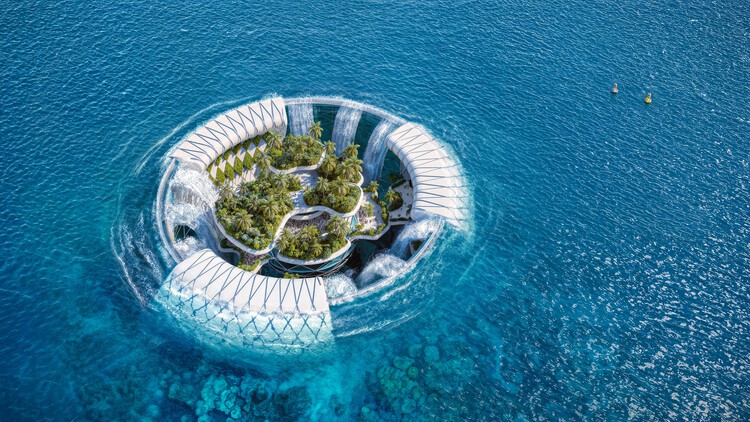
Getting away is a long-held fantasy and desire. In literature, film, and music, people have created imaginary journeys, possible worlds, and settings for enjoyment. It is that fantasy that fuels a specific architectural typology: the hotel. Against a backdrop of scrutiny of tourism, the climate costs of travel, and the competition and externalities associated with short-term rentals, that fantasy takes on even more striking forms. A hotel is no longer just a place to stay, but a space for enjoyment that can encompass a wide range of activities, such as entertainment, relaxation, sharing a meal, and even working. This diverse range of concepts takes on organic and impressive forms in the seven unbuilt projects compiled in this article, which range from urban hotels to beach resorts.