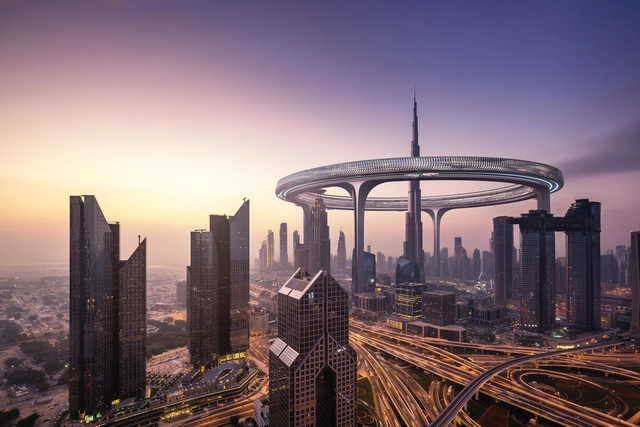
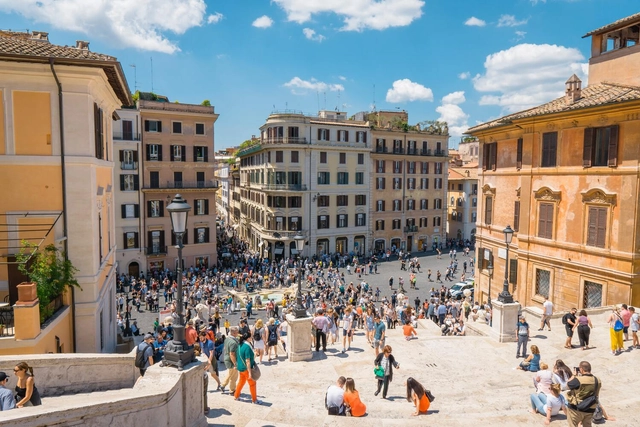
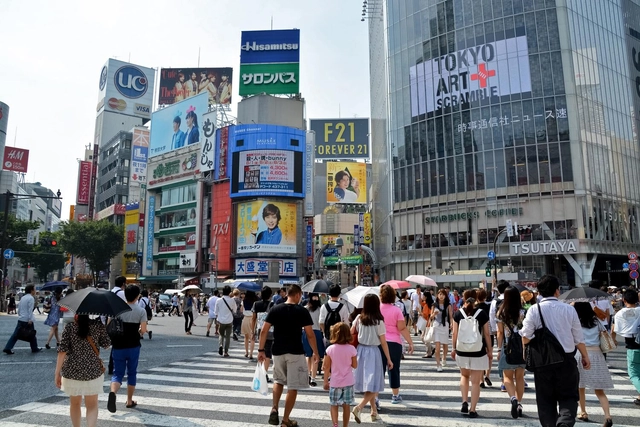
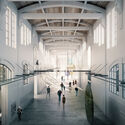
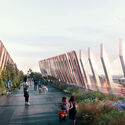
The 1970’s were a dark time for New York City. While the economy was down, crime rates were at an all-time high. The negative public image also kept tourists away, driving the city into a financial crisis. To change perceptions about The Big Apple, the New York State Department for Economic Development approached advertising firm Wells Rich Greene to create an inviting marketing operation. After 45 years, the resulting I Love NY campaign remains fresh in the minds of locals and tourists, successfully revamping New York City’s brand. Cities across the world like Paris, Amsterdam and Jerusalem have similarly invested heavily in constructing magnetic brands for themselves.
In an effort to expand the debate around the issues and opportunities facing urban environments worldwide, UN-Habitat has designated October 31 as “World Cities Day”, an event celebrated annually since 2014. This year the events are centered around the theme “Act Local to Go Global”, with the aim to share experiences and approaches to local actions, the initiatives that were successful and those that were not, and to seek to understand ways in which local and regional governments can help create greener, more equitable and sustainable cities.
The theme was chosen based on the understanding that local actions are of critical importance in achieving the sustainable development goals set for 2030. The 2030 Agenda sets out the UN ambition to contribute to creating cities and human settlements more inclusive, safe, resilient, and sustainable. The world’s largest cities are often the most unequal. This year’s theme suggests that there is a path forward through incremental changes and localized actions. By adapting to site-specific conditions, these actions can better respond to the individual needs of the communities, and the natural conditions of climate and topography and can help strengthen the cultural identity of urban environments.
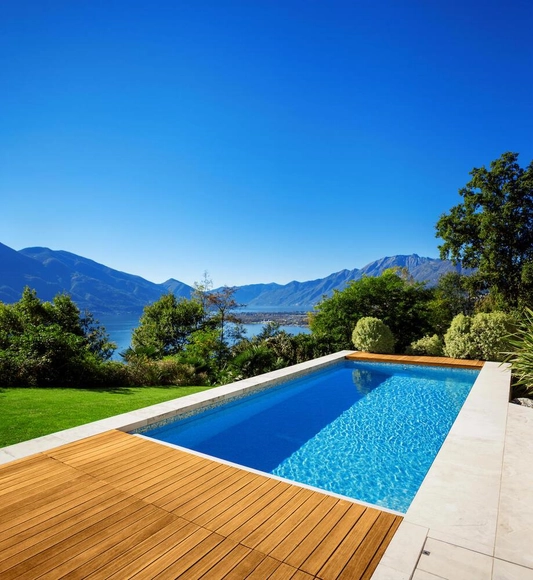
Beyond its shape, size, and location, the process of building a swimming pool involves selecting various technologies, solutions, and materials to achieve proper waterproofing. While we often focus on the exterior aesthetics of a pool, are we aware of what lies beneath its finishes? Much like an "iceberg effect," pool design and construction companies such as CREST have developed a range of essential products that lie below ground level, applied through four specific steps: surface preparation, finish installation, grouting, and maintenance.
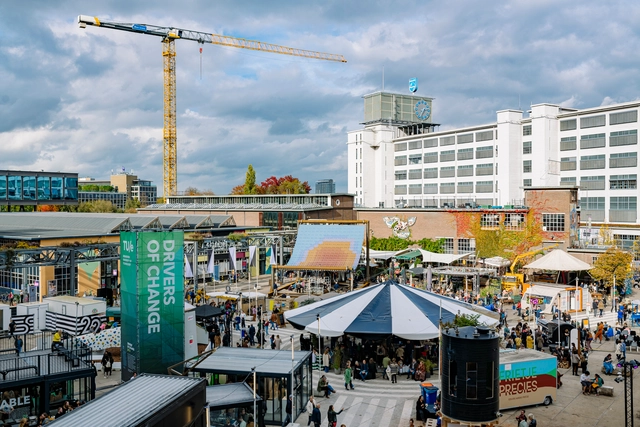
Under the motto "Get Set," the 2022 DDW exhibited more than 50 art and architectural installations to call out designers and communities for a shift from preparation to action facing the challenges of our time. Led by Miriam van der Lubbe, Creative Head of DDW, with Marjan van Aube and Formafantasma as ambassadors, the 21st edition of the Dutch Design Week took place the last week of October in Eindhoven, the Netherlands closing with a Graduation Show of over 200 students of the Design Academy Eindhoven.
Inspiring designers to incorporate innovation and sustainability and familiarize the public with all the technology has to offer, ArchDaily has selected 9 relevant works focused on bio-materials and modular systems. Highlighting ongoing design research, the list underlines projects that reinvent how we deal with nature and the space we live in.
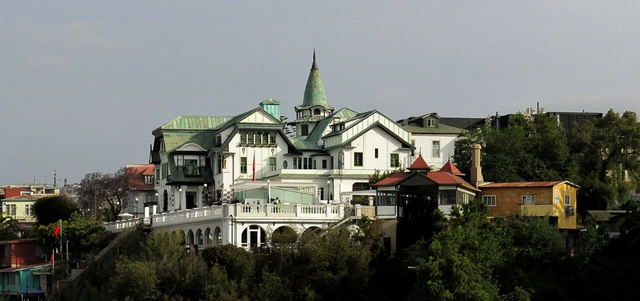
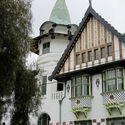
We often walk through the city without knowing the value of the buildings around us. In Chile, there is an architectural multiculturalism that has molded the cities with buildings that, to this day, are awarded a heritage title and are not recognized as such by the inhabitants and visitors.
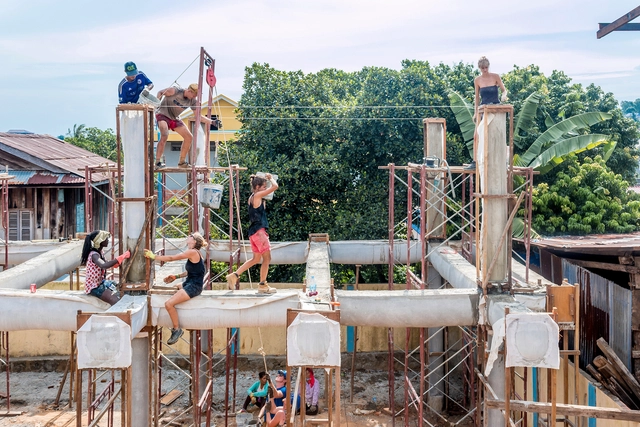
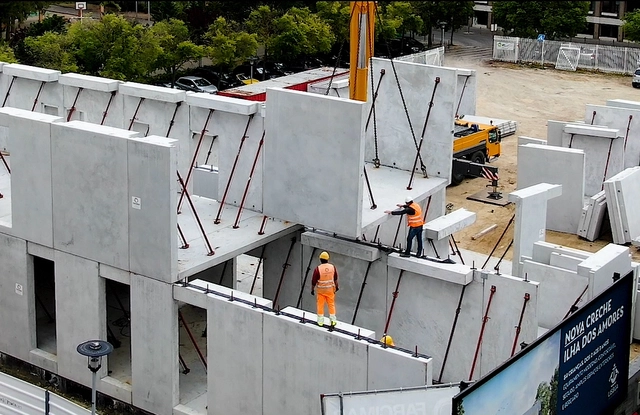
Site work has always been and remains a pivotal stage in forming our built environment. Most architects, designers or engineers have at one point or another been on the grounds and understand the importance of presence within the project development phases. Working on construction sites can be a valuable learning experience and allows different inputs from diverse experts to be considered in forming a better urban, living, and working environment for all. Starting from this idea, and as we delve into Women in Architecture as part of our ArchDaily topics, we published an invitation, encouraging our readers to share their opinion on gender-based discrimination on the construction site.
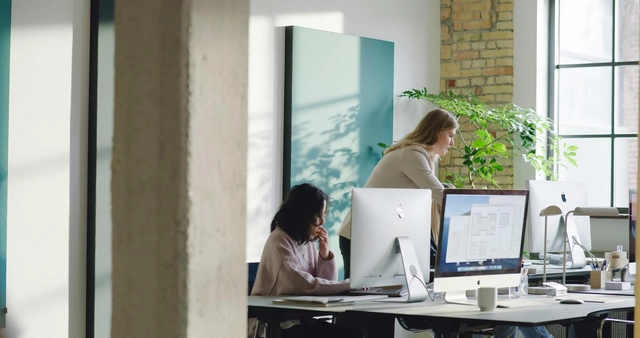
Rockfon Canva Wall Panels in various shades of green and blue create a harmonious atmosphere on the office walls – and the best acoustics. Image Courtesy of Rockfon
Even if you have never engaged with the ins and outs of a building’s acoustics, you will, no doubt, have had many a meeting or passing conversation eased by Rockfon’s sound-absorbing solutions. They may have invisibly clad a ceiling above you in tile form or seamlessly formed the white walls that surrounded you. Rockfon – a part of Rockwool Group – specialises in banishing acoustic bounce with sound absorbing products made from organic stone wool. The products have been part of the fabric of our public spaces – offices, schools, restaurants and libraries – for more than 60 years.
https://www.archdaily.com/991357/leading-the-way-by-sight-not-sound-the-changing-image-of-acoustic-designEmma Moore
NASA Sustainability Base / William McDonough + Partners and AECOM. Courtesy of William McDonough + Partners
The term “cradle to cradle” was coined by American architect William McDonough and German chemical engineer Michael Braungart in their manifesto-book Cradle to Cradle: Remaking the Way We Make Things, published in 2002. This theory is not merely architectural; rather, it applies to any product, promoting a biological approach to manufacturing in which components are considered nutrients in a “healthy metabolism.”
The Ministry of Transport, Mobility and Urban Agenda (Mitma), in collaboration with the Higher Council of Spanish Architects' Associations (CSCAE) and supported by the Arquia Foundation, has launched a two-stage selection process to choose the curatorial team for the XVI Spanish Biennial of Architecture and Urbanism (BEAU). The deadline for submitting proposals for the first stage is December 14, 2022.
These days, wellness is a commonly-used word in design and other areas, but what does it truly mean? According to the National Wellness Institute, the concept is defined as "an active process through which people become aware of, and make choices toward, a more successful existence." It can be viewed from different perspectives, such as environmental, intellectual, spiritual and physical factors. Although these elements can be integrated separately into one’s life, they can also complement each other and work together. For example, exercise does not only provide physical benefits; it contributes to emotional wellness as well.
IE University, in collaboration with All Things Urban, would like to invite you to our "Cities and Jobs Series". A series of webinars are being hosted by the two organizations, for the launch of IE’s new Bachelor program in Urban Studies (for which applications are now open). The multidisciplinary program examines urban issues in a holistic way to prepare the future generation of urbanists to tackle the pressing challenges of our cities.
Cities only occupy 2% of the planet’s surface, but they accommodate more than 50% of thepopulation. They consume 75% of global energy, produce 80% of global CO2 emissions, and generate more than 80% of the global GDP today.These numbers put cities at the center of any discussion about global warming, urbanization, progress, and social issues.
The three online webinars will tackle conversations from “Urban Artificial Intelligence: how can we urbanise technology?” to “Urban Green Infrastructure: How can nature save cities” and “Urban social inequalities: How can cities include people?”
Sensory urbanism is a form of investigation of how non-visual information defines a city's character and affects its livability. Using methods that range from sound tracks and smell maps, wearables and virtual reality, researchers in this area have introduced other senses to urban centers.
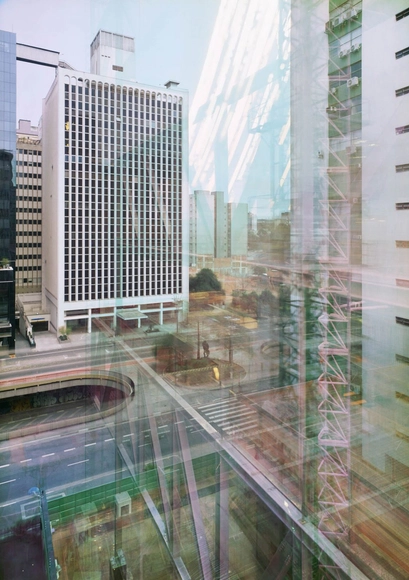
Is it possible to photograph time through transformations in urban space? To accumulate past and present in a single image, inviting the viewer into a visual and archaeological investigation? The Betoneira Podcast spoke with German photographer Michael Wesely about photography and cities. A pioneer of long-exposure photography, Wesely developed a technique that allows a single negative to be exposed for hours, days, or even years. The result is the condensation of the entire exposure period into a single photograph, producing poetic images of profound visual impact.
If we previously brought in before and after plans of apartment refurbishments, we now focus on residential projects that have received needed improvements. In addition to the plans, the information contained in the memorial of each project helps to better understand the attitude taken in each architectural design. After all, each work brings with it different demands: deadlines, budgets, legislation and pre-existing conditions.
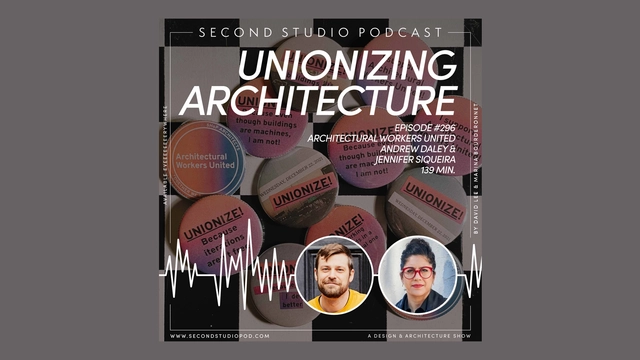
The Second Studio (formerly The Midnight Charette) is an explicit podcast about design, architecture, and the everyday. Hosted by Architects David Lee and Marina Bourderonnet, it features different creative professionals in unscripted conversations that allow for thoughtful takes and personal discussions.
A variety of subjects are covered with honesty and humor: some episodes are interviews, while others are tips for fellow designers, reviews of buildings and other projects, or casual explorations of everyday life and design. The Second Studio is also available on iTunes, Spotify, and YouTube.
This week David and Marina are joined by Architecture Workers United (AWU) Members Andrew Daley, Associate Organizer at IAMAW and Jennifer Siqueira, Project Architect at Bernheimer Architecture to discuss their involvement with the AWU; the fundamentals of unions and how to start one; the state of unionization in the profession; the pros and cons of forming a union; and more.
What are the stories of the first Ibero-American women architects? This is the central question we seek to answer in celebration of this month's ArchDaily topic: Women in Architecture.
In seeking to present their motivations, inspirations, and career paths, we conducted research to bring visibility and recognition to several figures who have historically been overlooked. Meet Doris Clark Núñez, Guadalupe Ibarra, Matilde Ucelay Maórtua, Filandia Pizzul, Dora Riedel, Luz Amorocho, María Luisa Dehesa, Arinda da Cruz Sobral, and Julia Guarino below.
No País dos Arquitectos is a podcast created by Sara Nunes, who is also responsible for the architectural film production company Building Pictures. The podcast aims to introduce the professionals, projects, and stories behind leading contemporary Portuguese architecture. With just over 10 million inhabitants, Portugal is a fascinating country regarding this professional field, and its architectural output far exceeds what its small population and land area might suggest.
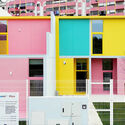
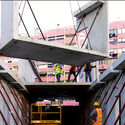
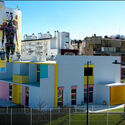
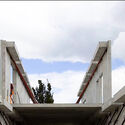
In this episode, Sara talks with architect Samuel Gonçalves, from the office SUMMARY, about their project for four kindergartens in Lisbon, prefabrication, and the challenges cities currently face.
It was a close call, but the first round of the presidential election was unfortunately not enough to determine the country's next political leader. As a result, candidates Luiz Inácio Lula da Silva, of the Workers' Party, and Jair Bolsonaro, of the Liberal Party, will once again face the popular vote on October 30.
The next President will have, among many other responsibilities, the task of providing federal support for the development of Brazilian cities — home to approximately 87% of the country's population. To contribute to the debate and, if such a task falls to ArchDaily, help undecided voters make up their minds, we have compiled below the proposals of both presidential candidates for the future of cities, according to their respective government plans, covering topics such as housing, infrastructure, transportation, culture, sustainability, environment, and energy.
https://www.archdaily.com/1132132/what-lula-and-bolsonaro-say-about-cities-housing-sustainability-and-the-environmentArchDaily Team
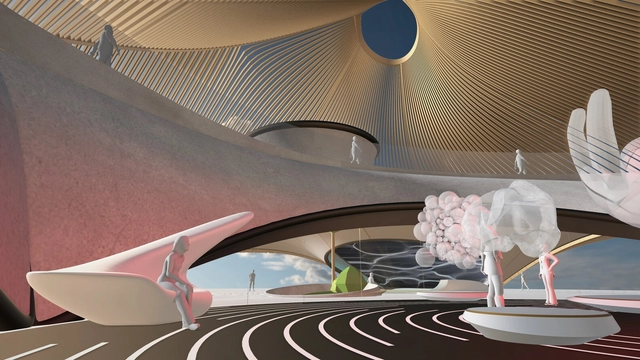
We live in a world where the experienced, remembered, and imagined, as well as different moments in space and time concerning the past, present, and future are inseparably blended. As of recent, we are being offered various mediums to gain access to other planes of existence, utilizing immersive technologies like virtual and augmented reality (VR and AR), creating a pathway to the metaverse in which we are transported to spaces that are capable of feeling more ‘real’ than anything we presently experience.
No País dos Arquitectos is a podcast created by Sara Nunes, who also runs the architectural film production company Building Pictures. The podcast aims to introduce the professionals, projects, and stories behind benchmark contemporary Portuguese architecture. With just over 10 million inhabitants, Portugal is a highly intriguing country within this professional field, and its architectural output far outstrips its population and territorial scale.
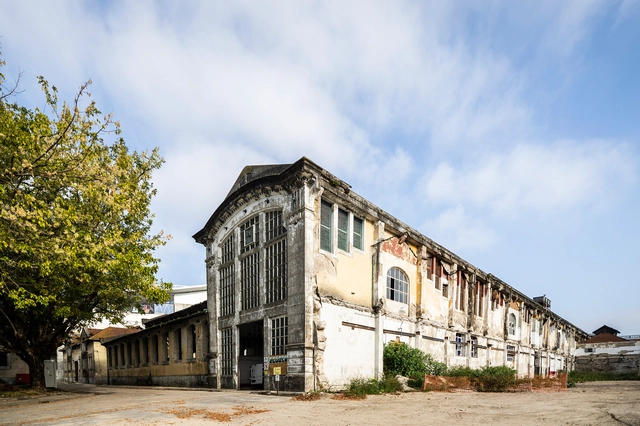
In this episode of the fourth season, Sara talks with architect Diogo Brito from the firm OODA about the conversion project of the former Campanhã Industrial Slaughterhouse in Porto, co-designed with Kengo Kuma.
The design of cabinets and shelves is fundamental for the composition of the interior of a house. Their functions can be the most diverse - home libraries, storage, artwork and decorative elements display -, but with a little architectural ingenuity it is possible to make them protagonists, adding not only an aesthetic value to the room, but making the environment more versatile. Therefore, we have separated some tips and references to inspire your next project.
Aiming to recognize initiatives that benefit Brazilian architecture and cities, the 5th edition of the FNA Award (Prêmio FNA 2022) has announced its winners. The national news portal ArchDaily Brasil, the Rio de Janeiro-based non-profit organization Comunidades Catalisadoras (ComCat), and the Fab Social project from Guarulhos (SP) will receive the award on November 26 during the 46th National Meeting of Architects and Urban Planners Unions (46th ENSA) in Brasília (DF). The decision involved former presidents and the organization's current president, Eleonora Mascia, who highlighted the projects' contributions to both the professional community and Brazilian society.
https://www.archdaily.com/1132408/fab-social-catalytic-communities-and-archdaily-brasil-win-the-2022-fna-awardArchDaily Team
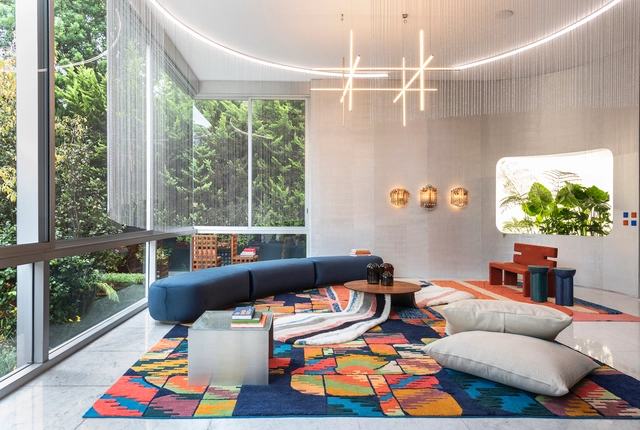
On October 13, Design House opened in Mexico City. As it does every year, the event showcases a series of installations integrating disciplines such as design, architecture, and interior design. Over the course of ten years, across various properties, it has presented cutting-edge proposals from more than one hundred participating firms in collaboration with the showrooms of the Ruta del Diseño (Design Route), which provide the pieces and accessories that bring the diverse spaces to life.
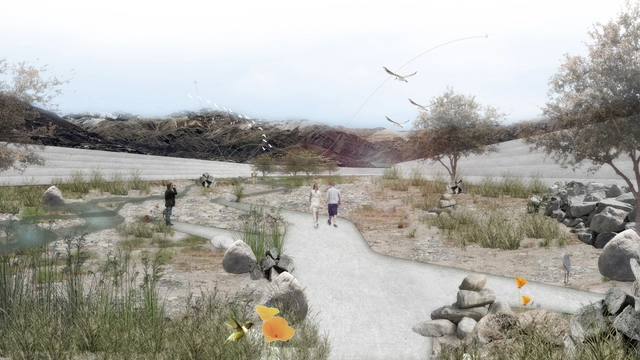
The Mapocho Vivo Foundation was formally established in 2020 on the initiative of Joaquín Moure, an agricultural technician and muralist, who since 2019 had been captivated by the flora and fauna he found in the river when everyone else believed it to be lifeless, waste-filled water. Today, the project has established itself as an organization that maintains cleanliness, protects, and plans the future of the 110-kilometer biological corridor spanning 16 municipalities of Santiago de Chile, operating under the understanding that architecture must embrace natural ecosystems to integrate them into urban systems.