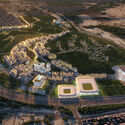
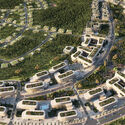
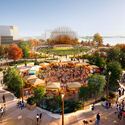
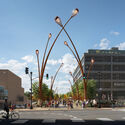
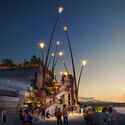
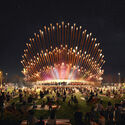
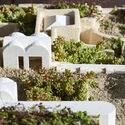
Baku Expo City masterplan, ZHA, 2026. Image Courtesy of ZHA
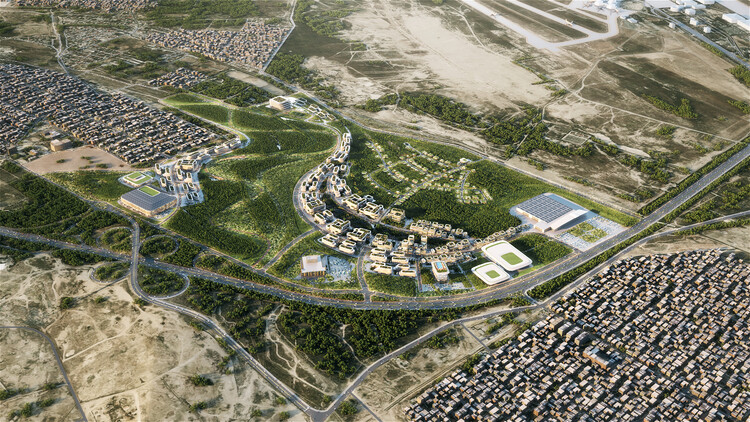
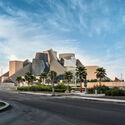
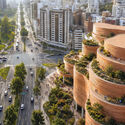
ZHA has been selected to design a new 198-hectare urban district in Baku, Azerbaijan. The project surrounds the existing Baku Expo Center events venue in a pine forest area that is planned to be preserved. The plan responds to the city's population growth over the past decade with a masterplan to organize the provision of a wide variety of residences. This is the firm's second project in Baku, after the Heydar Aliyev Center cultural venue, completed in 2013. On a different scale, the buildings in the new district appear to follow the geometric style inherited from Zaha Hadid, in a series of white buildings with rounded edges that convey an idea of fluid architecture.
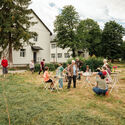
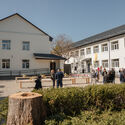
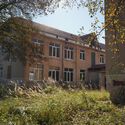
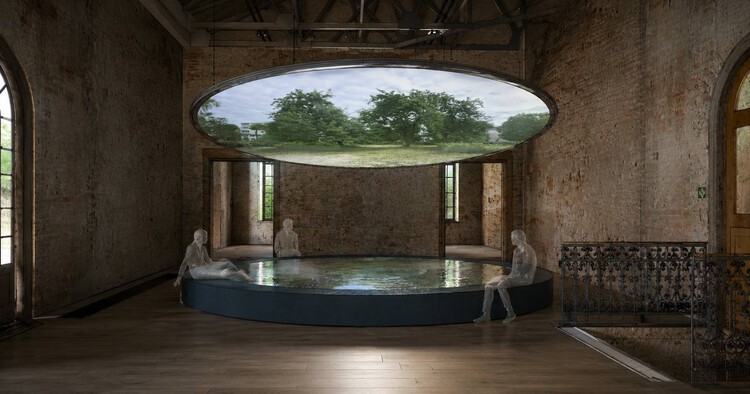
The Ukrainian pavilion at the 20th International Architecture Exhibition – La Biennale di Venezia is being designed by the team from CO-HATY, a local volunteer initiative restoring abandoned buildings in the country to transform them into stable homes for internally displaced people. The team is formed by METALAB and relocated members of the Ukrainian Urban Curators agency, who have been developing CO-HATY since 2022. Titled "Pool of Questions," the project poses a question the organization argues is rarely voiced in the context of survival: not simply where displaced people should live, but when they can begin to live. For Venice, the imagined installation extends the restoration and adaptive reuse work into a discourse on affordable housing, dignity and rest during an ongoing war.
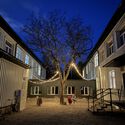
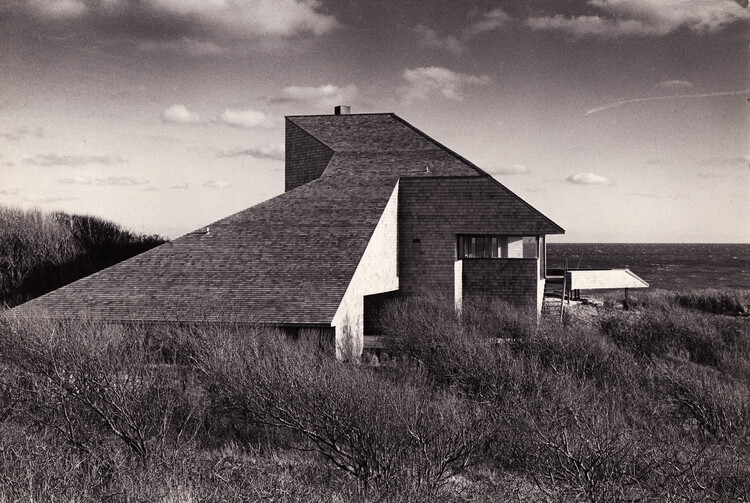
Norman Jaffe, Krieger House , Montauk, New York, 1975. Black and white photograph, 9 x 12 in. Courtesy Norman Jaffe Archives. Photo: Bill Maris. From the 2026 grant to Wandering Eye Studios for the film "Vanishing Point: An Architect’s Journey". Image Courtesy of The Graham Foundation
Since 1956, the Graham Foundation for Advanced Studies in the Fine Arts has fostered the development and exchange of ideas about architecture and its role in the arts, culture, and society. It awards project-based grants to individuals and organizations each year, and hosts public exhibitions and lectures. In June, the foundation announced the recipients of its 2026 Grants to Individuals program, awarding 54 projects that investigate architecture through exhibitions, films, publications, and research initiatives. In a second round announced this week, the organization has allocated funding to projects run by organizations with the same objective: expanding architectural discourse through diverse materials and cultural media.
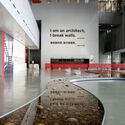
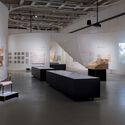
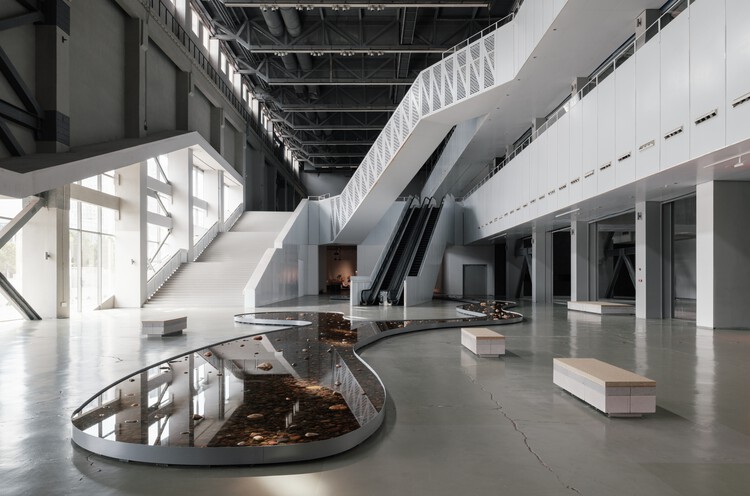
From 25 July to 25 October 2026, Shanghai's Power Station of Art (PSA) will host the first exhibition in China dedicated to the work of Brazilian architect Lina Bo Bardi. Titled "The Poetics of Survival," the exhibition was curated by Renato Anelli, and the display was designed by OPEN Architecture in a 2,300 m² space of the PSA contemporary art museum in Huangpu. The objective was to design "a stage where the audience gets a glimpse of the everyday reality of Brazil in Lina's time" through a journey across the architect's work and layered persona. The exhibition is not described as a retrospective, but as an "encounter with the master's poetics of survival," a late-20th-century concept describing how creative work becomes a tool to endure trauma such as historical oppression or extreme crisis. The concept serves as a common thread linking the reality portrayed and contemporary observers of a body of work "informed by her ingenuity, versatility, and generosity."
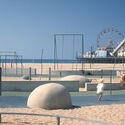
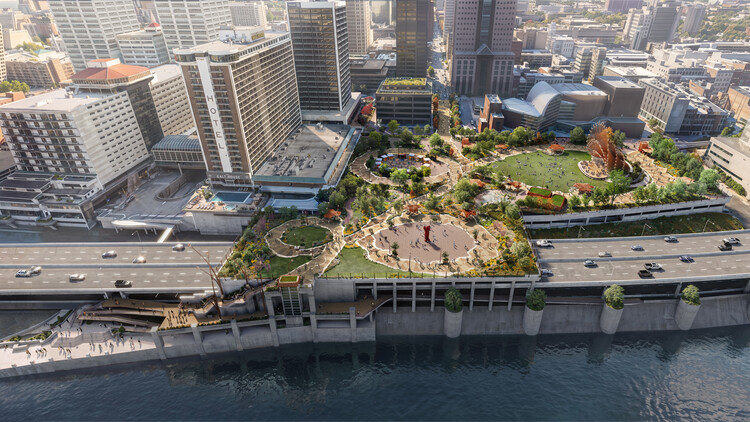
Louisville's Belvedere in Kentucky is a 53-year-old gathering place for concerts, festivals, and community events. The elevated concrete plaza was built on top of the city's largest parking structure and stands over a major highway overpass. Since 1973, it has functioned as a riverfront civic space for events and large gatherings, but its use as a casual public space is in evident decline. In its current state, the space lacks shade, greenery, and amenities, while the concrete deck has worn over the years. In February 2025, Heatherwick Studio unveiled the first images of its vision to transform the Belvedere, a project commissioned by the city's mayor and the Louisville Metro Government. This week, the firm released new images of the redesign as an open, green, and flexible space connected to downtown Louisville.
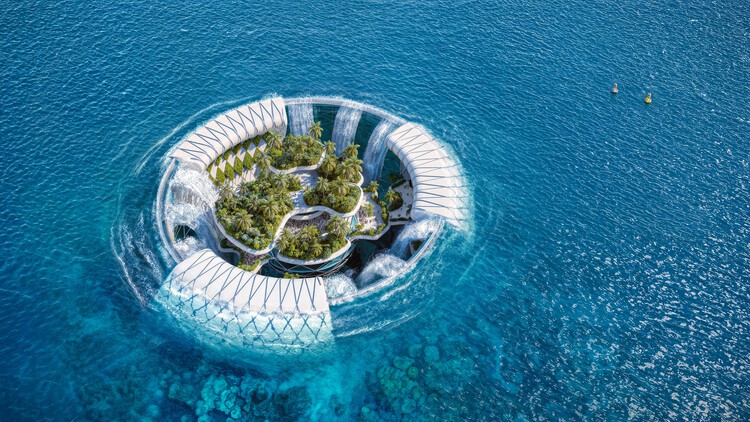
Getting away is a long-held fantasy and desire. In literature, film, and music, people have created imaginary journeys, possible worlds, and settings for enjoyment. It is that fantasy that fuels a specific architectural typology: the hotel. Against a backdrop of scrutiny of tourism, the climate costs of travel, and the competition and externalities associated with short-term rentals, that fantasy takes on even more striking forms. A hotel is no longer just a place to stay, but a space for enjoyment that can encompass a wide range of activities, such as entertainment, relaxation, sharing a meal, and even working. This diverse range of concepts takes on organic and impressive forms in the seven unbuilt projects compiled in this article, which range from urban hotels to beach resorts.
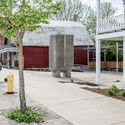
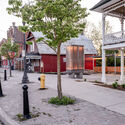
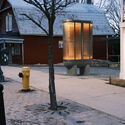
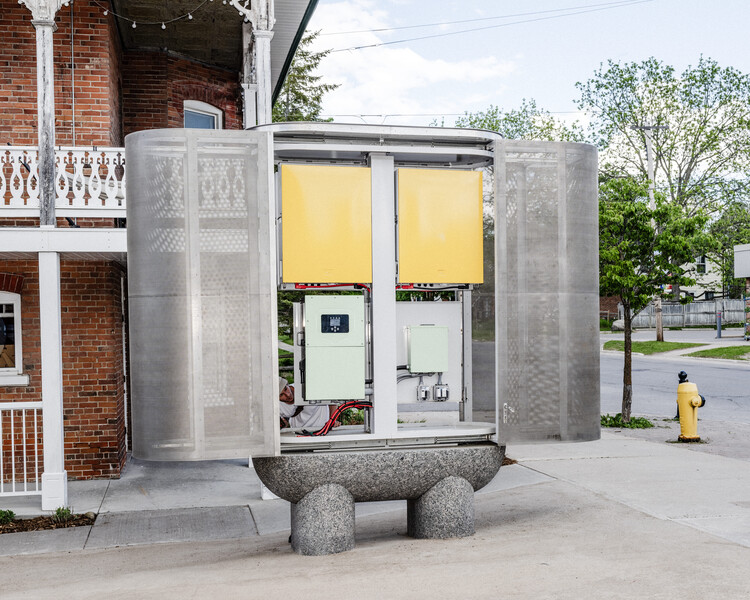
Against a backdrop of climate change, inflation, and armed conflict, the global energy system is undergoing change and facing scrutiny. As stated by the United Nations, buildings must be heated, lit, and electrified through clean, accessible, affordable, sustainable, and reliable power sources. Architecture and urban planning can contribute both to expanding energy access and to exploring different forms of storage. The Toronto-based startup Civic Grid designs and builds energy storage systems with the aim of changing the relationship communities have with the electrical power behind everyday life. Their first architectural battery was designed as public architecture by architects Jack Self and Josh Harskamp with industrial designer Max Fine. The prototype is the evolution of a deployable energy system developed with Lisbon Civil Defence for the Lisbon Architecture Triennale 2025, still in operation, and is paired with a scale model.
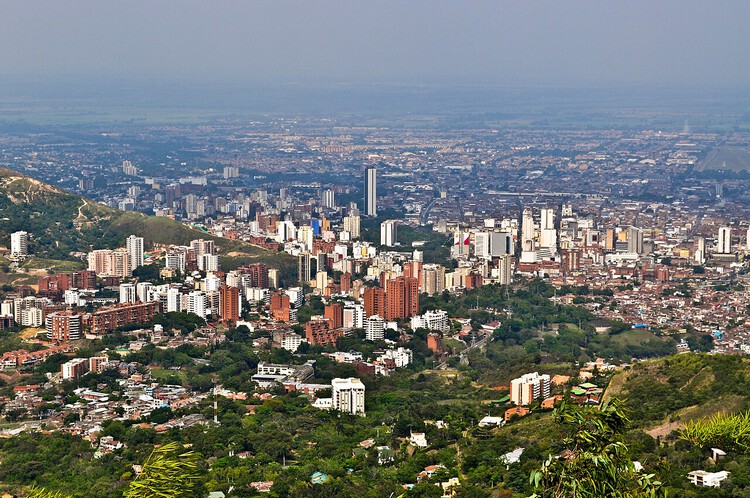
On Monday, 10 August 2026, a magnitude 7.4 earthquake struck Colombia's Pacific and Caribbean coasts. While the seismic event lightly affected the southern border of Panama and the northern border of Ecuador, Colombia has declared a national state of emergency. The earthquake has caused 111 deaths according to official reports, with the toll expected to rise as search and rescue efforts continue. According to the Servicio Geológico Colombiano (SGC), the epicentre was located 96 kilometres beneath the surface near San José del Palmar, a rural area in the northwest of the Chocó province. Infrastructure damage extends to densely populated cities including Cali, Pereira, Manizales, and Armenia, affecting an area with a population of about 3.5 million people. This seismic event follows four others that occurred less than two months ago in Japan, the United States, and Venezuela, adding to reconstruction efforts already underway worldwide.
Every year on August 9, and since 1994, UNESCO has commemorated the International Day of the World's Indigenous Peoples. The United Nations has not yet adopted an official definition for the term 'Indigenous peoples,' but considers, for social recognition, self-identified non-dominant groups of society, with distinct language, culture, and beliefs, organized in separate social, economic, and political systems. From a territorial perspective, the UN understands the term through historical continuity with pre-colonial or pre-settler societies, and the group's strong links to territories and surrounding natural resources. The persistence in maintaining and reproducing ancestral environments and systems is also recognized as an element of identity, encompassing other designations such as first peoples/nations, aboriginals, or ethnic groups. Following the occasion's aim to raise awareness, in this article we present contemporary reflections, regional cases, and interviews about ancestral constructive knowledge and how it can build the future.
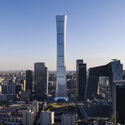
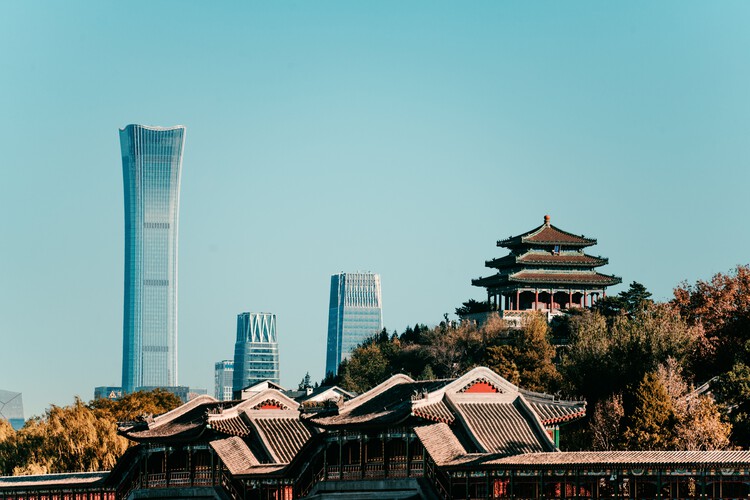
UNESCO-UIA World Capital of Architecture is a title created jointly by UNESCO and the International Union of Architects (UIA). On 5 August 2026, Beijing was named World Capital of Architecture for 2029, a title awarded every three years to a city that hosts a year of architecture-focused programming timed to coincide with the UIA World Congress of Architects. The designation was made upon the recommendation of the Joint Committee for the World Capital of Architecture, chaired by architect Dominique Perrault. It follows the recent conclusion of the UIA World Congress of Architects 2026 in Barcelona, current World Capital of Architecture, and builds on the experience of Rio de Janeiro and Copenhagen.
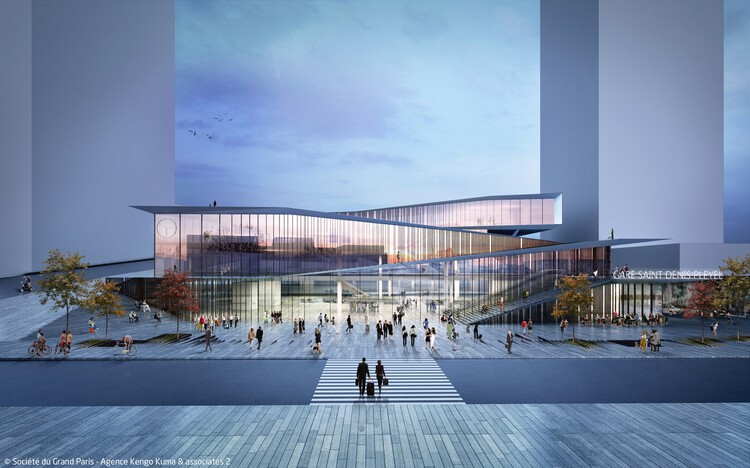
The Grand Paris Express project consists of 200 kilometers of new, fully automated metro lines, 68 new stations, and four new orbital lines (15, 16, 17, and 18), in addition to the extension of Line 14. The network is being delivered in phases between 2024 and 2031: Line 14's 8 stations are fully operational following its 2024 extension, Line 18 is the most advanced of the new lines, with testing underway ahead of its first opening, and civil engineering is largely complete on many sections, with tracks, systems, architectural fit-out, and testing now progressing station by station. Each of the 68 stations is assigned to a specific architect or architectural team, sometimes in collaboration with landscape architects for above-ground elements.
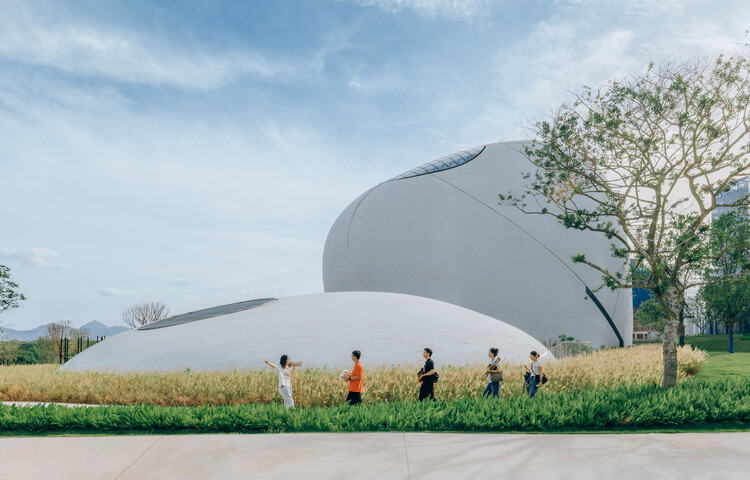
MAD / Ma Yansong's Shenzhen Bay Culture Square exhibition hall and park project began in 2018, with the project completed in 2020. The 188,000 m² building sits on a site area of approximately 51,000 m² along the city's waterfront, at the heart of Houhai, Nanshan District, the headquarters hub of Shenzhen's Greater Bay Area. The masterplan for the site, which includes the Creative Design Hall, the Shenzhen Science and Technology Museum, and a vast public green space, was announced by MAD in 2020 and was expected to be completed in 2023. After eight years, the project, led by Ma Yansong, Dang Qun, and Yosuke Hayano, is now complete and is intended to serve as a cultural facility for design and cultural exchange.
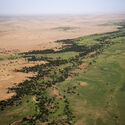
The idea of a "Great Green Wall" designates a large-scale reforestation initiative undertaken specifically to halt desertification. Currently underway in Africa to prevent the advancement of the Sahara Desert and in China around the Gobi Desert, it is a landscape, agriculture, economic, and social development project in reaction to the rise of global temperatures, over-farming, and unsuitable land management. Both projects, currently underway, are intersectional initiatives involving governments from different countries, civil society organisations, and both individual volunteers and organised groups, guided by the idea of a unified response to global environmental issues through wildlife restoration. It is a large-scale, infrastructural application of a 'green' or 'wildlife corridor': a linear strip of vegetation or natural landscape that connects fragmented ecosystems and wildlife populations separated by human development on a continental scale.
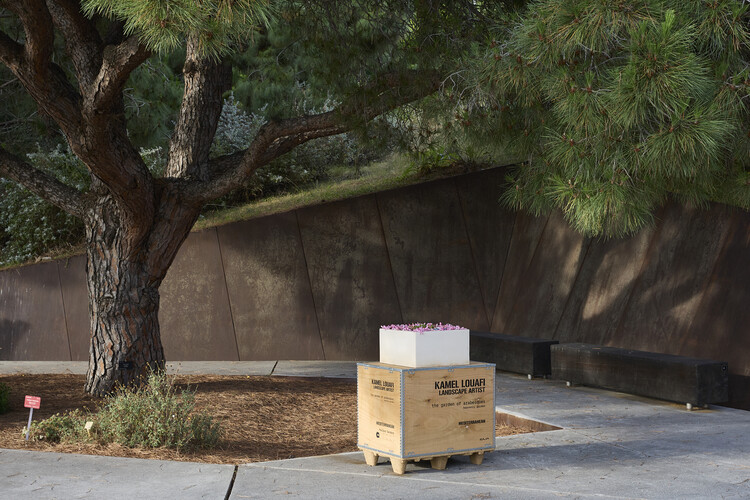
Parlour Gardens exhibition at Barcelona's Botanical Garden. June to October 2026. Image Courtesy of Marina Cervera
As part of the official programme for Barcelona as the UNESCO-UIA World Capital of Architecture, the Jardí Botànic de Barcelona is hosting "Parlour Gardens: Dreams from the Rooftop," a display of ceramic installations proposing a journey through landscape architecture. Curated by Marina Cervera (Barcelona International Landscape Biennial, CEO of NablaBCN), James Hayter (former president of IFLA, Oxigen), and José Luis Cortés (former president of the UIA), the exhibition marks a century since the 1926 invention of the jardinets de saló (living room or parlour gardens), miniature ceramic landscape worlds created originally by Nicolau M. Rubió i Tudurí, Llorenç Artigas, and Raoul Dufy. Installations by 14 global landscape architects will be scattered across the botanical grounds, grouped by homoclimatic zones to pair each design with fitting regional plant life, through 4 October 2026.
Contemporary housing architecture faces the pressing demands of the global housing deficit and growing urban populations. In architectural practice, we see recurring experimentation with new forms of collective living, taking on the task of offering spaces for personal, family, and community development. The six unbuilt projects presented here show us different facets of the decision to densify: the relationship with pre-existing and planned nature, the availability of urban or suburban land, the development of complementary intermediate spaces that support collective life and ease the experience of density, the replicability of densification models, and the relationship with the neighborhood that accommodates population growth.
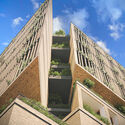
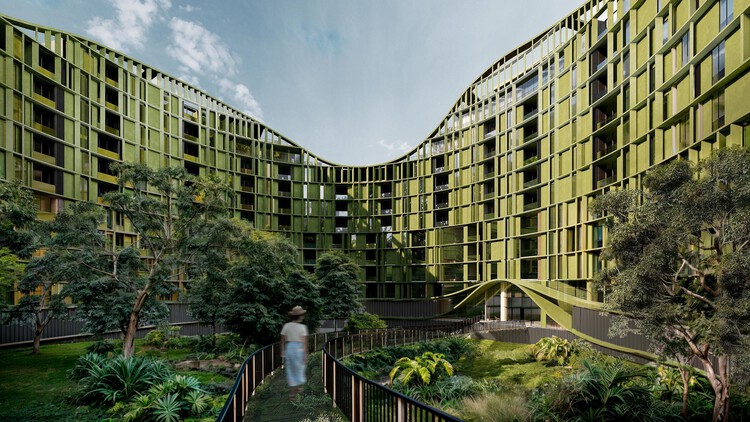
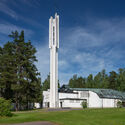
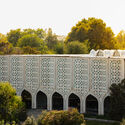
This week was marked by recognition and major announcements for the cultural industry. Amid international reports of both deliberate and natural destruction, UNESCO added 25 new sites of Outstanding Universal Value to its World Heritage List, protecting a diverse range of places that includes funerary landscapes and landmark works of modern architecture. Beyond heritage, contemporary architectural practice also received renewed recognition through Alejandro Aravena and Smiljan Radić, while new developments were announced for cultural projects across the United Arab Emirates, Ecuador, China, India, and the United States. Recent updates include the restoration of a landmark cinema in Los Angeles, a new museum dedicated to innovation and entrepreneurship in Bengaluru, and the topping out of a 39-story hybrid timber tower in Sydney.