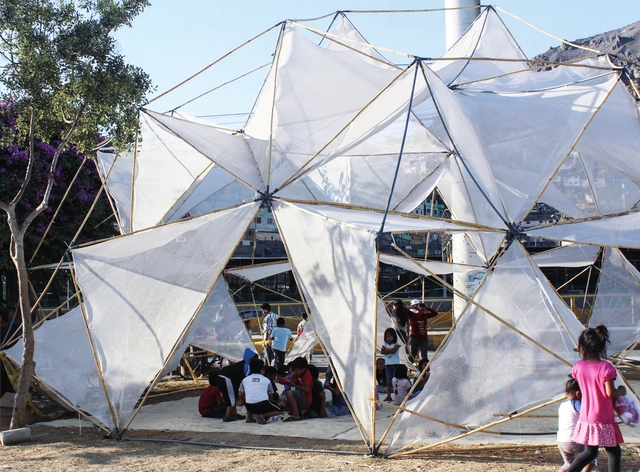
Amairis Community Sewing Workshop / ruta 4 taller. Image
Medellín-based firm Taller Síntesis shares the following article emphasizing the importance of recognizing the rural built environment—which accounts for most of the country's territory but not most of its architectural practice—in order to raise awareness of how architecture is directed and recognized in Colombia. Read on below.
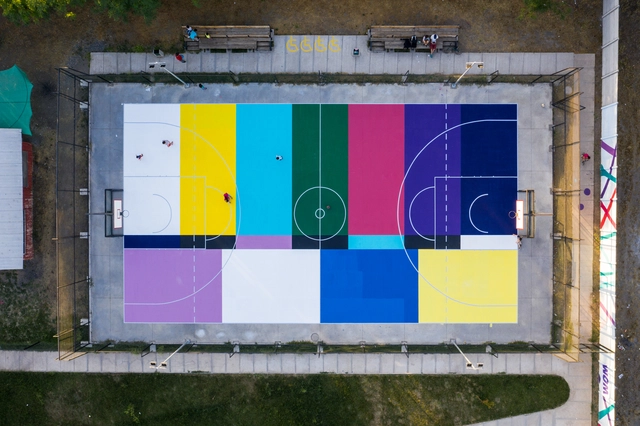
“Apaga la tele” por la artista Coni Lars. Ubicada en la comuna de Requinoa. Image Cortesía de Metro21
"Art at the service and disposal of the people"—this is the primary goal of Metro21, a Chilean urban art gallery dedicated to exhibiting works and managing projects for artists working in public space.
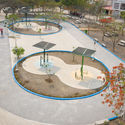
"De cancha en cancha" (From Court to Court) is their initiative to reclaim shared spaces that have fallen into disuse and disrepair across many of the country's localities—a common outcome of a lack of long-term upkeep.
1:1 Proyectos sobre los territorios del Perú is a book by Peter Seinfeld and Felipe Ferrer that summarizes their students' work over more than seven years.
https://www.archdaily.com/1123873/student-projects-at-a-1-1-scale-to-learn-about-the-different-territories-of-peruArchDaily Team
In a conversation for the third edition of Revista CLEA—an annual publication of the Latin American Coordinator of Architecture Students (CLEA)—Ecuadorian architect María Augusta Hermida explores the capacity to decolonize spaces and cities today.
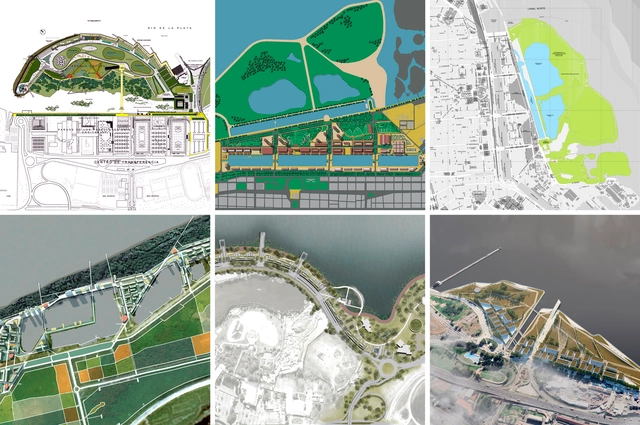
The recent controversy surrounding a bill that would permit the privatization and subsequent development of reclaimed waterfront land along the Río de la Plata in Buenos Aires, Argentina, has prompted renewed engagement with metropolitan infrastructure and regional planning issues. It has also sparked reflection on the role of society in urban planning, reopening debates over the transformation of the city's waterfront.
Tools developed for woodworking, along with new production, milling, and treatment techniques, have gradually yielded highly diverse, high-quality products in various sizes, strengths, tones, shapes, and colors. These advancements have allowed wood, as a resource, to meet a wide range of construction needs, serving as structural support, building envelopes, cladding, or furniture in a vast number of architectural projects.
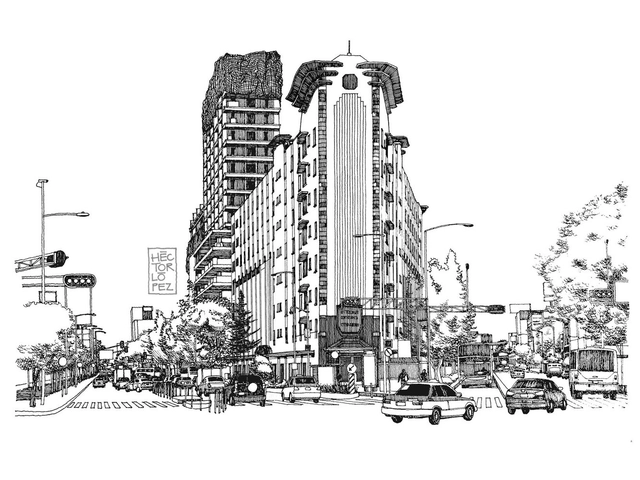
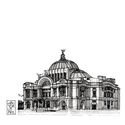
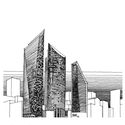
Croquis CDMX is an initiative led by Héctor López, founded eight years ago to foster and strengthen the connections between the eye, the brain, and the hand. The project seeks to portray life in Mexico City through freehand sketches. While architectural education is geared toward training professionals to design and construct buildings, Héctor—who studied at the Faculty of Architecture of the National Autonomous University of Mexico—views university education as “the axis of all elements: I already knew how to draw, and in school I became interested in construction, history, and theory. That was where drawing became disciplined. I would encourage students to draw, regardless of whether they think they can or not, because you discover things that you don't understand when drawing with software.”
At the same rate that the real estate development industry aggressively intervened in the most favorable areas of the city valley—backed by state approvals and concessions, supported by massive banking resources, and employing top individual talent trained at public universities—popular settlement neighborhoods grew proportionally across complex topographies, receiving minimal institutional support, completely devoid of financial backing, and with negligible, residual, if not non-existent, technical assistance.
https://www.archdaily.com/1123985/reclaiming-the-epic-of-self-produced-neighborhoods-approaches-from-san-agustin-del-sur-caracasMarcos Coronel, Madelaine Mendoza y Nathaly González
When analyzing an architectural project, we often focus on issues such as its programmatic demands and historical context, its design and representation process, and how it was built. We tend to study it as a finished product. Yet, once a work is constructed, it opens itself up to the city and to others, becoming vulnerable to flaws, imperfections, redevelopments, and unforeseen appropriations. The consequences then stem from conflicts, and social and political dynamics that shape the city, forming a fluid and shifting landscape.
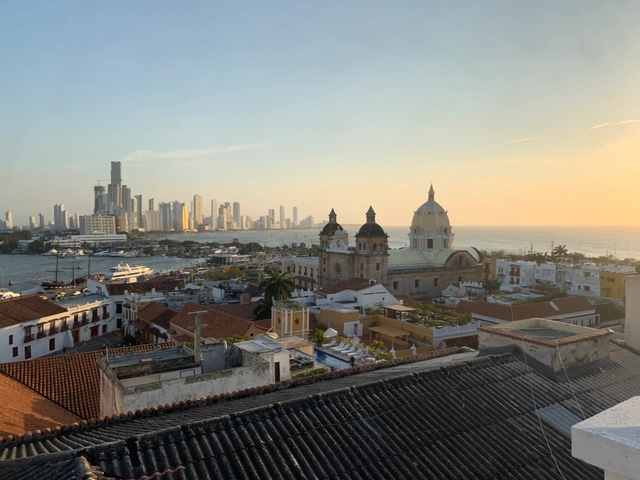
When we visit an urban destination—or perhaps a rural one as well—can we truly say we know it? A brief vacation in a tourist destination might give us an impression of what a place "is." However, this is a far cry from reality, as tourism has always manipulated the impression left on visitors, obscuring the actual lived experience of the place.
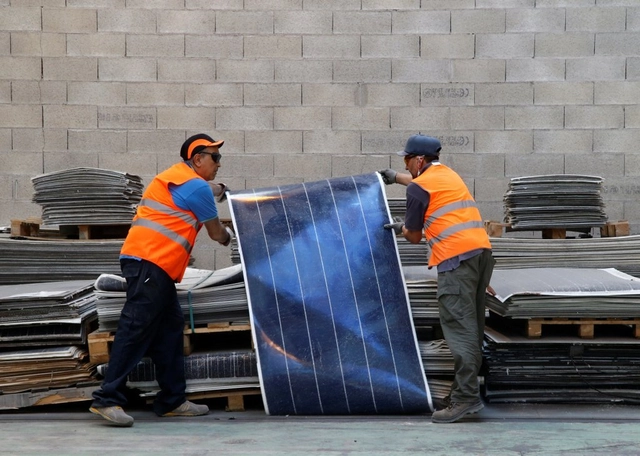
Photo: Jean-Paul Pelissier | Reuters. Via CicloVivo
Whenever we think of solar panels, the concept of sustainability immediately comes to mind. They are undoubtedly an effective solution for generating renewable energy; however, what few people realize is that solar panels are incredibly difficult to recycle. While this drawback should not discourage their adoption in buildings and solar power plants, it underscores that sustainability must remain a constant focus for these products, even after they stop working.
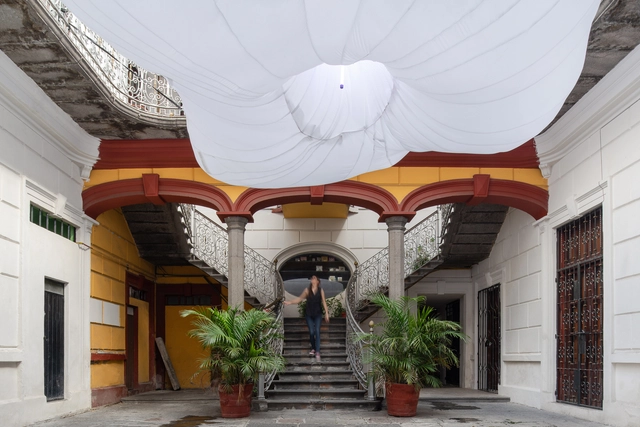
The city of Puebla, located in the central highlands of Mexico, is particularly well-known for its street layout and its predominantly Baroque architecture. A UNESCO World Heritage Site since 1987, it hosts a broad cultural dynamic centered on the preservation of built heritage and its appreciation from afar, as if it were a museum piece. Consequently, on our daily commutes, we notice the monumentality of its facades, while most often overlooking what lies behind the large wooden doors: what we have called “the heart of the Poblano home.”
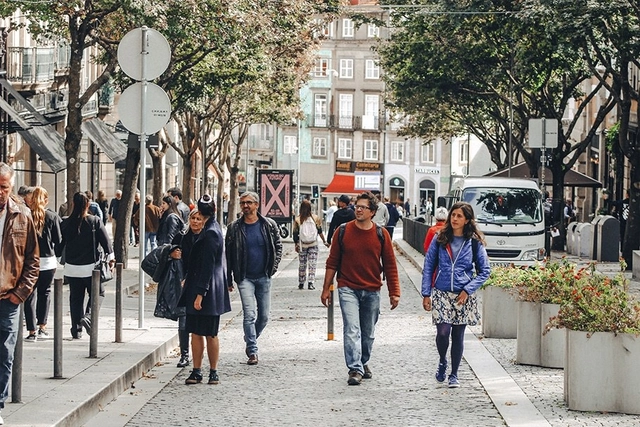
Street safety goes far beyond policing and lighting. While these factors may be important in certain contexts, community engagement and building social capital are key to making cities safer. “Feeling safe is crucial for people to embrace urban space,” says Jan Gehl.
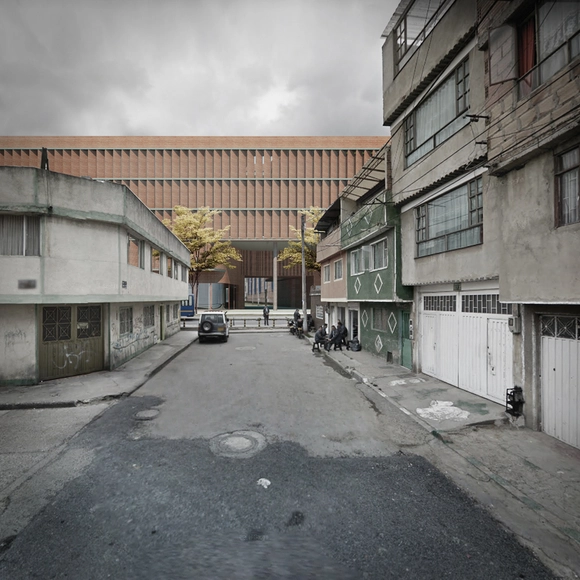
The year 2019 was one of the most prolific for public design competitions in Bogotá, particularly within the education sector. Recently, the results of the public architectural preliminary design competition for the Hipotecho School were announced, with the winning proposal submitted by the joint team of AR-AR (Martínez Arquitectura) + Fiallo Atelier + MEC arquitectura.
Cortesía de Facultad de Arquitectura y Diseño de la Pontificia Universidad Javeriana
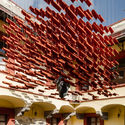
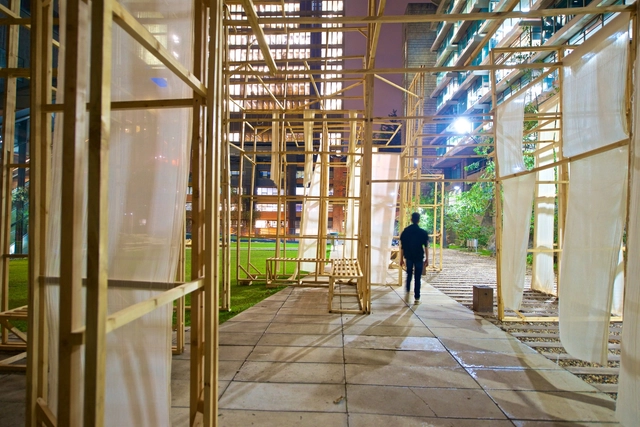
Academic architectural practice must push students and faculty toward constant adaptation and exploration. First-semester students at the Pontificia Universidad Javeriana built an intervention of ephemeral architecture using wood as a structural material in the arts building (prior to the state of emergency). This gave future architects the academic experience of hands-on construction during their very first semester in the department.
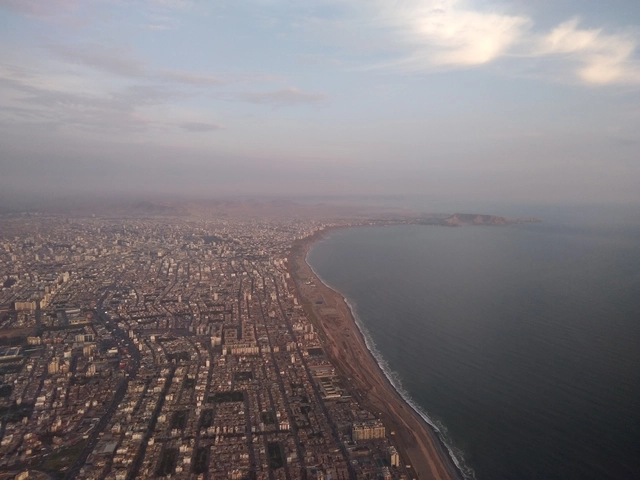
. ¿Cuándo será un gran espacio público? Costa Verde. Lima. . Image Cortesía de Humberto Viccina
After the state of emergency, nothing will return to the way it was. At that point, public and private spaces will routinely be occupied in ways that prevent transmission of a still-active virus. However, just as this situation has forced us to recognize our deficient healthcare system, it has also revealed how inadequate the spaces we inhabit often are.
In 2018, sociologist and cycling activist Marina Harkot defended her master's thesis Bicycles and Women at the University of São Paulo (USP). To develop a qualitative methodology examining the challenges faced by female cyclists in the city, she interviewed various women: those who bike to work, those who explore the city on two wheels, and those who love tackling the capital's rolling topography.
Her methodology succeeded in revealing a common thread among these diverse cyclists: “It is the network surrounding these women that seems to prompt them to start cycling and keep them riding — as well as female role models, the women (whether known to them or not) who ride and inspired them,” wrote the researcher.
Urban infrastructure. Photo by Denys Nevozhai, via Unsplash
When reality demands complex and unprecedented answers from us, one of the most interesting methods to find them is biomimicry, which consists of asking nature questions in search of inspiration. In this light, it is worth asking: how does nature deal with emergency situations where an organism's behavior must be quickly modified?
https://www.archdaily.com/1123556/the-intubated-city-also-needs-healingBarão Di Sarno
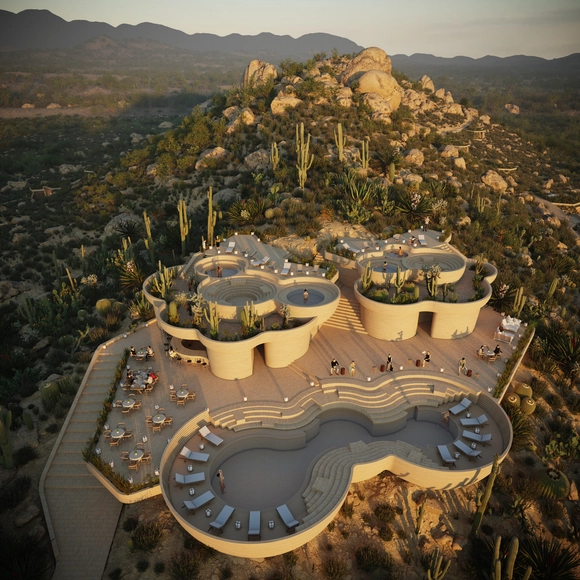
Rojkind Arquitectos + AmasA Estudio present a new project on a site named "Tres Cerritos" in Valle de Guadalupe, part of the wine route in the Francisco Zarco district of Ensenada, Baja California. The project arises from an understanding of nature's value and its historical use as a sanctuary and refuge, creating a hospitality concept that reconnects the visitor with the environment.
https://www.archdaily.com/1123562/rojkind-arquitectos-plus-amasa-estudio-present-the-ummara-project-located-in-valle-de-guadalupeArchDaily Team
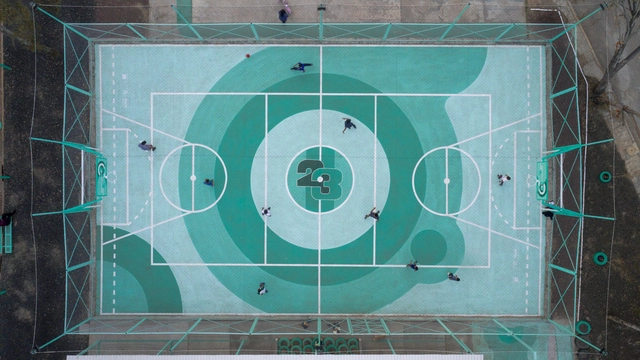
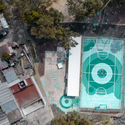
The “Xico-Parque Sur 23” project by the Mexican firm All Arquitectura grew out of the success of “Cancha La Doce,” which was developed in collaboration with love.fútbol and sponsored by the Pincus Family Foundation. Drawing on insights gained from previous projects on-site, the design and research process built upon an existing understanding of local needs and opportunities.
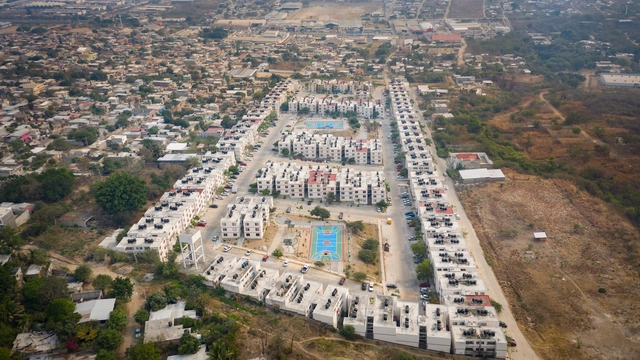
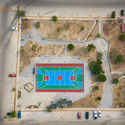
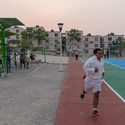
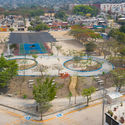
As part of an initiative by Infonavit to drive the recovery of three neighborhood parks in the city of Tuxtla Gutiérrez, Chiapas—“San Juan,” “Las Torres,” and “Canteras”—these housing developments lacked efficient infrastructure, resulting in a deteriorated urban image, high crime rates, and a complete lack of community ownership over public spaces. In response, T+E Arquitectos and Fracciona Arquitectura joined forces to transform these spaces, addressing the distinct requirements of each site.
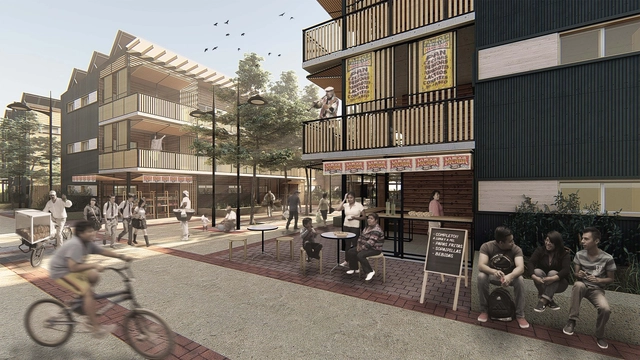
Designed and built by the team from Universidad Mayor, a sustainable social housing project featuring productive and commercial spaces was named the winner of Construye Solar 2019, the third edition of the Chilean competition organized by Ruta Solar.
https://www.archdaily.com/1123568/discover-the-winning-sustainable-social-housing-projects-of-construye-solar-2019ArchDaily Team
Podcasts are a relatively recent medium in Brazil, but they are on the rise and growing rapidly in popularity. A survey by the Deezer platform showed that podcast consumption in Brazil grew by 67% in 2019. Far from a passing fad, this format is being used for entertainment, information, and even as a pedagogical resource for educators.
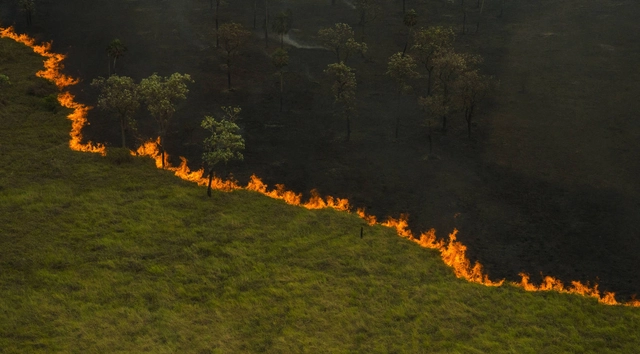
Among the wide variety of topics available, many shows have fostered debates about the environment, especially regarding the Amazon—considered one of humanity's most valuable natural heritages and the largest natural reserve on the planet.
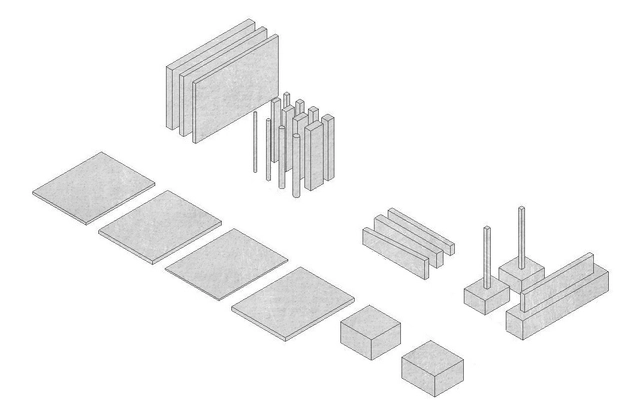
BIM, the acronym for Building Information Modeling, utilizes information-rich 3D models to create the built environment and extract the data necessary for the documentation and construction of architectural projects. This is achieved by modeling various components—such as doors, windows, columns, and walls—which together make up an architectural project. Materials, however, are not 3D components in BIM; instead, they are part of the composition of these components. In this article, we will look at how materials behave in BIM, using the products offered by Melón Hormigones as an example.
Any 3D component created in Revit can have a Material parameter. Whether configured in the project or within the specific family, this material contains a series of default, customizable, and modifiable settings to provide technical and graphic data, as well as physical properties, to the 3D component.

.jpg?1591226080&format=webp&width=640&height=580)


















.jpg?1600432189 "© Shutterstock")