Recorded on August 31st, 2011 at the architect’s New York office
I first met Daniel Libeskind on December 18, 2002, when he presented his vision for the New World Trade Center at the newly restored Winter Garden of the World Financial Center. I see that morning as the birth of starchitecture phenomenon and him as the very first starchitect, as he presented first in front of the mainstream world media and the way he did it, it was clear – here is the winner. Something clicked, and I thought – I must interview this great architect, even though I have never interviewed anyone before. But as soon as he left the stage, the man was mobbed by the press. Dozens of superficial questions flew his way… I looked across the grand atrium and saw the architect’s wife, Nina, standing proudly, but alone. We had a quick chat and set up my very first interview for the following day!
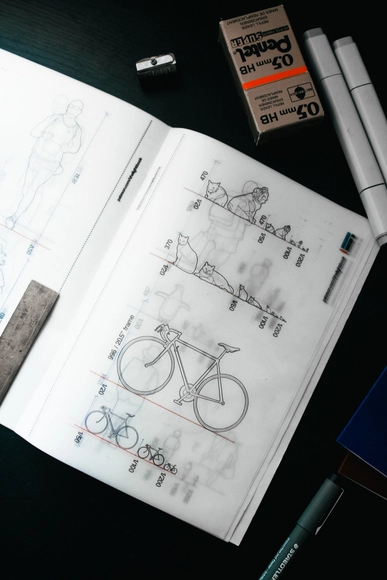
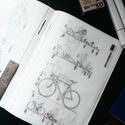
Though many designers today spend their working hours immersed in computer drawing programs, few would deny that hand-drawn work still holds a unique beauty. The traditional lightbox as a drafting tool has become sadly scarce in the modern architectural practice, but architecture graduate Tom Williams hopes to encourage more people to utilize them once again with his free monthly zine, The Lightbook.
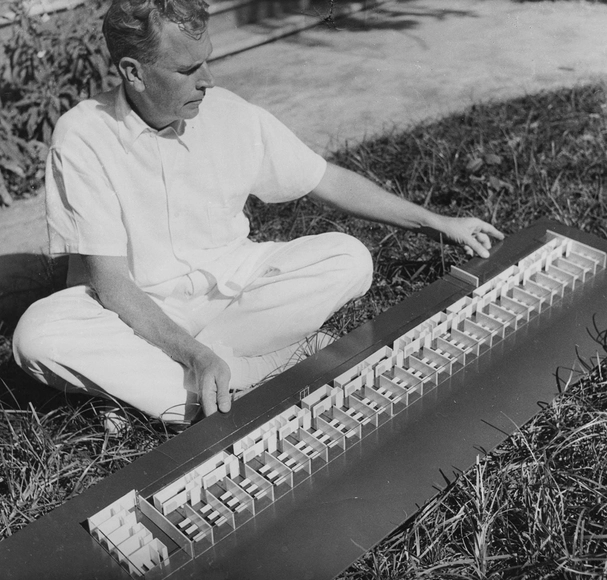
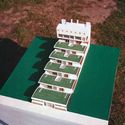
Amancio Williams con maqueta del proyecto para Tres hospitales en Corrientes. Image Cortesía de Archivo Williams - Director Claudio Williams
Discussions of Amancio Williams's architecture typically focus on his built work—the tangible side of his profession. Yet beyond being a great architect, he was a researcher, creator, avant-gardist, and visionary. Constantly studying the technical possibilities of his era, he approached his theoretical development and architectural thinking as if the field were a laboratory.
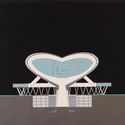
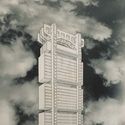
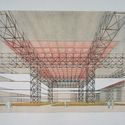
This is evident in the projects Williams developed for dwellings in space (1942), the hall for plastic spectacle and sound in space (1942), the Buenos Aires airport (1945) the suspended office building (1946) and the first city in Antarctica (1980), which we explore below.
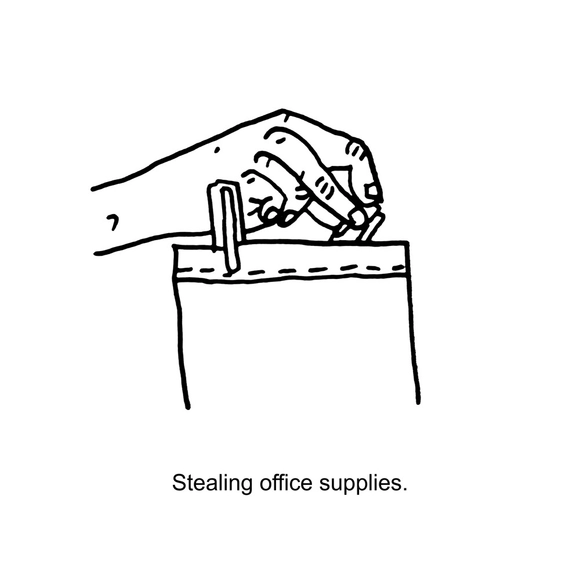
Everyone is blameworthy for at least one bad habit / behavior at his/her workplace: talking on the phone too loudly, stealing someone else's mug, walking around the office with a very odorous lunch...
After a little reunion with her friends who work in the architecture field, illustrator Chanel Dehond couldn't help but notice a few "crimes" that almost all architects are guilty of.
Take a look at Dehond's illustrations of the petty crimes done by architects and designers.
E-scooter rider in Austin, Texas. Photo: James Cage/Flickr
Scooters are the latest trend in the new mobility landscape. You have likely seen someone riding one of these small yet agile two-wheeled vehicles in a major city. Following the explosive growth of ride-hailing apps and bike-sharing systems, it is now the turn of scooters, which logged 38.5 million trips in the United States in 2018 alone.
https://www.archdaily.com/1121964/are-the-e-scooters-taking-over-cities-safe-a-look-at-the-evidenceAlejandro Schwedhelm, Anna Bray Sharpin e Claudia Adriazola-Steil
The use of steel in architecture is considered as one of the most innovative construction developments in history, allowing architects to create structures in scales they never thought they could. Fast-forward a few centuries, and steel remains as one of the most crucial materials in architecture. But there is a lot more to the material than just tensile strength and durability, some architects were well-aware of steel's potential and transformed it into lighting fixtures, facades, decorative elements, and finishes.
Here are 15 projects where architects looked beyond steel as structural support and explored its diverse possibilities in architecture.
Past, Present, Future is an interview project by Itinerant Office, asking acclaimed architects to share their perspectives on the constantly evolving world of architecture. Each interview is split into three video segments: Past, Present, and Future, in which interviewees discuss their thoughts and experiences of architecture through each of those lenses. The first episode of the project featured 11 architects from Italy and the Netherlands and Episode II is comprised of interviews with 13 architects from Spain, Portugal, France, and Belgium.
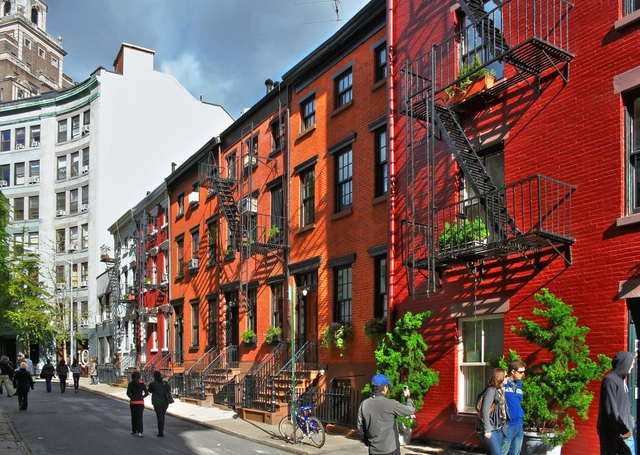
The word “gentrificação” is the Portuguese rendering of the English term gentrification, first used, in all likelihood, by British sociologist Ruth Glass in her book London: Aspects of Change (1964), where the author described and analyzed certain changes in the spatial organization of the city of London. The term gained popularity after its use in academic works on the subject, accompanying an urban phenomenon present across various periods and spaces: the gradual or sudden displacement of residents and users living in precarious conditions from a given street, urban area, or neighborhood to another location, making way for the appropriation by residents and users of higher economic and cultural status.
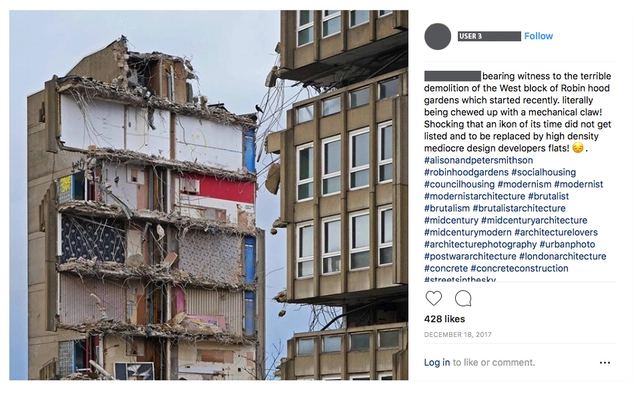
In this article, Beatriz Coeffé Boitano presents a portion of her Master’s thesis in Arts and Cultural Management at King’s College London, titled “Brutalism Revival: media as active spaces of urban memory.” The piece reflects on the documentation and construction of a collective discourse around urban memory through social media platforms, focusing on the demolition of the brutalist Robin Hood Gardens complex by Alison and Peter Smithson.
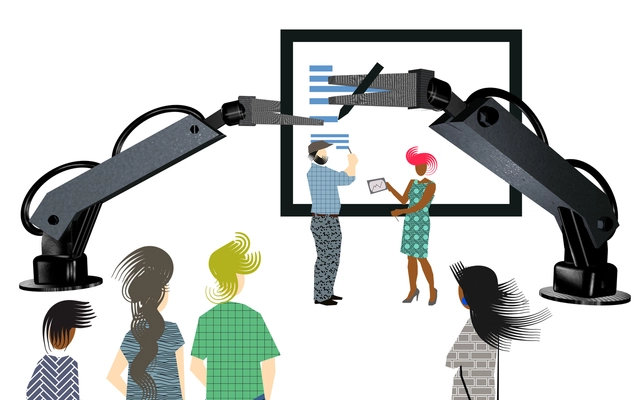
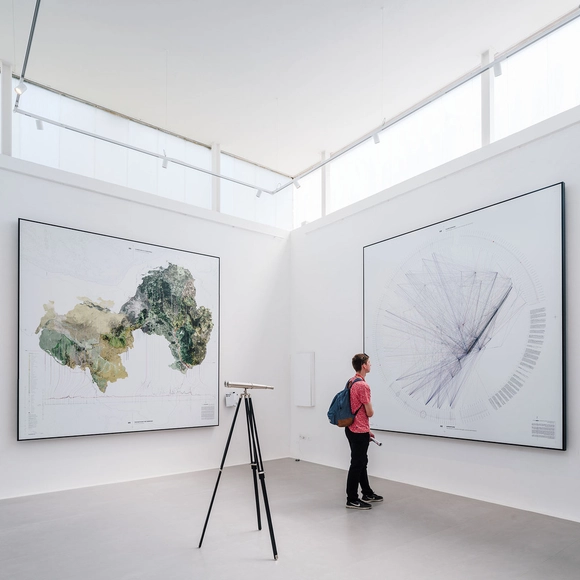
What happens when the sensor-imbued city acquires the ability to see – almost as if it had eyes? Ahead of the 2019 Shenzhen Biennale of Urbanism\Architecture (UABB), titled "Urban Interactions," ArchDaily is working with the curators of the "Eyes of the City" section at the Biennial to stimulate a discussion on how new technologies – and Artificial Intelligence in particular – might impact architecture and urban life. Hereyou can read the “Eyes of the City” curatorial statement by Carlo Ratti, the Politecnico di Torino and SCUT. If you are interested in taking part in the exhibition at UABB 2019, submit your proposal to the “Eyes of the City” Open Call by May 31st, 2019: www.eyesofthecity.net
https://www.archdaily.com/917723/seoul-city-machine-liam-young-for-the-shenzhen-biennale-uabb-2019Liam Young
The new workplace paradigm, driven by digital transformation, is introducing significant changes to employee profiles and the roles people perform within their work environments. At Actiu, these shifts represent an opportunity to turn workspaces into strategic levers of change, allowing organizations to align their transformation goals with the well-being and satisfaction of their workforce.
The architecture industry is a shadow of its former self. In a world where most services are acquired online, architects who ignore digital marketing are digging their own graves. Those who thrive leverage technology and digital marketing tools effectively, establishing a stronger online presence and securing more potential leads—opportunities that will surely pass you by if you are making the following six mistakes:
Since 1980, with the first exhibition dedicated exclusively to architecture, titled The Presence of the Past and directed by Paolo Portoghesi, the Venice Biennale has positioned itself as a turning point in the history of contemporary architecture. Since then, 16 editions have occupied the spaces of the Giardini and the Arsenale, addressing themes ranging from the fundamental elements of architecture to the future of the discipline.
It is expected that within the next few of decades, Earth will have absolutely nothing left to offer whoever/whatever is capable of surviving on it. Although the human race is solely responsible for the damages done to the planet, a thin silver lining can still be seen if radical changes were to be done to the way we live on Earth and how we sustain it.
Since architects and designers carry a responsibility of building a substantial future, we have put together an A-Z list of every sustainability term that you might come across. Every week, a new set of letters will be published, helping you stay well-rounded on everything related to sustainable architecture and design. Here are the terms that start with letters D, E, and F.
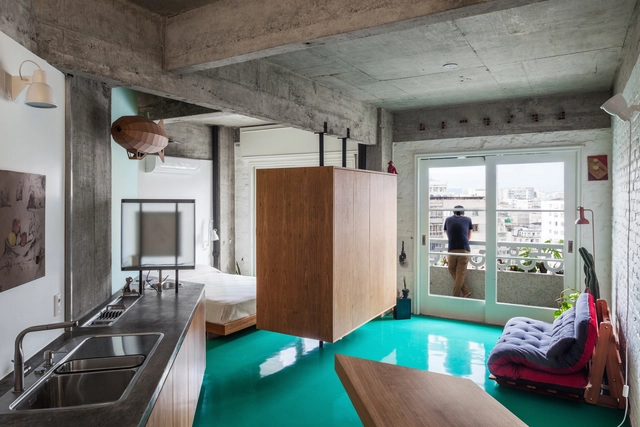
For several months, we have been publishing compilations of Brazilian residential projects across various themes in our Casas Brasileiras series. With this in mind, and considering the diverse challenges and scales that shape architectural practice—and, above all, contemporary living—we are launching our first article in the *Brazilian Apartments* series today. In it, we will explore the design challenges, innovative solutions, and new materialities of this housing typology.
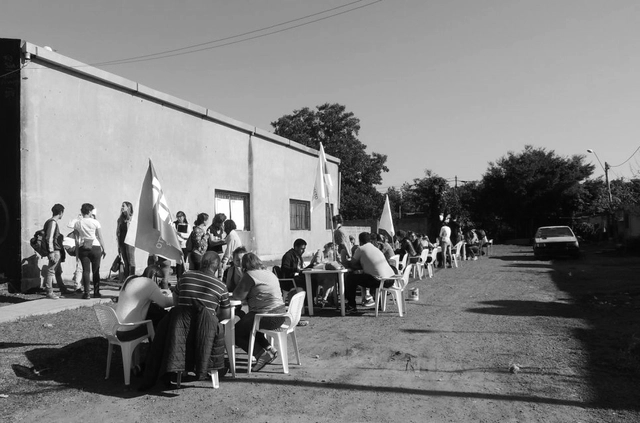
On this occasion, Camila Costa Curta shares her experience with the Proyecto Habitar (PH) collective alongside Julian Salvarredy and Clara Mansueto, addressing the housing crisis in the metropolitan area of Buenos Aires and the teaching and learning processes in contexts of inequality through the 'Primary Habitat Care Clinics' project. Read the full story below.
https://www.archdaily.com/1120989/primary-habitat-care-clinics-a-politico-pedagogical-experience-in-a-social-housing-complex-in-buenos-airesCamila Costa Curta
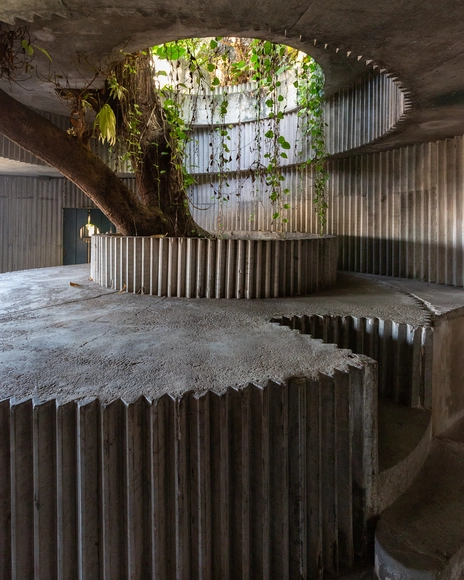
Photographer Manuel Sá shared with us his perspective on the Coati Restaurant, designed in 1987 by Lina Bo Bardi, João Filgueiras Lima - Lelé (precast reinforced mortar), Marcelo Ferraz, and Marcelo Suzuki.
The entire complex—comprising a restaurant, a bar, and three historic houses converted into nine apartments with ground-floor commercial space—is located in the Pelourinho district of Salvador, and is part of the pilot project for the Bahia Historic Center Recovery Plan proposed by Lina. The restaurant is unfortunately abandoned and falling into disrepair, as is the rest of the complex.
https://www.archdaily.com/1121142/coati-restaurant-by-lina-bo-bardi-and-lele-through-the-lens-of-manuel-saPedro Vada
Photographer Manuel Sá shared with us his photo essay of the Coati Restaurant, designed in 1987 by Lina Bo Bardi, João Filgueiras Lima - Lelé (precast reinforced mortar), Marcelo Ferraz, and Marcelo Suzuki. The complete complex—comprising a restaurant, a bar, and three historic houses slated to be converted into nine apartments with ground-floor commercial space—is located in Salvador's Pelourinho district and is part of the Pilot Project for the Recovery Plan of the Historic Center of Bahia, proposed by Lina. Unfortunately, the restaurant is currently abandoned and falling into ruin, as is the rest of the complex.
https://www.archdaily.com/1122300/coati-restaurant-designed-by-lina-bo-bardi-and-lele-through-the-lens-of-manuel-saPedro Vada
Many pioneers are ill-timed, arriving too early. José Miguel de Prada Poole [1938-present] is no exception, occupying his place in history as one of the most unique, unconventional, and highly individualistic architects of the 20th century in Spain. A pioneer of pneumatic architecture, his approach was undoubtedly shaped by the pop trends of the era, represented by figures like Archigram, Archizoom, or Team 10. He was always peculiarly interested in the avant-garde's “mobile and deployable work,” specifically exemplified by structures capable of providing variable responses to changing uses. Ultimately, he can be considered one of the first architects to introduce concepts like "sustainability" into a purely architectural context: all of his works minimized energy consumption or were capable of generating microclimates on their own.
The construction industry drives considerable economic activity worldwide, generating countless jobs and substantial revenue. At the same time, it also carries significant negative impacts, ranging from the depletion of natural resources to high levels of waste generation during both construction and demolition phases. To put this in perspective, in Brazil, Construction and Demolition Waste (CDW) is estimated to account for 61% of all waste generated, while household waste represents 28% [1].
Talieh Ghane researches the interaction between light and health at the California Lighting Technology Center. We talked about the biological vs. visual system of light, how to synchronize your circadian clock for better health, how light is like a drug, and why you shouldn’t be on your phone right before bed (guilty).
https://www.archdaily.com/917345/what-is-healthy-lightingSponsored Post






.jpg?1558681492&format=webp&width=640&height=580)
.jpg?1558680317 "© Ket Kolektif")
.jpg?1558681492)





.jpg?1557928245 "Cortesia de Santa Luzia")