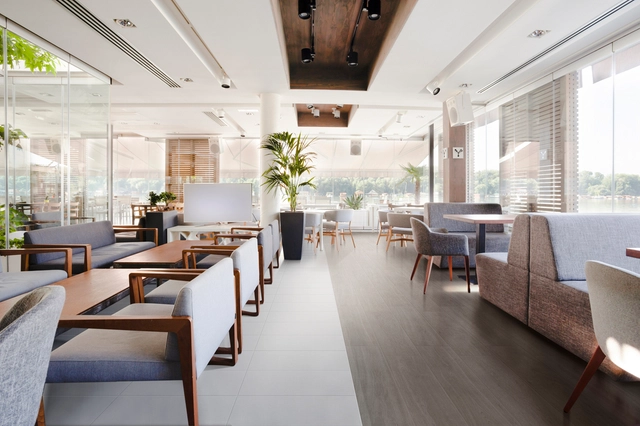
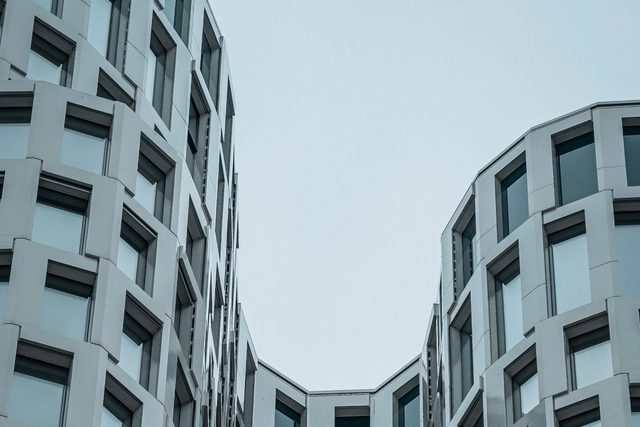
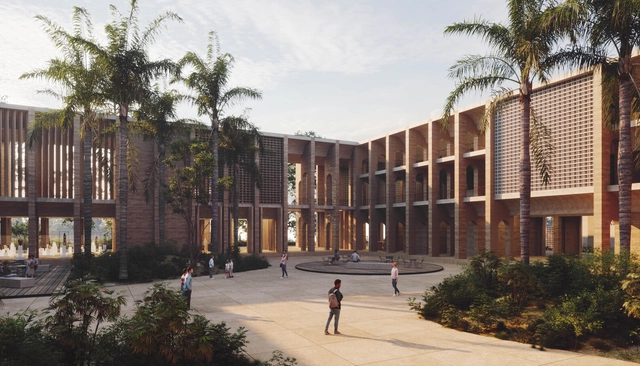
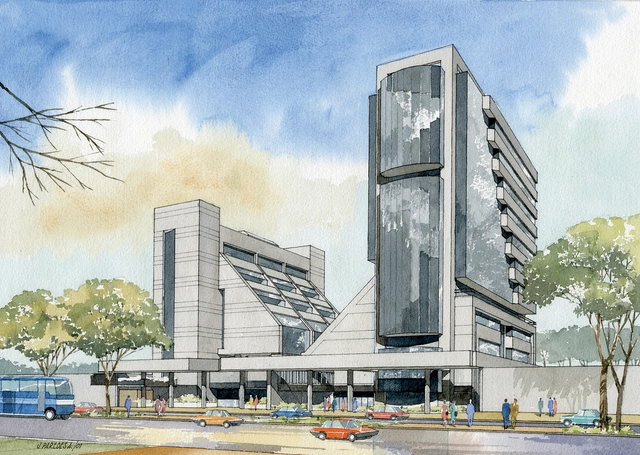
As spaces that host various athletic activities, sports gymnasiums require designs that go beyond merely complying with standard dimensions and layouts for courts, tracks, pools, and other facilities. Challenges such as planning flexible, integrated spaces, calculating grandstands based on spectator capacity, and integration into the urban context are among the many design variables that shape diverse architectural concepts.
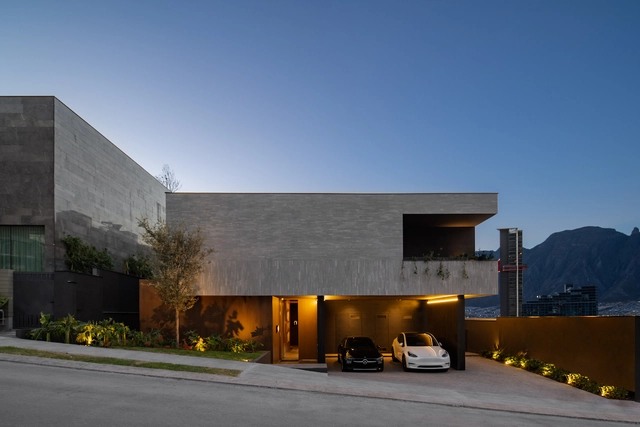
Despite the ongoing trend toward verticalization in major cities, houses remain traditional fixtures in many urban contexts, continually evolving over the years. Designing a house in the city involves a series of constraints specific to urban contexts, and the virtuosity of architecture in these cases lies in uncovering the opportunities that urban lots—typically restricted in size—can offer to their inhabitants. Some proposals counter the increasingly visible trend of walling off and isolating residential spaces within gated communities or large housing complexes. Instead, they set out to establish a direct and engaging relationship with the public realm, recognizing that the city has a wealth of possibilities to offer to architectural design, even within the private sphere.
We have selected a series of Brazilian residential projects that respond to urban constraints with diverse and effective solutions.
Twenty-one years after the passage of the federal City Statute (Estatuto da Cidade)—which regulated the “Urban Policy” chapter of the Brazilian Constitution, leading to the formulation of several master plans for 21st-century cities with more than 20,000 inhabitants and, now, the opportunity to revise many of them—it seems timely to tune our radars to a highly relevant topic for all cities, and one we have consistently struggled to address: our sidewalks!
I am referring to various aspects of their use and purpose, their regulatory mechanisms, their maintenance, and their design... Let us look at them.
While high expectations build up during the development of an architectural project—which often represents the realization of a professional dream or a new home for a family—and even though, despite careful planning, countless unforeseen issues and headaches can arise during construction, after weathering endless estimates, schedules, and delays, once construction is complete and the property is occupied, it usually feels as though the journey has finally come to an end.
However, even with the work seemingly finished and a sense of accomplishment, architects and clients will likely still need to align on certain points or address issues that crop up along the way. In light of this, what are the architect's responsibilities once the owners occupy the property?
To meet daily needs and ensure domestic routines function smoothly, the interior and exterior spaces of a home require certain fixtures and furniture—no matter how minimal or essential they may be. In many cases, selecting and designing the furniture that will complement the architectural project is relegated to a post-construction phase and, typically, left to the clients themselves.
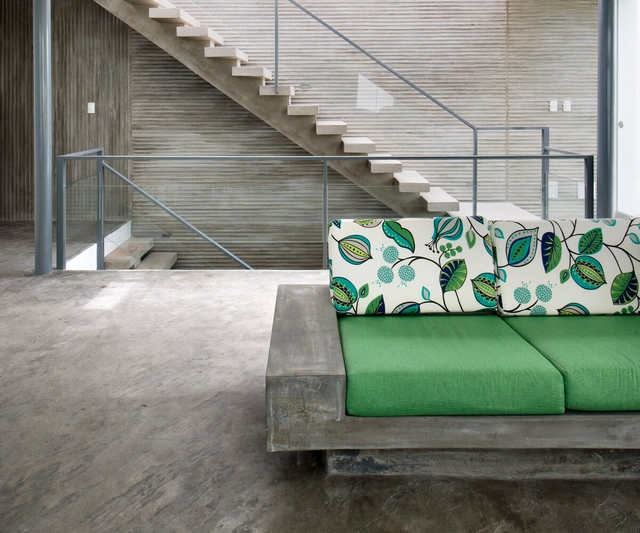
However, for some architects, furniture design is considered an integral part of the project. Capitalizing on the plasticity and malleability of certain materials, they choose to integrate interior furniture directly with the architecture. In their designs, benches, shelves, and countertops merge with the spatial language, unfolding sculpturally to extend the surfaces of floors, walls, and partitions.
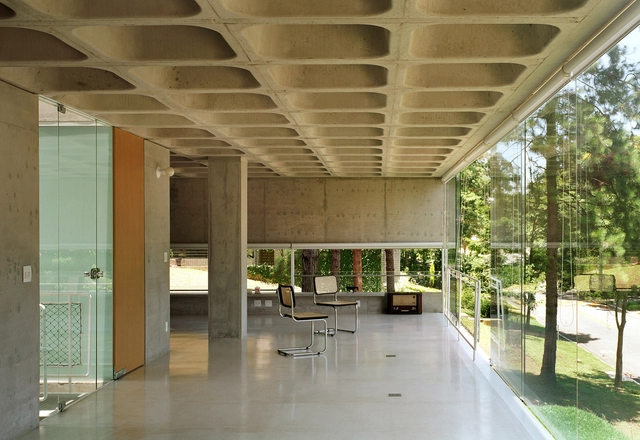
Waffle and ribbed slabs are highly efficient systems for spanning large distances. The T-shaped section formed by the flanges and ribs functions as a network of beams, reducing the number of support points required compared to a solid slab. Although lightweight or insulating materials can be used to fill the voids formed by the grid, these slabs are often left exposed and unfilled, lending a distinct aesthetic quality to the construction system.
Humans have mastered ceramic manufacturing for about 15,000 years. Even today, it remains a widely used material in fields such as civil construction, crafts, and even high-tech industries.Because they are durable, cost-effective, and offer an immense variety of dimensions, patterns, and finishes, ceramic tiles are extremely popular finishes. Versatile, they can be used on horizontal or vertical surfaces, indoors or outdoors, in wet or dry areas. They are produced from a mixture of clay and inorganic raw materials; after being dried and fired at high temperatures (above 1,000 °C), the pieces acquire waterproof, easy-to-clean surfaces with a wide range of finishes and colors.
The BIM (Building Information Modeling) methodology is revolutionizing the construction sector, and with it, the role of the BIM Manager. This professional is responsible for managing the building process using BIM, from initial sketches to project completion.
A BIM Manager's career path can vary based on education, experience, and professional goals. However, in general, BIM Managers tend to follow a similar career trajectory.
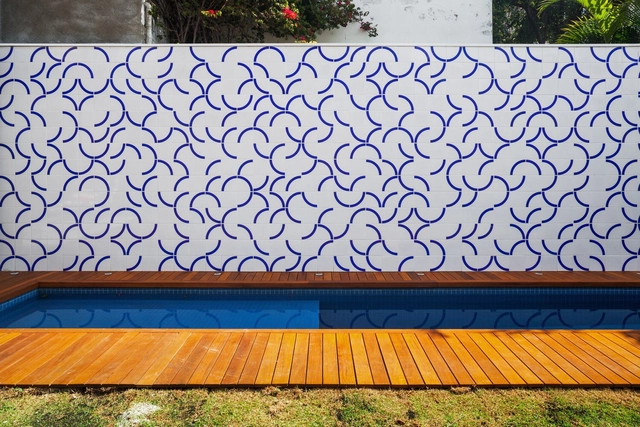
The word "deck" originated in the English language to refer to a ship's deck. Today, the term is used to describe outdoor surfaces made of wooden planks that may or may not surround pools, hot tubs, and soaking tubs. These design options can be highly diverse—so much so that a new approach has emerged in the market as a growing trend: the wet deck.
https://www.archdaily.com/1136255/wet-decks-innovating-pool-architectureArchDaily Team
Mexico City-based firm LOCUS, in collaboration with Studio Météores and Philippe Rahm Architectes, has been awarded fourth place in the single-stage international competition for the renovation of the National Museum of Carthage for its project titled "Byrsa, Topographies of an Act of Reparation." The Ministry of Cultural Affairs of the Republic of Tunisia announced the results of the competition, which was organized by the UIA, the OAT, UNESCO, Expertise France, and Patrimonie 3000.
The municipality of Rio do Antônio, located about 700 kilometers from the capital of the state of Bahia, still retains remnants from the era of slavery in Brazil. This period left deep marks that remain visible in the town's daily reality, including its architecture.
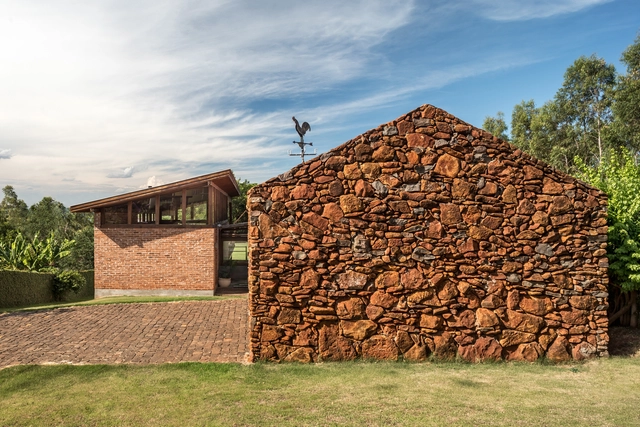
One of the oldest building materials, stone has endured throughout architectural history due to its strength and durability. Frequently used in protective structures such as fortifications and walls, stone has also historically served as the foundation for a variety of buildings—including residential ones, where it has been employed since the earliest shelters.
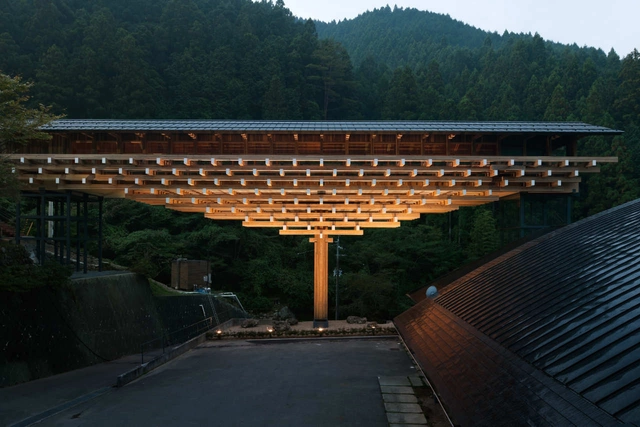
Few materials respond as well to a multiplicity of uses as wood. It ranges from the smallest decorative objects to the structural elements of high-rise buildings, bringing a distinctive character to architectural designs when left exposed. Its rich variety of tones, densities, and patterns, combined with its organic nature, make wood a unique and singular element that instantly lends warmth, coziness, and hospitality to any space.
The right to fully experience urban space and all the possibilities it offers has always been a distant reality for the vast majority of Brazilians. Recently, however, we seem to be drifting further and further from this reality. There is a sense that every day we witness more threats to the population's right to the city, ranging from fundamental issues, such as the freedom of movement in São Paulo, to symbolic dimensions like the presence of low-income populations in wealthy neighborhoods, as seen in Salvador. We must speak openly about these threats and name them as such (words have power!), while also imagining pathways for confrontation and political resistance. What is on the horizon at the start of 2020?
https://www.archdaily.com/1123388/the-right-to-fully-experience-urban-spaceRodrigo Faria G. Iacovini
During architectural training and practice, we encounter countless examples of works that, for a wide variety of reasons, have shaped the history of the discipline. These examples become major references in an architect's repertoire, shaping how they view and design architecture. However, understanding a place is incomplete without experiencing it in person; therefore, when traveling, we seek out iconic works to enrich our perspective.
Yet, these works are not always easily accessible or close to established itineraries, which can turn the quest to visit them into true pilgrimages.
This year will be pivotal for climate action. The growing impacts of climate change — from floods and droughts to hurricanes and heatwaves — are causing profound damage to human lives and economies around the world, especially in vulnerable developing countries with few resources to protect themselves.
Currently, climate actions are not even close to what is needed to keep global warming below the 1.5°C threshold and avoid the worst of these impacts — countries must significantly accelerate their efforts to get on track. The latest report by the Intergovernmental Panel on Climate Change (IPCC) warns that actions taken this decade will have impacts "for thousands of years."
https://www.archdaily.com/1136314/what-is-the-paris-agreements-global-stocktake-and-how-it-can-drive-action-in-countriesJamal Srouji, Felipe Borja Diaz e Deirdre Cogan
As part of an initiative by Tec de Monterrey, this year's first prize for the 215th Traditional Sorteo Tec features a residential project designed by Mexican architect Cristina Grappin. With this home, the university raffle of Tecnológico de Monterrey furthers its support for the Líderes del Mañana (Leaders of Tomorrow) program, an initiative aimed at driving change, social mobility, and the development of outstanding young scholars.
Smart Cities, or smart cities, are increasingly in the spotlight, yet we can hardly describe exactly what they are.
Are they cities that manage to adopt, in a decentralized way, the array of new urban service apps from various providers that are increasingly present in our daily lives?
Or are they those that hire a major corporation to manage and monitor all urban services from a massive, centralized command center?
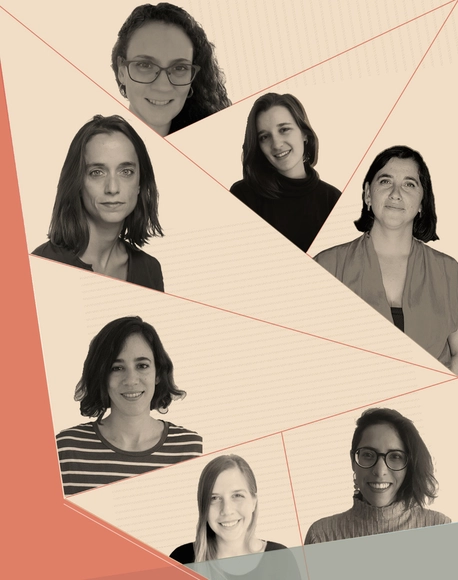
The podcast "Lápiz femenino en el aula de arquitectura" was created by Layla Jorquera Sepúlveda, an architect from the Universidad de Chile, to bring visibility to women from different architecture institutions who have completed the Design Studio course, which carries the highest number of academic crédits.
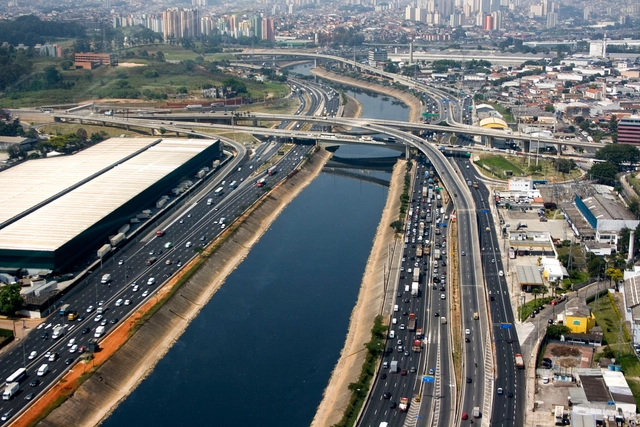
Aerial view of the Tietê River Expressway in São Paulo. Photo by Fernando Stankuns via Flickr / CC BY-NC-SA
Every year, the rainy summer months bring a wave of media coverage detailing the devastating effects of floods on the lives of citizens and the urban territory of São Paulo. It is as if, during this period, public discourse platforms become a stage for reporting chaos and seemingly insurmountable challenges that urban centers must face in their daily relationship with water.
Lack of paving. Sidewalk with pavement damaged by tree roots. (Image: Disclosure)
Even though one-third of all trips in Brazilian cities are made on foot, citizens who walk or use wheelchairs are not treated as a priority. In fact, the words "pedestrian" and "sidewalk" do not even appear in Law 12,587/2012, which establishes the guidelines for the National Urban Mobility Policy—a clear sign of legal inconsistency at both federal and municipal levels.
https://www.archdaily.com/1123983/a-no-mans-land-brazilian-sidewalks-reveal-neglect-of-the-pedestrianNelson Oliveira e Ana Luisa Araujo
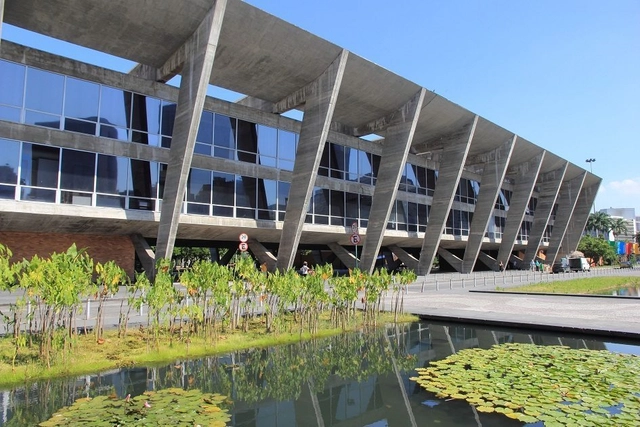
Museum of Modern Art. Designed by Rio-born architect Affonso Eduardo Reidy. Image courtesy of CAU/BR
The period between the 1950s and 1970s in Brazil was primarily characterized by the production and dissemination of Brutalist architecture. Despite the lack of a unanimous definition of what constitutes this offshoot of modern architecture, the term "Brutalism" is generally used to denote buildings from the era that share a common denominator: the exposed use of construction materials, particularly concrete.
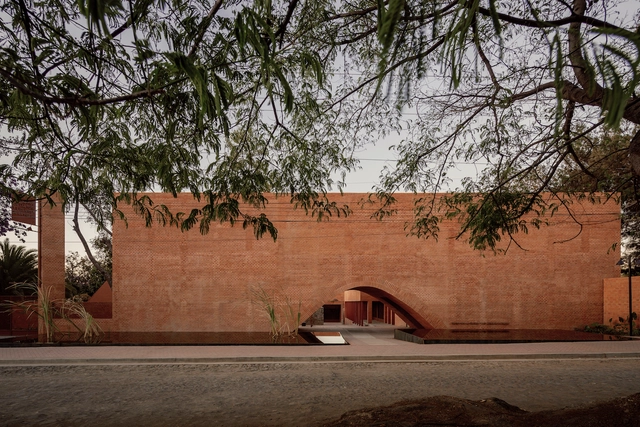
Centro para la Cultura y las Artes de la Ribera/ Alejandro Guerrero Gutiérrez-Andrea Soto Morfín. Image Cortesía de XVII Premio de Arquitectura Jalisco 2023
Thirty-eight years ago, the Colegio de Arquitectos del Estado de Jalisco A.C. established the Jalisco Architecture Prize to recognize the work of outstanding architects and to encourage and motivate architecture professionals in the State of Jalisco. The award was also conceived to celebrate the region's rich tradition of excellence and innovation, as the birthplace of numerous illustrious professionals, including architect Luis Barragán Morfín and Fray Gabriel Chávez de la Mora—who designed the signature medal for this prestigious honor. The accolade is divided into three main categories: the Architectural Design Award, the Urban Design and Planning Award, and Distinctions, as well as the Honoris Causa Recognition.