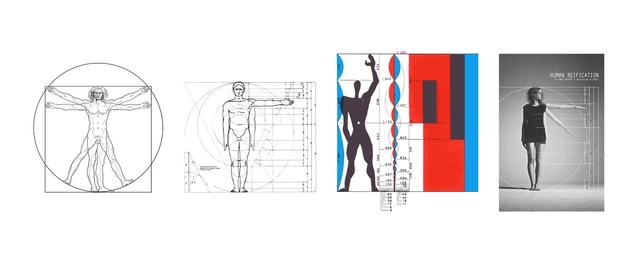
“The whole hand will be the tenth part of the man; From the bottom of the chin to the top of the head is an eighth of its height; From the nipples to the top of the head it will be the fourth part of the height.” If you're still here without going to get a measuring tape, these phrases were written by Marcus Vitruvius Pollio, a Roman architect who lived in the 1st century BC, who delineated them in his influential treatise “De Architectura Libri Decem” – Ten Books on Architecture. The data presented by Vitruvius was compiled and depicted visually around fifteen hundred years later by Leonardo Da Vinci in his famous work “Vitruvian Man,” which is reproduced in all different contexts today, from book covers to kitchen aprons.
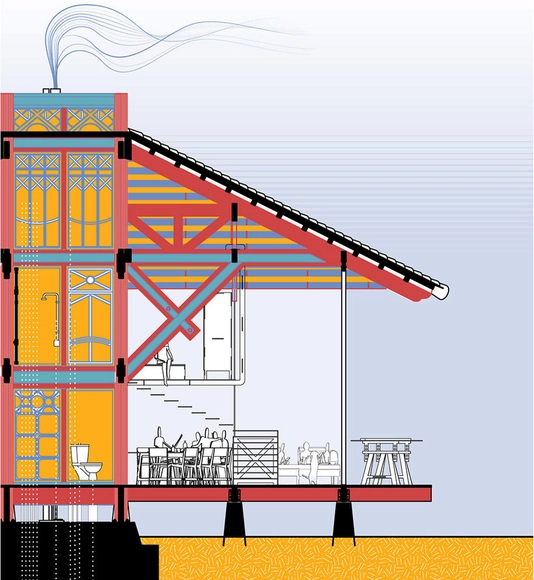
"Timber Hearth" Building System / Space Popular. Courtesy of Space Popular
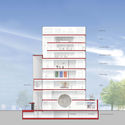
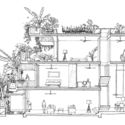
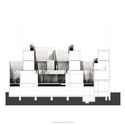
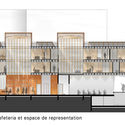
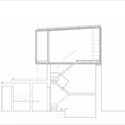
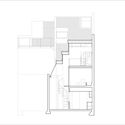
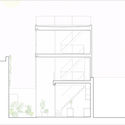
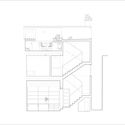
Rendered floor plans and sections are a kind of translation of technical construction drawings into a language more accessible to people who are not familiar with architectural design. In other words, they are responsible for introducing the human scale to the project, not only through the human figure but also by displaying furniture, textures, and other aspects of architecture that are more realistic and humanizing, making the representation more understandable.
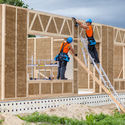
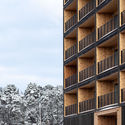
Climate change is arguably one of the greatest current threats to human survival, resulting from global warming driven by rising greenhouse gas (GHG) emissions, of which carbon dioxide (CO2) is the primary contributor. Globally, buildings accounted for approximately 40% of CO2 emissions in 2018, when factoring in direct, indirect, and embodied emissions (over the lifecycle of construction products) (UNEP, 2019). At the same time, because the building sector consumes—and will continue to consume—vast amounts of materials to address severe housing deficits, in many countries it is a pivotal sector, offering a prime opportunity to help combat climate change. To achieve this, a key pathway is promoting the use of biomaterials.
The state of Puebla is located in the central highlands of Mexico, bordering the states of Tlaxcala, Hidalgo, Veracruz, Oaxaca, Guerrero, Morelos, and the State of Mexico. Covering an area of 34,251 km², it is one of the country's most densely populated states. Its capital is Puebla de Zaragoza, and it is one of the leading landlocked states for tourism, featuring 9 "Pueblos Mágicos" (Magical Towns) and 3 UNESCO World Heritage Sites.
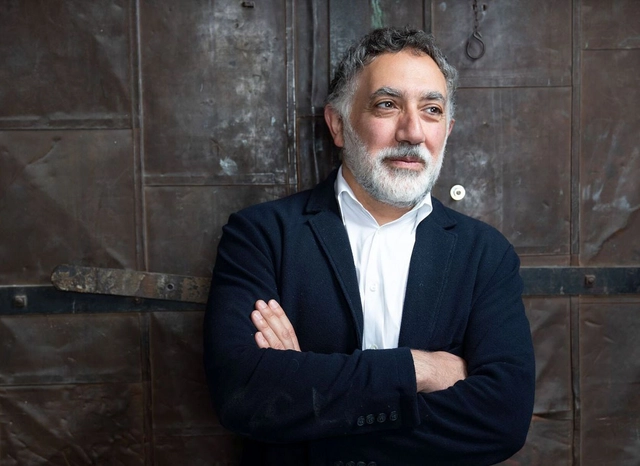
In the second part of his interview with Archdaily, Hashim Sarkis reflects on the future of architecture as he tackles the timeless question of the 2021 Venice Biennale. The curator of the Biennale, which proposes the question of “How Will We Live Together?”, discusses the role of the profession in the midst of all these new paradigms, stating that “Architects do change the world […] by creating […] wish images for what the world could be”.
In this feature, the curator of the anticipated biennale and dean of MIT School of Architecture and Planning presents his views on the evolution of Architecture, and the new directions the academic world should take, to reflect “the complexity of the urban problems of today”. Sarkis also brings up Beirut, discussing reconstruction approaches, civil society, and the exasperating notion of resilience.
Cuisine, culture, sightseeing, and engaging with the locals are all reasons people like to travel. The common factor that draws us to explore new places, however, is simply the chance to experience cities and landscapes unlike our own familiar surroundings. For example, when Chinese tourists can again visit Copenhagen, they may admire the waterside capital’s winding bike paths, lush green parks, and the Scandinavian brick traditions on display in Nyhavn. Likewise, a Danish tourist would surely be blown away by the breathtaking scale of Beijing, with it’s 9 million+ bicycles and the display of ancient Chinese culture juxtaposed with modern society.
As far as written records report, “prehistory” dates back between 35,000 BCE and 3000 BCE in the Middle East (2000 BCE in Western Europe). Ancient builders had a profound understanding of human responses to environmental conditions and physical needs. Initially, families and tribes lived together in skin-covered huts and bone structures. Thousands of years later, human settlements evolved into fortified mud-brick walls surrounding rectangular volumes with pierced openings for ventilation and sunlight.
During the upcoming months, we will be publishing short articles on the history of architecture and how it evolved to set the fundamentals of architecture we know today. This week, we are exploring the architectural characteristics of ancient India and Southeast Asia.
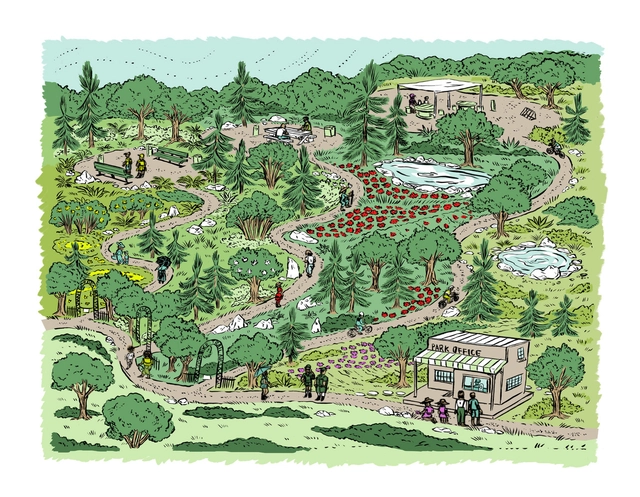
A re-wilded park. Illustration by Sarah Welch. Image Courtesy of SWA Group
As the pandemic has worn on, the American public has adopted parks and neighborhood streets as safe spaces. This will not be a short-lived phenomenon –bikes have been repaired, running shoes purchased, and puppies adopted. People are growing accustomed to spending time in the outdoors to exercise, spend time with family, enjoy nature –and take that growing puppy for walks.
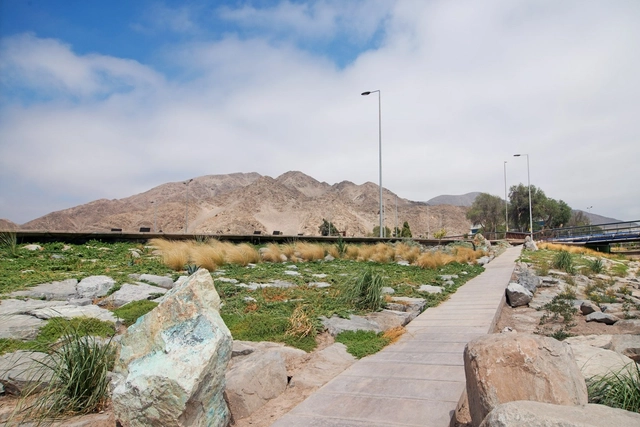
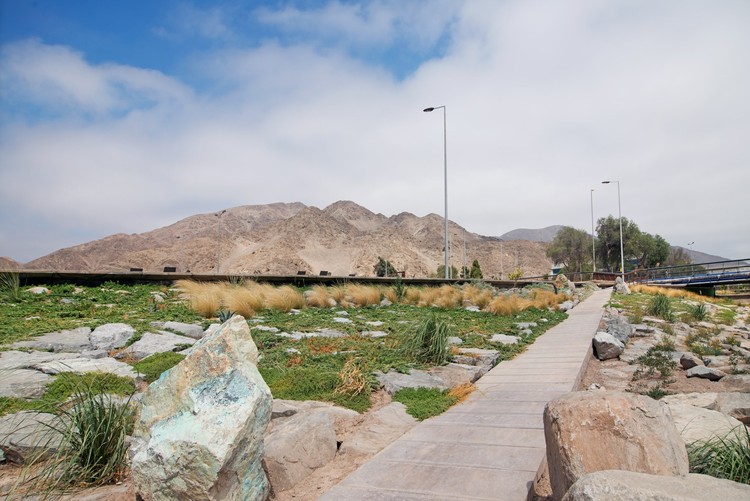
Does it make sense to design green parks in desert cities such as Casablanca, Dubai, or Lima? Ostensibly it does because they contribute freshness and greenness to the urban environment. In exchange, however, they disrupt native local ecosystems, incur high maintenance bills, and begin a constant struggle to ensure water availability.
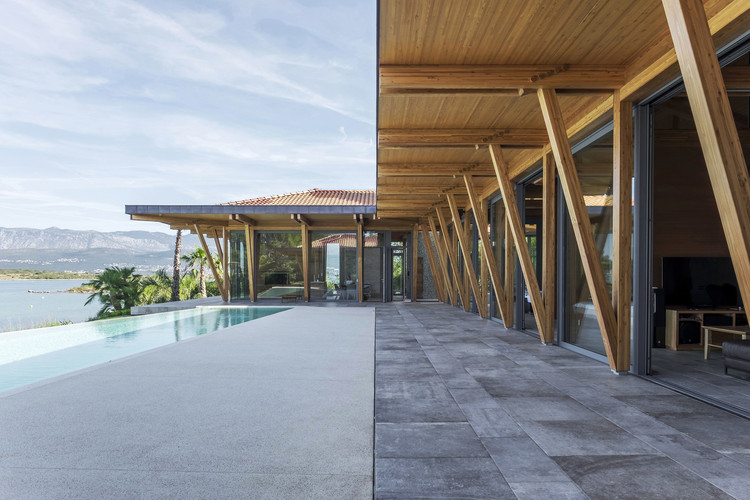
Croatia has long been a crossroads of culture. Located along the Adriatic Sea, it borders five countries and has some of the richest biodiversity in Europe. The built environment reflects influences from Central Europe and the Mediterranean, as well as both the Roman and Byzantine Empires. Today, a series of new housing projects are reinterpreting the country's past as architects and designers look to reimagine what the future holds.
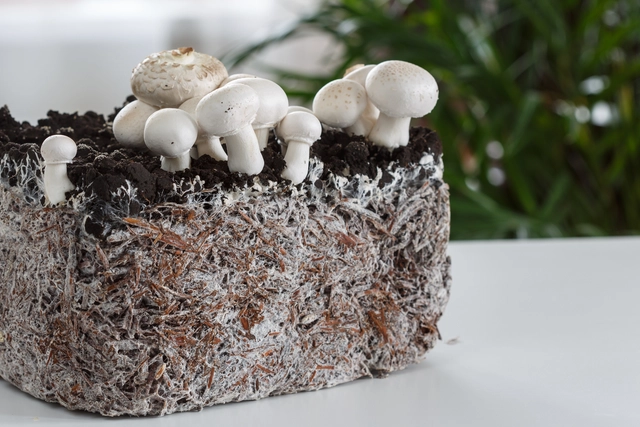
Fungi are everywhere. In the air, in the water, in our bodies, in the trees, in the ceilings of our bathrooms, underground. They can be mushrooms (edible, medicinal, hallucinogenic, or very poisonous), or take other simpler forms, such as molds. They can trigger illnesses, but they can also produce antibiotic remedies, such as penicillin, or help ferment amazing cheeses and breads. Could they also be the future of packaging and building materials?
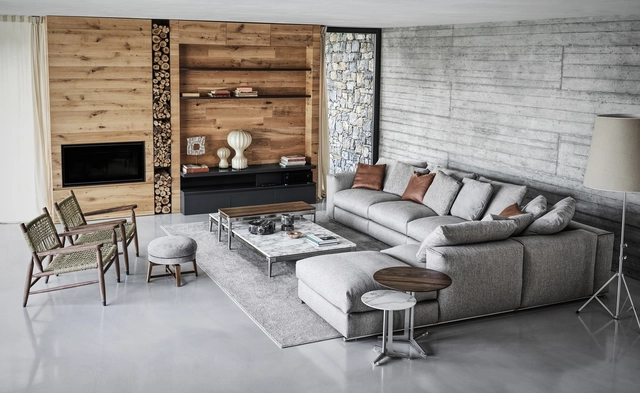
Architecture sets the scene and provides the framework, but interior design and furniture can have a strong influence on the vibe and mood of a space. As trends in interior design evolve over time, it’s often expressed in the furniture chosen to fill the room. Interior furniture speaks volumes about our priorities and personalities, as well as the atmosphere we want to convey.
In their newly released architectural film, photographer Laurian Ghinitoiu and filmmaker Arata Mori take viewers on a visually compelling tour of OMA’s MEETT Exhibition and Convention Centre, Toulouse’s new mega-scale parc des expositions. Exploring the design’s multiple facets, from the monumental to the mundane, the film constructs a detailed vision of the project sitting at the intersection of architecture, infrastructure, masterplan and public space.
Although the urban fabric of Buenos Aires is characterized by a heterogeneous and constantly changing morphological condition, within the range of low-density housing, it is possible to detect certain recurring typologies that emerged from the interplay of successive historical variables—such as block subdivision strategies, urban regulations and their subsequent updates, or the building traditions of those who built the city. One of these identifiable typologies is the PH, whose name derives from *Propiedad Horizontal* (Horizontal Property), a regulation that allowed the development of individual homes within a single plot.
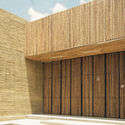
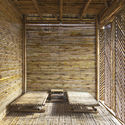
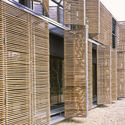
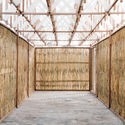
Historically, bamboo has been used as a raw material in low-resource traditional construction, serving as a substitute for other woods to build structures, enclosures, and even furniture. Today, owing to its numerous advantages related to durability, strength, versatility, and low environmental impact, it has earned the moniker "vegetable steel" and gained a privileged position within the construction industry. The ongoing search for new materials for sustainable development has generated new construction fusions that bring contemporary materials and techniques into play with traditional elements, merging and enhancing the qualities of local materials in each region.
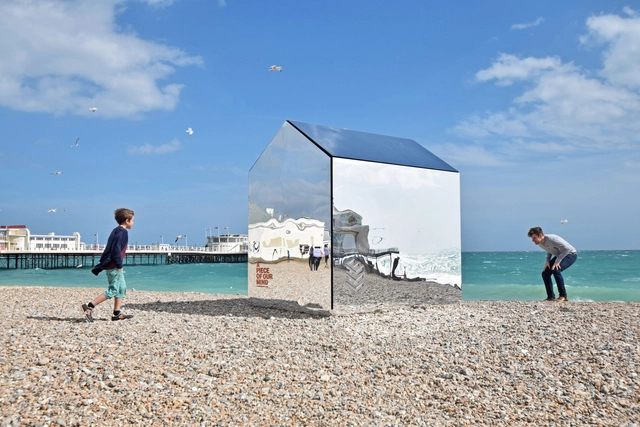
Using unconventional materials in architecture requires a lot of creativity and experimentation in order to create new possibilities that are both efficient and innovative. Small-scale projects, in particular, offer great opportunities to explore these unusual materials because, among other factors, they provide fewer loads on the structures and, sometimes, also have a temporary nature. Nevertheless, using unconventional materials in small-scale architecture can help encourage its use in other projects, including larger constructions.
Cortesia de PC3 - Pensamento Crítico e Cidade Contemporânea
The original plan for the Várzea do Carmo Housing Complex, developed by a team from the Industrial Workers' Retirement and Pensions Institute (IAPI) and coordinated by the architect and urban planner Attilio Corrêa Lima, is one of the most avant-garde proposals of the period discussed in this book. Its urban planning, radically modern and rationalist, goes beyond established models of residential neighborhoods: it proposes creating an urban centrality with a working-class housing complex as its starting point.
https://www.archdaily.com/1123384/housing-as-urban-centrality-the-varzea-do-carmo-housing-complexPC3 - Pensamento Crítico e Cidade Contemporânea
According to the 2016 report by the United Nations Human Settlements Programme (UN-Habitat), there are 881 million people living in slums in cities across the developing world, and it is estimated that by 2025, another 1.6 billion people will likely need adequate and affordable housing. In light of these projections, there has been much discussion about Social Interest Housing (referred to as HIS in Brazil) and how projects in this field can help address the housing deficit. But what, exactly, does this term mean?






.jpg?1602174447&format=webp&width=640&height=580)
.jpg?1602174471 "MEETT Exhibition and Convention Centre by OMA. Image © Marco Cappelletti")
.jpg?1602174397 "MEETT Exhibition and Convention Centre by OMA. Image © Philippe Ruault")
.jpg?1602174433 "MEETT Exhibition and Convention Centre by OMA. Image © Marco Cappelletti")
.jpg?1602174457 "MEETT Exhibition and Convention Centre by OMA. Image © Marco Cappelletti")
.jpg?1602174447)







.jpg?1570148721&format=webp&width=640&height=580)