
Climate change is arguably one of the greatest current threats to human survival, resulting from global warming driven by rising greenhouse gas (GHG) emissions, of which carbon dioxide (CO2) is the primary contributor. Globally, buildings accounted for approximately 40% of CO2 emissions in 2018, when factoring in direct, indirect, and embodied emissions (over the lifecycle of construction products) (UNEP, 2019). At the same time, because the building sector consumes—and will continue to consume—vast amounts of materials to address severe housing deficits, in many countries it is a pivotal sector, offering a prime opportunity to help combat climate change. To achieve this, a key pathway is promoting the use of biomaterials.

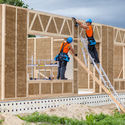
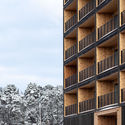


Biomaterials can be defined as materials of biological origin. The most widely used in architecture and construction are timber, bamboo, plants (in the form of green roofs, facades, and living walls), and other natural fibers such as sisal, hemp, and flax.


