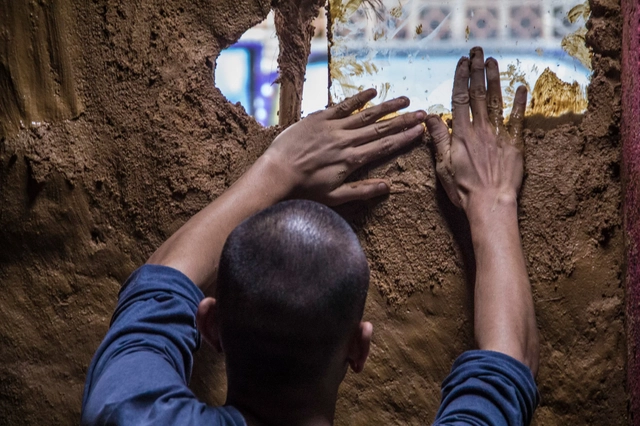
A proposal to include financing for properties built using bioconstruction techniques is awaiting the appointment of a rapporteur in the Environment Committee. The bill was introduced by Senator Randolfe Rodrigues (Rede-AP) at the request of movements advocating for affordable and sustainable social housing. The goal is to make this financing available through the Minha Casa Minha Vida program.
Daniel Libeskind will visit Chile this coming December, following an invitation extended by Mauricio Soria, the mayor of Iquique, and approved by the Chilean city's municipal council. However, the decision has drawn coverage from local media due to opposition from council members who voted against the initiative, primarily over the budget: 75 million Chilean pesos (around $110,000), which includes a "city visit, site visit, public lecture, and a preliminary draft or conceptual proposal," as highlighted on Twitter by council member Felipe Arenas, one of the dissenting voices in the municipal vote.
Although the announcement was shared by the mayor's office on Twitter on November 8, efforts to bring Libeskind to the country began exactly a year ago when the architect visited Chile to give a lecture at ENMATERIA's International Architecture and Materials Encounter. During that visit, the American architect met for the first time with Soria and his technical team in Santiago.
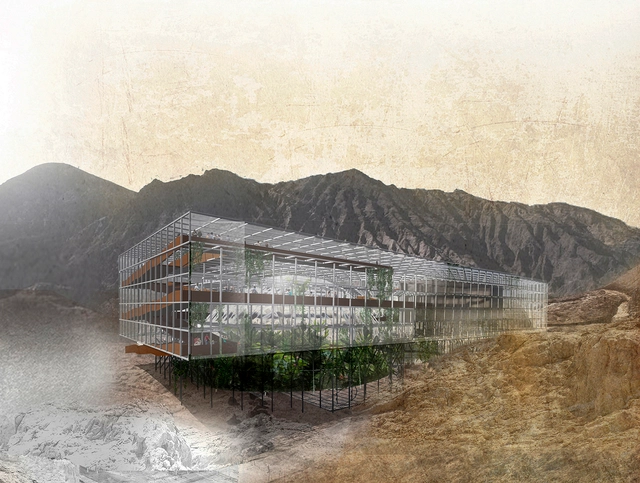
Máquina Fitorremediadora de Relave Minero. Image Cortesia de Concurso CAP 2018
With the proposal 'Mining Tailings Phytoremediation Machine', the Chilean team won first place in the 11th Alacero Steel Design Competition for Architecture Students 2018 in Colombia.
The team, composed of students from Universidad Finis Terrae—Diego Concha, Tomás Aguirre, and Trinidad Hermosilla—presented a project that aims to "recover and reuse mining waste by utilizing plants with high tolerance to minerals to reduce and mitigate the site's environmental risks," as explained by the authors in the project description. The team was advised by professors Andrés Echeverría and Cristián Lecaros.
RSAA/Büro Ziyu Zhuang has recently unveiled the design for the "Chengdu Linpan Resort" in Chongzhou, a county-level city under the administration of Chengdu. Boasting a rich history and deep cultural heritage, the region has inspired the works of renowned literary figures like Lu You, Du Fu, and Wang Bo, while preserving the ancient style, charm, and heritage of western Sichuan. RSAA/Büro Ziyu Zhuang's design integrates the historical residential spatial form of western Sichuan with local climatic conditions, cultural characteristics, and regional living habits. The project aims to overlay and reorganize the traditional Linpan prototype with the shifting perspective of Chinese scroll painting. This spatial synthesis creates richer spatial variations and narrative possibilities for both the interior and exterior experiences. The project is currently under construction.
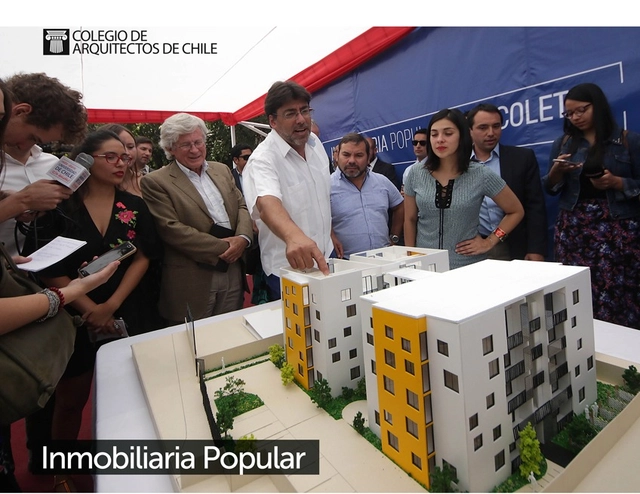
Today, Friday, April 13, starting at 10:00 AM (GMT -3) in Santiago, Chile, the mayor of Recoleta, Daniel Jadue, and 2002 National Architecture Award winner Juan Sabbagh will present the municipal Inmobiliaria Popular (Public Housing) project at the national headquarters of the Architects' Association (Colegio de Arquitectos).
Unveiled in late January of this year, the initiative—unprecedented in Chile—consists of the construction of two five-story buildings with a total of 38 apartments, each measuring 55 square meters, to be rented to vulnerable families in the municipality. Other municipalities in the Chilean capital—Renca, Macul and Las Condes—have already announced they will study replicating the model.
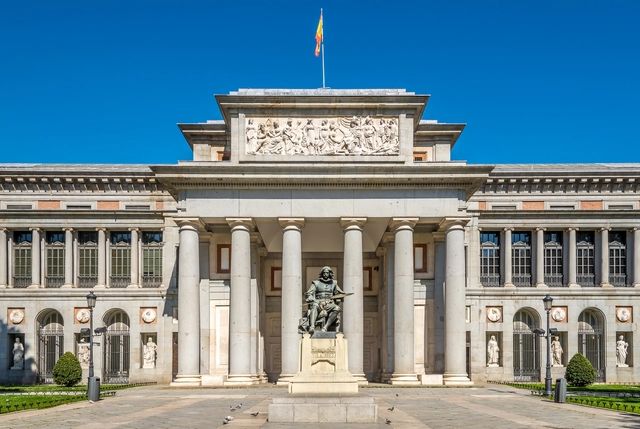
The Prado Museum is currently preparing the events to commemorate its bicentennial, which will officially begin on November 19, marking 199 years since its inauguration.
However, despite the celebratory atmosphere surrounding this major milestone, water flow and the water table beneath the foundations of this landmark building—designed by architect Juan de Villanueva and recently expanded by Navarrese architect Rafael Moneo—are a source of concern. In 2014, these issues had already caused leaks, cracks, and dampness.
https://www.archdaily.com/1114903/water-the-invisible-threat-to-the-prado-museumJavier García Librero
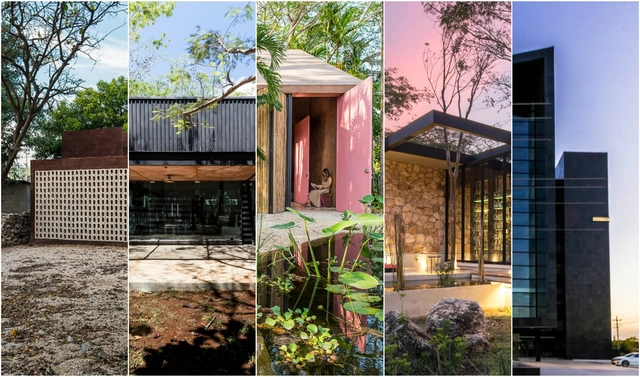
AS Arquitectura, Xavier Abreu Sacramento, Alejandra Abreu Sacramento, and Efraín Góngora First Place in Category and Grand Prize of the XII Yucatecan Architecture Biennial 2018 Casa del Árbol
Located in the heart of this neighborhood, at Marsella #59, Vitrina was born from the desire to create a design-focused exhibition space that goes beyond commercial interests. Inspired by the window displays of early 20th-century department stores, the space fosters a dialogue between designers, pedestrians, and the neighborhood, exploring recent trends in the design scene and how each creator expresses their vision.
As the end of the year approaches, and after celebrating six years in Mexico, we would like to thank you all once again for making 2018 our best year yet. Thanks to your ongoing support and our close connection with our readers, we are now reaching many more architects worldwide to inspire them to create better urban environments for everyone.
Archademy is the world's first accelerator for architects and interior designers. Inspired by startup accelerators, it focuses on structuring small firms to boost professional performance in just a few months.
Much like a consultancy, Archademy offers a customized package for architecture and interior design firms, along with mentoring sessions and workshops. The accelerator also aims to build a professional network, thereby generating job opportunities and collaborations.
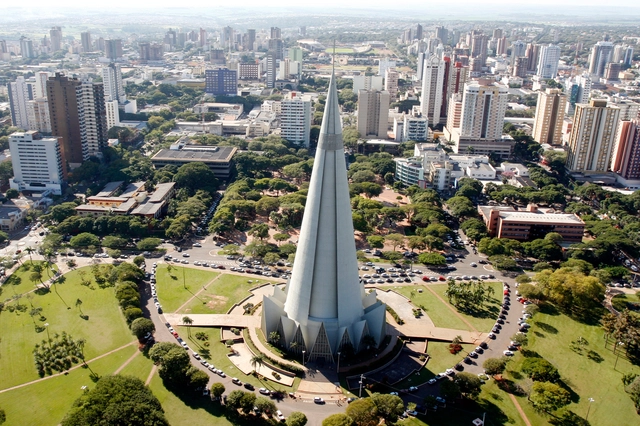
Municipal public buildings, licensed urban spaces, and private buildings of collective interest and use will be required to display the names of the authors of the architectural and/or urban design project, as well as the technical professional responsible for the construction. This is mandated by a bill recently approved by the Maringá City Council. The text now goes to the city's mayor, Ulisses Maia, for approval.
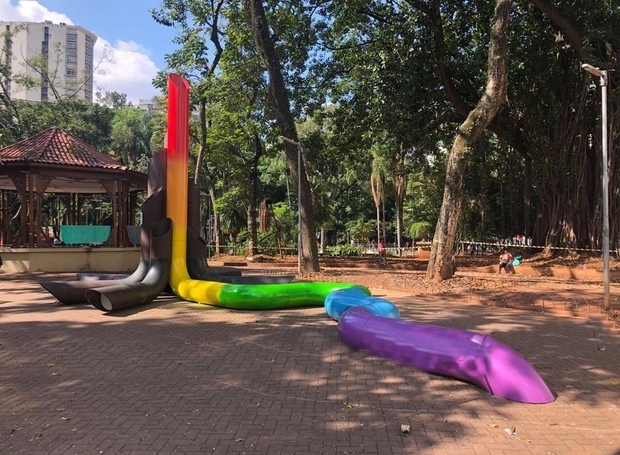
Meu Coração Bate Como o Seu, the sculpture designed by Guto Requena and built in downtown São Paulo at Praça da República in honor of the LGBT community, has had its wiring destroyed and its internal light bulbs stolen.
Conceived to celebrate 40 years of community activism in São Paulo, the act against his work is, for Requena, homophobic in nature: "The country is becoming too violent, so I have no doubt that the vandalism of my work was intended to target the LGBT community."
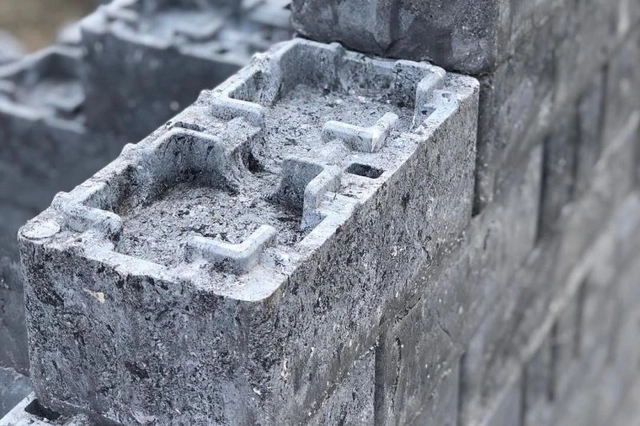
One of the most traditional festivals in Brazil's South region, Oktoberfest has launched a sustainability-focused initiative. In addition to serving thousands of liters of draft beer, the event's 2018 edition will support the environment by transforming plastic cups used during the 19-day festival into bricks and furniture for community gardens.
Dubbed "Oktober Consciente" (Conscious Oktoberfest), the initiative was created by the Instituto Gigantes da Ecologia (IGE), a non-profit civil association based in Blumenau, Santa Catarina. The project aims to raise awareness and promote environmental best practices among attendees of what is considered one of the largest German festivals in the world.
More than 50,000 people visited the Casa da Arquitectura – Portuguese Center for Architecture during its first year in the rehabilitated Real Vinícola block, in Matosinhos. To celebrate this first anniversary, the institution is organizing three days of free activities for everyone on November 16, 17, and 18.
Featuring guided tours, conferences, talks, presentations, book launches, and concerts, Casa da Arquitectura's anniversary program offers about 30 events for all audiences, including families and children. The block's outdoor space will also host various artistic performances.
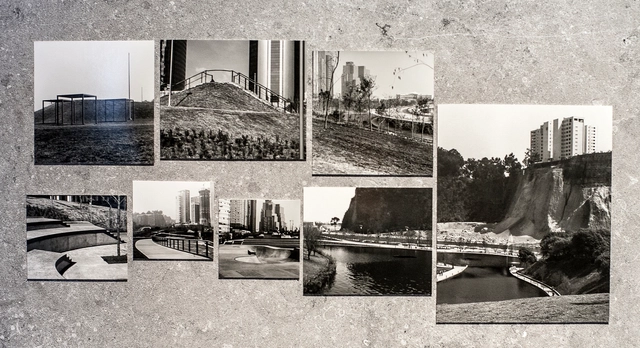
Lake Verea is composed of Francisca Rivero-Lake Cortina (Mexico City, 1973) and Carla Verea Hernández (Mexico City, 1978). They have worked as a duo since 2005. Their practice focuses on experimenting with photographic techniques and formats to achieve a personal and intimate perspective. They live and work in Mexico City and around the world. Their research interests center on the portraiture of architecture and the architecture of portraiture, the search for modern ruins, and the emotional interpretation of the spatial journey.
Their latest contribution is a series commissioned by Gabriela Etchegaray for the 16th International Architecture Exhibition of the Venice Biennale. Featured in the Mexican Pavilion, “Echoes of a Land,” they conceive architectural portraits through an intimate approach, using fragments to compose a narrative where the architectural subject is personally reinterpreted.
Videos
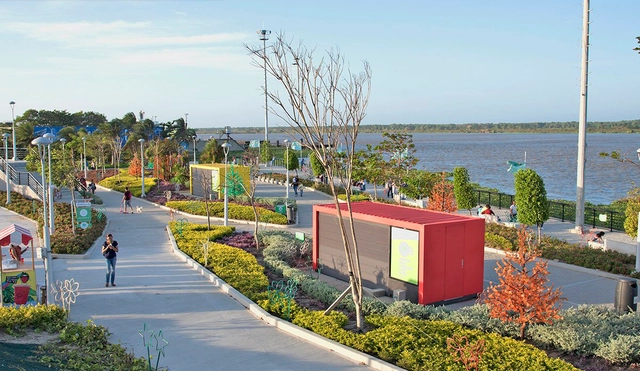
Gran Malecón del río Magdalena en Barranquilla, Colombia. Image Cortesía de Alcaldía de Barranquilla
Like any port city, Barranquilla, Colombia, has historically turned its back on the Magdalena River, a waterway of over 1,500 kilometers flowing down from the Andes Mountains to empty into the Caribbean Sea. Although its urban fabric overlooks the river, the road known as Vía 40 has been the city's true boundary. Between this highway and the river, industrial zones and vacant lots serve as buffers.
"For many years we had a wall blocking this view for 70 years," said Barranquilla Mayor Alejandro Char last February during the inauguration of the second section of the River Boardwalk, an urban project that seeks to restore the city's relationship with the river, which runs through 11 of Colombia's departments.
Projeto - 1º Lugar. Image Cortesia de Prefeitura de Conde
On October 22, the winning design of the 1st Public Design Competition of Conde was announced. A total of 32 proposals were submitted from 11 states, featuring intervention plans for an area of approximately 14,266 m², with projects covering landscaping, urban planning, urban infrastructure, public facilities, and street furniture. The area designated for the competition contains the highest concentration of open spaces and public facilities within Conde's urban perimeter, such as a market, schools, plazas, churches, an open-air market, transit services, and public offices. Among these, the Pedro Alves and Antônio de Sousa Santos plazas, along with Domingos Maranhão and Nossa Senhora da Conceição streets, hold significant urban potential and host major social events in the city.
The jury comprised architecture and urban planning professionals, as well as a local representative. The winning proposal came from Porto Alegre (Rio Grande do Sul) and met several key requirements, including local economic development, commerce, and the creation of public spaces for community gathering. The team consists of Bruno de Moraes Britto, Camila Bellver Alberti, Douglas Silveira Martini, Jean Michel Forte dos Anjos, and Mariana Mocellin Mincarone. See the winning entries below:
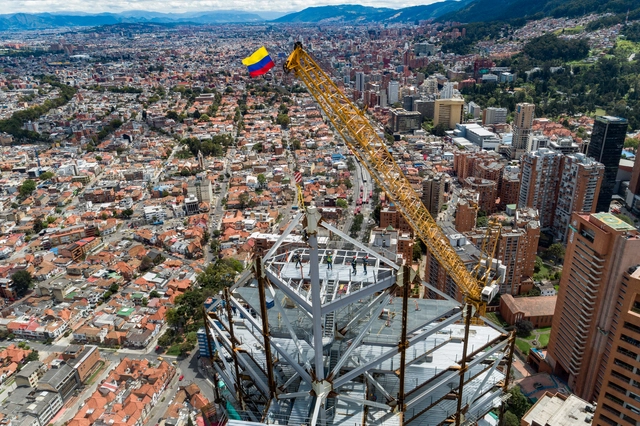
The ATRIO Towers —the tallest project in Colombia— reached a new milestone in Bogotá with the structural completion of its North Tower, the first of the development's skyscrapers, which has topped out at 201.6 meters and 46 stories.
During a ceremony held on Friday, August 24, on the rooftop of the North Tower, the final two steel beams—each 10 meters long and weighing 3.3 tons—were installed. The event symbolically marked the completion of 20 months of construction for the first phase of the skyscraper complex.











4.jpg?1535587028 "Cortesía de ATRIO")
1.jpg?1535586996 "Cortesía de ATRIO")