Spanish architect Fernando Menis designed a series of marine-inspired installations made from recycled objects and materials left behind by children and tourists at hotels in the coastal towns of La Oliva, a municipality in Fuerteventura, in Spain's Canary Islands.
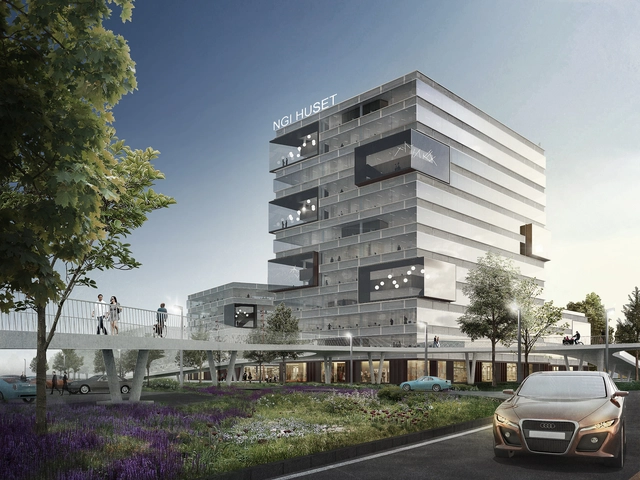
Exterior View. Image Courtesy of Schmidt Hammer Lassen Architects
Schmidt Hammer Lassen Architects has revealed the design of a new campus complex for the Norwegian Geotechnical Institute, Norway’s largest geotechnical specialist community, to be built in Northern Oslo.
The 30,000-square-meter (323,000-square-foot) complex will be comprised of two new buildings linked by a common entrance podium and a series of elevated walk- and bikeways. Aimed at housing up to 300 new employees, the NGI is envisioned as a new “knowledge axis” that will spawn increased pedestrian and bicycle traffic in the coming years.
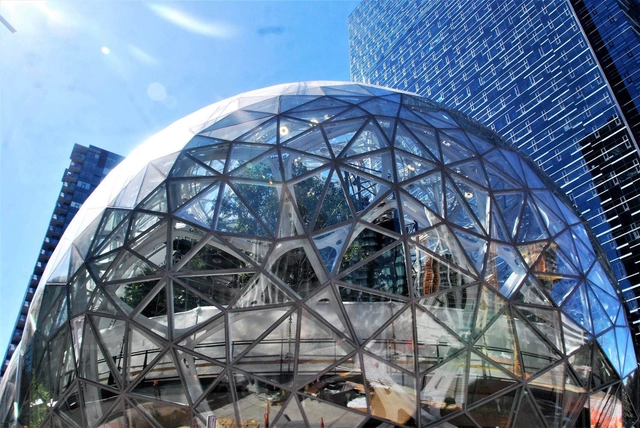
Amazon has announced the list of 20 finalists in the running to become the new home city for their highly hyped second headquarters, known as HQ2.
The tech company, based in Seattle, selected the finalists from more than 238 applications from cities located in Mexico, Canada and the United States, each hoping to raise their global profile and jump start their individual economies with the 50,000 new jobs the company says it would create.
Projeto Vencedor Nacional / Região 5. Image Cortesia de Prêmio Rosa Kliass
The Brazilian Association of Landscape Architects - ABAP, in partnership with CAU-SP, has announced the results of the first edition of the Rosa Kliass Prize for landscape architecture graduation projects, open to final undergraduate thesis submissions from all architecture schools across the country. Entries had to address projects of any scale in landscape architecture, landscape planning, historical research, or technical and critical work within the broader field of landscape architecture.
The projects were evaluated by region, with first-place winners selected for each. From these, one work was chosen as the overall national winner. The regions were divided as follows:
Region 1: Acre, Amapá, Amazonas, Federal District, Goiás, Mato Grosso do Sul, Mato Grosso, Pará, Rondônia, Roraima, Tocantins.
Region 2: Alagoas, Bahia, Ceará, Maranhão, Paraíba, Pernambuco, Piauí, Rio Grande do Norte, Sergipe.
Region 3: Espírito Santo, Minas Gerais, and Rio de Janeiro.
Region 4: São Paulo.
Region 5: Paraná, Santa Catarina, and Rio Grande do Sul
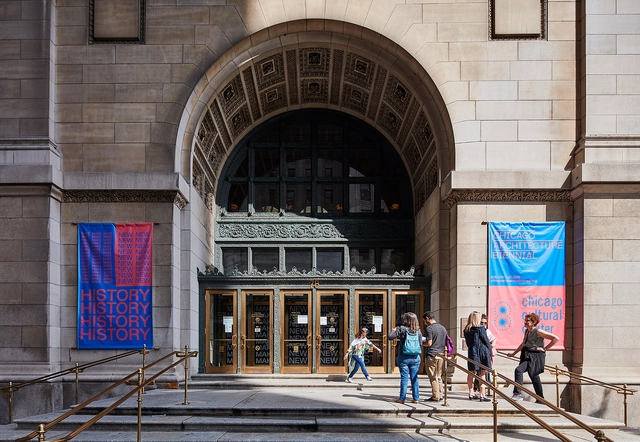
Chicago Mayor Rahm Emanuel has announced the figures for the 2017 Chicago Architecture Biennial, which closed its four month run on Sunday, January 7th.
The second edition of the event, helmed by Artistic Director Sharon Johnston and Mark Lee, was able to match the success of the inaugural edition, seeing 554,866 visitors from around the world.
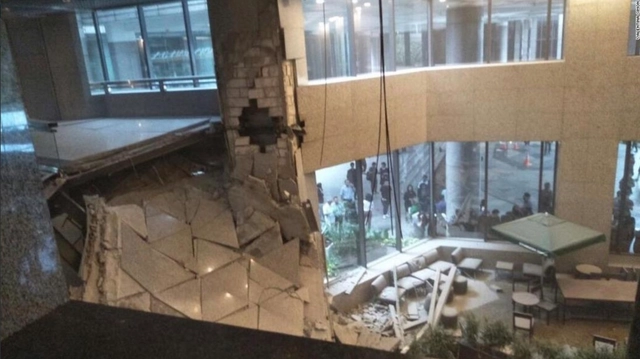
Loose or corroded joints have been identified as the likely culprit of the collapse of a mezzanine floor at Jarkarta’s Indonesia Stock Exchange on Monday that resulted in injuries to more than 70 people.
According to the Australian Broadcasting Company, a preliminary report released by the Indonesian Ministry of Public Works based on interviews with building management and analysis of CCTV footage found that the structure had possibly failed as a result of weak shear joints from “loose or corroded bolts.”
This scenario could have caused the mezzanine to be vulnerable to high weight concentrations, such as occurred Monday when nearly 100 visiting university students were gathered on the platform.
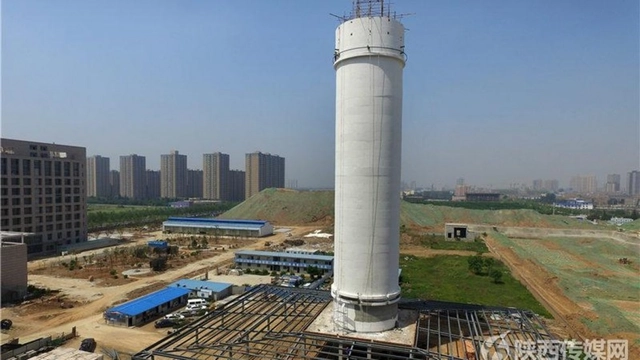
The 100-meter-tall air purification tower in Xi’an, China – believed to be the world’s largest air purifier. Image via South China Morning Post
A 100-meter-tall air purification tower in Xi’an, China – believed to be the world’s largest air purifier – has significantly improved city air quality, results from its preliminary run suggest.
According to researchers from the Institute of Earth Environment at the Chinese Academy of Sciences, the tower has managed to produce more than 10 million cubic metres (353 million cubic feet) of clean air per day since it was launched a few months ago. In the 10-square-kilometer (3.86-square-mile) observed area of the city, smog ratings have been reduced to moderate levels even on severely polluted days, an improvement over the city’s previous hazardous conditions.
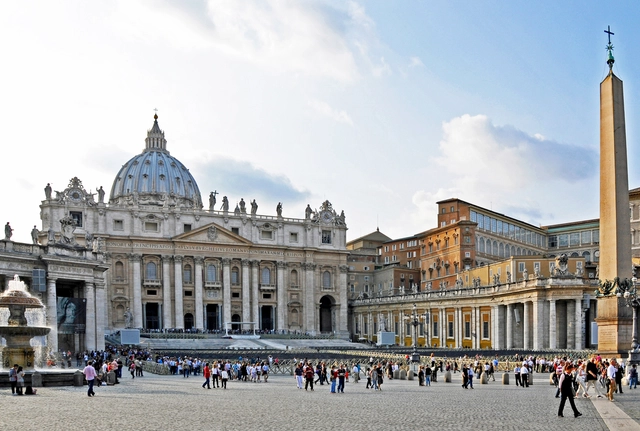
In 2018 the Vatican will participate in the Venice Architecture Biennale for the first time. Ten international architects will construct 10 different chapels as part of the representation of the city-state in the Italian architecture event. The news was confirmed by Paraguayan media outlets ABC y Última Hora, who revealed that one of the participants was local architect Javier Corvalán.
The elite group of architects was selected by Francesco Dal Co, an Italian architecture historian and curator. The designers have been instructed that their chapels must be able to be relocated so that they can be deployed around the world, in places that are in need of these spaces of worship.
The architects who will build chapels in the 2018 Venice Architecture Biennale:
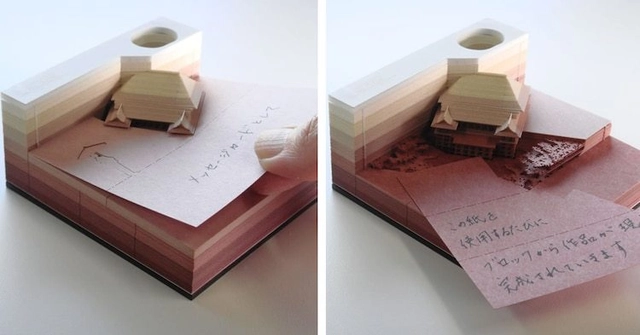
Architecture lovers and amateur archaeologists take note – or rather, get ready to take notes.
Japanese model making company Triad has released a new series of notepads called the Omoshiro Block (loosely translated to “fun block”) that slowly reveal intricate architectural sites as they are used. Appearing at first as a regular square of paper note cards, each block is specifically laser cut to produce a 3-dimensional model of some of Japan’s most recognizable buildings, such as Kyoto’s Kiyomizudera Temple, Tokyo’s Asakusa Temple and Tokyo Tower.
While the exterior of Philip Johnson’s iconic AT&T awaits its fate in an upcoming New York City landmarks designation hearing, demolition of its granite-clad interior lobby has already begun.
Citing the fact that the lobby had already been altered in the 1990s – including the removal of the “Golden Boy” statue – when the building switched tenants from AT&T to the Sony Corporation, the Landmarks Preservation Commission decided last month that the interiors were not deserving of landmark status.
Lord Norman Foster speaking at the Royal Fine Art Commission Trust’s annual lecture in Manchester last year. Image Courtesy of Royal Fine Art Commission Trust
Lord Norman Foster has been named the next President of the UK’s Royal Fine Art Commission Trust, an independent charity aimed at promoting “visual awareness and public appreciation of high-quality design” within the United Kingdom.
Chaired by one of architecture’s foremost patrons, Lord Peter Palumbo, the organization was established in 1987 as a complement to the Royal Fine Art Commission (since absorbed into the UK Design Council), the Government’s advisor on matters affecting public amenity and aesthetics in England and Wales.
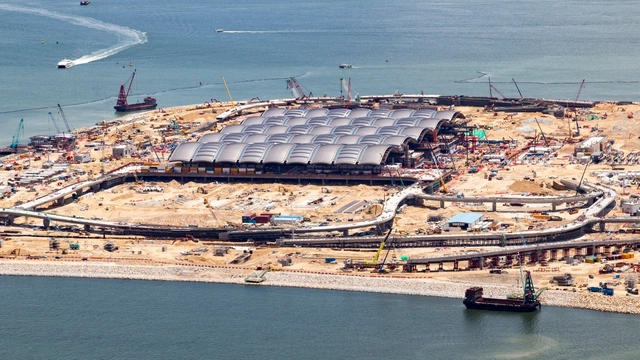
Rogers Stirk Harbour + Partners (RSHP) and Aedas have unveiled the design of a new boundary crossing that will serve as an important transportation exchange point within the Pearl River Delta, linking Hong Kong, Macau and mainland China. Already under construction, the project is expected to be completed in 2019.
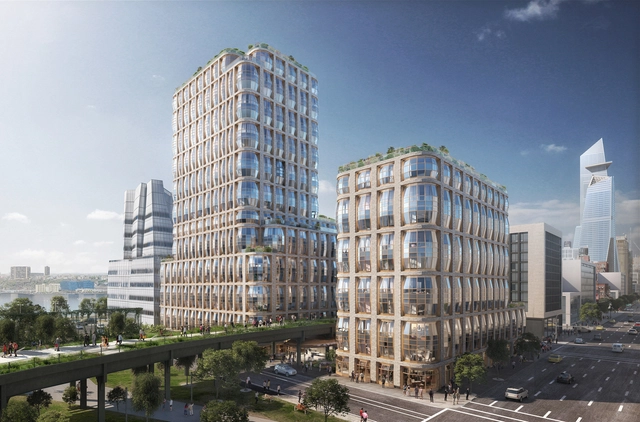
Thomas Heatherwick is touching the New York Architecture Scene again, revealing his design for a pair of residential towers in a pair of renderings. The two towers will flank either side of the New York High Line, located at 18th Street, it will situate itself adjacent to Frank Gehry’s IAC Headquarters building.
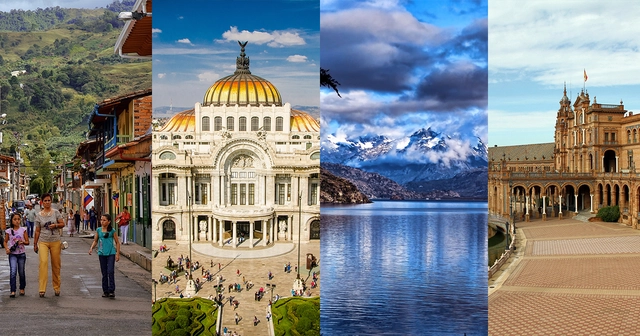
Now in its thirteenth edition, The New York Times has released its selection of 52 places to visit in 2018. The influential list by the American newspaper—which previously awarded the top spot to Mexico City (2016), Rio de Janeiro (2013), and Santiago (2011)—now highlights New Orleans.
The New York Times team highlights the ethnic diversity of the American city, influenced by "Europe, the Caribbean, Latin America, Africa, and indigenous peoples who have turned it into a melting pot," with a clear nod to global outbreaks of racism, xenophobia, and aporophobia (fear of poverty).
Additionally, new destinations and Spanish-speaking countries in Latin America and Spain have been included in this year's list:
Videos
Courtesy of Eindhoven University of Technology
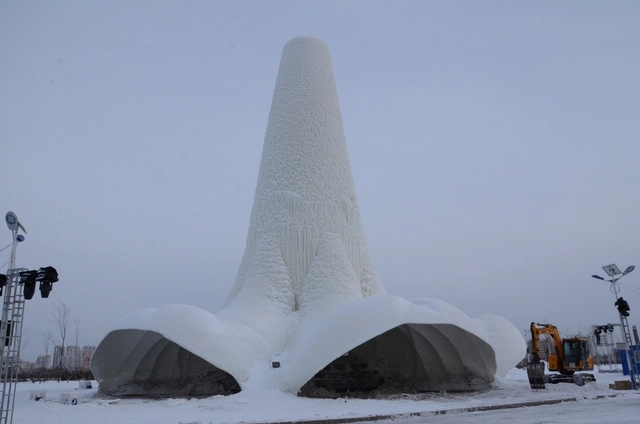
Beyonds igloos, sculptures, and Sweden’s ICEHOTEL, ice is not often seen as building material. An international team of Dutch-end Chinese students and professors from Eindhoven University of Technology (TU/e), Summa College, and the Harbin Institute of Technology (HIT) have used the freezing material to construct “Flamenco Ice Tower” in Harbin, China - the home of the International Ice and Snow Sculpture Festival.
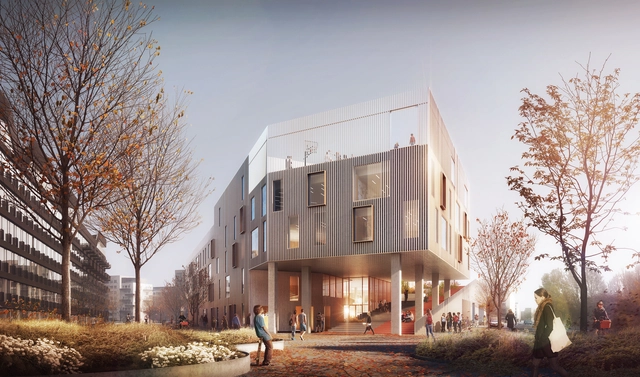
In May 2017, C.F. Møller and Tredje Natur’s interactive education design won the New Islands Brygge School competition. The new education facility sets up innovative, sustainable and active spaces for sixth to ninth grade students to participate in experience-based learning.
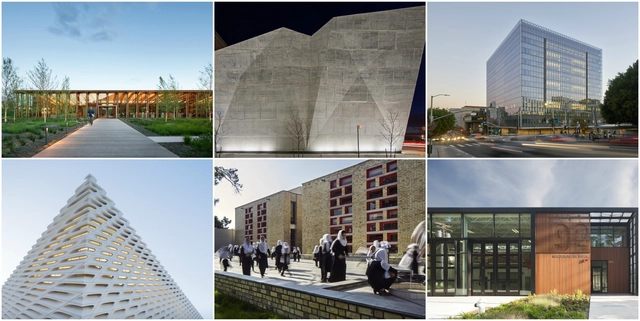
Seventeen projects chosen by the American Institute of Architects (AIA) have been selected for this year’s Institute Honor Awards for Architecture, an award known to be the profession’s highest recognition of works in America that exemplify an excellence in architecture, interior architecture and urban design.
Out of 500 submissions, the 17 recipients will be honoured with the award at the AIA Conference on Architecture in New York City in June.
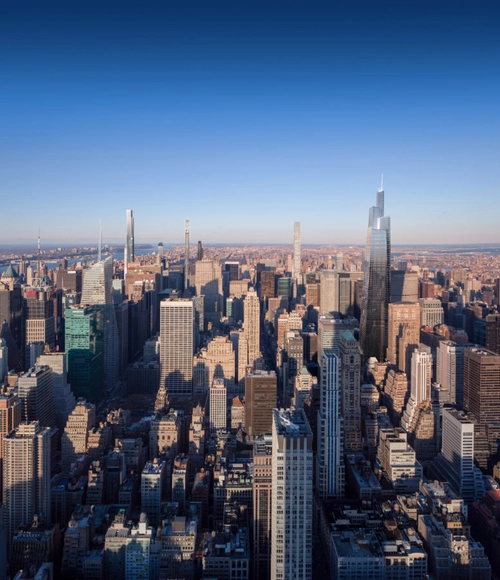
The 2020 skyline, photo by Andrew Campbell Nelson, rendering by Jose Hernandez. Image Courtesy of YIMBY
2017’s building applications has seen a rise in both Brooklyn and the Bronx, according to YIMBY’s construction report on New York. Despite a drop within Manhattan and Queens, the number of new building applications over the five boroughs seems to be stabilising; 2016 saw the number of multi-family units decrease by over 40% to 19,356, a pattern which fortunately appears to have stopped as 2017 saw fillings for 19,180. After the last two years of massive drops, this couldn’t be more welcomed by New York.
As a team, we are proud to introduce a new editorial partner for ArchDaily en Español: Trama magazine, which over its forty-year history has documented the evolution of Ecuadorian architecture better than anyone.
This new editorial partnership aligns with our goal to bring both established and emerging voices into the discussion of our discipline "in Spanish." As part of this collaboration, ArchDaily’s network of Spanish-language sites will regularly publish articles and interviews from Trama magazine, bringing the dialogue surrounding Ecuadorian architecture to an international scale. This will allow our Spanish-speaking readers to learn firsthand about the main trends and debates shaping architecture in Ecuador.
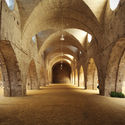
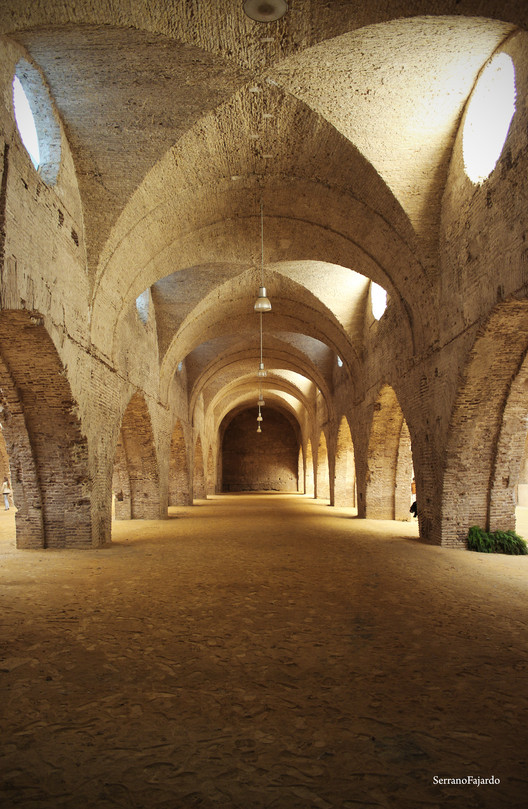
The renovation and adaptation project for the Reales Atarazanas of Seville (Spain)—one of the Andalusian capital's most spectacular architectural spaces, often referred to as the city's "civil cathedral"—has overcome what appears to be the final hurdle on its path to becoming a landmark cultural center, not only for Andalusia but for all of Spain.
On December 29, during a ceremony held at the Atarazanas itself, an agreement was ratified between the Regional Government of Andalusia, the La Caixa Foundation—responsible for managing the historic building as a cultural space with an investment of over 13 million euros—and Adepa (Association for the Defense of Andalusian Heritage), which had filed a lawsuit against the project in 2016, putting the renovation on hold.
We are starting the new year with an announcement from the American Institute of Architects that there will be no winner for their Twenty-five Year Award in 2018. This will be the first time this has occurred since the award was officially established in 1971. The AIA award recognises buildings that have “stood the test of time for 25-35 years and continues to set the standards of excellence for its architectural design and significance.”
The new social housing project by Stefano Boeri Architetti is the first to integrate a vertical forest into an affordable residential skyscraper, improving the living conditions often incurred within such developments. 5,200 shrubs and 125 trees will be planted up the 75m tall structure in Eindhoven.
Trudo Vertical Forest will contain 125 social housing units over 19 floors to house lower income social groups, particularly young people. Each apartment will include a balcony filled with an array of trees, plants and shrubs for a forest soaring into the city's sky.
.jpg?1516371513&format=webp&width=640&height=580)






.jpg?1516086194&format=webp&width=640&height=580)