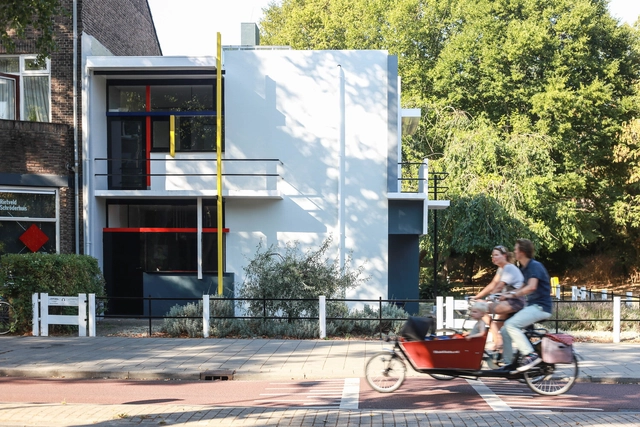
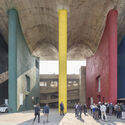
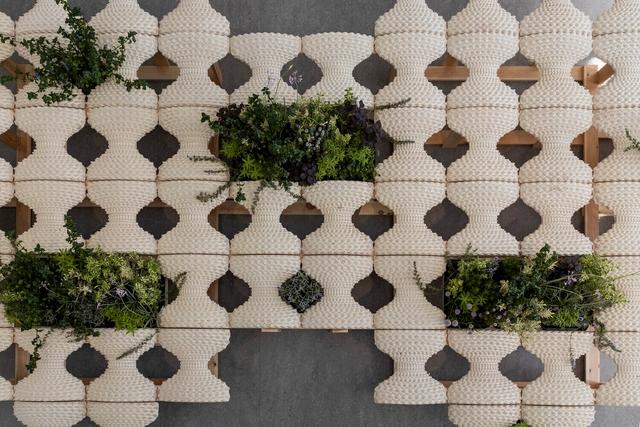
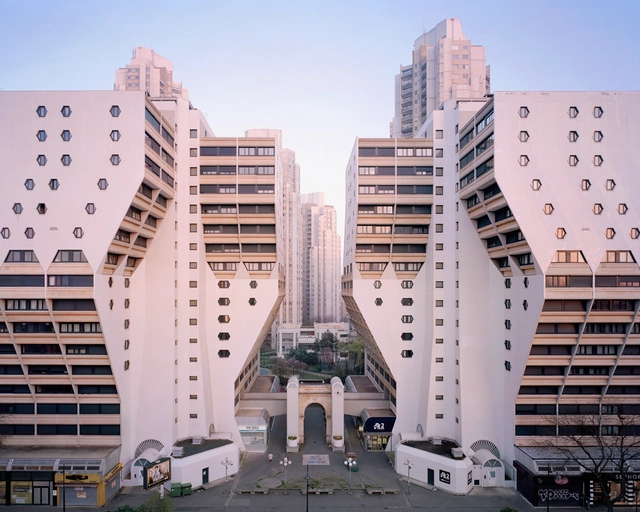
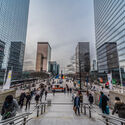
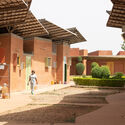
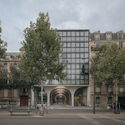
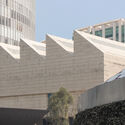
Given that the architects of modernity were in search of purity of form, it stands to reason that the image of this modern architecture is almost inevitably rendered in white in the collective imagination. Relieved of superfluous decorations, modern architecture became associated with the predominant use of white surfaces to highlight the volumetric composition. Combined with the concept of “material truth” first articulated by Victorian critic John Ruskin, white-colored architecture is often understood as straightforward, clear, and sincere.
Willow Technologies is a material research and building technology practice that has been selected as part of ArchDaily's 2023 Best New Practices. Founded by Ghanaian-Filipino designer and architectural scientist Mae-Ling Lokko, it operates in the gap between research, development, and diffusion of bio-based building materials. Working with agro-waste and bio-based materials usually incurs technical questions regarding scalability, industrial production, standardization, fireproofing, and mechanical strength. Exploring this data is where Willow Technologies situates itself, but peculiarly through the lens of developing regions in West Africa. Through comprehensive works with coconuts, moringa, rice, and other indigenous crops, Lokko’s practice has been able to investigate and catalog the material character of various crops, their possible by-products, local transformation techniques, and the prospect and challenges of scalability as building materials.
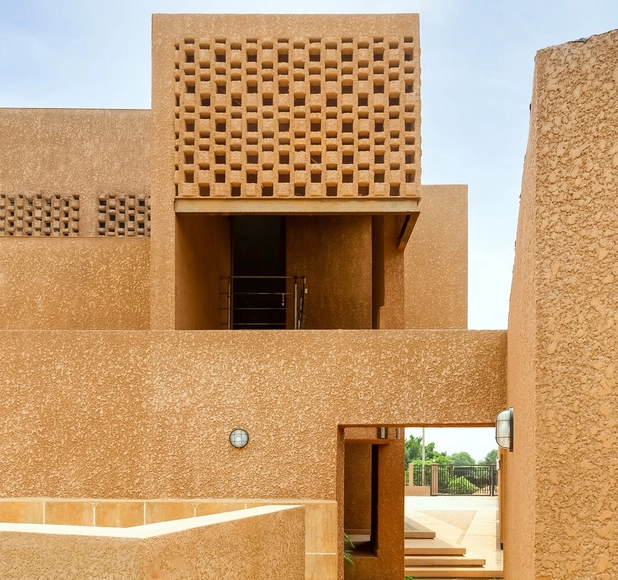
In Lagos, a city with a complex urban fabric that includes historical buildings and vast interpretations of contemporary architecture, lies PatrickWaheed Design Consulting (PWDC). This design practice, Co-led by Adeyemo Shokunbi, aims to contribute to a Nigerian architectural language through the renaissance of local materials. Through explorations anchored in local laterite, they have developed the material as a modern finishing technique, investigated its potential as a natural dye, discovered new ways to employ its thermal properties, and now build the research prospect of other local materials. I had the opportunity to speak with Architect Shokunbi, who discussed the initial inspirations and investigations during the construction of two building projects (Mad House & Abijo Mosque) in Lagos. These projects brought the Laterite finishing technique to life and now help build the case for a Nigerian architectural language.
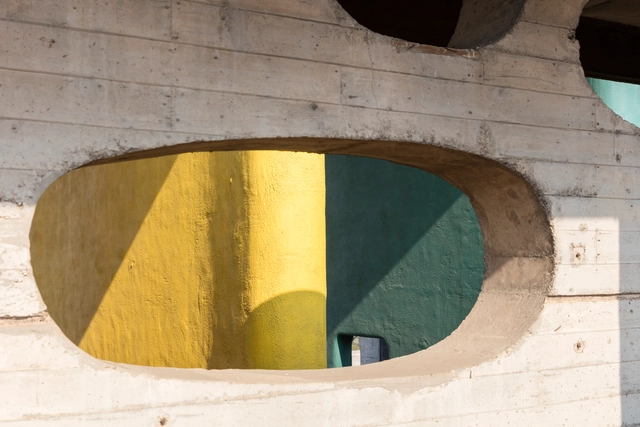
The work of the French-Swiss architect Charles-Édouard Jeanneret is, among many other adjectives, comprehensive. Le Corbusier explored a wide range of scales in his work, from furniture design to urban planning for entire cities. His diverse portfolio also encompassed painting, varied projects, and writing books. One thing that isn't talked about as much, however, was the color theory he developed and applied to several of his architectural designs and artistic endeavors. Deeply rooted in his belief that color plays a significant role in evoking emotions and creating spatial illusions, Le Corbusier's color theory was described in his book "PolyChromie Architecturale" (polychrome architecture), published in 1931. There, he introduced his concept and a carefully curated range of colors that were intended to be used in specific architectural contexts.
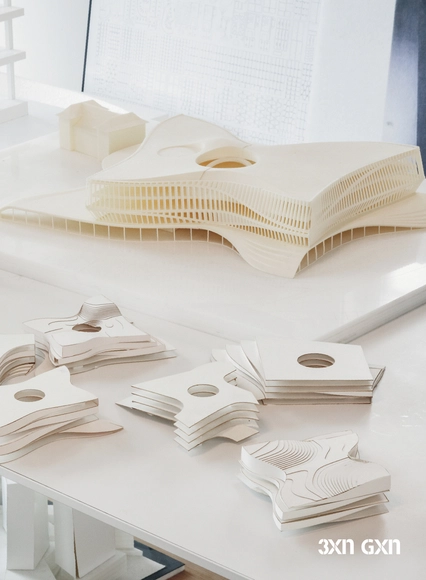
As they recognize the growing significance of innovation in today’s business landscape, architecture firms are experiencing a transformation. Companies across diverse industries have also come to appreciate the impact of design on cracking challenges, thanks to the success of design-focused startups such as Airbnb. Traditionally confined to designing physical structures, architecture firms are broadening their scope and embracing research and innovation as integral elements of their design process. With the establishment of research and innovation divisions, these firms not only enhance their own practices but also offer their expertise to address the evolving needs of our era—ranging from human and technological advancements to strategic innovation.
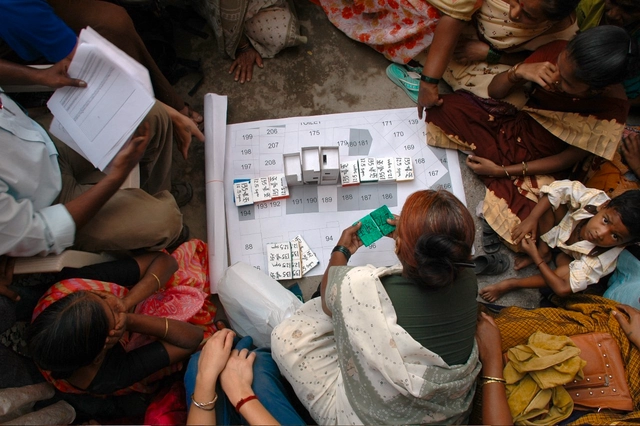
There are moments when architects take the design process beyond their practice and engage with potential users as design participants. This expands the design framework and makes the input of future users key to project development. By seeking the knowledge, skills, and decision-making of a communal collective, the project becomes more tailored to their needs, better designed to fit within their local context, and a platform to exchange techniques and vernacular skills. It also creates a general sense of belonging in communities and gives users the authority to claim the environment around them.
Participatory design is a process that can be applied to all scales of architecture, from houses and offices to public spaces and urban interventions. By examining various projects through the lens of communal collaboration with architects, we gain a deeper understanding of the value this design process holds. It breaks down the participatory theoretical principles of collaboration, co-creation, and empowerment into actionable examples and pragmatic events. These projects exemplify users' contributions to the design process, whether through spatial and urban planning or material and local construction techniques.
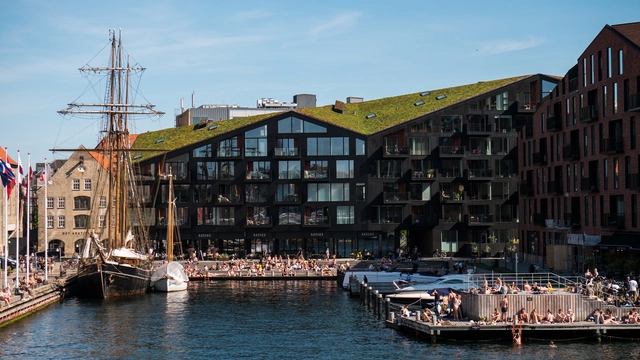
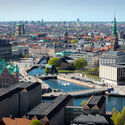
Over the course of five days this week, Copenhagen hosted the largest gathering in the realm of sustainable architecture, bringing together over 6,000 participants from 135 nations. The UIA World Congress of Architects 2023 focused on the theme "Sustainable Futures – Leave No One Behind." This event served as a forum for distinguished researchers and professionals of various backgrounds and ages to delve into methods of creating buildings that address climate change, bolster biodiversity, and foster social inclusivity. As the congress drew to a close, "The Copenhagen Lessons" were unveiled, comprising ten principles intended to facilitate swift and transformative progress in the field of sustainable construction.
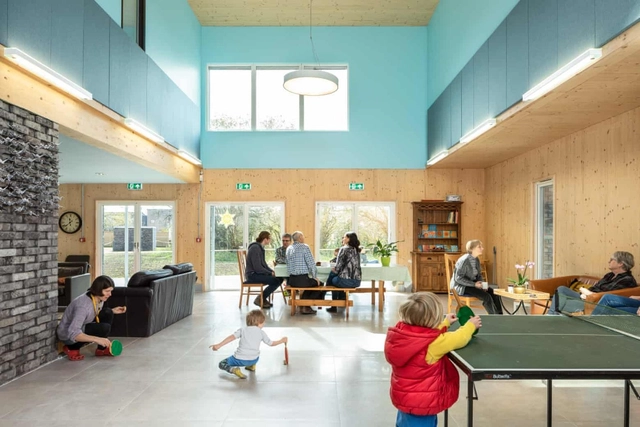
Courtesy of David Butler | Marmalade Lane Cohousing development
The International Day of Cooperatives is a celebration of the cooperative movement, which takes place annually on the first Saturday of July. In 1992, the United Nations General Assembly established it a national day, celebrating the cooperative movement worldwide with yearly themes. The cooperative movement is an association focused on achieving common goals and addressing collective communal needs. Cooperatives believe in community development at their core, prioritizing people and supporting local communities to improve their well-being. Moreover, the co-living models that have been adapted from it have become an enormous success over the past few decades, providing a form of cost-effective social housing. The cooperative structure redefines how people live, work, play, and collaborate. This year's theme is “Cooperatives: Partners for accelerated sustainable development.”
As cooperative principles continue to be injected into built environments today, the concept has created different models of co-op housing, leading to co-living. Over the past years, established European awards have celebrated co-living and architecture studios and developers worldwide have designed different models exploring co-living. The articles and projects selected in this article address what it means to live together, work together, and form healthy communities in this day and age.
Under the titles of Optimism and Instability, this year’s global index score has returned to pre-Covid-19 days, highlighting that the world has fully recovered from the pandemic. Ranking living conditions in 173 cities based on stability, health care, culture and environment, education, and infrastructure, the survey suggests that nowadays, “life in cities is a bit better than at any time in the past 15 years”, although Stability scores dropped on average in 2023, due to worldwide clashes, political disruptions, social protests, inflation, and wars.
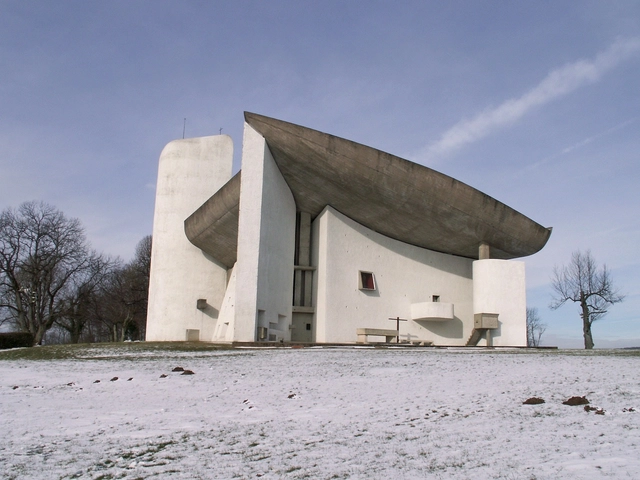
Chapel of Notre Dame du Haut in Ronchamp. Image via Maxpixel
One hundred years ago, in 1923, Le Corbusier’s “Vers une Architecture” was published in the magazine “L’Esprit Nouveau.” The controversial collection of essays authored by the Modernist master served as a manifesto for the development of modern architecture, influencing generations of architects and sparking polemics on the proposed principles of architectural design. The book advocates for the beauty of streamlined industrial designs, like those of airplanes, automobiles or ocean liners; it proposes a completely different way of building cities, favoring tall and slender towers surrounded by abundant greenery, and introduces Le Corbusier’s 5 principles for modern design.
Now, a century later, these theories have become part of every architect’s education, but they are also highly contested. Some critics argue that the rigid approach, especially in relation to urban planning principles, fails to engage the cultural and contextual nuances of different communities, leading to alienating urban environments. Still, the legacy of Le Corbusier is significant, serving as a constant point of reference for architects when exploring the balance between functionality, aesthetics, symbolism and the social impact of their designs.
Architecture has always had a complementary - occasionally codependent - relationship with water. The Roman Domus, the Baths of Diocletian and Caracalla in Rome, and Villa Adriana in Tivoli are some prominent historical examples of how water influenced the design of compositional architecture. In a more modern context, Frank Llyod Wright designed a residential retreat in which water is its protagonist, redefining the relationship between man, architecture, and nature. Nowadays, as architects shifts their focus towards a more contextual, sustainable, and user-oriented practice, the use of water in architecture has become indisputable; cooling interior spaces, providing natural air conditioning when combined with plants, exuding a sense of tranquility, and serving as an organic decorative element.
In his latest TED Talk, Thomas Heatherwick decries a condition affecting areas of the city defined by monotonous buildings, or what he calls “an epidemic of boringness.” While recognizing the functionality which drove these designs, he states that functionality alone cannot ensure that the structures become active parts of urban life, as they often fail to provoke an emotional response from passers-by. Heatherwick explains that, in his view, this emotional function, or the ability of buildings to mean something to their users and visitors, is essential. When it succeeds, architecture can positively contribute to the quality of life and well-being of its residents, promote social cohesion and contribute to a sense of identity. So how can architecture provoke a positive emotional connection and provide an enjoyable backdrop to the communities it serves?
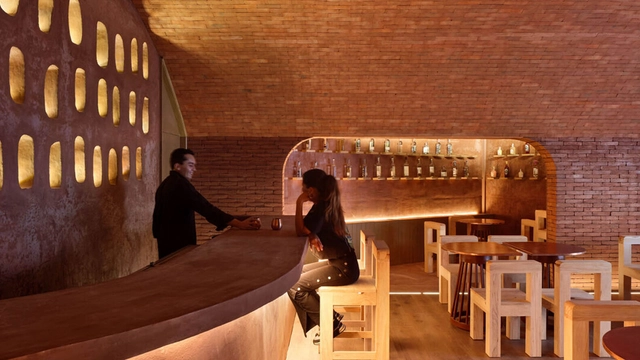
Mezcal is a Mexican beverage that has gained great popularity in the last decade. Its history dates back to pre-Hispanic times when cultures consumed various drinks derived from the agave plant in different ways. During the pre-Columbian period, this plant was used for various purposes, ranging from food to the production of fibers and medicines. However, within the different processes, they discovered that they could ferment and distill the juice of the agave to obtain an alcoholic beverage, which they called "pulque".
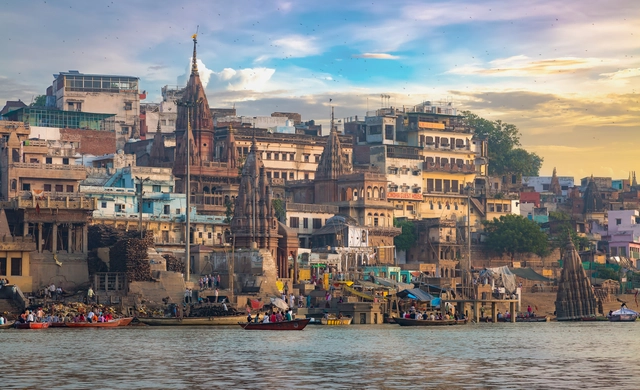
Water, with its religious connotations as a symbol of purification and life, holds great significance in many cultures. Nowhere is this respect for water more evident than in India, a country that reveres its rivers as holy. Water bodies serve as a testament to the veneration and use of water in religious rituals, embodying cultural heritage as public spaces, ritual sites, and places for cremation. Central to daily life in India, water and water architecture intertwine spirituality, and cultural traditions, offering a glimpse into the rich traditions of communities.
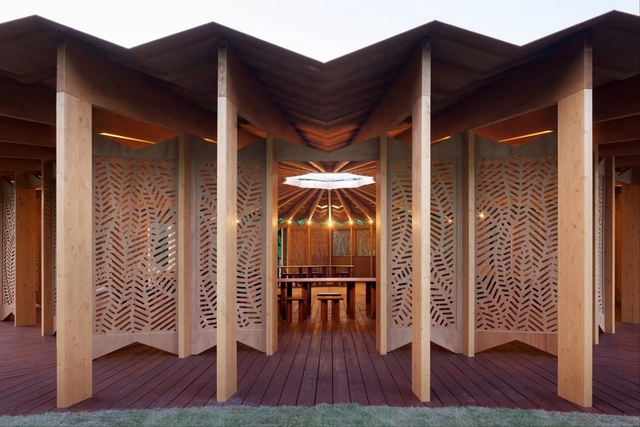
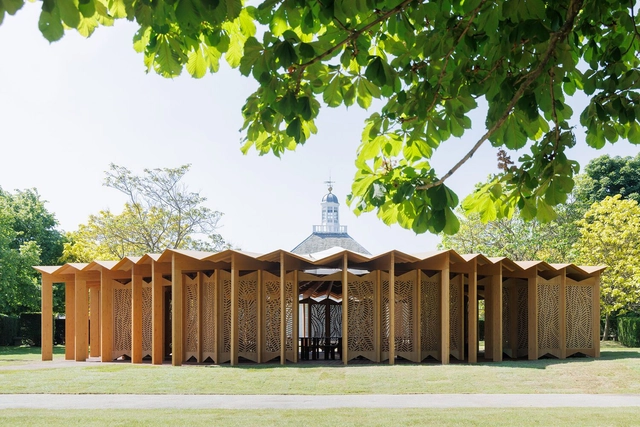
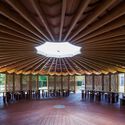
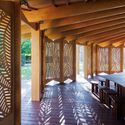
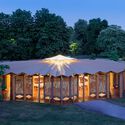
As you make your way through the symphony of wooden colonnades, leafy screen walls, and unfurled roofing, towards the converging veins of flooring and ceiling ribs leading to the light, it feels like a space that was always meant to be there. Part of the park, the pavilion complements the nature around it, reflecting its patterns, and illuminates a main interior feature: a concentric set of tables and stools that inspire people to sit at the moment, hold conversations, and connect with each other. This narrative tells the tale of this year's Serpentine Pavilion, designed by French-Lebanese architect Lina Ghotmeh.
Titled, À table, It draws inspiration from the designer’s connection with nature growing up and is reminiscent of the French call to sit together at a table, share a meal and enter a dialogue. It foregrounds the table as a laboratory of ideas, concerns, joys, connections, and essentially brings people together. It further reflects on the architectural ideals that can provoke and welcome moments of collective conversations.
The Serpentine has announced the official opening of the 22nd Pavilion, designed by French-Lebanese architect Lina Ghotmeh, at Serpentine South on June 9th, 2023. The Pavilion is titled À table, a French invitation to sit down together at a table and engage in an open dialogue while sharing a meal. The interior space of the pavilion is defined by the large table that encircles the perimeter, offering an opportunity for conviviality and the sharing of ideas, concerns, joys, and traditions. The 300-square-meter structure, inspired by the architect’s Mediterranean heritage, is designed to be lightweight and fully demountable to ensure a minimal carbon footprint. The Serpentine Pavilion will be open and free of charge every day from June to October 2023.