Romullo Baratto is an architect with a PhD from FAUUSP and Managing Editor of ArchDaily. He previously coordinated the editorial team of the 11th São Paulo Architecture Biennial and served as Managing Editor of ArchDaily Brasil, where he led the platform to win the FNA Award—the first time the honor was granted to a media outlet. His work spans academic research and editorial practice, communicating architecture through texts, interviews, lectures, curatorship, and photography. Follow him on Instagram @romullobf.
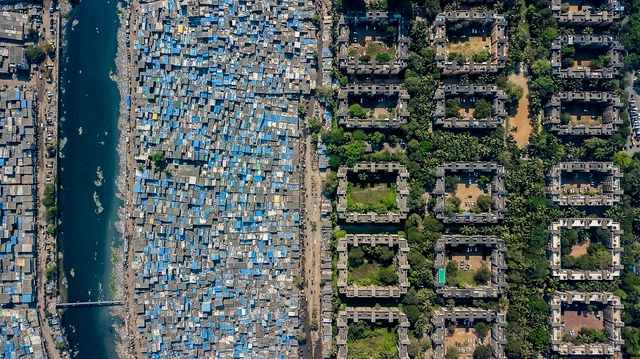
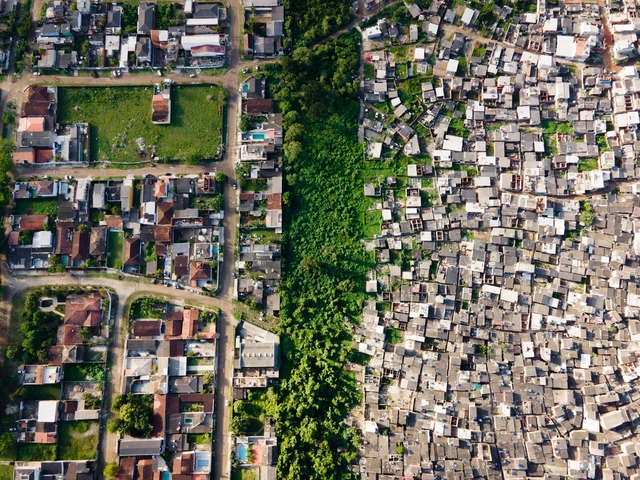
Most people are familiar with the concept of social and economic inequality, but although it affects a large part of the world's population, it is still somewhat abstract for many people. Photographer Johnny Miller intends to make it visible through his project Unequal Scenes, capturing images of spatial inequality from a very revealing perspective: aerial imagery.
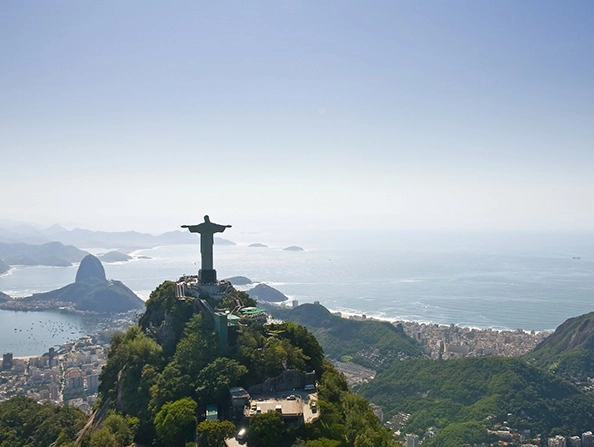
The project started in South Africa, a country that is socially and spatially marked by apartheid, and now has been taken to Brazil to document scenarios in which extreme poverty and wealth coexist within a few meters, showing how distance is not only a measurement of physical length but can also imply more complex aspects, deeply rooted in our society.
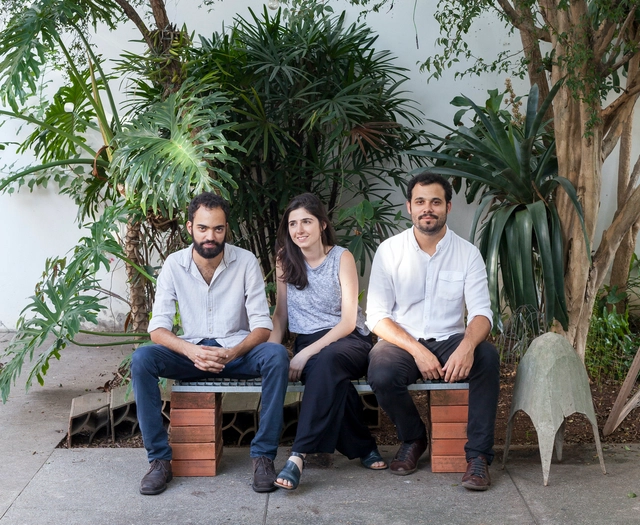
Vão is a transdisciplinary architecture office based in São Paulo, Brazil, created in 2013 by Anna Juni, Enk te Winkel, and Gustavo Delonero. The office operates in a territory between fields, exploring multiple subjects and scales ranging from art installations to residential architecture, as well as cultural, commercial, and corporate facilities, seeking to dissolve or push the boundaries between disciplines to enhance architectural thinking and practice.
Recently we had the opportunity to talk with the team partners about some of the topics that shape the firm's approach and also look deeper into some of the group's best-known projects. You can read the interview below.
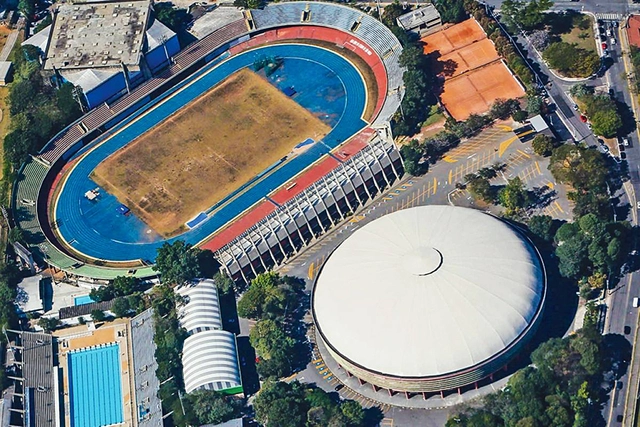
For the past few weeks, there has been concern that the Ginásio do Ibirapuera, an indoor sporting arena located in São Paulo, Brazil, designed by architect Ícaro de Castro Mello, may be converted into a shopping, entertainment, and gastronomic center. This could be the fate of the building, which is of notorious historical significance if the private sector sets in motion the financial modeling report for the Ibirapuera Park concession, articulated by the São Paulo State Government.
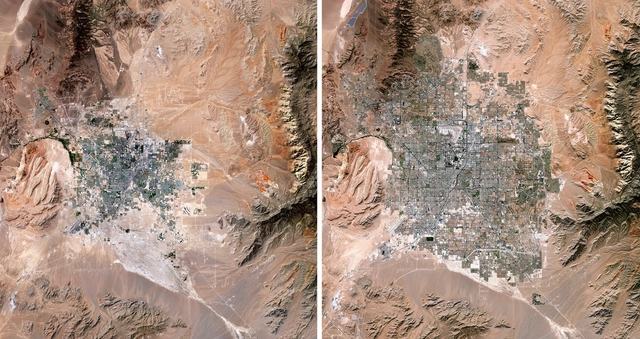
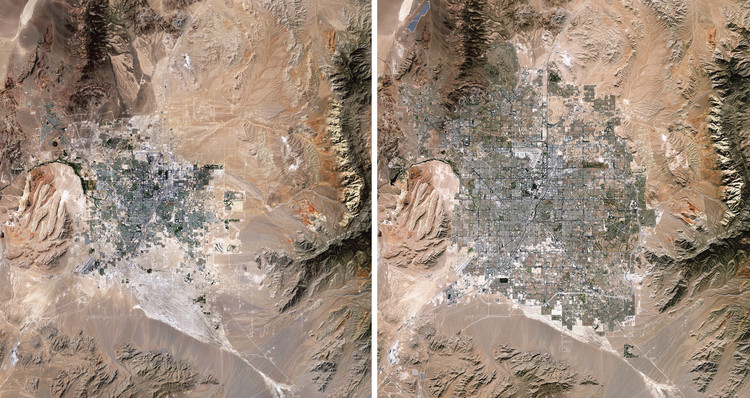
Las Vegas Expansion, 1989/2019. Source Imagery courtesy of The European Space Agency (ESA) Paris, France
Human impacts on Earth are a common issue nowadays, and many people say that there is no turning back. Climate crisis, greenhouse gases, exploitation of natural resources, production of solid waste and atmospheric pollution are some of the most pressing issues that the global community must address if we want to ensure a sound future for the next generations.
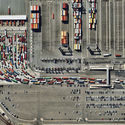
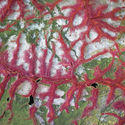
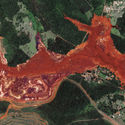
These topics can be viewed in full-color and high-definition in the new book Overview Timelapse: How We Change the Earth, by Benjamin Grant and Timothy Dougherty, which compiles 250 satellite and drone photographs of places on Earth that are in constant transformation.
A city's industrial past can leave unsettling imprints on the present. Large abandoned structures and forgotten facilities are very appealing not only to the voracious real estate market but also to the imagination of those who daydream about an unpromising past. Take the Ruhr valley, Germany's most populated urban area, and Europe's largest industrial region.
Videos
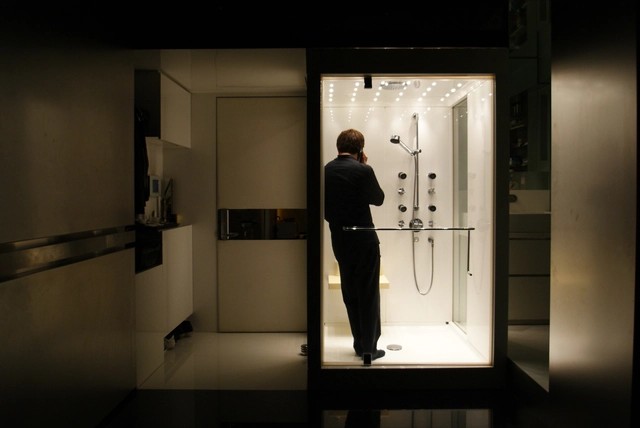
Gary Chang in his Domestic Transformer. Image Courtesy of Edge Design Institute
Compact living units have become the norm in most big cities across the globe. High density and the value of land in urban areas has made it mandatory for most developments to take full advantage of the buildable area. The result is homes that are increasingly smaller. Hong Kong is probably the most extreme case – with roughly three-quarters of the land preserved, the portion left for housing accommodates more than 7 million people in one of the densest urban environments on Earth.
We recently had the opportunity to talk with architect Gary Chang, founder of the Hong Kong-based Edge Design Institute, about his vision of compact living, small-scale architecture, flexibility, and the future of our cities.
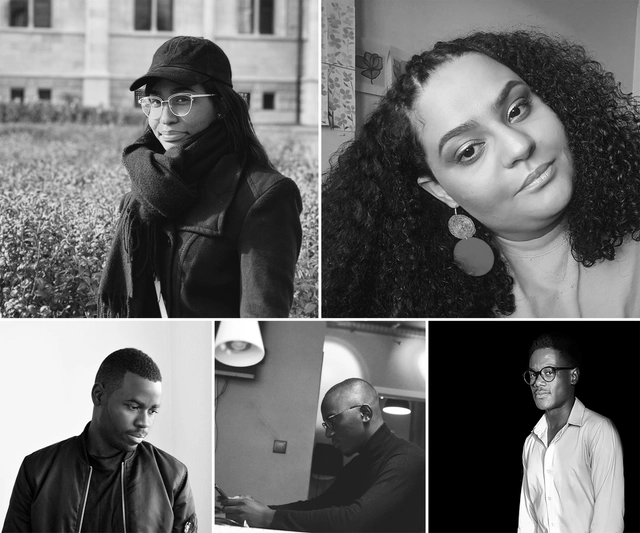
Grupo BANGA. Em sentido horário: Yolana Lemos, Kátia Mendes, Gilson Mendes, Mamona Duca e Elsimar de Freitas. Image Cortesia de Grupo BANGA
Investing in virtual projects has probably never been more timely, after all, we have been partially deprived of contact with the concrete world. Exploring the singularities of the present moment and the power of online engagement, a group of architects from Angola started an ambitious work: pursuing a new identity for Angolan architecture.
Formed by Yolana Lemos, Kátia Mendes, Mamona Duca, Elsimar de Freitas, and Gilson Menses, Grupo BANGA is responsible for the project Cabana de Arte (Art Hut), which combines the efforts of young architects and artists from Angola in virtual works that seek to bring visibility to emerging professionals and bring architecture closer to people's daily lives.
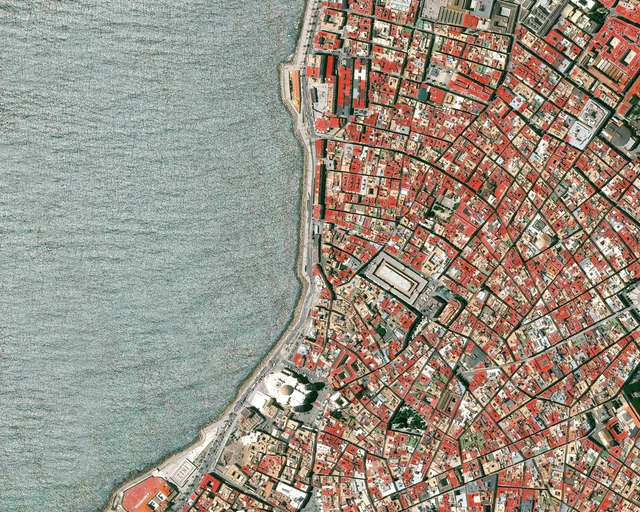
Seeing from above – the aerial vantage point – is the illusion of knowledge. This was the idea of Frenchman Michel de Certeau, a historian who was interested in the everyday practices that occur on the ground, on the streetscape. In contrast to Certeau's view, satellite images can be a powerful tool to understand, predict, and strive for a better future for humankind. This is the mission of Benjamin Grant, founder of Overview, a platform that explores human activity on Earth through aerial imagery.
Interested in fostering "an experience of awe" through elevated vantage points of our world, Overview offers snapshots featuring traces of human activity on the surface of the planet. Photos of cities and other cultural artifacts join pictures of mesmerizing topography and natural beauty in an impressive archive of drone and satellite images. Awe abounds as we face not only some of the most impressive human endeavors seen from the sky, but also as we are confronted with the rather gruesome side-effects of our very existence on Earth.
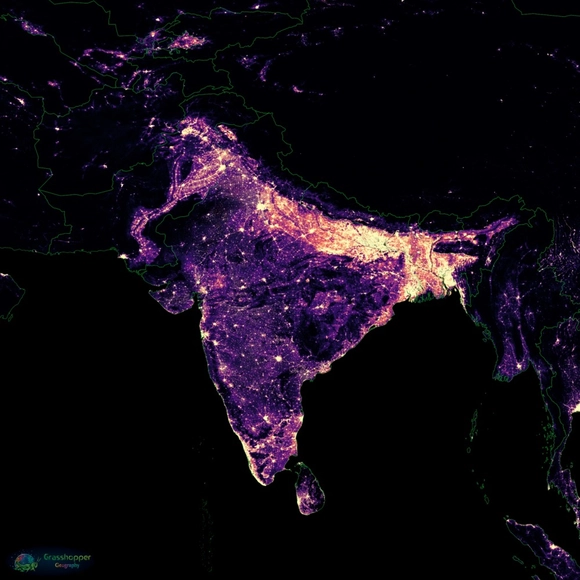
Hungarian analyst and cartographer Robert Szucs shared with ArchDaily another of his series of maps, this time addressing the population distribution on Earth. A large blackboard, identifying only the geopolitical boundaries of countries and continents, reveals bright constellations, representing human agglomerations and the world's great voids.
Across the world, urban clusters have —to a greater or lesser extent— social and economic differences. Reflected in space, these imbalances of income and access to education, health, sanitation, and infrastructure generate ruptures more or less visible —although drastically felt.
Although a daily reality for some, socio-spatial inequalities can often go unnoticed. Photographer Johnny Miller states, "Discrepancies in how people live are sometimes hard to see from the ground... Oftentimes, communities of extreme wealth and privilege will exist just meters from squalid conditions and shack dwellings." Miller's photo series 'Unequal Scenes' seeks "to portray the most 'Unequal Scenes' in [the world] as objectively as possible."
Representation of the real world is, without any doubt, in the genesis of cinema, an art originated from photography, by creating a sequence to convey the impression of movement to the viewer. In fact, the earliest known film recording is from 1895, picturing the arrival of a train at Ciolat station in France, a trivial event in the daily life of 19th-century European cities.
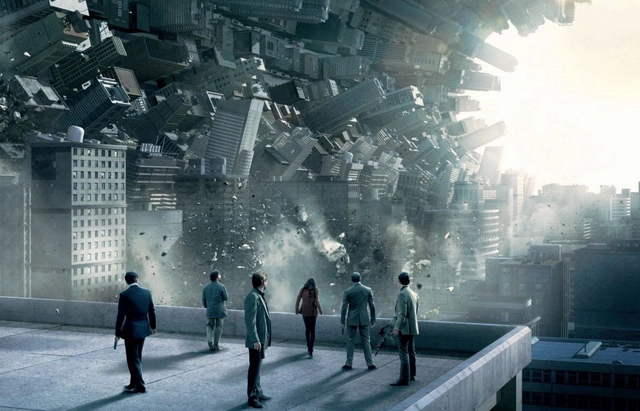
However, even though tangible reality plays a big role in cinema, one cannot ignore that the fascination caused by this art comes, to a great extent, from its capacity to create imaginary worlds, to activate mental spaces, and to unleash emotions. In this sense, the real world may often provide insufficient fuel, inspiration, or background for the directors' and screenwriters' storytelling, so the art direction and scenic design teams are required to create other intangible realities that serve as a basis for the narrative.
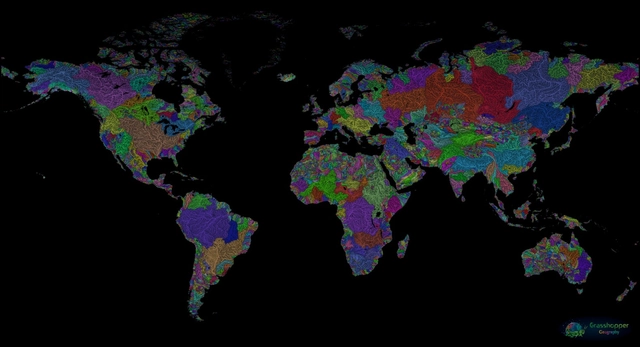
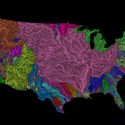
GIS analyst and Hungarian cartographer Robert Szucs has shared an impressive collection of maps that bring together all the drainage basins of the world in vibrant colors. Titled GrasshopperGeography, the maps showcase the rivers and watercourses of the world, featuring the basins of selected regions, countries and continents.
Following the recommendations of public authorities and the WHO general guidelines towards the COVID-19 pandemic, The International Union of Architects, UIA, the Institute of Architects of Brazil, IAB and the Executive Committee UIA2020RIO have decided to postpone the 27th World Congress of Architects to July 2021. The announcement echoes several other events related to architecture that had to be postponed, including the Venice Biennale and the Salone del Mobile.
A glimpse of hope emerged from the endless loop of COVID-19 news this week when China announced the closure of their last temporary hospital in Wuhan due to their stabilization of the pandemic that has now taken the world by storm. Western countries have been enforcing more restrictive measures aiming to stop the spread of the virus, including mandating shelter-in-place orders and forcing any business deemed non-essential to close. Due to the quarantine and isolation politics imposed by the authorities around the globe, we asked you, our readers, how the coronavirus is affecting your daily life as architects and designers. These answers allowed us to compose an overall picture of the atmosphere established by the pandemic – and the way we are adapting to it.
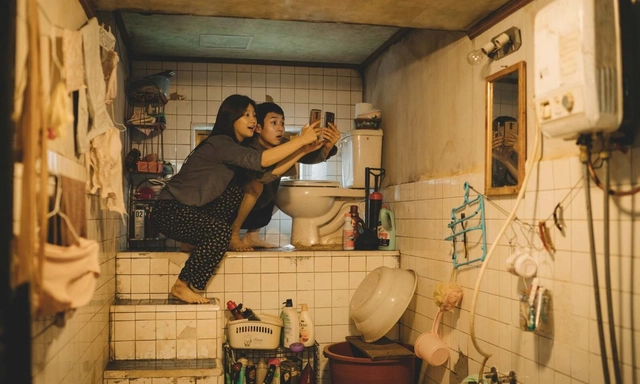
The recent success of Parasite, the award winning film directed by South Korean director Bong Joon Ho, has created a conversation around the emphasis of architecture and interior spaces in movies. This particular film does an excellent job of blurring the boundaries between the two disciplinary fields, to the point where the architecture is not just the background of the set, but it has been placed at the forefront of the storyline, and takes on the leading role in many scenes.
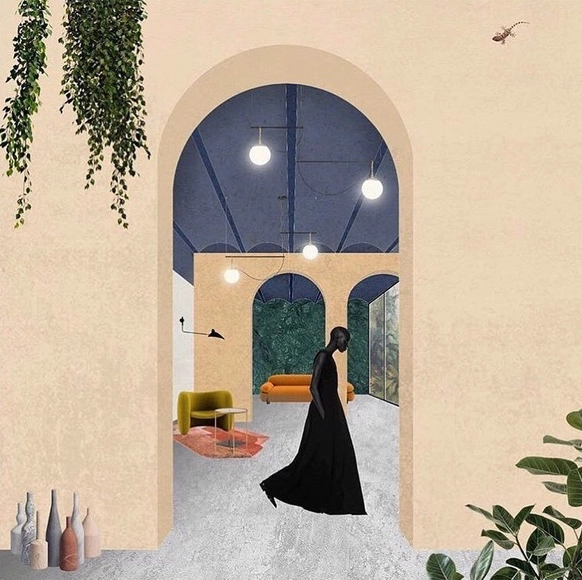
Ilustração de @cipriastudio Marzia Iacono e Anna Lisa Pruiticiarello | Itália. Image Cortesia de MMW
Mulher, Mujer, Woman, or simply MMW, is an online platform dedicated to architectural representations, whose objective is to spread the women's production within our professional field. Created by the Brazilian architects Carol Vasques and Débora Boniatti as a reaction to the still scarce diffusion of female references, the platform seeks to "highlight the importance and relevance of women in the past, present and future of the profession."
Users now can virtually visit museums all over the world thanks to Google Arts & Culture. The project offers 360 ° views of places that can often be inaccessible due to financial costs or distance.
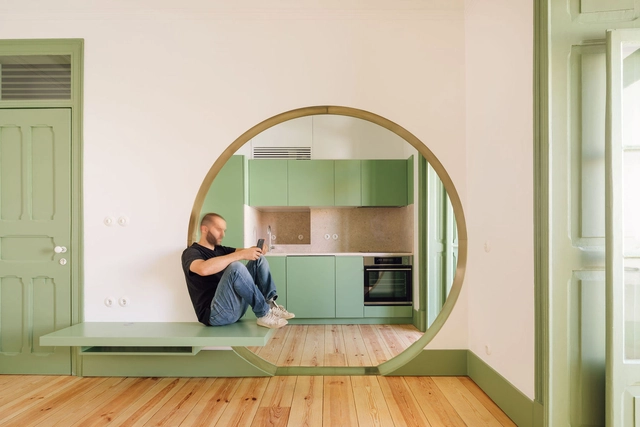
With a vast built heritage, Lisbon's contemporary architectural production is rich in rehabilitation projects. Lacking space for new buildings - unless one is willing to pay for the land's high market price - Lisbon's current architecture prescinds tabula rasa and faces the challenge of working with what already exists - often limiting itself to design only interior spaces.






.jpg?1602706135&format=webp&width=640&height=580)
.jpg?1602705046 "Zollverein Coal Mine Industrial Complex in Essen. Photography & Concept © Erieta Attali")
.jpg?1602705111 "Zollverein Coal Mine Industrial Complex in Essen. Photography & Concept © Erieta Attali")
.jpg?1602705591 "Duisburg-Nord public park. Photography & Concept © Erieta Attali")
.jpg?1602705763 "Duisburg-Nord public park. Photography & Concept © Erieta Attali")
.jpg?1602706135)


_-_Vista_da_Pra%C3%A7a.jpg?1601059705 "Projeto arquitetônico virtual para a exposição \"Tchitundu-Hulu, a história resgatada\". Image Cortesia de Grupo BANGA")
_-_Planta_de_Cobertura.jpg?1601059767 "Planta do projeto para a exposição \"Mfwanana, Dialetos da Terra\". Image Cortesia de Grupo BANGA")
_Eu_sou_o_sol_-_as_marcas_perpetuadas_em_mim_(2)_-_Sala_de_Exposi%C3%A7%C3%A3o.jpg?1601059792 "Projeto arquitetônico virtual para a exposição \"Eu sou o sol - as marcas perpetuadas em mim\". Image Cortesia de Grupo BANGA")