Romullo Baratto is an architect with a PhD from FAUUSP and Managing Editor of ArchDaily. He previously coordinated the editorial team of the 11th São Paulo Architecture Biennial and served as Managing Editor of ArchDaily Brasil, where he led the platform to win the FNA Award—the first time the honor was granted to a media outlet. His work spans academic research and editorial practice, communicating architecture through texts, interviews, lectures, curatorship, and photography. Follow him on Instagram @romullobf.
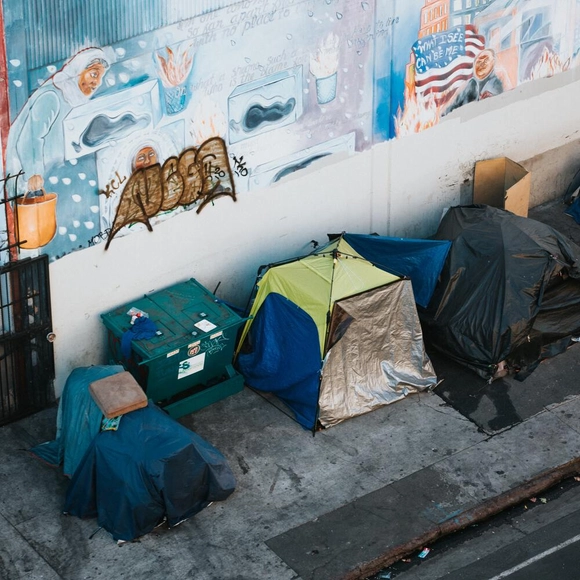
An architectural project conceived from the neoliberal system can only be hostile. That's what Father Júlio Lancellotti, an active figure in actions to support homeless people in São Paulo, says. His work at the head of Pastoral do Povo da Rua has deservedly received the attention of national and international media, as well as being frequently published on his own social networks, drawing the attention of the public and authorities to urgent issues of inequality, invisibility of the most vulnerable and the hostility of our architecture and public spaces.
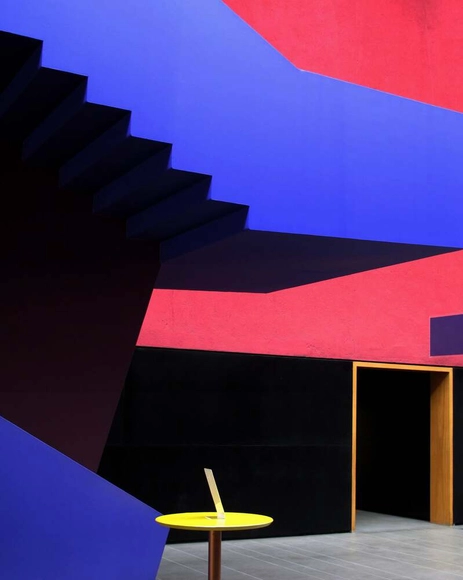
"I'm interested in creating shapes that surprise people, that are bold," Ruy Ohtake used to say. With a career of over six decades and around 420 works built – almost three hundred only in São Paulo – Ohtake leaves a prolific and inspiring legacy to Brazilian architecture.
Besides São Paulo, his projects are spread over places as far away as Brasília, Mato Grosso do Sul and Rio de Janeiro, states where he designed and built residences, transport equipment, headquarters of cultural institutions, hotels, banks, sports arenas and corporate towers. In many of these, it is possible to recognize the architect's resistance to leaning towards the straight line, one that offers no surprises, and the desire to thrill with its shapes and colors.
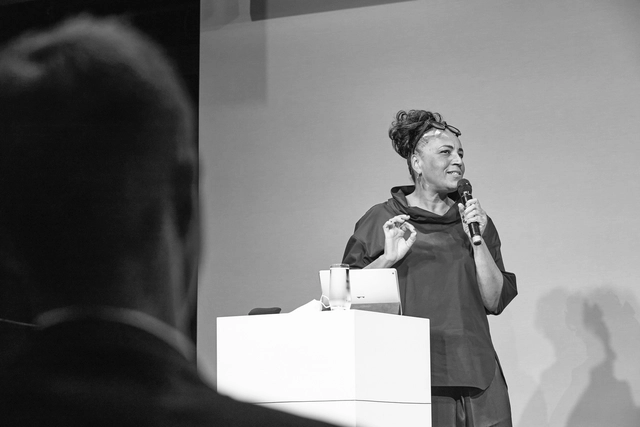
Lesly Lokko. Courtesy of Berlin Questions, Edited by ArchDaily
From the content universe we made available in 2021, interviews are, without a doubt, among those in which we invested more time and research. Making room for the voice of architects and other professionals in the built environment is a great pleasure but also an enormous challenge, as it requires a lot of research and dedicated time from our team of editors. It is also rewarding as it puts us in contact with some of the most prominent talents in our discipline, who have been discussing issues such as cities, community, environment, democracy, sustainability, building technology and interiors.
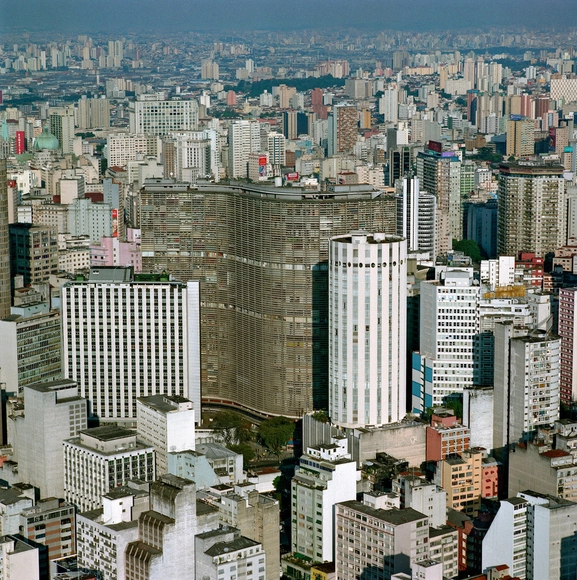
One of Oscar Niemeyer's most famous projects, the iconic Copan building in downtown São Paulo, may finally have its restoration work started. After being negotiated for ten years, the project presented by a company hired by the building administration was partially approved by the Department of Historical Heritage (Departamento de Patrimônio Histórico - DPH) and the Municipal Council for the Preservation of the Historical, Cultural and Environmental Heritage of the City of São Paulo (Conselho Municipal de Preservação do Patrimônio Histórico, Cultural e Ambiental da Cidade de São Paulo - Conpresp).
Designed by Niemeyer together with Carlos Lemos, the building will celebrate the 70th anniversary of the beginning of its construction next year. However, it has been suffering from maintenance problems on the facade for almost two decades, such as infiltrations, falling tiles, disfiguring, detachment of concrete, and exposure of steel reinforcement, according to technical findings reported to the heritage agencies.
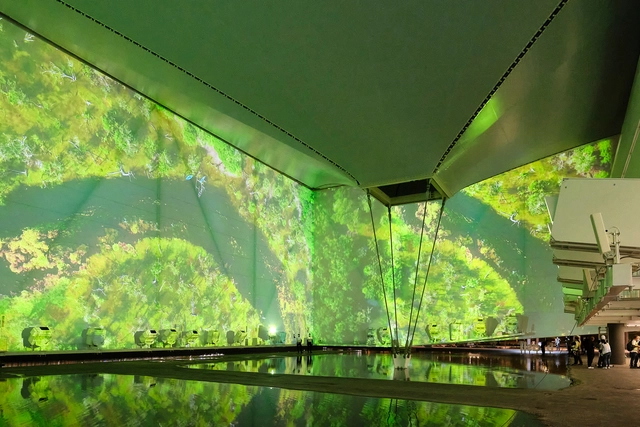
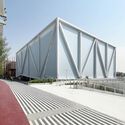
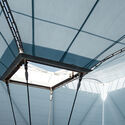
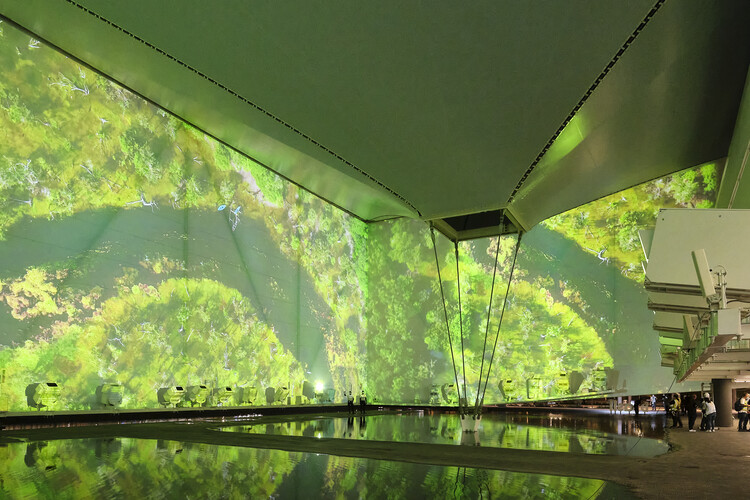
Designed by JPG.ARQ, MMBB Arquitetos, and Ben-Avid, the Brazil Pavilion at Expo 2020 Dubai offers a sensory experience that connects visitors of the World Expo with Brazilian biomes and cultural heritage.
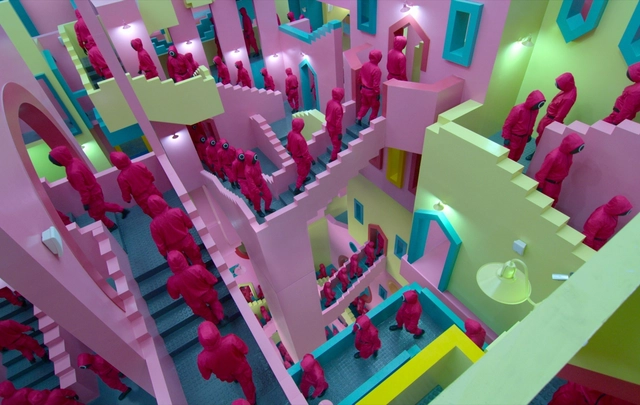
Maze-like hallway. Screenshot from the series. Courtesy of Netflix
People die in Squid Game. Lots of people. But while violence is one of the most appealing ingredients for the success (or failure) of a television show, that's not the only reason the series has become so popular worldwide. Pop culture, mesmerizing scenarios, and a plot full of social metaphors all contribute to this.
Available for streaming since September 2021, the Netflix series Squid Game “will definitely be our biggest non-English language show in the world, for sure,” and has “a very good chance it’s going to be our biggest show ever,” according to Ted Sarandos, the platform's co-CEO and Head of Content. The survivor thriller by director Hwang Dong-hyuk tells the story of a group of 456 people who are deeply in debt competing to win 45.6 billion won (around €33 million, $38 million) in prize money.
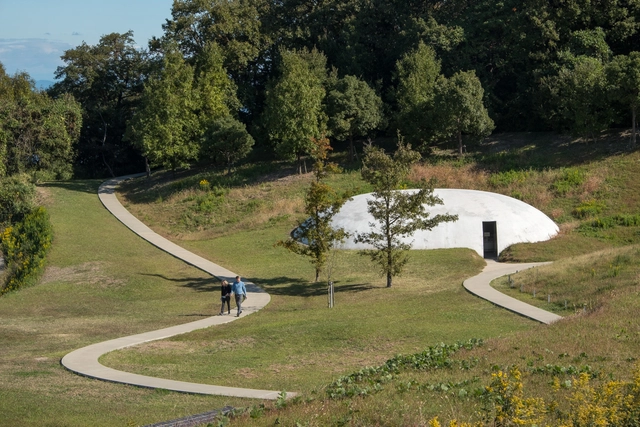
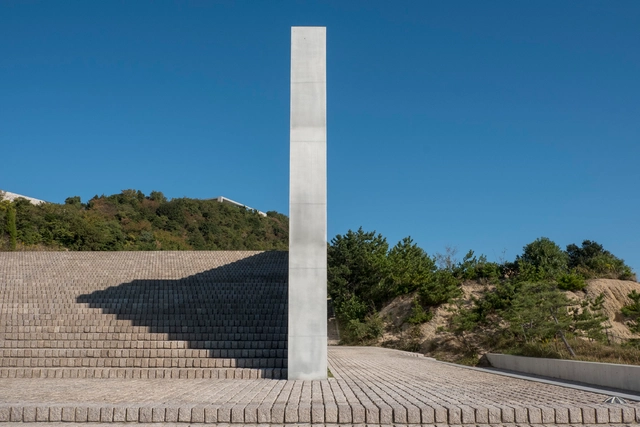
Naoshima, Teshima, and Inujima are the three main islands of an archipelago in Japan's Seto Inland Sea. What sets them apart from the many other Japanese islands is the large number of exceptional architectural works designed by some of the greatest architects and artists in the world. These projects are part of the Benesse Art Site Naoshima, an art complex idealized by billionaire businessman Soichiro Fukutake in the 1980s, composed of eighteen museums, galleries, and open-air installations.
Few places in the world have so many cultural and artistic facilities as the islands of Naoshima, Teshima, and Inujima, in Japan's Seto Inland Sea. Eighteen museums, galleries, and installations make up the Benesse Art Site Naoshima, a project idealized by billionaire businessman Soichiro Fukutake in the 1980s.
At the time, Fukutake invited none other than architect Tadao Ando to design the Benesse House Museum on the island of Naoshima, which went beyond an economic reboot to create a simpler, slower way of life - evidently for those who can afford it - far removed from the Japanese megacities.
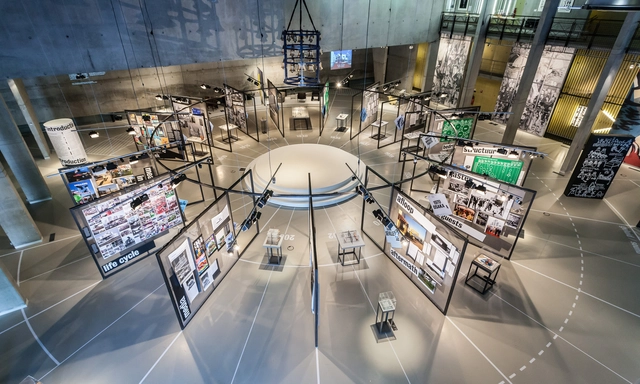
Among the most renowned and well-established offices in the world, OMA - Office for Metropolitan Architecture, founded in the 1970s by Rem Koolhaas, Elia Zenghelis, Madelon Vriesendorp, and Zoe Zenghelis, is definitely part of the pantheon of the most famous. Curiously, although it receives large commissions and has already built several emblematic works in different countries, the office is often associated with an approach that is less focused on architectural design, going beyond the strict limits of the disciplinary field and encompassing other areas of practice.
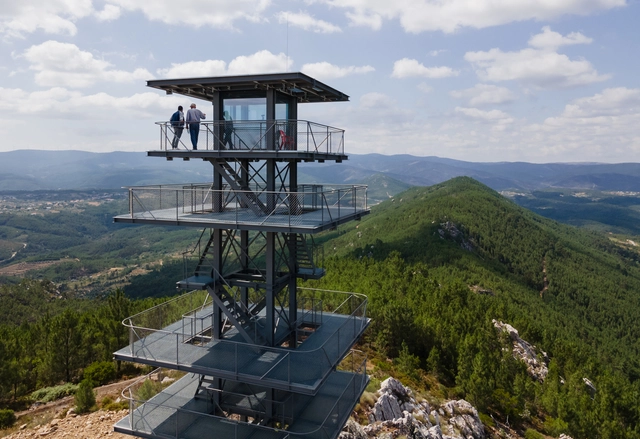
Álvaro Siza's latest project in Portugal is a 16-meter high watchtower built with a lightweight steel structure featuring photovoltaic panels on the roof. This project is very different from most of Siza's works, both in terms of scale and materials. The watchtower is located in Serra das Talhadas, in the municipality of Proença-a-Nova, and is part of a larger project comprising several structures dedicated to ecotourism in the area, including the still unbuilt Miradouro do Zebro.
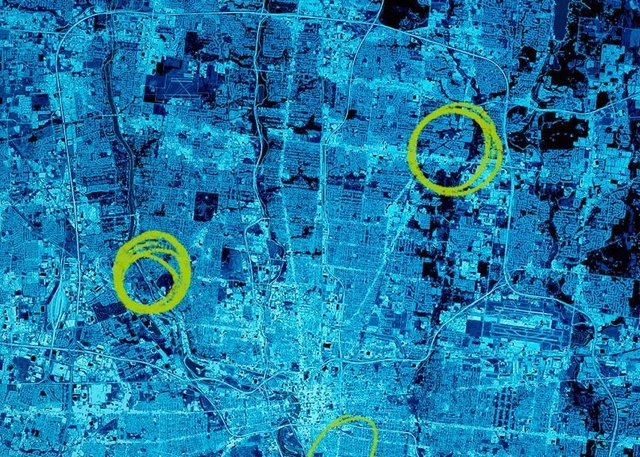
“If you gave me your shoe, I could tell you with about 90% accuracy the city in the world from which you came,” says Christopher Mason, Ph.D., a professor at Weill Cornell Medicine in New York, NY, co-author of the first global atlas of urban microorganisms. The study, carried out by the international Metagenomics and Metadesign of Subways and Urban Biomes (MetaSUB) consortium, creates a map of the microbiome of some of the largest cities in the world.
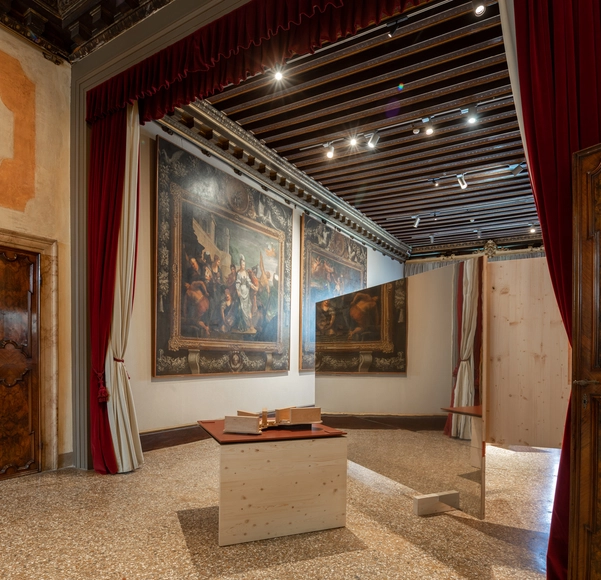
In Conflict, the Portuguese Official Representation at the 17th Architecture International Exhibition La Biennale di Venezia, 2021, is co-curated by Carlos Azevedo, João Crisóstomo, and Luís Sobral of depA architects, and Miguel Santos. The exhibition addresses public spaces as arenas of conflict, understood as the action of opposing forces translated as dissension. In Conflict responds directly to the question 'How will we live together?' posed by Hashim Sarkis, curator of the Biennale Architettura, and is based on seven architectural processes involving collective dwellings that were the subjects of broad media coverage and public involvement.
The International Union of Architects (UIA) has announced the UIA Gold Medal and Prizes winners. The UIA Gold Medal is awarded to Brazilian architect Paulo Mendes da Rocha, president of the 27th UIA World Congress of Architects — UIA2021RIO Honour Committee. The architect will also participate in a keynote speakers session programmed for July.
Paulo Mendes da Rocha, now 92 years old, has been honored with important awards, such as the Pritzker Prize in 2006, considered to be one of the world's premier architecture prizes, and the Venice Biennale Golden Lion for Lifetime Achievement, in 2016. Mendes da Rocha was the first Brazilian to be awarded this prize.
Rare are the fields, from arts and culture, that have so many things in common with architecture, as film does. Acknowledging that this is far from new, this topic has been debated by theorists and authors from both fields ever since the beginning of the 20th century. Architecture has been trying to embody subtle and poetical features from film while cinema has historically served as a means to discuss, represent, and denounce topics tightly related to architecture and cities.
An interesting example of this overlapping can be found in the contemporary production of French-Italian film company Bêka & Lemoine, whose works show a sensible look towards the details and the simplicity of the architecture and urban spaces. Currently encompassing thirty feature films, Ila Bêka's and Louise Lemoine's portfolio casts light on the everyday life of different cities around the world, revealing an attentive gaze to the most trivial aspects of human existence in the urban realm.
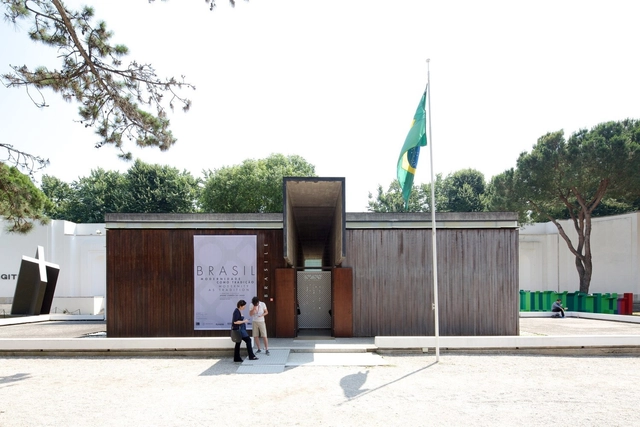
Entitled utopias of common life, Brazil's official participation in the 17th Bienalle Architettura 2021 is curated by the collaborative studio Arquitetos Associados and the visual designer Henrique Penha. The exhibition at the Brazilian Pavilion in the Giardini, in Venice, begins by mapping utopias that exist on Brazilian soil, from the Guarani world vision of a Land Without Evil to contemporary times, highlighting a few singular moments among them.
Conceived before the Covid-19 pandemic, which has temporarily suspended the possibility of physical proximity in a large part of the world, the proposal gains new meanings in the current context and dialogues with the overall theme, by curator Hashim Sarkis: How Will We Live Together?
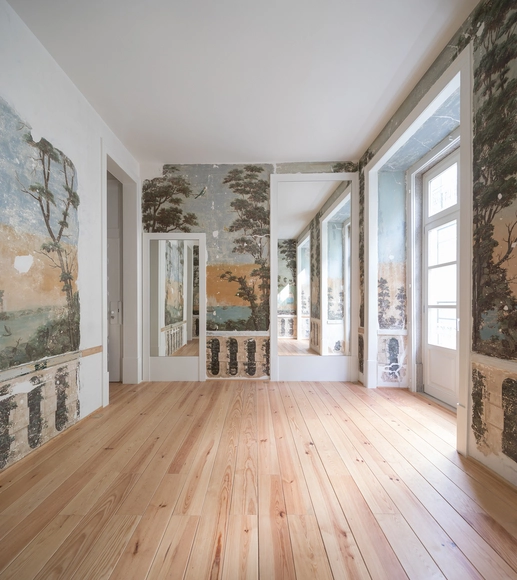
José Adrião. Douradores Apartments Lisbon | 2013–2020. Photo by Nuno Almendra, 2020
"The house is among the first concepts shared by society and architecture", states André Tavares and Pippo Ciorra, curators of the exhibition called At Home: Projects for Contemporary Housing, on display at Garagem Sul / Centro Cultural Belém, in Lisbon. The show, which is the unfolding of another one previously held at the MAXXI Museum in Rome, gathers pieces from the huge collection of the Italian institution and seeks intersections with contemporary Portuguese architectural production. Its main topic – the house, the home – has never been more discussed than right now.
Bringing together houses of different scales, built in diverse locations by various methods and techniques, and designed by Italian, Portuguese and international architects, the exhibition gathers, in groups of three, projects from which it is possible to weave relationships that go beyond geographies and materialities and foster reflections about the future of housing and what the home of tomorrow will look like.
We had the opportunity to talk with Tavares and Ciorra about the exhibition, its motivations and expectations with its opening in the physical venue of Garagem Sul. Read below.
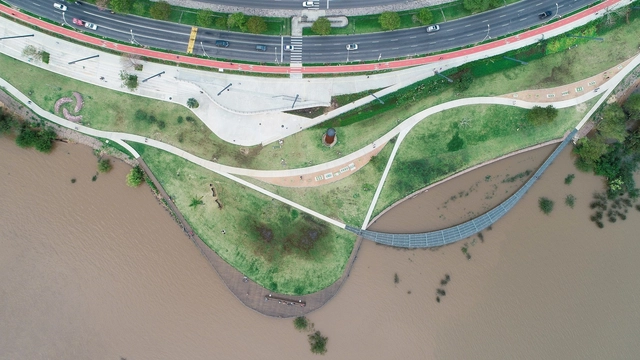
Linear parks exist in many different contexts - along riversides, coastal areas, or inserted in the urban fabric - and represent a very particular type of public space that evokes the idea of a vector and, consequently, the sense of movement. However, they can provide more than just activities and programs associated with mobility, proving to be an appealing solution to the lack of spaces for leisure, contemplation, and relaxation in the most varied urban situations.
Below, we have gathered 12 examples of linear parks built in different parts of the world, illustrated by photographs and floor plans.
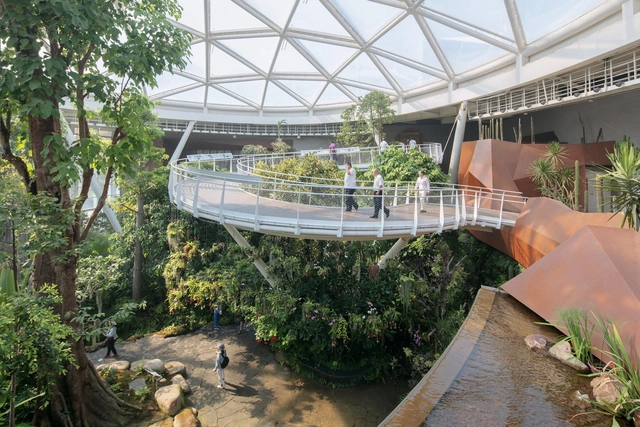
Botanic Garden in Beijing / URBANUS. Courtesy of Wang Hui
One of the most rewarding aspects of working with architecture publications is the possibility of meeting and becoming closer to the experts that are effectively transforming the discipline, either with built projects, research, experiments, theories, or even with works in other fields. In this sense, interviews perform a special role among all the different types of content published every day by ArchDaily, as we can get a closer insight into what some of the most distinguished and promising people have to say about the present and the future of architecture and cities.
With more than two hundred interviews published in our platforms, in English, Spanish, Portuguese, and Chinese, conducted in various formats – video recordings, transcripts, interviews by e-mail, video calls, or even podcasts –, it's safe to say that 2020 was a year of intensive learning during which we have become, paradoxically, closer than ever before to an inspiring group of architecture professionals.









_OMA.jpg?1558539068 "Knoll Celebrates Bauhaus. © OMA / Photography by Fred Ernst")