

Produce personalized presentation boards that distill complex concepts into simple visual representations with a few helpful tools and effects.
Articles
How to Create Architectural Presentation Boards
| Sponsored Content
https://www.archdaily.comhttps://www.archdaily.com/catalog/us/products/37234/how-to-create-architectural-presentation-boards-lumion
The Evolution of Radical Urbanism: What Does the Future Hold for Our Cities?
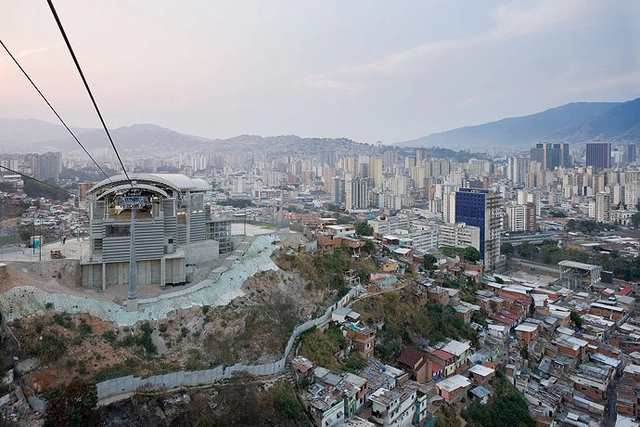
Earlier today in Shenzhen the 6th Bi-City Biennale of Urbanism/Architecture (UABB) opened its doors to public. Under the overall theme "Re-Living the City," curators Alfredo Brillembourg and Hubert Klumpner of Urban Think Tank headed up the "Radical Urbanism" exhibit in the main venue. Brillembourg and Klumpner invited the exhibition participants to show how we can learn from ad-hoc and "bottom-up" initiatives for alternative urban solutions. In the following essay - originally printed in the UABB 2015 catalogue - the curators call for us to "rethink how we can operate within the city, learn from its emerging intelligence and shap[e] its outcomes to radical and tactical ends."
The notion of a radical urbanism draws us unavoidably into the realm of the political. Imagining a more equitable and sustainable future involves an implicit critique of the spatial and societal conditions produced by prevailing urban logics.[1] As such, we are not only reminded of Le Corbusier’s famous ultimatum, “architecture or revolution,” but its generational echo in Buckminster Fuller’s more catastrophic pronouncement, “utopia or oblivion.”[2] Both were zero-sum scenarios born of overt social disjuncture, whether the deprivations and tensions of the interwar period, or the escalating conflicts and ecological anxiety of the late 1960s. While the wave of experimental "post utopian" practices that emerged in the early 1970s positioned themselves explicitly in opposition to perceived failures of the modern movement, these disparate groups shared a belief – however disenchanted – with their predecessors in the idea that radical difference was possible, as well as a conviction that a break was necessary.





https://www.archdaily.com/778308/the-evolution-of-radical-urbanism-what-does-the-future-hold-for-our-citiesAlfredo Brillembourg and Hubert Klumpner
Starting Your Own Practice: The Challenges and Rewards, According to ArchDaily Readers
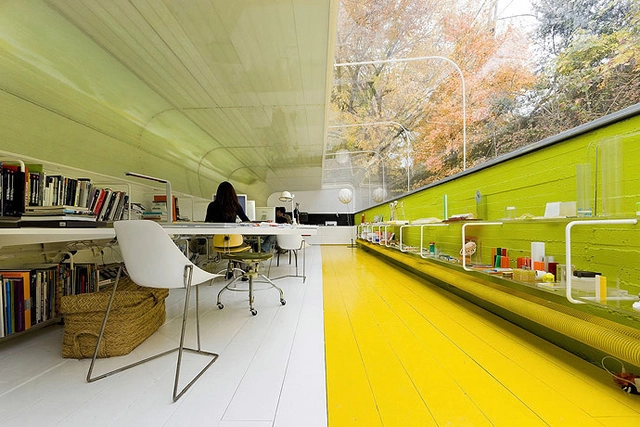
Architecture is in some ways a paradoxical profession. On one hand, it projects a popular image of the lone, creative genius, taking control over all aspects of a building project and forming them to their creative ideals. But in reality, most projects take a huge team of people, all working together to produce a building which usually represents the creative input of not only many different people, but many professions too.
One way to find a balance between these two extremes is to take more creative control over the decisions of the group - in other words, to start your own practice, guided by your creative input alone. But is that goal worth the difficulty it might take to get there? This was the question we had in mind when we asked our readers to let us know the pros and cons of starting your own firm last month. Interestingly, not a single commenter left any response about the joys of working for someone else, and the consensus was firmly that running your own practice is preferable - provided you can deal with the significant problems of doing so. Read on to find out what they had to say.
https://www.archdaily.com/778103/starting-your-own-practice-the-challenges-and-rewards-according-to-archdaily-readersRory Stott
A Virtual Look Into Pierre Koenig's Case Study House #22, The Stahl House

Without a doubt, it’s among the most famous houses in Los Angeles. The house is easy to describe: a steel framed L-plan, divided into bedrooms and the communal living spaces, all wrapped around a turquoise pool seemingly impossibly poised above the city. But words don’t do it justice. Julius Shulman’s 1960 photograph of Pierre Koenig’s Case Study House 22, perhaps better known as Stahl House, changed the fantasies of a generation.
https://www.archdaily.com/778021/a-virtual-look-into-pierre-koenigs-case-study-house-number-22-the-stahl-houseMadlaina Kalunder and David Tran, Archilogic
What Do You Wish You Had Learned in Architecture School?

In the early days of the architectural profession, teaching and practice were neatly aligned: the elements of the various styles could be taught and put into practice in the field. However in the 20th century, while the business of construction was becoming increasingly technocratic, architectural theory became equally pluralistic and esoteric. Ever since, the dichotomy between architectural education and practice has been a controversial subject. Many in the business say that education fails to prepare students for the real world, while some academics equally contend that architecture schools have given up too much ground to technical considerations, and no longer teach enough important theory.
In the 21st century, that dichotomy is increasingly being bridged by the internet, offering a convenient alternative to universities and practices where architects can teach themselves. With that in mind, we wanted to open a discussion up to our readers: what are the things you wish you learned in school but never had the chance? Was there an element of history and theory that is vital to your understanding of architecture that you only learned after graduation? Or perhaps a technical consideration that you had to learn the hard way?
https://www.archdaily.com/778017/what-do-you-wish-you-had-learned-in-architecture-schoolRory Stott
Metropolis Selects "7 Design Innovators to Watch"
.jpg?1448657238&format=webp&width=640&height=580)
Candles shaped like icebergs that melt to increase awareness for global warming. Reconstructions of Brutalist playgrounds. Geometric overalls with patterns representing the taste buds. These are just a few of the projects tackled by the young minds selected by Metropolis Magazine as their “7 Designers to Watch.” The list includes architects RAAF, LAB.PRO.FAB and Assemble Studio, alongside furniture designers, industrial designers and a design strategist.

https://www.archdaily.com/777928/metropolis-selects-7-design-innovators-to-watchPatrick Lynch
ArchDaily Readers Debate: Preservation, BIG in Pittsburgh and Foster Imitating Frank Lloyd Wright

The past two weeks have seen a number of high-profile designs unveiled, including OMA in Manchester, SANAA in Budapest, Libeskind in Vilnius, Foster + Partners in Chicago and two projects involving BIG in Pittsburgh and New York. As ever with such renowned practices scooping up work, opinions flew and in some cases also produced reasoned debate over the new projects. Read on to find out what people had to say about them.
https://www.archdaily.com/777972/archdaily-readers-debate-preservation-big-in-pittsburgh-and-foster-imitating-frank-lloyd-wrightRory Stott
Chicago's Overlooked Postmodern Architecture
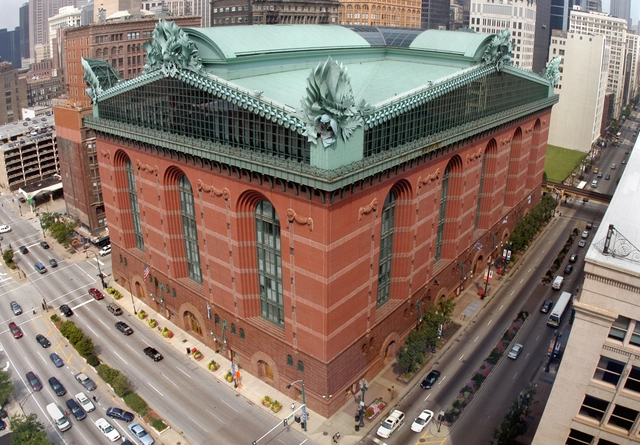
Postmodern architecture has largely been overlooked in recent years, left behind by current fashion, but not quite old enough to gain the attention of preservationists. Even in the architectural hot spot of Chicago, postmodern buildings tend to go unnoticed in favor of the Miesian towers and Prairie Style houses. ArchDaily’s own feature of notable Chicago buildings was noticeably lacking a postmodern example. To correct this oversight Metropolis Magazine has compiled a collection of Chicago’s most noteworthy examples of Postmodernism.

https://www.archdaily.com/777855/chicagos-overlooked-postmodern-architectureDavid Douglass-Jaimes
Do Architectural Preservationists Know What They’re Fighting For?
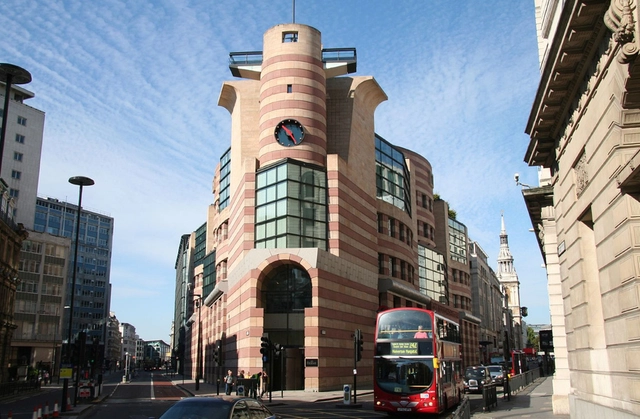
If there’s one thing that can get the architectural community up in arms, it’s the threat of demolition being placed over a much-loved building. Whether it’s a 44-year-old bus station, a 38-year-old hospital, or even a 12-year-old art museum, few other news stories can raise such a sustained outcry. And recently, some have started to turn their eyes toward the next wave of preservation battles: the upcoming crop of Postmodern buildings which are increasingly being placed under threat. But in all of these heated debates about preservation, do people really know what they’re arguing for?
https://www.archdaily.com/777955/do-architectural-preservationists-know-what-theyre-fighting-forRory Stott
Why Cost Management Works Better when Architects Are in Charge
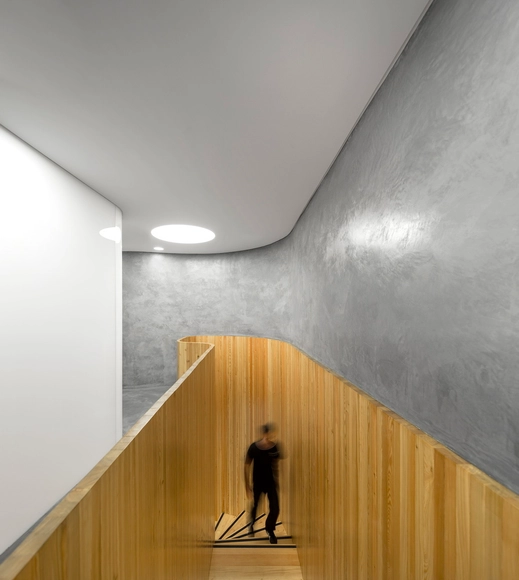
To talk about architecture and construction without ever mentioning cost overruns is not an easy thing to do. These kind of unforeseen problems happen in the majority of projects, as the dynamics of architecture and construction are extremely complex and often present challenges that aren't 100% controllable. Over the years, project management consultants have been integrating cost management into their services, making an effort to fill this market gap with a proper solution. Still, most of this work is performed by consultants with a financial background and little knowledge of architecture and construction solutions and processes.
With this increased attention to budgetary issues, the cost performance of projects has been steadily improving, but usually at the expense of the project’s aesthetic concept and final quality. Would it be possible to put architects in control of this kind of management? After all, they’re the ones with the conceptual sensibility and the technical knowledge necessary to perform this work in a truly integrated way.
https://www.archdaily.com/777881/why-cost-management-works-better-when-architects-are-in-chargeArtur Sousa
6 Designs By And For Architects that Made TIME's 25 Inventions of the Year

In this day and age, innovation is occurring at a faster rate than ever before. And while a majority of ideas may make a small impact before fading away, some inventions are able to slip through the cracks and become a real game changer in their field. Our field, of course, is architecture, and this year there have been no shortage of inventions that may change the way we live and work forever. In TIME magazine’s annual release of inventions of the year, at least 6 may have an impact on the world of architecture, encompassing inventions within the field of architecture itself and developments that could change how we design and experience space. Read on for those projects and what they might mean for our future.
https://www.archdaily.com/777797/6-designs-by-and-for-architects-that-made-times-25-inventions-of-the-yearPatrick Lynch
Perkins+Will Suggests Alternative Materials to Replace Health-Threatening PVC
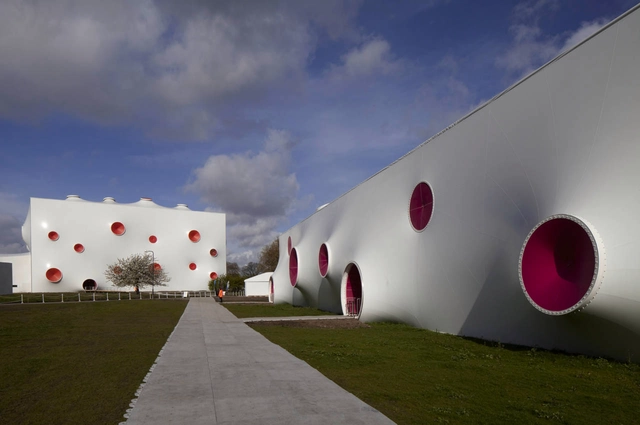
When you consider the practical properties of polyvinyl chloride (PVC) - durability, versatility and low price - it is easy to understand how it has become such a common construction material, with applications as roofing membranes, siding, pipes and plumbing, conduit, window frames, window blinds, molding and trim, and fencing. But perhaps it’s time to be more cautious about its use. According to a new whitepaper report by Perkins+Will, "What’s New (and What’s Not) With PVC," in spite of recent advances in plastic chemistry PVC is still responsible for a range of environmental and human health hazards created in multiple stages of its manufacturing process.
https://www.archdaily.com/777766/perkins-plus-will-suggest-alternative-materials-to-replace-health-threatening-pvcPatrick Lynch
Tech, Big Data, and the Future of Retail Design
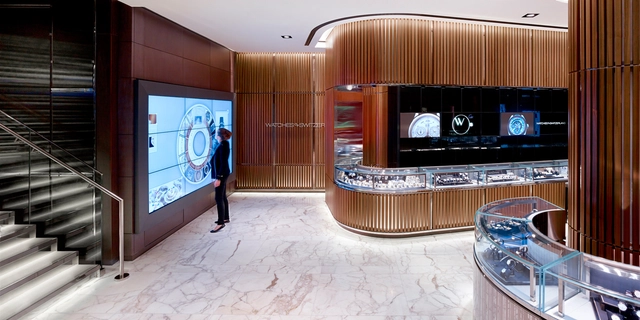
With the rise of the internet, old-fashioned brick-and-mortar stores have struggled, as online ordering services have increasingly made it unnecessary to actually go to a store. The answer for the physical stores of the future? Make spaces not for purchasing the things people need, but experiencing the things people want, as explored in this article by Matt Alderton originally published on Autodesk's Redshift publication as "How Technology and Big Data in Retail Are Shaping Store Designs of the Future." Alderton looks at how forward-looking stores are being designed to appeal to customers, finding that the same technology revolution that threatened to make stores obsolete might also play a key role in saving them, too.
Shopping used to be stimulating. Although its end was sales, its means was a mix of status and spectacle. It was social commerce in which partakers transacted not just cash, but also cachet.
Nowhere was this more evident than in the earliest department stores, whose architects designed them to be destinations. In London, for instance, Harrods boasts the motto “Omnia, Omnibus, Ubique”—Latin for “All Things for All People, Everywhere.” Established in 1849, it has seven floors, comprising more than 1 million square feet across more than 330 departments. The store installed one of the world’s first escalators in 1898, opened a world-famous food hall in 1902, and sold exotic pets such as lion cubs until the 1970s.



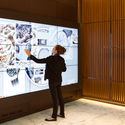
.jpg?1448462729 "Owen Launch by Tacklebox Architecture. Image © Juliana Sohn for OWEN")

https://www.archdaily.com/777795/tech-big-data-and-the-future-of-retail-designMatt Alderton
How Donald Judd's 100 Shimmering Aluminum Boxes Light Up the Chinati Foundation
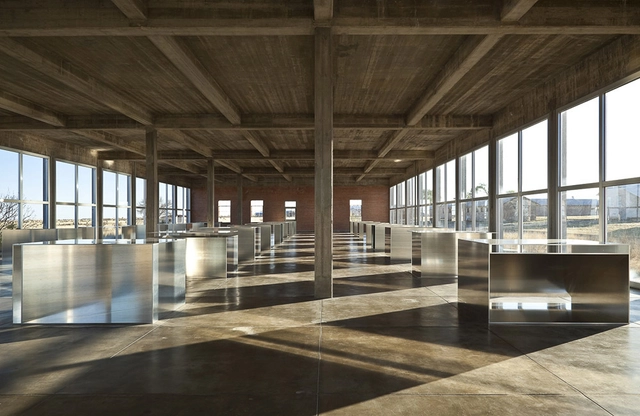
Completed in 1986, Donald Judd's 100 aluminum boxes offer one of the most exciting locations to study the grace of minimalism. His vision at Marfa in Texas has transformed a piece of military history into a peaceful and unique environment for art and architecture. Here, the shimmering material transcends the formal strictness of plain patterns and the narrow concepts of minimalism. The multiple reflections of light and space create an illusionary atmosphere beyond ascetic ideas.
https://www.archdaily.com/777737/how-donald-judds-100-shimmering-aluminum-boxes-light-up-the-chinati-foundationThomas Schielke
IFAC: A Romance Between Art and Architecture
cop.jpg?1444858664&format=webp&width=640&height=580)
Held annually, the International Festival of Art and Construction (IFAC) is a 10-day event that brings together 300 students from all over the world, joined by architects, scientists, musicians, artists and craftsmen. Together they carry out 30 workshops across different disciplines that “are bound together by the architecture through which they are expressed,” according to the website. In an article originally written in Spanish for ArchDaily en Español, Ana Asensio Rodríguez shares her experience at the 2015 edition of IFAC, reflecting on the powerful intersection of art and architecture, and the collective nature of the event.
Sometimes you get to meet people who fill you with energy and electricity -- fleeting, intense crossroads full of shared views and beautiful ideas. Spontaneous connections, which however tiny, will remain with you for a very long time.
Sometimes, these crossroads are not between people, but between arts, crafts, talents and experiences. Among these intersections is the inevitable attraction between art and architecture: explosive collages, a romance drunk with imagination. And, on very few occasions these two types of crossroads occur at the same time. And in those moments you can only hope that it will happen again.
It's called IFAC, the International Festival of Art and Construction. It is a 10-day long celebration that brings together more than 300 people from all over the world - creatively restless individuals, who meet somewhere in the European countryside. I felt immeasurably lucky to be one of those 300 people, and so I wanted to share how fascinating IFAC is from the inside.
https://www.archdaily.com/777686/ifac-a-romance-between-art-and-architectureAna Asensio
Calvin Klein Lectures on the Role of Architecture in Fashion
“To me, light and space is the great luxury” - Calvin Klein
Like architecture, fashion is an art dealing with structure and shape, one that relates to the form and function of the human body. Oftentimes the introduction of a small element, such as a zipper or a doorknob, can completely alter the perception of a work. In the end, image is in the details. So it should come as no surprise that legendary designer Calvin Klein holds a strong relationship with architecture.
In his lecture earlier this month at the Harvard Graduate School of Design, Klein describes how architecture has played a role in his designs and campaigns over his 40-plus year career. His self-proclaimed love of minimalism is displayed in photoshoots in locations ranging from the white walls of Satorini, to the earthen forms of Taos Pueblo, to Donald Judd’s Chinati Foundation, and his Madison Avenue store helped to accelerate the career of acclaimed minimalist architect John Pawson. Watch the video above for more of Klein thoughts on architectural fashion and designs for his own living spaces, and visit the Harvard Gazette here for more on his visit.
https://www.archdaily.com/777539/calvin-klein-lectures-on-the-role-of-architecture-in-fashionPatrick Lynch
At 180 Creative Camp, "Domesticity" Brings Living Space Out Into the Public
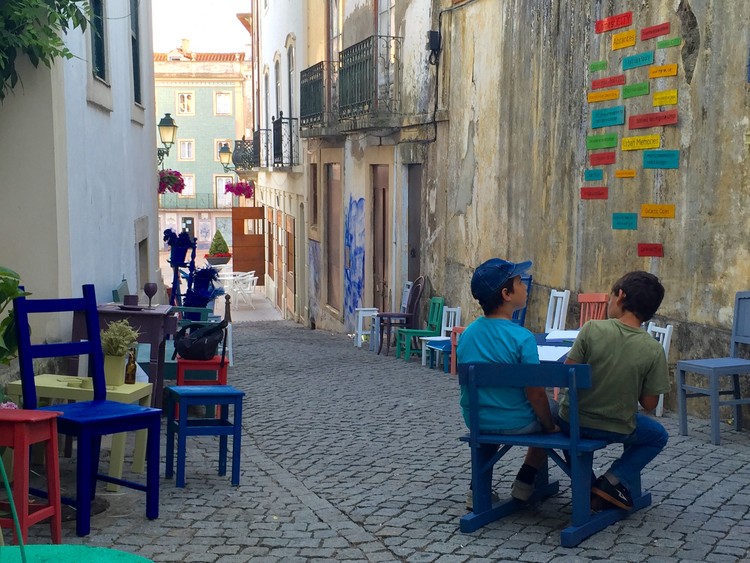
After being announced as the winners of the 180 Creative Camp Open Call for Urban Interventions, earlier this year the Colombian team of María Mazzanti and Martin Ramirez realized their design for the city center of Abrantes, Portugal. The project, entitled “Domesticity,” reached out to residents of Abrantes for unused furniture, which the designers refurbished, repainted, and reused to create a shared outdoor living space where people could interact. The designers arranged the furniture pieces to encourage writing and drawing, and built a mailbox to house conversation topics.



https://www.archdaily.com/777563/at-180-creative-camp-domesticity-brings-living-space-out-into-the-publicPatrick Lynch
Architects and Our Right to Fail
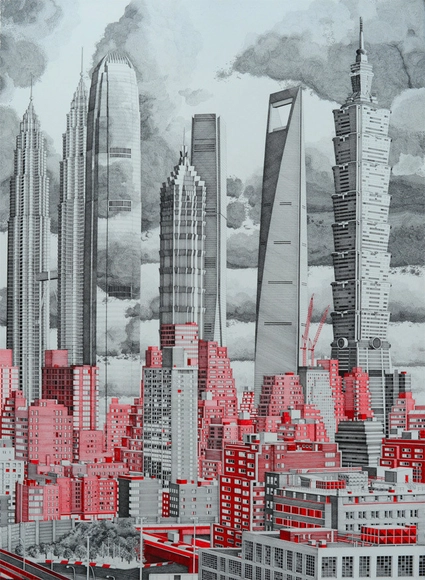
The architecture world is a very different place compared to what it was ten years ago - a fact that is all too obvious for today's young architects, who bore the brunt of the financial crisis. But how can recent graduates harness such rapid change to make a positive impact? This article written by ArchDaily en Español's Nicolás Valencia explores the impact of the financial crisis on architecture in the Global South and in particular in the Spanish-speaking world, finding that it may be the inalienable right of the architect "to give yourself room to fail or to quit."
For some years now, three figures have been floating around that are worrisome to Chilean architects and architectural students: every year 48 architectural schools enroll 3,500 students and give degrees to another 1,400 in a completely saturated market. The future appears bleak, the professional internships are depressing, and among those who already have degrees, we're all too familiar with the exploitative offices that not only offer their employees zero contracts (or health insurance of any kind, all the while praying that nobody gets injured) but also make them work much more than they agreed to with paltry salaries and labor unions that have seen better days. Meanwhile at the universities, talking about money in studios, or about flesh and blood clients, has become a taboo subject. “Students, don't let money tarnish the beauty of the discipline” they tell you. Of course, not only does it not get tarnished, but we've gotten to the point where many don't even know how much to charge for a plan drawing, let alone for an actual project.
https://www.archdaily.com/777409/architects-and-our-right-to-failNicolás Valencia
The Future of Architecture Visualization: An Interview with Morean Digital Realities and Zaha Hadid Architects
Above: The final presentation video for Zaha Hadid Architects' Danjiang Bridge entry, with construction sequences provided by morean digital realities and atmospheric shots provided by Studio MIR
In this age of lightning fast response rate, it is more important than ever for architects to be able to provide clients with a clear idea of what is to be built. Luckily for us, there are firms out there that specialize in aiding that process. Take morean digital realities, for example, a visualization firm that works in conjunction with architects to create renderings and animations that help explain how a project will work. These visualizations can be geared toward clients, competitions or used as material for fundraising. Their recent work includes a video for the Danjiang Bridge Competition, in which morean provided a dramatic construction animation accompanied by atmospheric shots by another visualization company, Studio MIR. Together, these two visualization studios helped Zaha Hadid Architects come away with the project commission.
ArchDaily spoke to three members of the team on that project - Saman Saffarian, a Lead Designer at Zaha Hadid Architects; Karl Humpf, Director of International Bridges at Leonhardt, Andrä und Partner; and Gonzalo Portabella, Architect and Managing Director at morean digital realities - about the role of visualization within architecture and where the field may be headed.
https://www.archdaily.com/777383/the-future-of-architecture-visualization-an-interview-with-morean-digital-realities-and-zaha-hadid-architectsPatrick Lynch
Exploring Chicago's Architectural Legacy Through 5 Exceptional Projects

Chicago has long been known for distinctive architecture, and this year’s inaugural Chicago Architecture Biennial has only furthered that reputation. Although it is nearly impossible to narrow down the countless iconic structures, in celebration of the Biennial, we have compiled five Chicago buildings that highlight the many phases of the city’s architectural history.
https://www.archdaily.com/776447/exploring-chicagos-architectural-legacy-through-5-exceptional-projectsDavid Douglass-Jaimes
ArchDaily Readers Debate: Brands in Architecture and BIG's Business Success
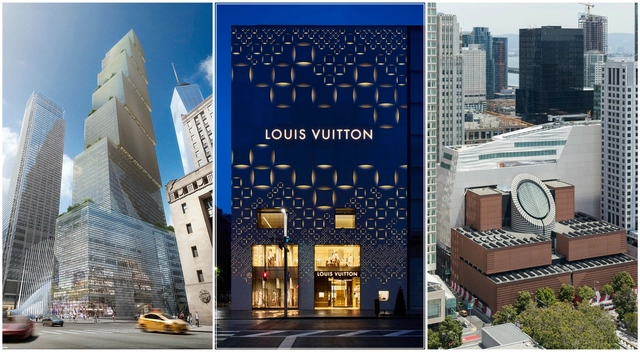
Awards season is in full swing in the architecture world, with - among others - the World Architecture Festival and the Council on Tall Buildings and Urban Habitat recently handing out prizes for the best new buildings worldwide (OMA + Ole Scheeren's Interlace and Stefano Boeri's Bosco Verticale, respectively). However, it has been relatively quiet in our comments section; are we to assume that there are few strong objections to these winners?
Nevertheless, a quiet period doesn't mean there weren't some great discussions had in the comments over the past two weeks, with opinions shared on the success of BIG, the problem of negativity in architecture, and more. Read on to find out what our readers had to say.
https://www.archdaily.com/777218/archdaily-readers-debate-brands-in-architecture-and-bigs-business-successRory Stott
5 Projects at the Chicago Biennial that Demonstrate the State of the Art of Sustainability
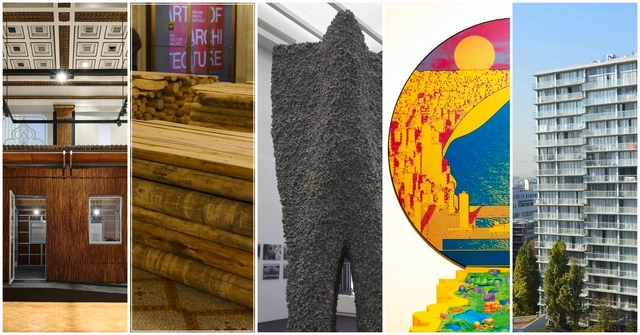
At the Chicago Architecture Biennial, the theme selected by directors Joseph Grima and Sarah Herda was deliberately wide in scope, with the expectation that more than one hundred exhibitors would each bring their own perspective on what is “The State of the Art of Architecture.” But where does that leave one of architecture's most widely adopted missions of the 21st century: sustainability? In this article, originally published on her blog Architectstasy as “Chicago Architecture Biennial: The State of the Art of Sustainability,” Jessica A S Letaw delves into five projects that take on sustainability in the context of Chicago's biennial.
At North America's inaugural Architecture Biennial in Chicago, “The State of the Art of Architecture,” architectural firms and practices from all six inhabited continents have been invited to display their work. Spanning all sizes and kinds of projects, the Biennial is showcasing solutions to design problems from spiderwebs to social housing.
US buildings use around 40% of all the country’s energy consumption. It is a disconcerting truth that even if every new building starting construction tomorrow were to be net-zero energy and net-zero water, we’d still be on a crash course, draining more naturally-available resources than our one planet can permanently sustain. In this environment, architectural designers have a special responsibility to educate themselves about innovative sustainable design techniques, from those that have worked for thousands of years to those that, as the Biennial’s title hopefully suggests, are state of the art.
So what does the Biennial have to say about sustainability? Five projects on display demonstrate different approaches at five different scales: materials, buildings, resources, cities, and the globe.
https://www.archdaily.com/777081/5-projects-at-the-chicago-biennial-that-demonstrate-the-state-of-the-art-of-sustainabilityJessica A S Letaw
Otherothers' "Offset House" Reveals the Architecture Hidden in Suburban Homes
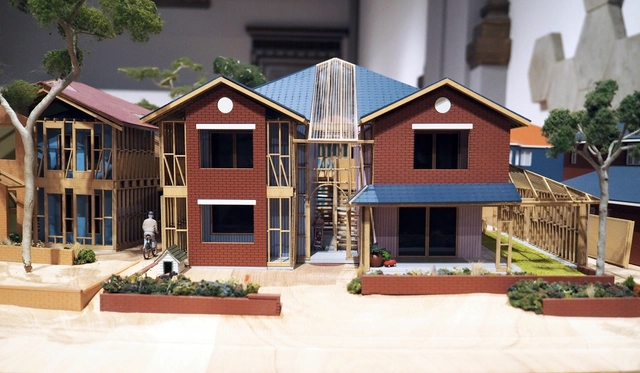
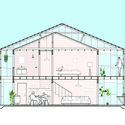
In the classic film The Wizard of Oz, Dorothy and friends manage to obtain a visit with the great and powerful wizard, who appears to them as an enormous, grotesque head, surrounded by smoke and flames, with a booming voice and a hostile demeanor. But when Toto pulls back the curtain, the wizard’s true nature is revealed, and it is only then that he is able to help the gang get the help for which they journeyed many miles down the yellow brick road. In architecture today, suburban houses share many of the characteristics of the wizard’s illusion: large, stand-offish and intimidating. But what if there is a more benevolent architecture hidden behind the smoke and flames? This is the thesis of Australian firm Otherothers' Offset House, on display now at the Chicago Architecture Biennale.




https://www.archdaily.com/777051/otherothers-offset-house-reveals-the-architecture-hidden-in-suburban-homesPatrick Lynch
Architects Who Make Hope Visible (for the Community and for the Profession)

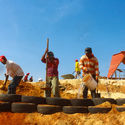
Continuing with our coverage of Espacios de Paz 2015 (Spaces for Peace) in Venezuela, Plataforma Arquitectura Editor José Tomás Franco reflects on the crisis of the architect who approaches his work abstractly -- without taking into consideration the unique problems and issues of the territory -- and on the strengthening of a collective architecture, that is honest and efficient, not only benefitting the affected communities but also, indirectly, revolutionizing the way we architects do our jobs.
In times of crisis, the need for progress forces us into action. While pressing issues in Latin America generate instances to improve the quality of life in the most vulnerable neighborhoods, architects, which are plentiful in the region, seem pressured to broaden their scope and search for new fertile spaces to work in. This meeting of forces not only translates into a real contribution to a particular community, but also subtly reveals a change in the way in which we practice architecture.
Faced with the highly complex task of meeting the urgent needs of people with limited resources, Latin American architects have been obliged to work based on efficiency and teamwork, recovering key skills and using them to help other human beings. Skills that are essential for showing that our work is fundamental, and not only in the cities' forgotten neighborhoods.
Why do Latin American architects seem to be returning to their roots?




https://www.archdaily.com/776959/architects-who-make-hope-visible-for-the-community-and-for-the-professionJosé Tomás Franco
The Business of Design Success: How did BIG Get So... Big?
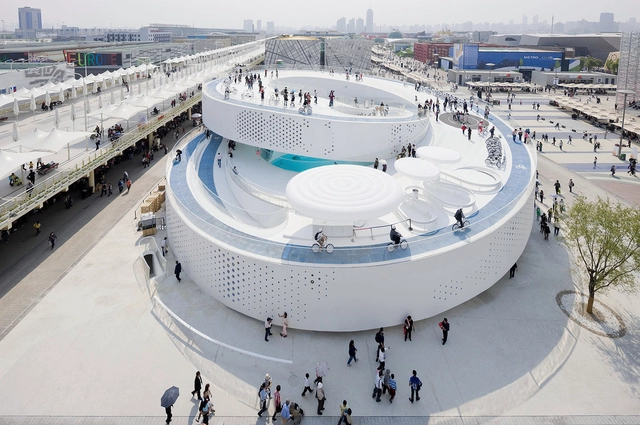
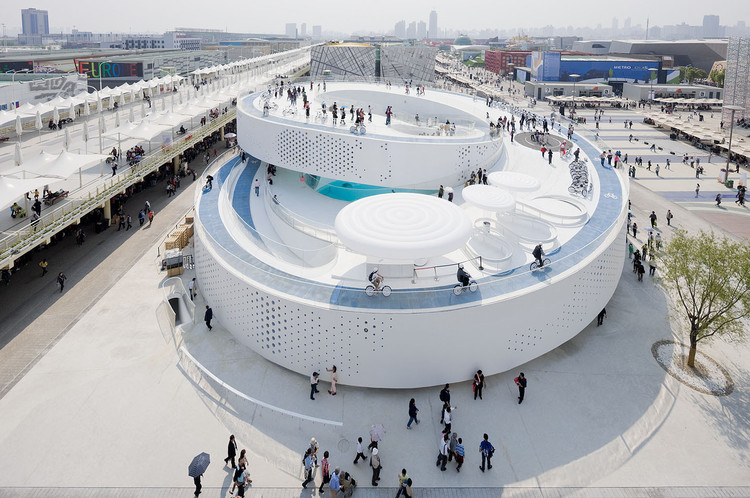
In recent years, the ever-increasing profile of Bjarke Ingels and his firm BIG have been hard to miss. For an office that is barely 10 years old, the number and scope of their projects is astonishing; to cope with demand, the firm has grown to employ almost 300 people. This growth, though, did not happen by accident. In this article, originally published on DesignIntelligence as "The Secret to BIG Success," Bob Fisher speaks to the firm's CEO and Partner Sheela Maini Søgaard in order to uncover the business plan behind the BIG phenomenon.
BIG may be the most appropriately named firm on the planet.
The Bjarke Ingels Group (BIG) seems to have an outsized impact in all it does. The Copenhagen-based design firm turns conventions and assumptions upside down and combines contrasting possibilities in outrageously bold, imaginative and playful ways. Projects like Via at West 57th Street in New York City and the Amager Bakke Waste-to-Energy Plant in Copenhagen are prime examples: the first a pyramid-shaped apartment building that defies the forest of rectangular towers around it, and the second a power plant that doubles as a smoke ring-blowing ski slope.
The world has taken note. Whether in praise or criticism, the architectural, cultural and business media tend to strike a heroic tone when describing the firm’s work: radical, ambitious, bold, confident. In short…BIG.


https://www.archdaily.com/776929/the-business-of-design-success-how-did-big-get-so-bigBob Fisher