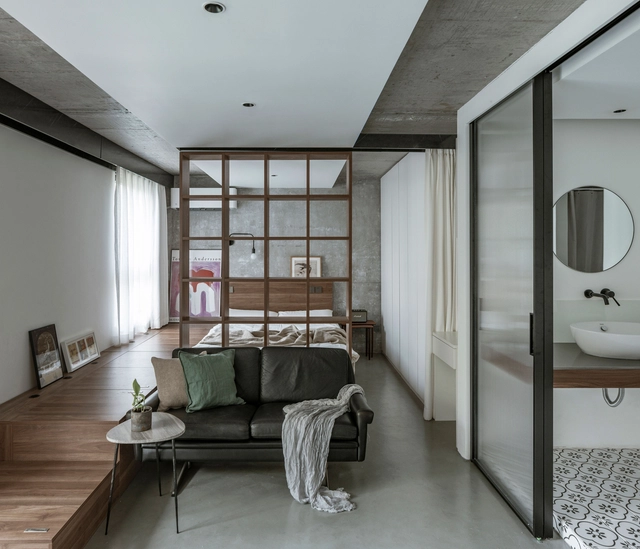
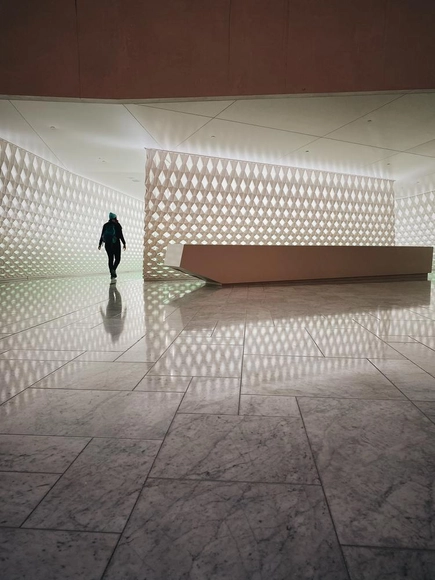
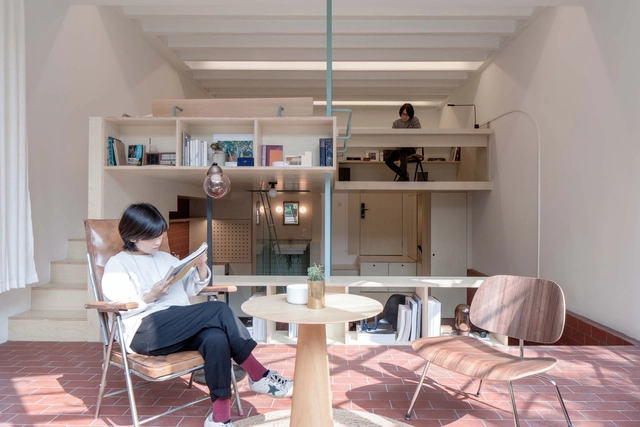
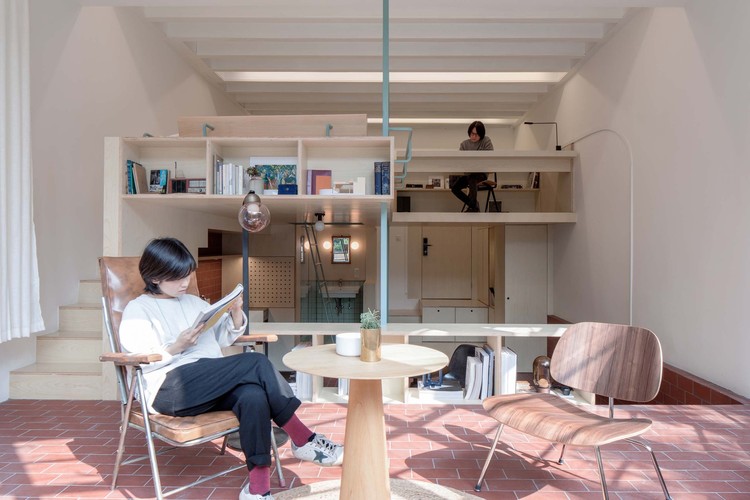
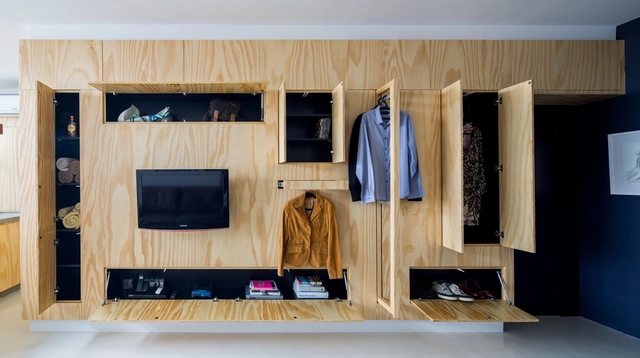
An emerging design trend is filling the gap between furniture and architecture by shaping space through objects at the intersection of the two, creating a dynamic and highly adaptable environment. Either a consequence of the increased demand for flexibility in small spaces or the architectural expression of a device-oriented society, elements in between architecture and furniture open the door towards an increased versatility of space. Neither architecture nor furniture (or perhaps both), these objects operate at the convergence of the two scales of human interaction, carving a new design approach for interior living spaces.
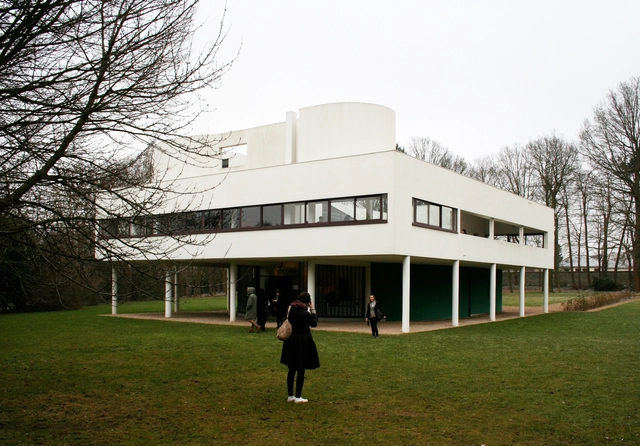
How did modern architecture happen? How did we evolve so quickly from architecture that had ornament and detail, to buildings that were often blank and devoid of detail? Why did the look and feel of buildings shift so dramatically in the early 20th century? History holds that modernism was the idealistic impulse that emerged out of the physical, moral and spiritual wreckage of the First World War. While there were other factors at work as well, this explanation, though undoubtedly true, tells an incomplete picture.
In early 2020, along with the implementation of worldwide social isolation measures, we published several articles in order to help our readers increase productivity and comfort in their home offices. After months of continued isolation, surveys show that more than 80% of professionals want to continue working from home even after quarantine ends. In addition, a good number of companies are similarly satisfied with current work practices, showing a high tendency to adopt this practice indefinitely, since the majority of companies observed that remote work was as or more productive than face-to-face work.
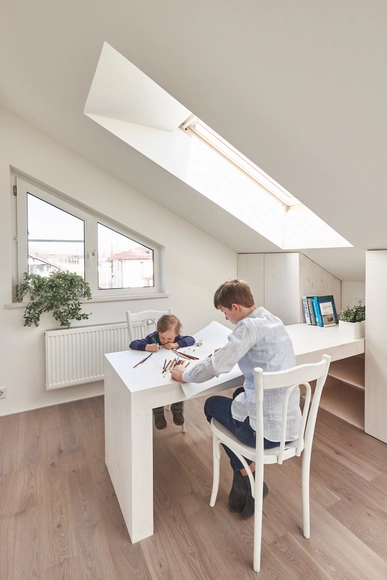
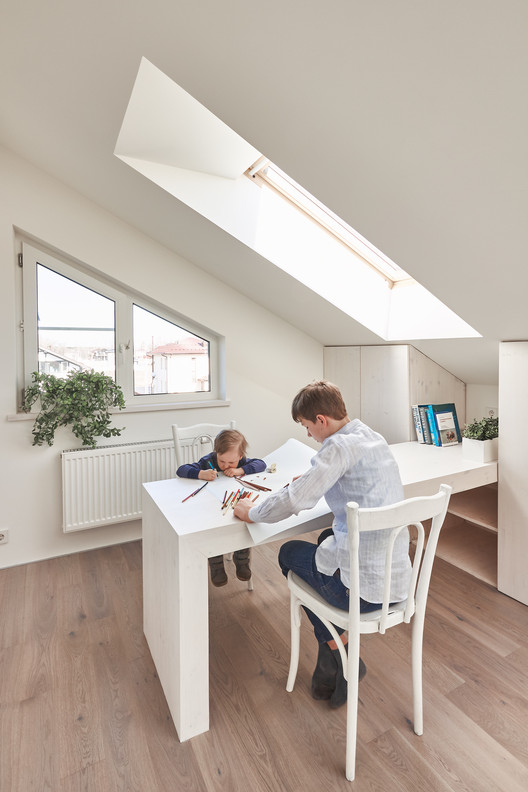
However, with respect to children and home studying during the pandemic, the result was not as positive. One of the main reasons for this difference is that it can be difficult to get students to concentrate and motivate themselves for a long time in front of screens. Lack of physical interaction with other children is also a contributing factor. Yet until the global situation improves, it is likely that the return to schools will continue to be postponed. With this situation in mind, we decided to share in this article a series of efficient strategies to transform study spaces at home into better spaces for learning.
A graphic shows some early microclimate-tailored strategies detailed in "Modern Architecture and Climate: Design Before Air Conditioning" by Daniel A. Barber. Image Courtesy of Princeton University Press
It’s easy to think of Modernism as inseparable from air conditioning, simply because we are surrounded by so much of it that is. A valuable reminder that this wasn’t always the case is provided in University of Pennsylvania architecture professor Daniel A. Barber’s Modern Architecture and Climate: Design Before Air Conditioning (Princeton University Press), which outlines the story of the febrile, flexible, and often-forgotten early experiments in climate control.
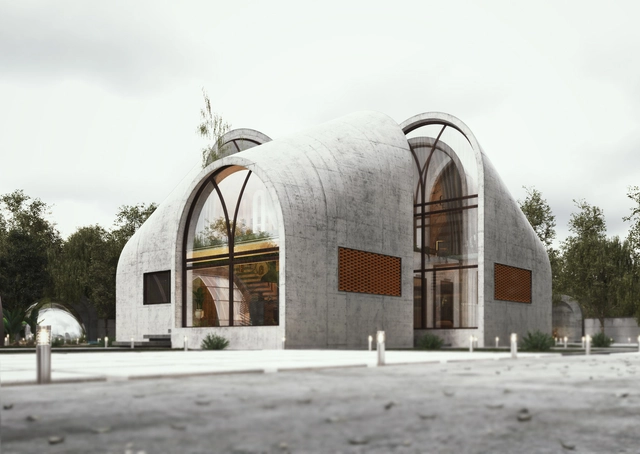
ARC House. Image Courtesy of M.E architecture studio
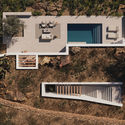
Houses and Villas are the most researched topics on ArchDaily. Putting together a curated selection of conceptual interventions, this week’s Best Unbuilt Architecture focuses on the residential sector. From all over the world, this group presents proposals submitted by our readers.
This article highlights a floating terraces project from India, a lodge in Ethiopia, a seasonal home for an Iranian family in Germany, and a residential compound in Saudi Arabia. Beach houses in Greece, Croatia, and the U.S. are also featured, showcasing different approaches for the same program. Moreover, more futuristic interventions include the Mountain House on the rocky cliffs of British Columbia, and the blue house, an aquarium-like type of home.
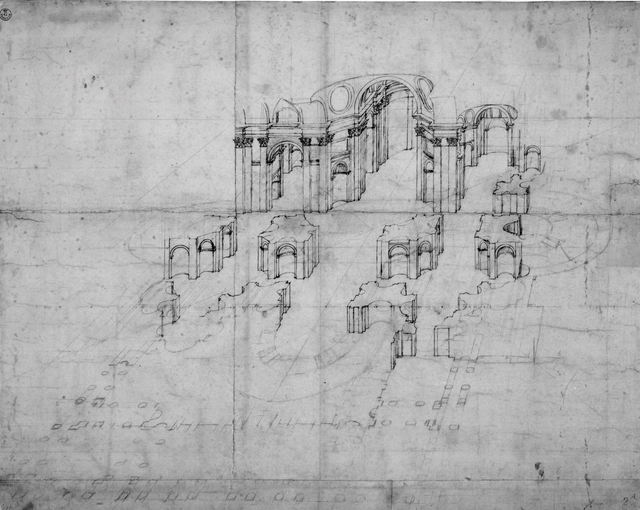
An extraordinarily modern cut away perspective of the, as yet unbuilt, central crossing of St Peter’s by Baldassare Peruzzi.. Image Courtesy of Oro Editions
Why should any 21st Century architect bother to draw by hand? There is, after all, an abundance of readily available digital tools that make pens and pencils seem little more than primeval artefacts. Fondly regarded, perhaps, yet as charmingly irrelevant to contemporary architecture as heavy horses are to today’s farmers or typewriters are to newspaper journalists.
Blossom of Life Sales Center / Mohen Chao Design Assoc.. Image Courtesy of A' Design Awards
The A’ Design Award was "born out of the desire to underline the best designs and well-designed products." It is an international award whose aim is to provide designers, architects, and innovators from all design fields with a platform to showcase their work and products to a global audience. This year's edition is now open for entries; designers can register their submissions here.
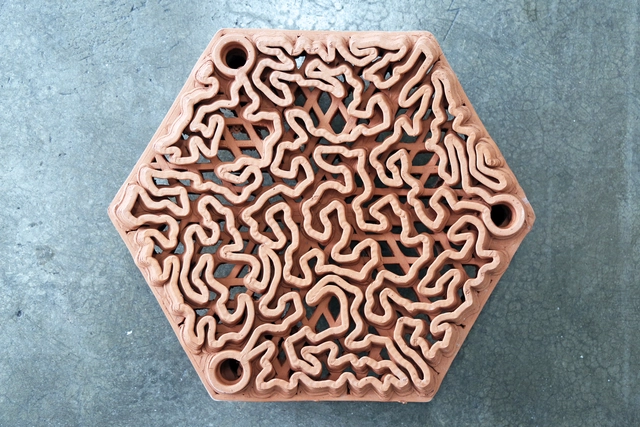
Corals are fundamental to marine life. Sometimes called tropical sea forests, they form some of the most diverse ecosystems on Earth. They serve as a refuge, breeding, and feeding area for dozens of species in the sea, and their absence can negatively affect local biodiversity to a tremendous degree. Yet just as humanity pollutes and destroys, it can also remedy and encourage the creation of more life. This is why shipwrecks of old vessels or the sinking of concrete structures for the creation of artificial reefs are frequently reported as providing immense potential. In Hong Kong, researchers have been developing 3D printed structures using organic materials that can lead to the creation of new opportunities under the sea.
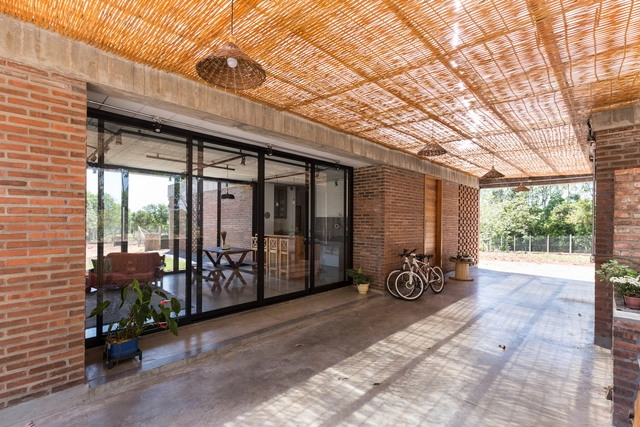
The polished concrete technique is not only suitable for many different environments, but also harmonizes well with various building materials, and has been the material of choice for many Brazilian architects in housing designs in recent years.
The mixture of sand, cement, and water is prepared on-site and the result is a cost-effective and long-lasting alternative when properly and regularly maintained. This finish has become so popular that you can find porcelain tiles and coatings with a similar texture.
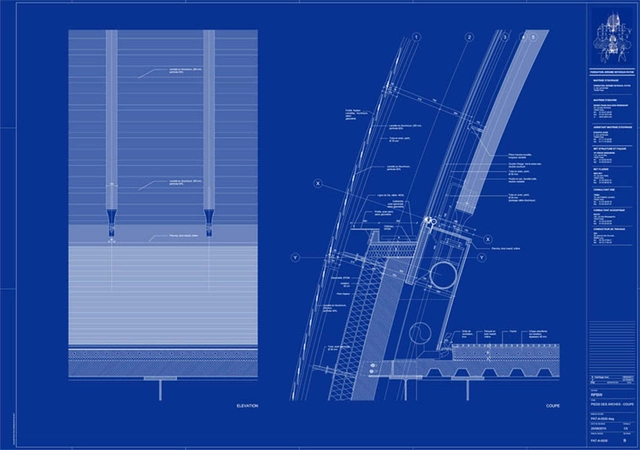
Detalle de la fachada de la Pathé Foundation. Image Cortesía de Renzo Piano Building Workshop
The facade is the calling card of an architecture project, an often iconic and recognizable element that becomes part of the collective imaginary.
We frequently see them featured in photographs and art—such as Andreas Gursky's work, or as part of movie sets. It is almost impossible to forget the pink symmetrical façade of 'The Budapest Hotel' by director Wes Anderson, or even, in music videos or album covers, like the legendary 'Physical Grafitti' by Led Zeppelin.
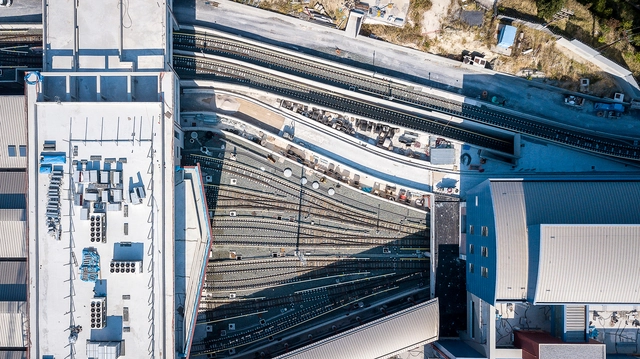
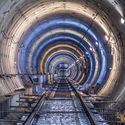
With the recent completion of several new stations and tunnels, the Athens underground metro expansion and the development of the ThessalonikiMetro system are on a set course to completion in Greece. The construction of a direct connection between the Athens airport and the Piraeus harbour, as well as the development of Thessaloniki’s first metro line, are underway, and images by photographer Pygmalion Karatzas show the new underground infrastructure coming together in the two Greek cities.
The pandemic has force-fed change into almost every aspect of our lives. What does that mean for architecture? I have been in my office 135 out of the 140 days since Connecticut Governor Ned Lamont declared “construction” (and all its constituent trades, including “design”) essential. For two months I was alone, then one employee for a day or two a month, then others, eventually all, but most still working from home. The office continued to function.
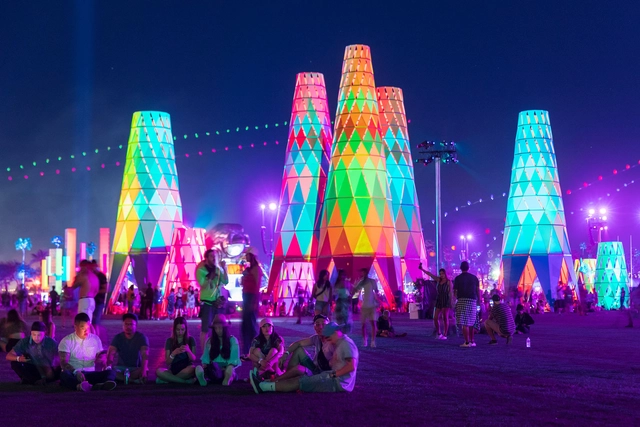
Pop-up architecture makes the most of tiny spaces and intimate experiences. As temporary structures, pop-ups are nothing new, dating back at least to Roman times as temporary stages for festivals called ludi. Pushing the boundaries of architecture, they feature a light-touch for maximum impact, each built to make a statement. Today, they are often designed around the full life-cycle of a project to minimize environmental impact.
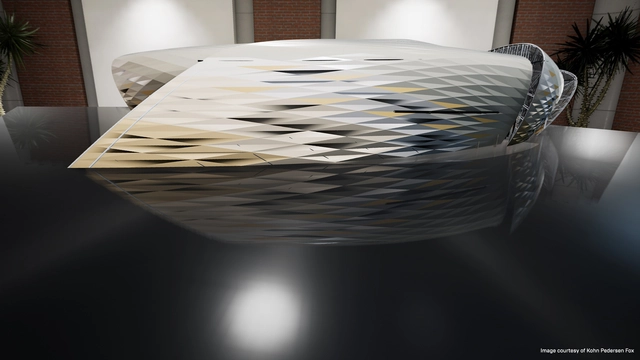
International architectural practice Kohn Pedersen Fox (KPF) is constantly striving to improve efficiencies and enable greater creative exploration through the application of the latest technologies. With nine offices worldwide and projects based anywhere from Europe to the US and China, the company takes a global approach to its design process by fostering collaboration; it’s not uncommon for a single project to involve team members based in London, New York, and Singapore, for example, who come together virtually in what Cobus Bothma, Director of Applied Research, calls their “tenth office”.
At the 2014 Venice Biennale, celebrated architect and curator Rem Koolhaas chose an unusual curatorial theme. Rather than exploring the major issues that plague modern society or their manifestations in the profession of architecture, the event's theme, "Fundamentals," and its main exhibition, "Elements of Architecture," examined in detail the bare fundamentals of buildings, simple elements used by everyday architects for everyday designs. According to Koolhaas, “Architecture is a profession trained to put things together, not to dismantle them. Only by looking at the elements of architecture under a microscope can we recognize cultural preferences, technological advances, changes triggered by the intensification of global exchange, climatic adaptations, local norms and, somewhere in the mix, the architect's ideas that constitute the practice of architecture today.”
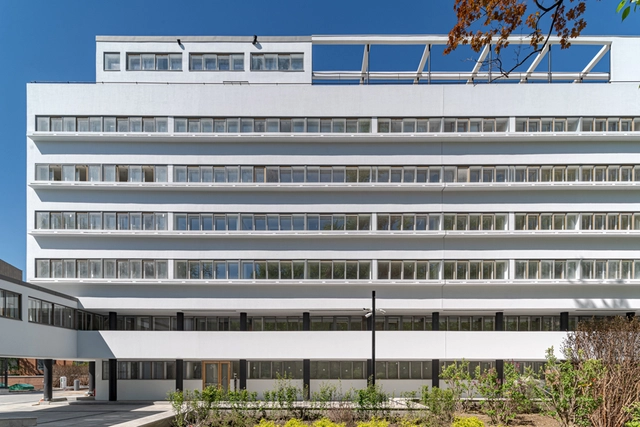
If you wandered down Novinsky Boulevard in central Moscow five years ago looking for the Narkomfin building, you’d have been greeted by a sorry sight. The Narkomfin, the poster child for Constructivist architecture designed by Moisey Ginzburg and Ignaty Milinis in 1928, had been slowly falling into a state of dereliction after being left unloved for 45 years. Paint peeling, concrete crumbling, and windows broken—not to mention the numerous, muddling alterations made to the block of flats, including a completely new ground floor.
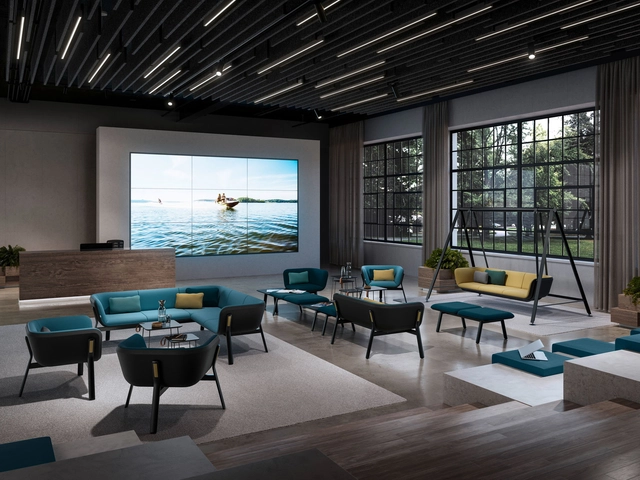
Sit back and recharge your batteries: the comfortable HUB collection allows maximum relaxation in the shortest time
Within the scope of the innovative SPLACES concept, INTERSTUHL offers planners and architects the opportunity to collaborate directly with experts on the design of creative and future-oriented new work scenarios.
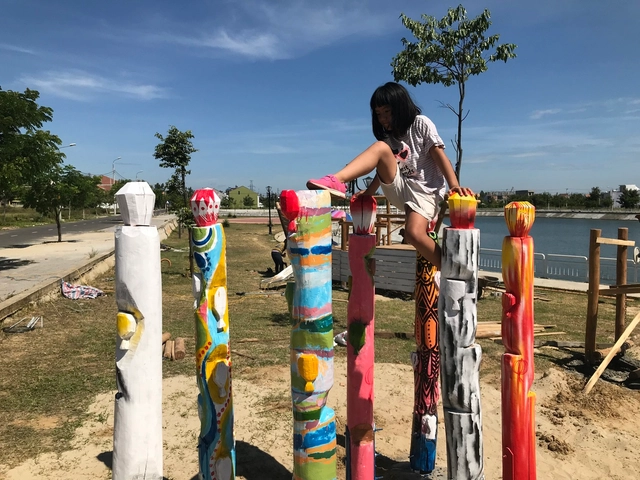
Trang Keo Park - Vietnam. Image Courtesy of UN-Habitat
The Un-Habitat or the United Nations agency for human settlements and sustainable urban development, whose primary focus is to deal with the challenges of rapid urbanization, has been developing innovative approaches in the urban design field, centered on the active participation of the community. ArchDaily has teamed up with UN-Habitat to bring you weekly news, article, and interviews that highlight this work, with content straight from the source, developed by our editors.
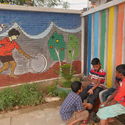
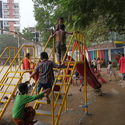
In this second collaboration with UN-Habitat, discover different examples on how to design with and for kids in marginalized areas. In fact, child-responsive planning leads to a vibrant and animated inclusive city. Focusing on spaces for children, this feature highlights cases in Bangladesh, Niger, and Vietnam. These public spaces implementation projects seek to promote environment-friendly livable cities, taking on participatory approaches and involving the youngsters from the beginning of the process. In the end, no one knows the needs of kids, more than the kids themselves.
Recent studies note the lack of growth in productivity and innovation in the construction fields. Quickly falling behind other sectors, this stagnation often leads to projects that are over-budget or over-schedule (or both). Part of this inefficiency could be combated by more effective coordination among the architects and various consultants during the design phase. Currently, an estimated 30% of project time is spent in coordination tasks within the team. A new Integrated Design tool aims to make collaboration more seamless, with the end result of more efficient communication and ultimately better buildings.
According to the United Nation’s “The World’s Cities in 2018”, it is estimated that, “by 2030, urban areas are projected to house 60 percent of people globally and one in every three people will live in cities with at least half a million inhabitants.” Also, between 2018 and 2030, it is estimated that the number of cities with 500,000 inhabitants or more is expected to grow by 23 percent in Asia. China, as the largest economy in Asia, with a GDP (PPP) of $25.27 trillion, is expanding rapidly, both economically and demographically.
With more and more migrant workers coming into the bigger cities in China, it has become increasingly difficult for workers to find an affordable place to live. Some people decide to move away from urban centers and bear with the lengthy commute time, while others are seeking creative design solutions to transform their home into a tiny, functional space to meet their daily needs.
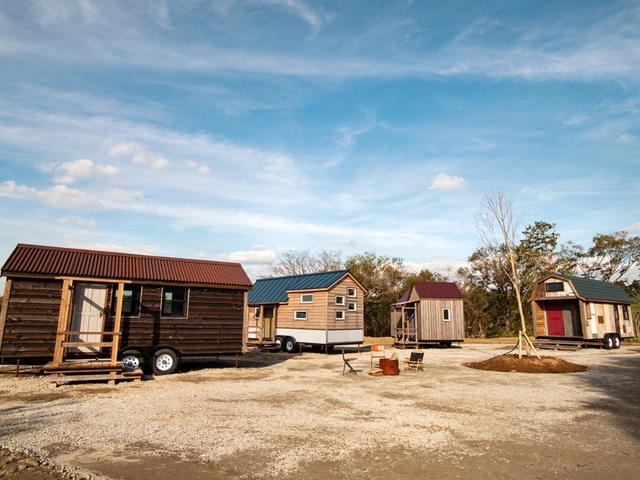
It’s no secret that tiny homes have become exceedingly popular in recent years – a signifier of minimalist bohemian living in response to the excesses of the current day. From reoutfitted RV’s to prefabricated Muji homes to futuristic Nestron pods, the world of architecture has seen a variety of tiny houses gain viral attention in the past decade alone. As this typology grows more widespread around the world, communities of these tiny homes have proliferated as well, popping up in North America, New Zealand, East Asia, and more. These communities combine the quaint lifestyle of minimalist living with collective spaces for social interaction, bringing together like-minded families and individuals into fashionable tiny neighborhoods. We will examine several such communities below.
https://www.archdaily.com/947194/minimal-homes-and-a-central-collective-space-tiny-house-communities-around-the-worldLilly Cao
The technology used in smartphone facial recognition or digital car keys has the potential to revolutionize the way people access and move through buildings. Many common aspects of building access systems today seem outdated in comparison to technological advances in other parts of our lives: PIN pads, security badges, key cards, even physical locks and keys. However, the technology already exists with the potential to make building access simultaneously more seamless and more secure.
New Generations is a European platform that analyses the most innovative emerging practices at the European level, providing a new space for the exchange of knowledge and confrontation, theory, and production. Since 2013, New Generations has involved more than 300 practices in a diverse program of cultural activities, such as festivals, exhibitions, open calls, video-interviews, workshops, and experimental formats.












.jpg?1599702125&format=webp&width=640&height=580)
.jpg?1599701998 "Jiangshan Fishing Village Renovation / Mix Architecture. Image Courtesy of A' Design Awards")
.jpg?1599702158 "Heavenly Water Service Center / Zhenfei Wang. Image Courtesy of A' Design Awards")
.jpg?1599702125)













.jpg?1597875831)