Videos
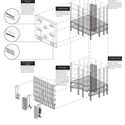
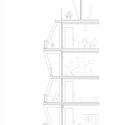
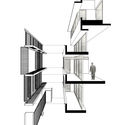
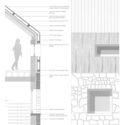
Chuon Chuon Kim 2 Kindergarten by KIENTRUC O
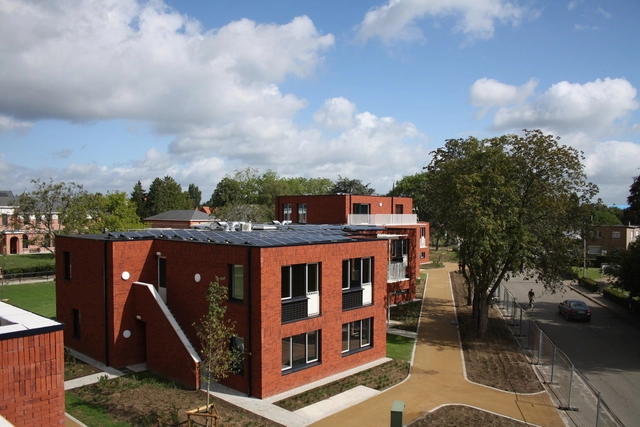
For almost two decades, Wienerberger AG has been hosting the international Brick Award every two years, providing a stage for excellent brick architecture and its architects. Architects from all over the world showcase their innovative concepts with ceramic materials: 644 projects from 55 countries have been submitted for this year's award. The winners of the Brick Award 20 impressed the jury with bold and creative architectural concepts for sustainable and forward-looking spaces.
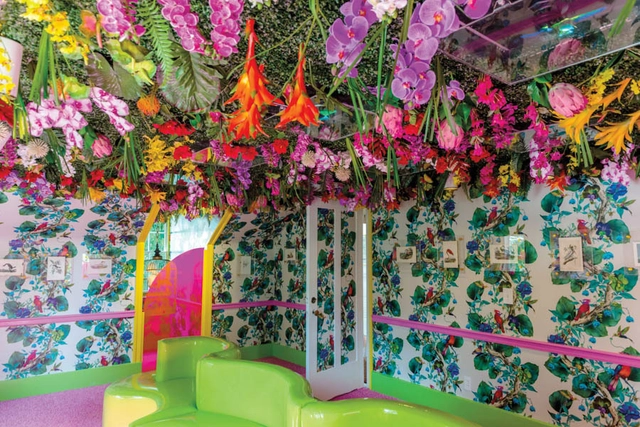
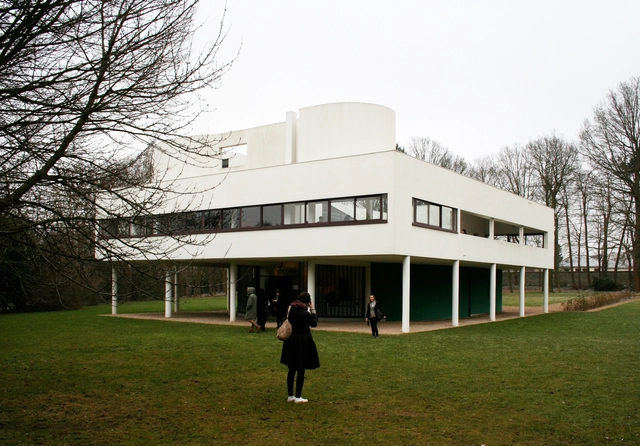
Beginning with the moral indignation expressed in Adolf Loos’s 1910 lecture “Ornament and Crime” and Le Corbusier’s 1925 The Decorative Art of Today, decoration has been attacked from every possible angle. Driven by the heroic male architect, Modernist dictates of good design—functionalism, truth to materials, purity of form—quickly took over and continue to be the dominant ideology today in the way architecture and interiors are taught and practiced. If Modern architecture was rational, masculine, and structural, then decoration was considered emotional, feminine, and shallow. Or, according to Loos, it was flat-out degenerate.
https://www.archdaily.com/948321/decoration-deserves-to-be-celebrated-for-what-it-is-rather-than-dismissed-for-what-it-isntLeilah Stone
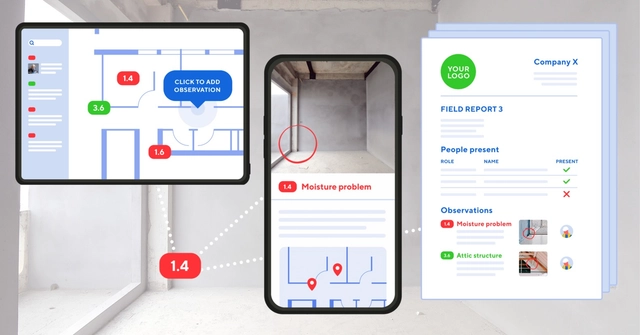
In 2012, Belgian software developers Peter Eerlings and Jerry De Paepe were contacted by an architecture firm looking for a solution to simplify their field reports. Creating field reports was an extremely time-consuming activity for them: first, writing down notes on paper and taking photos during a site visit. Back at the office, transferring the photos to the PC with a cable. Next, adding annotations to photos with Paint, deciphering and typing out the handwritten notes, struggling with the layout while inserting photos in Word, and so on. Over and over again. It was an administrative hassle that easily took more than an hour for each field report - sometimes two or three.
The Un-Habitat or the United Nations agency for human settlements and sustainable urban development, whose primary focus is to deal with the challenges of rapid urbanization, has been developing innovative approaches in the urban design field, centered on the active participation of the community. ArchDaily has teamed up with UN-Habitat to bring you weekly news, article, and interviews that highlight this work, with content straight from the source, developed by our editors.
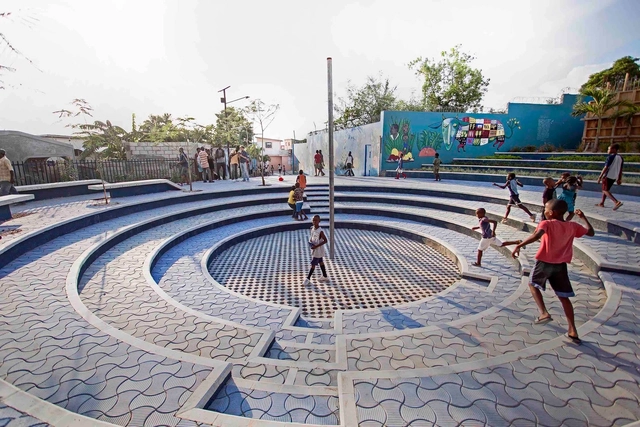
“People all over the world are increasingly demanding a say in the way that their cities are planned and designed”.For our third collaboration, discover UN-HABITAT’s guideline on achieving quality public spaces, a site-specific assessment consisting of a series of activities and tools that help understand the quality of the selected area and plan future design and planning solutions on the site through participatory approaches. Focusing on open public space, within a five minutes walking distance, the guide helps users gather and analyze information, creating a logical transition from needs to design.
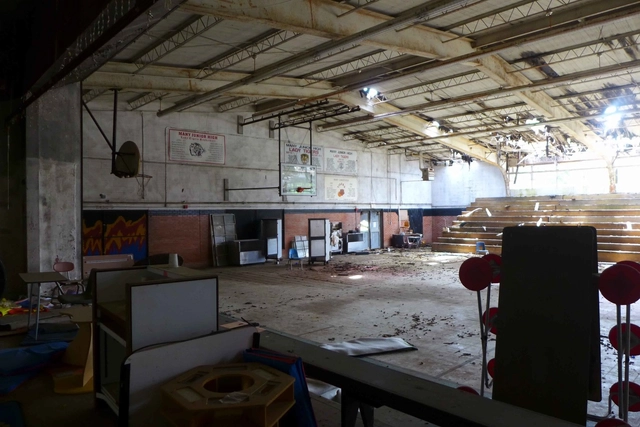
Throughout the south of the United States, hundreds of mid-century “equalization schools”—public schools built in the 1950s following Brown vs. Board of Education in a desperate effort to maintain segregated “separate but equal” schools in southern states—sit empty, abandoned, and crumbling.
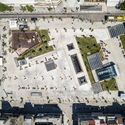
Inoltre, a new project by Unipol Group, aims to revive Milan's suburbs with art and beauty. Three suburban areas, belonging to the municipalities number 5, 8, and 9 of Milan, will be the focus of the project. Unipol will conduct research, host events and interventions to begin the rehabilitation, in a context which can typically be complex and of difficult management. The project will have an international scope, with coordination by the University of Pavia and interventions led by YAC. These will include the realization of 3 micro-architectural and tactical urbanism interventions, intended to bring authorial architecture where it is not usually seen; quality where there are economically-led decisions; and beauty where it is not usually searched for.
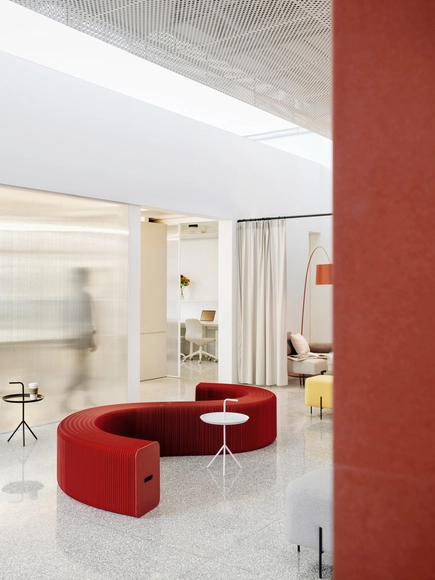
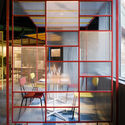
Diversifying the materials of an interior space can greatly improve its depth and visual interest. At the same time, adding partitions or other delineations of internal space can help organize flow, circulation, and visibility. Polycarbonate, a type of lightweight, durable thermoplastic, is an excellent medium for both functions.
In its raw form, polycarbonate is completely transparent, transmitting light with nearly the same efficacy as glass. However, it is also lighter and stronger than glass and tougher than other similar plastics such as acrylic, polystyrene, ABS, or nylon, making it a good choice for designers seeking durable, impact and fire resistant materials that still transmit light. Like glass, it is a natural UV filter and can be colored or tinted for translucency, yet it is also prized for its flexibility, allowing it to be shaped into any size or shape. Finally, it is easily recyclable because it liquefies rather than burning, making it at least more environmentally friendly than other thermoset plastics. For example, recycled polycarbonate can be chemically reacted with phenol in a recycling plant to produce monomers that can be turned back into plastic.
https://www.archdaily.com/948075/polycarbonate-for-interiors-8-examples-of-translucent-architecture-indoorsLilly Cao
PVT OPZ Geel. Psychiatric care home (Geel, Belgium). Image Courtesy of Osar Architects.
BIM and 3D modeling are essential in today’s architecture field. What they aren’t, however, is static or prescriptive. The way BIM is integrated varies not just by firm, but even by individual project. The size of the building, structure of the project team, or even government mandates can dictate how a firm utilizes their BIM capabilities. Belgian firm Osar Architects found that Vectorworks is the best match for the way they run their office. Specifically, Vectorworks Architect is well-matched for the type and extent of modeling they do because it's flexible to fit the needs of each project.
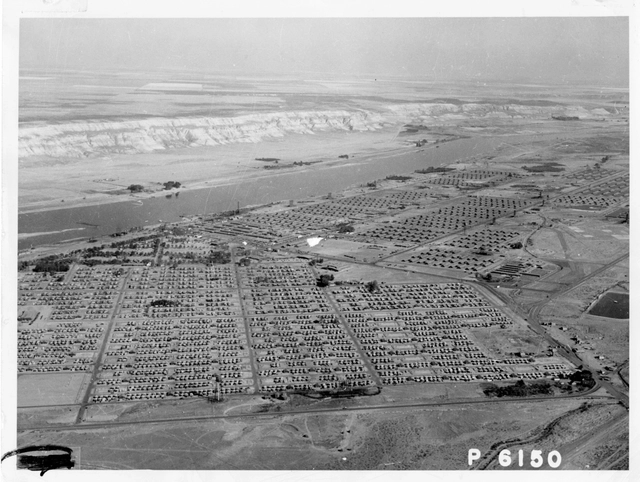
Aerial view of the Hanford Construction camp. Image Courtesy of National Archives and Records Administration
In 1942, less than a year after the United States was pulled into World War II, the U.S Army Corps of Engineers quickly and quietly began acquiring large parcels of land in remote areas in three states. Soon after, thousands of young designers, engineers, planners, scientists, and their families, began arriving at these sites that were heavily shielded from public view. Workers there constructed hundreds of buildings including houses, industrial structures, research labs, and testing facilities at unprecedented speed and scale.
Questioning where we live, even in an era of telecommuting, Zoom education and mass transit avoidance, is a complicated, high-risk endeavor. Houses are unique. Whether we rent or own, for most people where we live consumes the greatest amount of money we make.
Successful landscaping is more than just an innate desire to always be in touch with nature. Designing the landscape of public spaces, gardens, or even indoors is an ever-growing concern due to how the arrangement of elements in space can impact not only spatial but also psychological perceptions, contributing to improved comfort and quality for visitors.
https://www.archdaily.com/947833/landscape-design-drawings-references-and-conceptsEquipe ArchDaily Brasil
It is not clear where and when the wheel was invented, but according to American anthropologist David Anthony, author of a book on the history of the wheel, there is a series of archaeological evidence of wheeled vehicles dating from 3400 BC in Eurasia and the Middle East. Since its creation, the wheel has revolutionized the way human beings handle many activities, especially moving around.
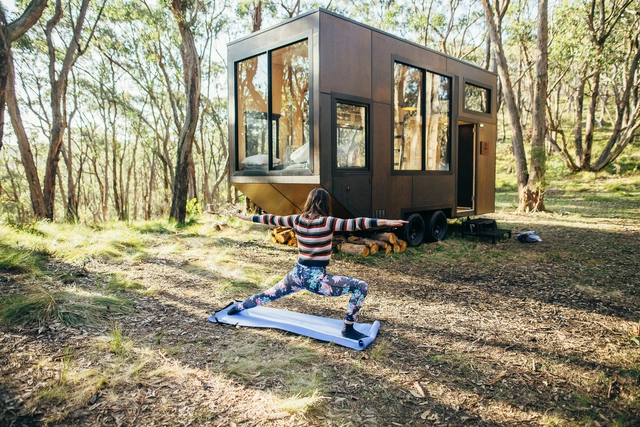
In architecture, a field closely related to occupying spaces with strong and mostly permanent constructions, wheels may at first seem to be somewhat out of place. However, due to the increased popularity of small scale houses, which concentrate the many functions of a residence in minimal spaces, a new possibility for architecture is emerging: locomotion.
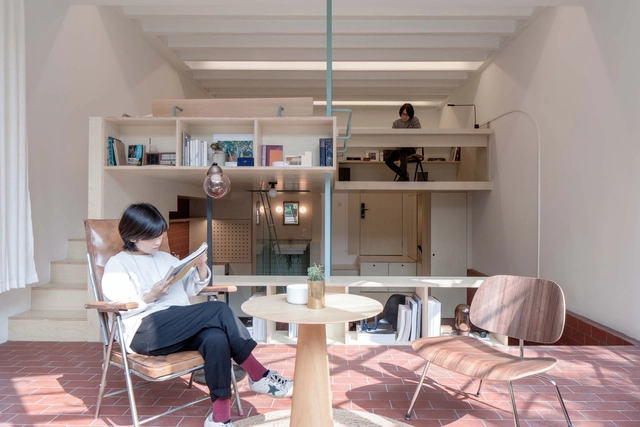
An emerging design trend is filling the gap between furniture and architecture by shaping space through objects at the intersection of the two, creating a dynamic and highly adaptable environment. Either a consequence of the increased demand for flexibility in small spaces or the architectural expression of a device-oriented society, elements in between architecture and furniture open the door towards an increased versatility of space. Neither architecture nor furniture (or perhaps both), these objects operate at the convergence of the two scales of human interaction, carving a new design approach for interior living spaces.
How did modern architecture happen? How did we evolve so quickly from architecture that had ornament and detail, to buildings that were often blank and devoid of detail? Why did the look and feel of buildings shift so dramatically in the early 20th century? History holds that modernism was the idealistic impulse that emerged out of the physical, moral and spiritual wreckage of the First World War. While there were other factors at work as well, this explanation, though undoubtedly true, tells an incomplete picture.
In early 2020, along with the implementation of worldwide social isolation measures, we published several articles in order to help our readers increase productivity and comfort in their home offices. After months of continued isolation, surveys show that more than 80% of professionals want to continue working from home even after quarantine ends. In addition, a good number of companies are similarly satisfied with current work practices, showing a high tendency to adopt this practice indefinitely, since the majority of companies observed that remote work was as or more productive than face-to-face work.
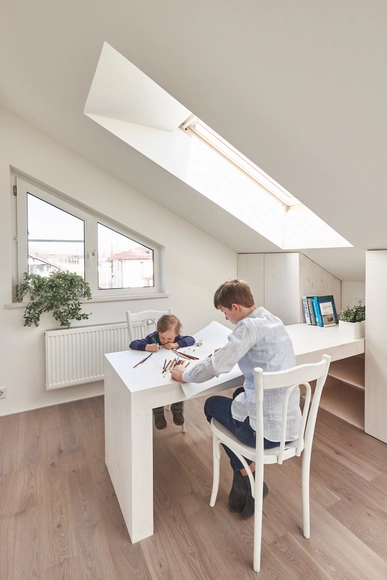
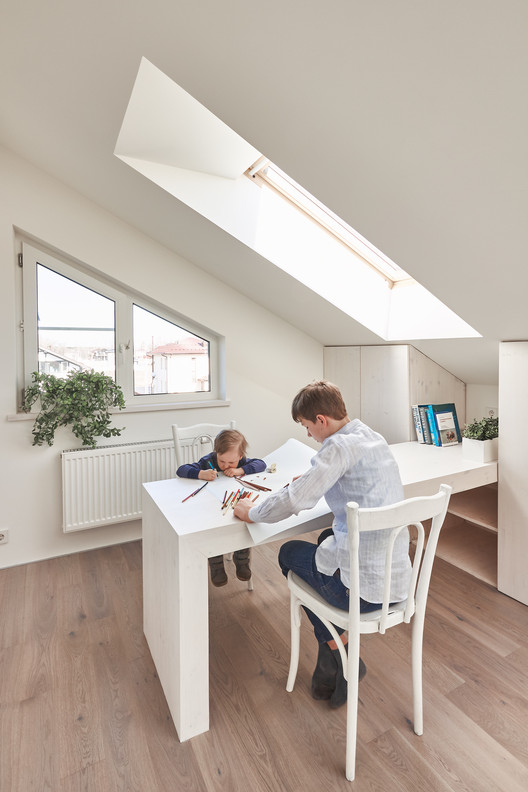
However, with respect to children and home studying during the pandemic, the result was not as positive. One of the main reasons for this difference is that it can be difficult to get students to concentrate and motivate themselves for a long time in front of screens. Lack of physical interaction with other children is also a contributing factor. Yet until the global situation improves, it is likely that the return to schools will continue to be postponed. With this situation in mind, we decided to share in this article a series of efficient strategies to transform study spaces at home into better spaces for learning.
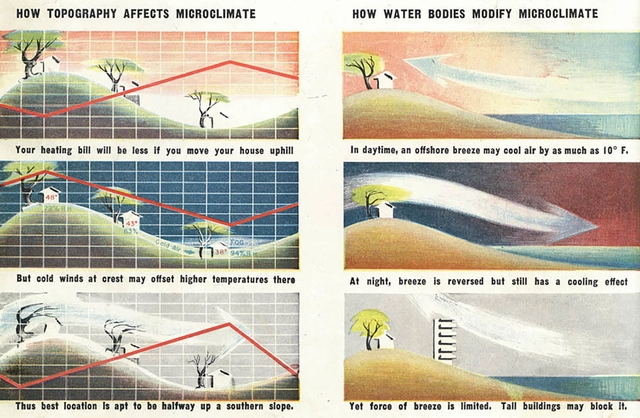
A graphic shows some early microclimate-tailored strategies detailed in "Modern Architecture and Climate: Design Before Air Conditioning" by Daniel A. Barber. Image Courtesy of Princeton University Press
It’s easy to think of Modernism as inseparable from air conditioning, simply because we are surrounded by so much of it that is. A valuable reminder that this wasn’t always the case is provided in University of Pennsylvania architecture professor Daniel A. Barber’s Modern Architecture and Climate: Design Before Air Conditioning (Princeton University Press), which outlines the story of the febrile, flexible, and often-forgotten early experiments in climate control.
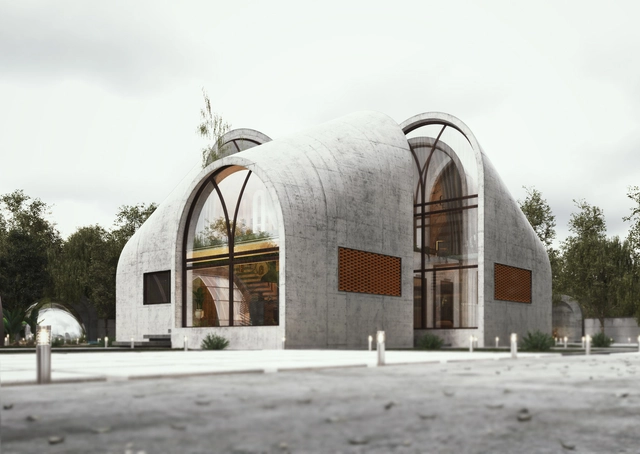
ARC House. Image Courtesy of M.E architecture studio
Houses and Villas are the most researched topics on ArchDaily. Putting together a curated selection of conceptual interventions, this week’s Best Unbuilt Architecture focuses on the residential sector. From all over the world, this group presents proposals submitted by our readers.
This article highlights a floating terraces project from India, a lodge in Ethiopia, a seasonal home for an Iranian family in Germany, and a residential compound in Saudi Arabia. Beach houses in Greece, Croatia, and the U.S. are also featured, showcasing different approaches for the same program. Moreover, more futuristic interventions include the Mountain House on the rocky cliffs of British Columbia, and the blue house, an aquarium-like type of home.
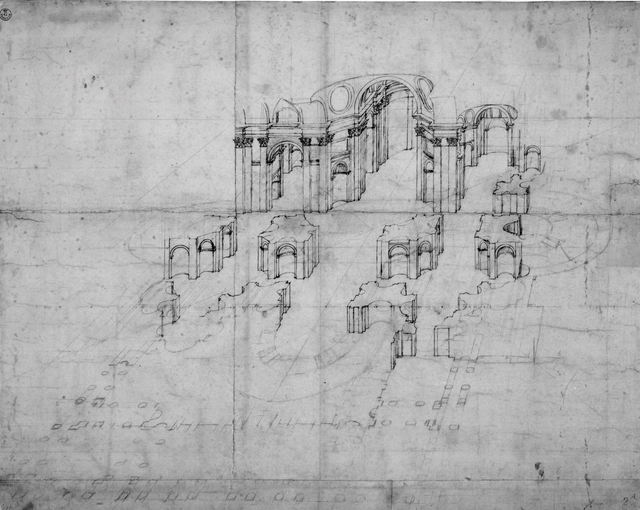
An extraordinarily modern cut away perspective of the, as yet unbuilt, central crossing of St Peter’s by Baldassare Peruzzi.. Image Courtesy of Oro Editions
Why should any 21st Century architect bother to draw by hand? There is, after all, an abundance of readily available digital tools that make pens and pencils seem little more than primeval artefacts. Fondly regarded, perhaps, yet as charmingly irrelevant to contemporary architecture as heavy horses are to today’s farmers or typewriters are to newspaper journalists.
Blossom of Life Sales Center / Mohen Chao Design Assoc.. Image Courtesy of A' Design Awards
The A’ Design Award was "born out of the desire to underline the best designs and well-designed products." It is an international award whose aim is to provide designers, architects, and innovators from all design fields with a platform to showcase their work and products to a global audience. This year's edition is now open for entries; designers can register their submissions here.
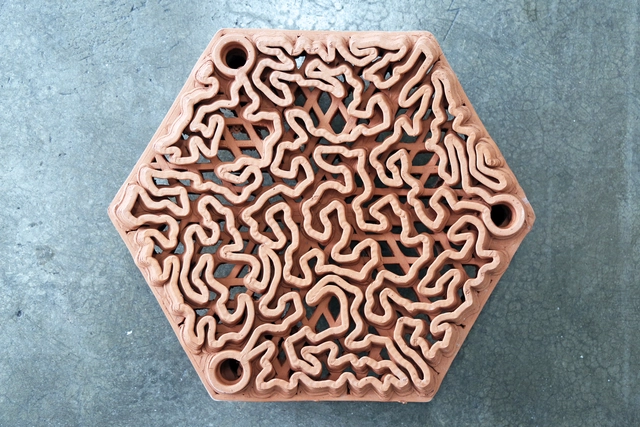
Corals are fundamental to marine life. Sometimes called tropical sea forests, they form some of the most diverse ecosystems on Earth. They serve as a refuge, breeding, and feeding area for dozens of species in the sea, and their absence can negatively affect local biodiversity to a tremendous degree. Yet just as humanity pollutes and destroys, it can also remedy and encourage the creation of more life. This is why shipwrecks of old vessels or the sinking of concrete structures for the creation of artificial reefs are frequently reported as providing immense potential. In Hong Kong, researchers have been developing 3D printed structures using organic materials that can lead to the creation of new opportunities under the sea.
The polished concrete technique is not only suitable for many different environments, but also harmonizes well with various building materials, and has been the material of choice for many Brazilian architects in housing designs in recent years.
The mixture of sand, cement, and water is prepared on-site and the result is a cost-effective and long-lasting alternative when properly and regularly maintained. This finish has become so popular that you can find porcelain tiles and coatings with a similar texture.
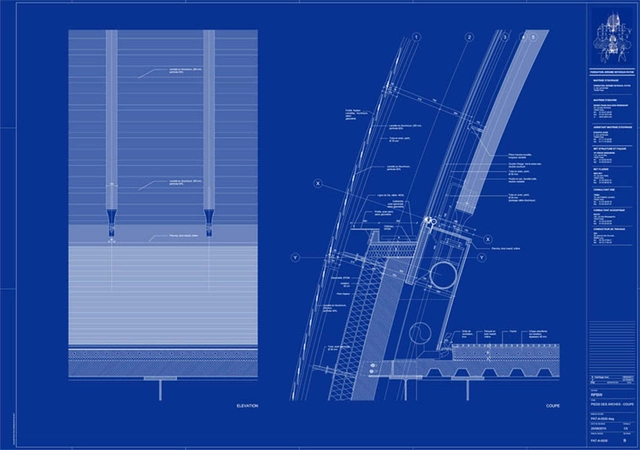
Detalle de la fachada de la Pathé Foundation. Image Cortesía de Renzo Piano Building Workshop
The facade is the calling card of an architecture project, an often iconic and recognizable element that becomes part of the collective imaginary.
We frequently see them featured in photographs and art—such as Andreas Gursky's work, or as part of movie sets. It is almost impossible to forget the pink symmetrical façade of 'The Budapest Hotel' by director Wes Anderson, or even, in music videos or album covers, like the legendary 'Physical Grafitti' by Led Zeppelin.
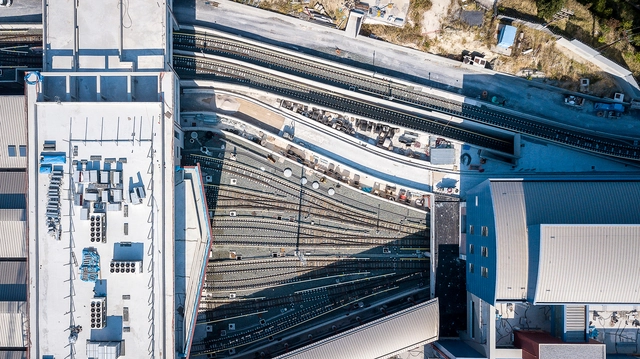
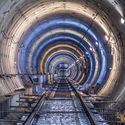
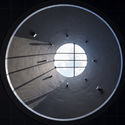
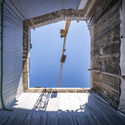
With the recent completion of several new stations and tunnels, the Athens underground metro expansion and the development of the ThessalonikiMetro system are on a set course to completion in Greece. The construction of a direct connection between the Athens airport and the Piraeus harbour, as well as the development of Thessaloniki’s first metro line, are underway, and images by photographer Pygmalion Karatzas show the new underground infrastructure coming together in the two Greek cities.


.jpg?1600813854&format=webp&width=640&height=580)



















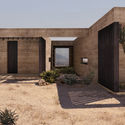


.jpg?1599702125&format=webp&width=640&height=580)
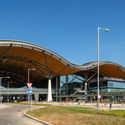
.jpg?1599701998 "Jiangshan Fishing Village Renovation / Mix Architecture. Image Courtesy of A' Design Awards")
.jpg?1599702158 "Heavenly Water Service Center / Zhenfei Wang. Image Courtesy of A' Design Awards")
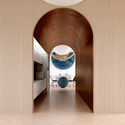
.jpg?1599702125)