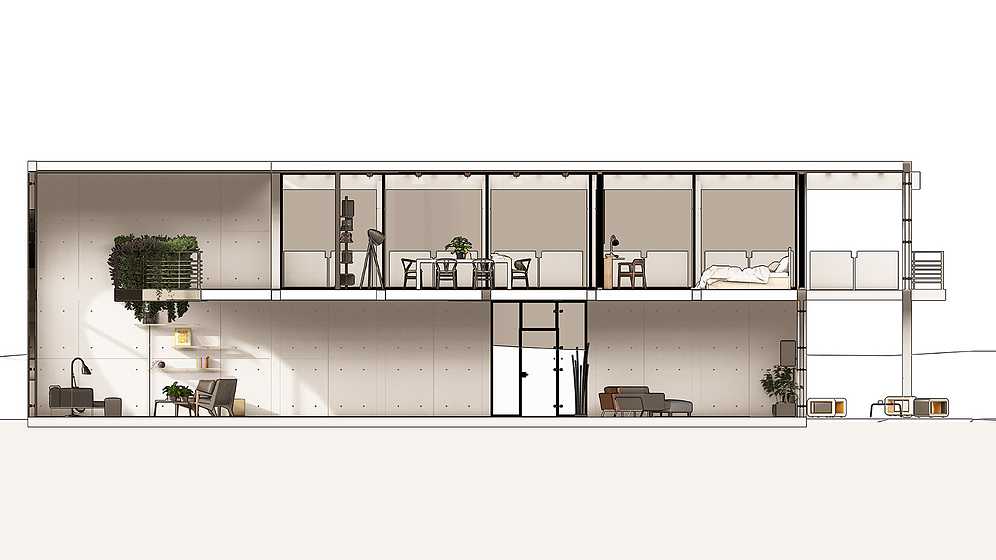
Produce personalized presentation boards that distill complex concepts into simple visual representations with a few helpful tools and effects.


Produce personalized presentation boards that distill complex concepts into simple visual representations with a few helpful tools and effects.
The Master of Advanced Studies ETH Zurich in Architecture and Digital Fabrication (MAS ETH DFAB) is the educational program of the world’s leading interdisciplinary research cluster on digital fabrication and robotics in architecture, the National Centre for Competence in Research (NCCR) Digital Fabrication at ETH Zürich. It is organized by the Chair for Digital Building Technologies and the Chair of Architecture and Digital Fabrication (Gramazio Kohler Research), two pioneering research groups in the field.
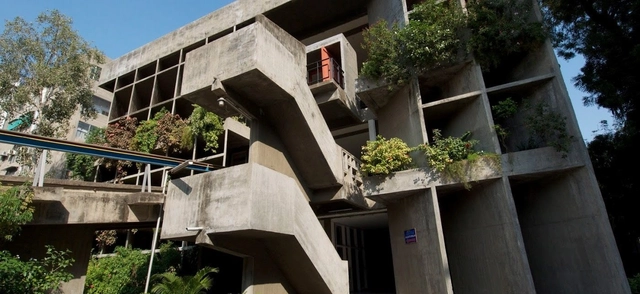
This article was originally published on Common Edge as "The Genius, Heart and Humility of Indian Architect B.V. Doshi"
I’m sitting in a busy suburban coffee-and-donut shop with the quiet, grandfatherly Indian architect, Jitendra Vaidya. When I started my life as an architecture intern in the late 90s, Jitendra was one of the most experienced technical designers I knew. Equally comfortable weighing the relative merits of various flashing details as he is discussing abstract design concepts, Jitendra is an old-school, universal architect. After more than half a century in a profession famous for grinding deadlines, Jitendra still maintains a joyful twinkle in his eye when he talks about architecture. So it’s no surprise that Jitendra is visibly animated today as he tells me about his teacher, the man who was just recognized as one of the world’s greatest living architects, B.V. Doshi.

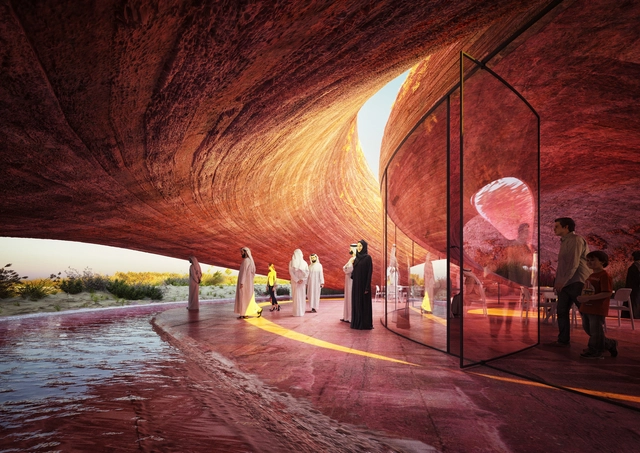
Cultural architecture is defined by shared values and exchange. It centers on humanity, civic life and a story of how societies evolve over time. Whether museums, libraries, visitor centers or monuments, these spaces tell stories about a region, culture and place. This week’s curated selection of the Best Unbuilt Architecture focuses on museums and cultural projects designed in both rural and urban settings. Drawn from all over the world, they represent proposals submitted by our readers.
Trading a diversity of typologies for a range of settings and contexts, these projects showcase many different ways to tell a story of culture. They each showcase diverse taxonomies, formal approaches and spatial organizations, from a tower in Shenzhen to a Mediterranean school in Corsica and an art center in New South Wales, Australia.
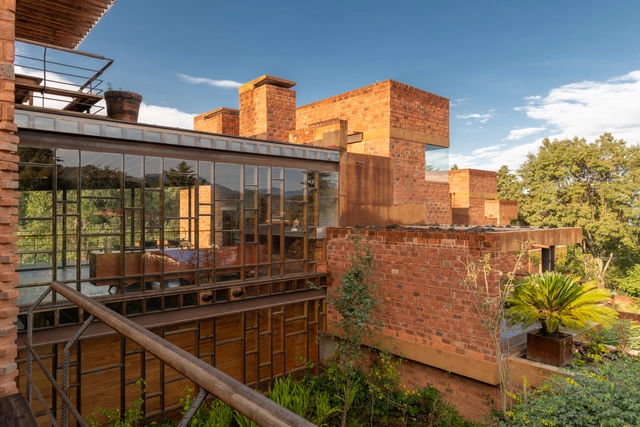
Mexico's Valle de Bravo region, to the southeast of Mexico City, is characterized by the Presa Miguel Alemán lake, created in 1947 as a reservoir for Mexico City and Toluca's water supply. Thanks to its proximity to the capital, Valle de Bravo is a popular weekend destination for residents of surrounding cities. This in turn has sparked the interest of various architects, who have aimed to create projects that enhance visitors' experience such as offering an optimal view of the lake, or an immersive experience in the surrounding forest.
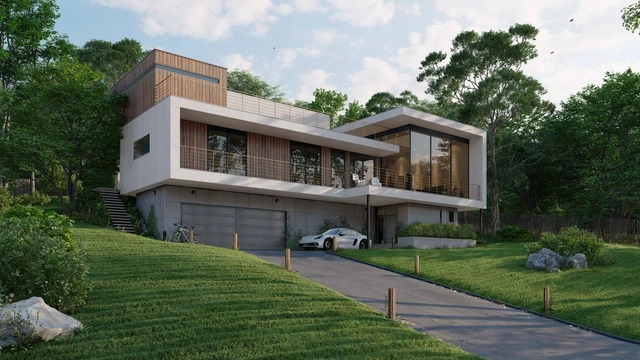
When it comes to architectural rendering software, Lumion makes the process of rendering an integral part of the architect's craft; it emboldens design and rendering workflows and inspires creativity. With the release of Lumion 11, realizing your design vision has never been easier. Using the new orthographic view feature, you can reduce the effort needed to create visually interesting plan and section views with your own unique twist. With animated phasing, you can show how the parts of your building connect and interact, choreographing a dialogue with the viewer.
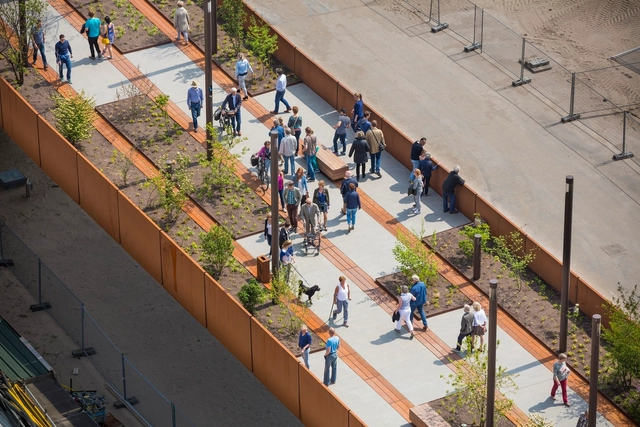
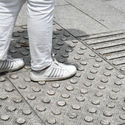
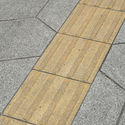
Accessibility is one of the most important considerations in architecture, ensuring that the built environment caters to people of all abilities. However, popular conceptions of what disability and accessibility look like remain limited, and often encompass only physically disabled people such as wheelchair users. Among architectural designers especially, it is common to visualize accessibility as adding ramps, wide corridors, and elevators. However, disability can take many different forms, some less visible than others; accordingly, accessibility in architecture means much more than accommodating just wheelchair users. For the visually impaired, incorporating specific tactile elements in architecture and urban design can vastly improve the navigability of a foreign space. In this article, we talk about tactile paving specifically, including its different forms, its history, and its means of implementation.
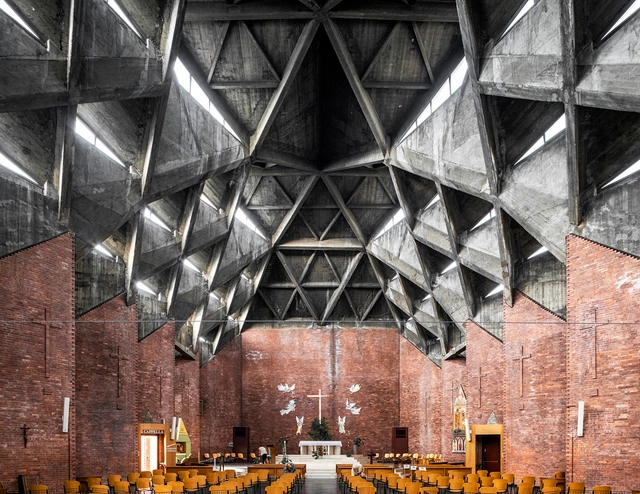
Rich in symbolism and tradition, religious architecture has always been marked by the grandiosity and extravagance of its interior spaces. For the architects and designers who created these spaces, everything from the scale, to the materials, to the lighting were tools to be used in optimizing their form and function and creating a place for users to connect with their faith.
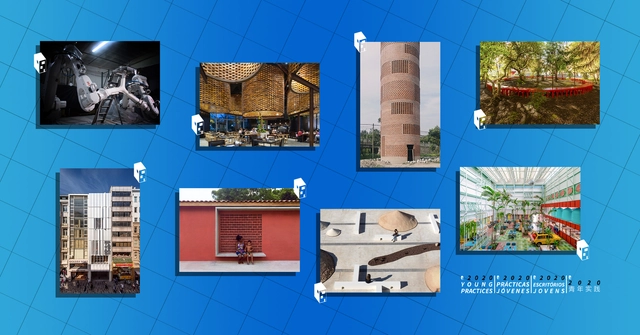
ArchDaily is proud to announce the 2020 Young Practices selection. This premier edition highlights emerging offices that are providing innovative approaches, proposals, and solutions to some of the main challenges Humankind is facing right now. From climate crisis to racial and gender issues. From technological disruption to social cohesion. These challenges are shaping the evolution of architecture, leading the discipline towards a new society and a new economy.
Chosen from over 350 submissions from 72 countries and 215 cities, all over the world, the selected firms reflect the sequential changes architecture has been navigating through over the last twenty years, with the rise and latter consolidation of new technologies, tools, formats, topics, scales, and interdisciplinary approaches.

Today more than ever, architects are facing high expectations for the design, function and performance of a project. Careful building design takes the regional influences of climate into account, material origin, perhaps cultural building traditions. These are ways to lower the ecological footprint. But what do architects do to further enhance the building performance? That is an exciting element to explore. Finding out that today digital technologies are implemented in buildings in every region of the world is an interesting fact to discover!
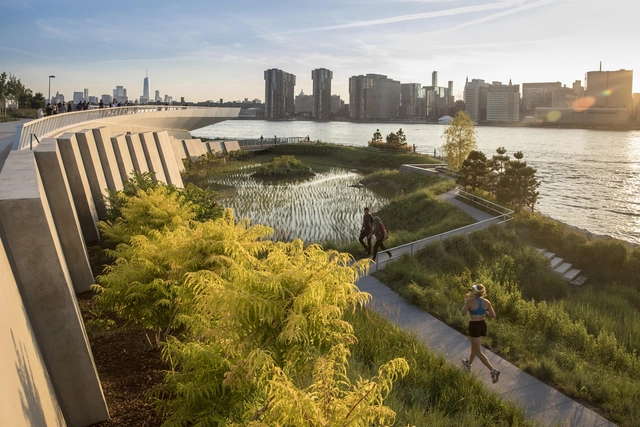
“When there is a convergence of crises, like we have now, there needs to be a convergence of solutions,” argued Christiana Figueres, former executive secretary of the UN Framework Convention on Climate Change (UNFCCC), at the 2020 GreenBuild conference. These solutions need to be net-zero in terms of energy and greenhouse gas emissions, regenerative, and reconnect humanity to nature. And while progress towards these solutions is now “irreversible,” we need to move much faster towards a net-zero world.

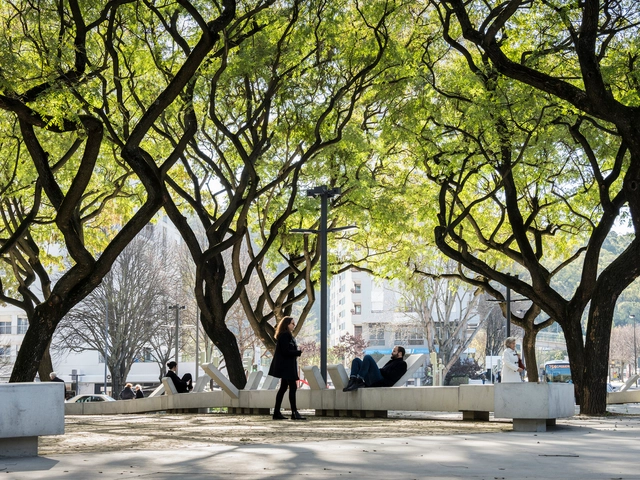
This June, the Global Cities program of the University of São Paulo (USP) carried out the research Emoções Momentâneas (lit. Momentary Emotions) to measure how the pandemic was changing the relationship of individuals with public spaces in São Paulo. Among the collected data, there was one that caught the attention of the group of researchers: 86% of the surveyed people wanted to spend time in green environments such as parks and squares.
"The research indicates a desire for reconciliation with the public space," explains architect Deize Sanches, one of the people involved in the research. "A desire to see the potential of green spaces to improve the quality of life in a way that was not being experienced before the pandemic."


Proven and effective construction methods are not static, instead they're always improving. In Quebec, Canada, light wood frame and modular manufacturers are always pushing the limits of innovation. Their craft is now linked to building systems on a bold scale with offsite light wood frame construction.
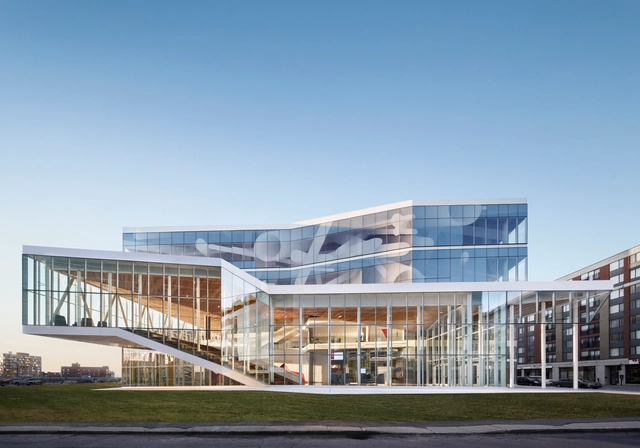
Few cities combine architecture and culture like Montréal. Canada’s second largest metropolis, the City of Saints has become a leading center for design, technology, and international events. With close ties to its natural context, the island city was named after the triple-peaked hill located at its heart, Mount Royal. Today, contemporary designs continue to emerge, new structures that are transforming the cityscape and its urban fabric.
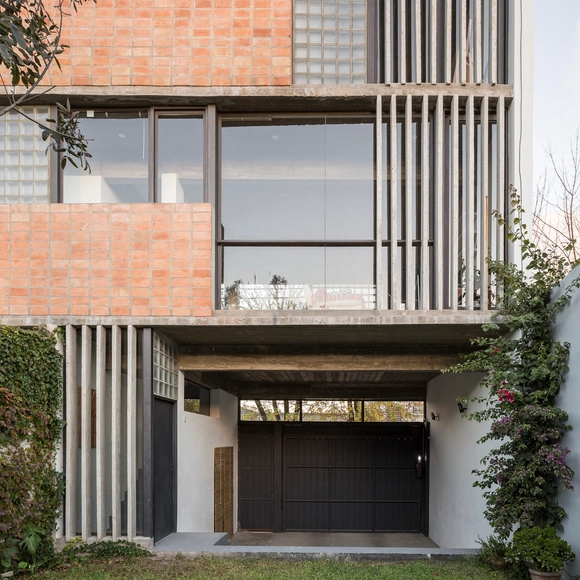
In the Genesis flood narrative, Noah built an ark after a call from God, who decided to flood and destroy all life on Earth due to the misbehavior of humanity. Only Noah's family and a couple representatives of each species of animals could enter the huge vessel and save themselves. In the bible, the ark is described in the exact measurements of 300 cubits in length by 50 cubits in width by 30 cubits in height. This was a unit used at the time based on the length of the forearm, measured from the tip of the middle finger to the elbow. A Dutchman who has devoted himself to building a replica of Noah's Ark, without success in finding a correspondingly accurate value in the metric system, used his own body measurements as a module. Modulation in architecture means adapting the project to a defined measurement based usually on a specific dimension or material. Whether it is a meter, a brick, a tile, or a container, it serves to guide the design process and make it more efficient and sustainable.
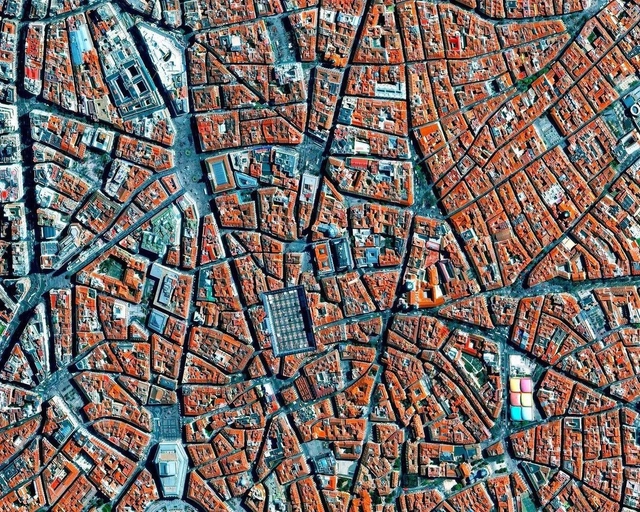
In his book Breve Historia del Urbanismo (Brief History of Urbanism), Fernando Chueca Goitia states that the medieval city appeared at the beginning of the 11th century and flourished only between the 12th and 13th centuries. According to the author, this growth was closely linked to the development of commerce that allowed permanent occupations, resulting in a city no longer composed mainly of travelers. In other words, the bourgeoisie was formed thanks to the most diverse activities - craftsmen, tradesmen, blacksmiths, longshoremen - which stimulated the development of the medieval city.


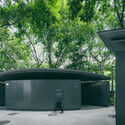
In recent years, with the accelerated urban development of public spaces in China, public washrooms have been assigned numerous new roles. Designers have come up with a variety of proposals which suggest turning public washrooms into a place where social gathering can be redefined, and temporary stay can be more engaging. Although the scale of public washrooms is significantly smaller than that of any other type of architecture, Chinese architects have been working innovatively on fitting the public washrooms into the changing social contexts. Below are a few examples that demonstrate some current architectural experiments with public washroom design in China.
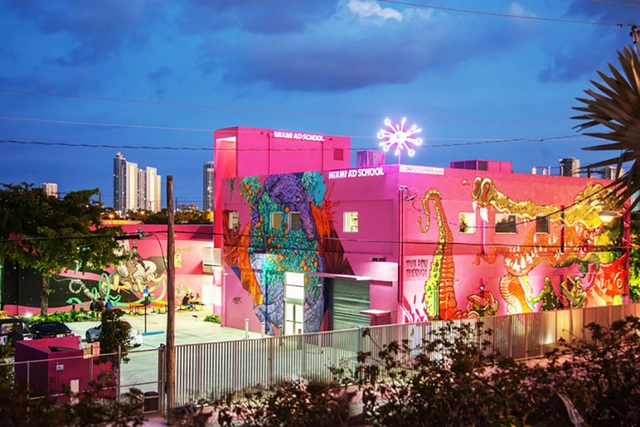
During the 20th century, Miami Beach reinvented itself several times, from Gilded Age mecca to Art Deco capital, to glamorous 1950s destination, only to become a faded has-been resort by the 1970s. The preservation movement that began in the 1970s and 1980s became its saving grace. By the 1990s Miami Beach, especially its South Beach neighborhood, was one of the hippest communities in the United States, drawing notable European residents like Gianni Versace.

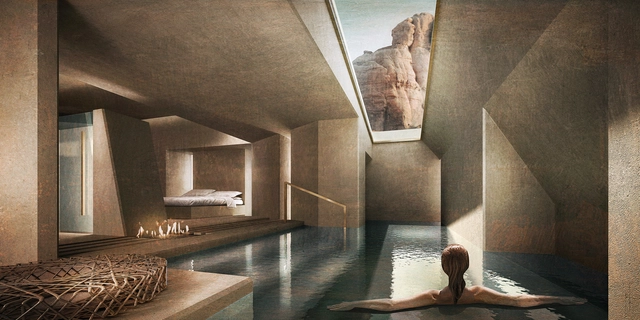
Delicately excavated from the natural grounds of Jordan’s Wadi Rum, Jordanian architect Rasem Kamal transformed the phrase of “form follows function” into “subtraction follows function”, emphasizing the relationship between external form and internal space with a resort that promises a sanctuary both above and underground.
In the newly-released video of the proposal, the architect uncovers the hidden resort and takes viewers on an enchanting walkthrough of the proposed Wadi Rum Sanctuary Resort. Kamal complements the desert’s jagged landscape with the resort’s subtle architecture, letting the structure blend seamlessly with its surroundings.
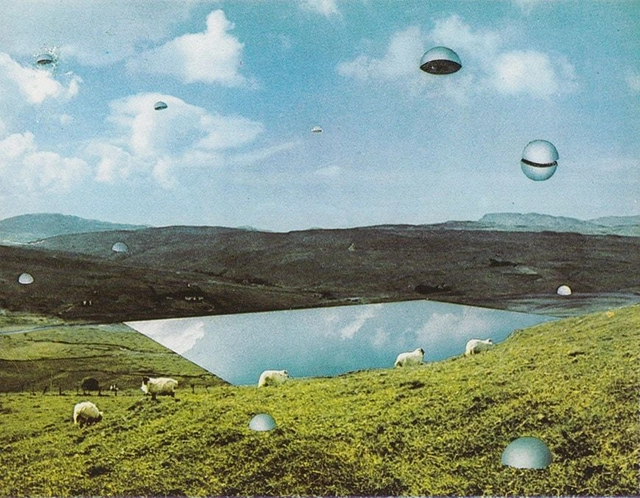
In the 1960s, Cristiano Toraldo di Francia and Adolfo Natalini, two Florence-based architecture students in their twenties, decided to undertake the substantial task of designing a new way for the citizens of the globe to inhabit the earth. Driven by the possibilities laid out in science fiction novels and the desire to prescribe design to solve the problems of their era, the duo, who dubbed themselves as Superstudio, sought to continuously reinvent their role in what it means to be an architect. Their solution was the creation of an “anti-design” culture as a means to provide commentary on politics, capitalism, and urbanism, by creating ideas in which everyone is given a functional space that frees itself of time, place, and the need for excessive objects.
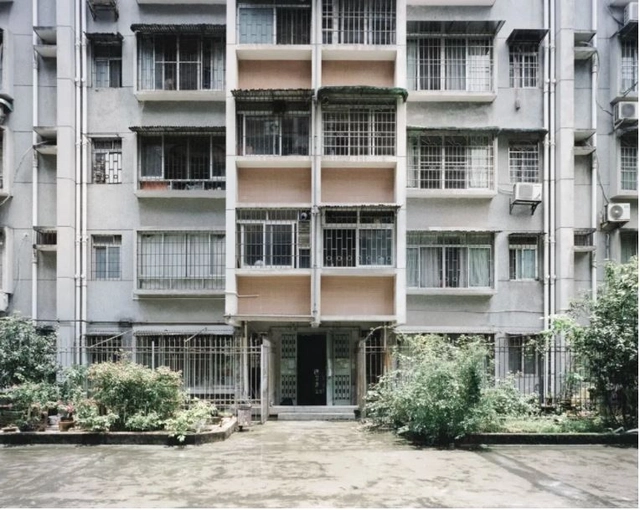
Sigmund Freud, the author of “The Interpretation of Dreams” and the founder of Psychoanalysis, once argued that, “A strong experience in the present awakens in the creative writer a memory of an earlier experience (usually belonging to his childhood) from which there now proceeds a wish which finds its fulfillment in the creative work.”
.jpg?1602872084&format=webp&width=640&height=580)
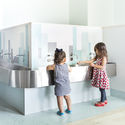
Children's furniture is all furniture –fixed or mobile– that is designed according to the ergonomic guidelines and anatomical dimensions of children specifically. Following this definition, we can identify two types of furniture: (1) those that facilitate a relationship between the caregiver and the child, and (2) those that allow the child to use them independently.
The big difference between these two types is that the first has dimensions that mainly adapt to the ergonomics of the adult, while the second is designed to meet the ergonomic needs of the child at each stage of their development. Since the growth of children occurs relatively quickly, it is common for the furniture of this second group to be multifunctional or even extendable.
.gif?1604578732)
When designing in times of quick and constant transformations, one must keep a close eye on the surge of new demands, and one must design spaces that embrace such mutability.
Flexible furniture is a reflection of this contemporary behavior because they can be moved around easily, they have great adaptability, and because they can perform different functions in a single piece. These pieces enable several different layouts, being able to adjust their shape according to specific requirements and changes, which helps optimizing interiors.
We have selected eight Brazilian projects that combine versatility and flexibility in furniture design.



.jpg?1597763267 "Terreno House / Fernanda Canales. Image © Jaime Navarro")
.jpg?1597763791 "m House / saavedra arquitectos. Image © Ricardo De La Concha")

.jpg?1597763256 "CRA House / Estudio MMX. Image © Rafael Gamo")







.jpg?1602872196 "Photo: 1931, Kaunas, Lithuania. Two children working on reading/writing words at Maria Varnienė's Children's House. The child on the left is Stasys Ragaišis, who later became a medical doctor.. Image via @montistory101")

.jpg?1602872084)


