Madagascar is an island nation off the southeast coast of Africa that, despite its lush vegetation and unique flora and fauna, grapples with formidable environmental challenges, from rising sea levels to the excessive exploitation of natural resources. Joan Razafimaharo is an architect deeply involved in sustainability, climate change, and adaptation efforts in Madagascar and the broader Indian Ocean region. Razafimaharo is also one of only about sixty architects in the country, serving a population of 28 million.
Recently I spoke to her about environmental activism in the face of climate change, curbing the exploitation of natural resources, the role of architects in resource-scarce societies, and empowering women in isolated areas. The interview, originally conducted in French, has been translated and edited for length and clarity.
https://www.archdaily.com/1011140/how-madagascar-is-confronting-climate-changeMathias Agbo, Jr.
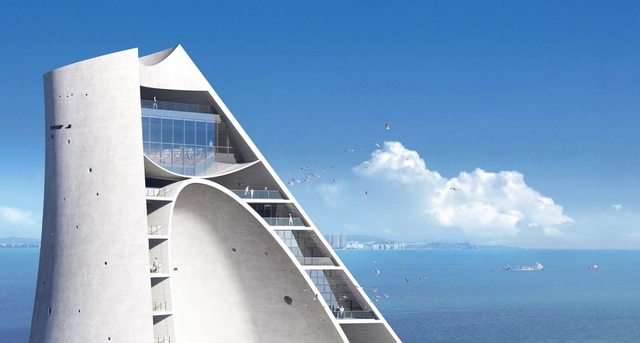
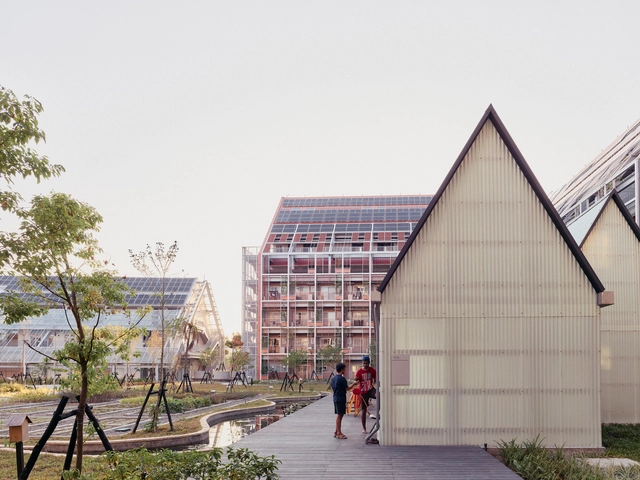
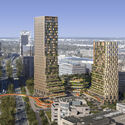
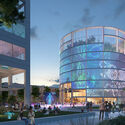
Sun Tower / OPEN Architecture. Image Courtesy of OPEN Architecture
As the year 2023 comes to a close, we review the evolution of the field of architecture, but we also look forward to the most anticipated projects planned to open in 2024. As Paris is preparing to host the 2024 Summer Olympic Games, several projects and infrastructure updates have been planned to support the global event. Another milestone for Paris will be the reopening of the Notre Dame Cathedral, as reconstruction works near completion for the fire-damaged 12th-century monument.
The selection of projects spans various scales and programs, from restoration and expansion works such as OMA's plan for Museo Egizio in Turin, or David CHipperfield's Grand Residential Building in Belgium, to architecture developed with indigenous peoples, such as Snøhetta's Čoarvemátta in Northern Norway, cultural facilities in Asia and Europe and environmentally-conscious buildings such as Studio Gang's Hotel in the United States.
If the past few years were a perfect occasion for reflecting and debating on well-being, digitalization, and democratization in architectural design, this 2023 has been a tremendous opportunity to delve deeper and comment on other urgent topics: The climate crisis and the natural environment have unquestionably entered the global agenda of architecture and construction, alongside circularity, energy efficiency, and decarbonization. It's time to engage in dialogue about these matters to conscientiously build for the future.
Reviewing the future of wood, water, and lighting, in each of the related topics that ArchDaily developed month by month, we posed an open question for you - our dear readers - to actively contribute with your experiences and knowledge. After reading and compiling an immense amount of received messages, from construction professionals to students and architecture enthusiasts, it's time to present you with a summary of the main perspectives. Many thanks for your opinions, and we look forward to your comments for 2024!
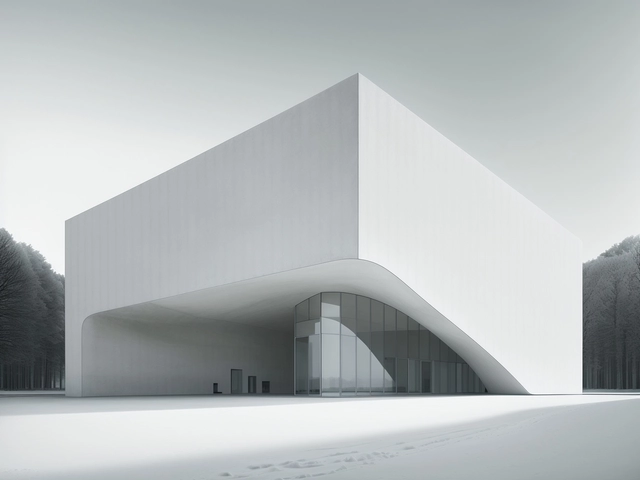
Image created under the prompt: A minimalist, white building with high, curved solid walls, curtain walls, and robust concrete columns in a Nordic environment. Image via LookX AI
Nowadays, architectural work is closely linked to technology and the advances that emerge in this field. In that sense, various aspects of artificial intelligence have been widely discussed. The reality is that, rather than plunging into a competition of capabilities between Architects vs AI, —with nuances that could evoke some aspects of the ideology of 19th-century English Luddites— advances in this field can be seen as tools to optimize processes and open new perspectives within the profession.
In this context, architecture often spans various stages, from early phases where data decisively shapes built environments to later ones where generative design tools for spaces play a fundamental role in spatial configuration. In this process, visualization plays the crucial role of graphically understanding the expression of what is being designed. Thus, iterating on the visualization and evaluating each of the results is vital not only to express ideas but also to use those visualizations to interpret aesthetic elements.
https://www.archdaily.com/1010426/prompting-creativity-the-role-of-ai-in-visualization-and-design-tools-for-architectsEnrique Tovar
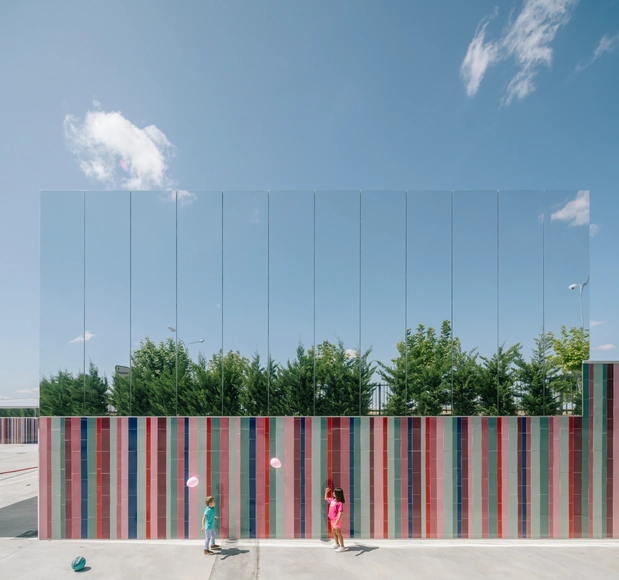
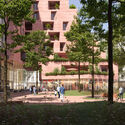
The Almost Invisible School / ABLM arquitectos. Image Cortesia de ABLM arquitectos
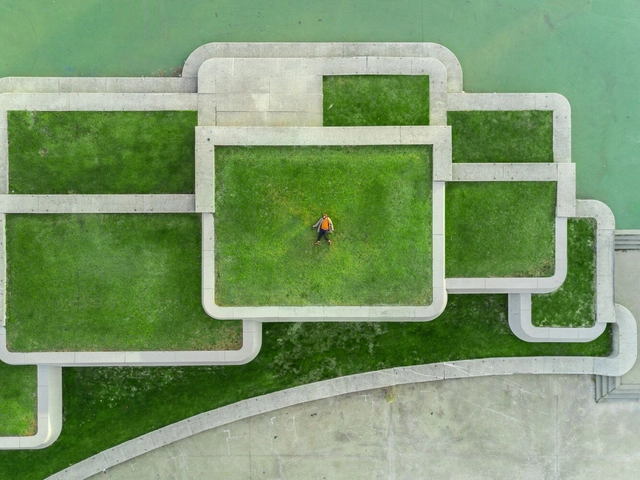
The referential of movement, which describes the variation in an object's position and velocity according to the observer's perspective, is one of the fundamental concepts of physics. This idea not only influences the understanding of movement in physical systems but can also be analogously applied in other areas, such as architecture, where the different perspectives of users can shape their experiences and interactions with built space. Each person brings cultural, emotional, and physical baggage, resulting in unique architectural interactions, similar to an observer's interpretation of a motion reference.
2023 witnessed major conflicts and political crises, catastrophic natural disasters, and global turmoil. It has also seen the decline in the severity of the COVID-19 pandemic, the continuous rise of generative AI models, as well as the emergence of India as the world's most populous country, surpassing China. 2023 has also sparked worldwide discussions in the architectural realm. The 18th International Architecture Exhibition – La Biennale di Venezia challenged its audience to think in a different, more empathetic way, taking a broader perspective on architecture and shifting its focus towards the discipline rather than just the profession. This shift also created space for voices and discussions often overlooked in global exhibitions. The 2023 Sharjah Architecture Triennial celebrated everything that exists, especially in the global south where places thrive amidst scarcity. The main themes of the year centered on decarbonizing the built environment, resources and production, traditional materials and know-how, consumer culture and waste, as well as decolonization, local narratives, and identities, among others.
ArchDaily has closely followed all these stories, consistently examining them through an urban and architectural lens to address global issues. Aligned with our commitment to "empowering everyone involved in shaping architecture to enhance the quality of life," the 2023 ArchDaily's Best Articles selection showcases a broad spectrum of current topics.
The world's population is undergoing a significant demographic transformation, with an increasingly larger portion of people reaching older ages. This has prompted governments to implement public policies aimed at promoting the well-being of the growing number of elderly individuals worldwide. Alongside this trend, there is a need to address special needs that extend beyond just the elderly population and encompass various age groups. Advancements in medical science have enabled many people with disabilities or special needs to lead fuller and more independent lives, contributing to a more inclusive society. This progress also places a crucial responsibility on architects and designers, who must create built environments that are genuinely inclusive, and capable of accommodating a wide diversity of individuals with specific medical needs and varying levels of mobility. This underscores the fundamental importance of universal design and accessibility principles.
In the study of architectural history, one noticeable pattern is the apparent oscillation between different styles and languages. When a more restrained trend dominates, the subsequent one often reverts to more ornate motifs, and vice versa. It's crucial to acknowledge that this perceived 'flow' is only an impression; historical reality is invariably more intricate than records suggest, and the dominance of one style over another is an interpretation made by historians looking back from a future perspective. The Baroque style is a notable example of this phenomenon.
Essential Induction Cooktop. Image Courtesy of Gaggenau
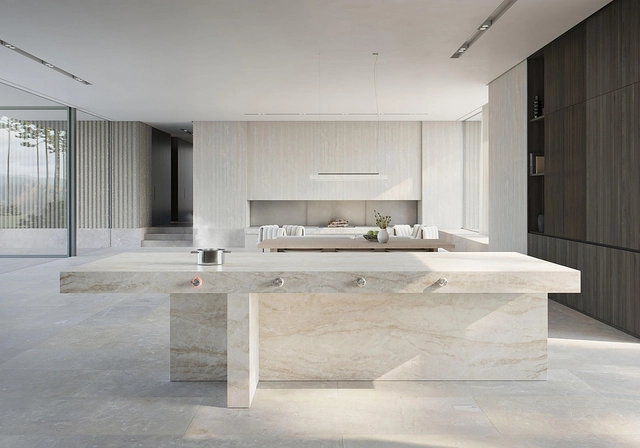
Following evolving lifestyle trends and technological innovations, contemporary architecture often enhances the design of kitchens to fulfill multifaceted and dynamic roles. By incorporating smart and automated systems and creating flexible, adaptable spaces with minimalist and clean lines, kitchens embody the essence of contemporary life.
Based on technological advances, a clear design language and functionality, Gaggenau’s innovative home appliances evolve in harmony with changing lifestyles. Among their solutions, the Essential Induction cooktop seamlessly integrates into the kitchen’s worktop, providing flexibility and cutting-edge design for culinary enthusiasts.
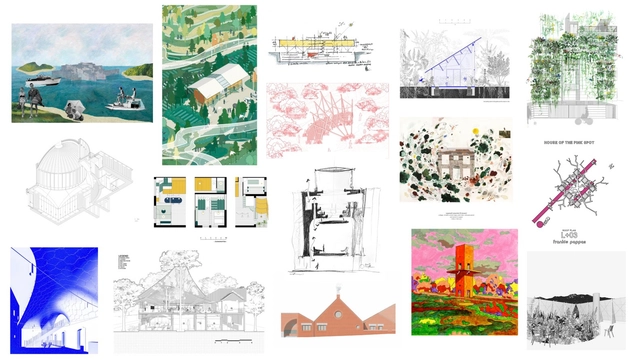
As another year draws to a close, ArchDaily's team of curators is pleased to present a selection of the best architectural drawings published throughout 2023, without which the projects' appreciation would certainly not be the same.
Architectural representation plays a fundamental role both in the design process - from the very first sketches to the finest construction details - and in its presentation to a wider audience. Thus, during the selection process, we were able to see a rich and varied set of designs that were part of the more than 4,000 project publications this year. We had the difficult task of coming up with the most representative and inspiring ones amongst them.
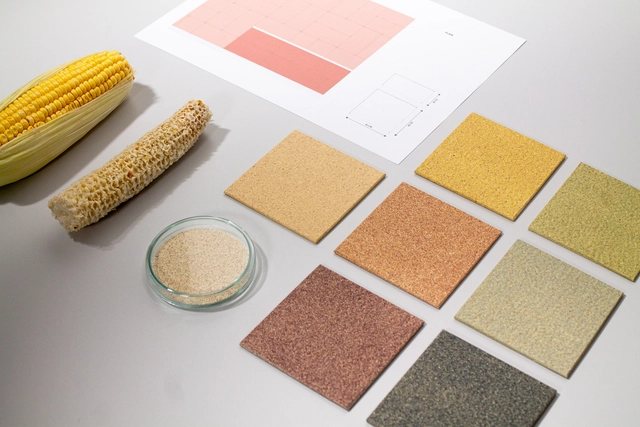
The practice of upcycling –present in a variety of industries from fashion to construction– not only revitalizes discarded items, adding new values and functions, but also contributes to turning them into valuable resources. Adopting the spirit of the circular economy by harnessing agricultural waste such as corn cobs, rice straw, and sugar cane bagasse for building materials marks a fundamental shift towards sustainable practices, promoting a closed-loop system that minimizes waste and optimizes resource efficiency.
CornWall®, developed by StoneCycling, is a pioneering innovation in this regard. Inspired by the need to shift to a bio-based economy, it incorporates a transformative solution that addresses the pressing concerns of the construction industry's environmental impact. It is a wall-finishing material made from plant biomass, obtained mainly from the cores of regionally sourced corn cobs. This organic waste is widely available and is usually destined for fermentation, burning as biomass, or becoming simple organic waste. We spoke to Ward Massa from StoneCycling to better understand this material.
Pivot door design has evolved significantly in the past years, skillfully uniting design innovation and precision engineering to create a new type of door. In light of this, FritsJurgens' Best Pivot Door Contest awards the best designs in the field, which has just wrapped up its 2023 edition. With over 130 submissions worldwide and an esteemed jury panel, the following winners have been selected.
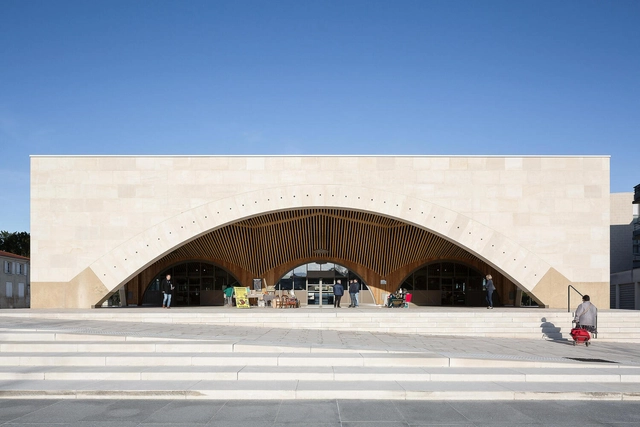
Market halls have long held a prominent position in the rich tapestry of architectural history, serving as vibrant hubs for commerce, community, and culture. Characterized by their imposing structures and bustling interiors, they have played an integral role in shaping urban landscapes and facilitating the exchange of goods and ideas throughout the centuries.
From ancient agoras and bazaars to the grand marketplaces of the Renaissance and the modern-day food halls that have undergone a renaissance of their own, market halls stand as a testament to the enduring synergy between architecture, economic activity, and the social fabric of society. These four newly completed projects from around the globe are proof that the highly specialized structures have lost none of their appeal– and exemplify how they can revitalize communities by bridging commercial and cultural functions as well as the past, present, and future.
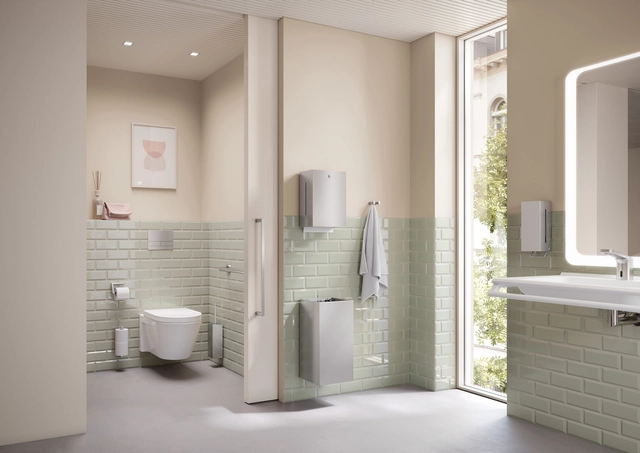
Even the most mundane elements of everyday life have undergone remarkable developments throughout the years, especially when it comes to practicality, efficiency, and sustainability. A notable example is the contemporary toilet, an essential element for any home or public space, which has undergone significant transformations. Although they may appear to have remained relatively unchanged over the decades in terms of design and materials, incorporating technology has been the main development, offering improvements in comfort, variety of design, and innovative features. The evolution of toilets transcends mere functionality, representing a fusion of technology, design, and sustainability to create a holistic bathroom experience.
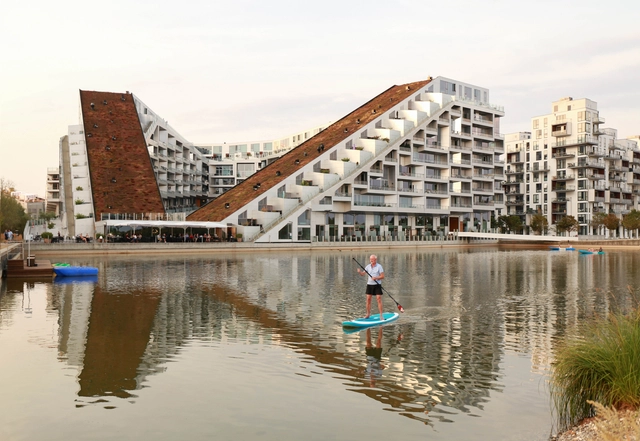
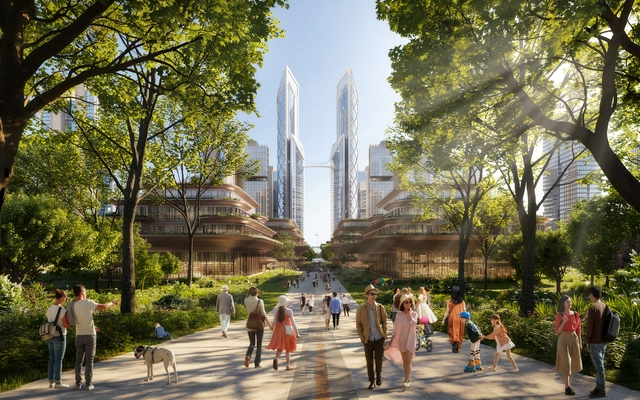
In the rapidly evolving landscape of the 21st century, cities have emerged as models of innovation in terms of sustainable development goals. Cities creatively address pressing urban challenges, including density, transportation, housing, and resilience. They hold the potential to pioneer a comprehensive climate agenda, serving as laboratories for sustainable initiatives, cross-sectoral innovations and community-oriented strategies. Cities act as catalysts for revolutions, implementing impactful solutions that can be applied worldwide.
We are on the brink of concluding the hottest year in the past 125,000 years. Recently, elevated temperatures have adversely impacted the daily routines of a significant portion of the population, particularly those who spend most of their day outdoors without access to air-conditioned environments. Excessive heat stems from various sources, both natural and human-induced. Given the grim outlook on this matter, it becomes imperative to explore structural measures to address and mitigate the potential deterioration of public health caused by escalating temperatures.
As 2023 comes to an end, the future of our landscape is filled with visionary imaginations as a result of a year of forward-thinking design competitions. From revitalizing historical gems to designing new buildings, these global contests have pushed innovation further in the architecture industry. In fact, with each new competition, the boundaries of our living were challenged, reimagining what the future may accommodate or encourage.
This past year has been a showcase of architectural innovation, with award competitions surpassing the boundaries of traditional industry. Winning designs feature a deep embodiment of cultural heritage, communal aspirations, and environmental stewardship. In fact, the three categories of competitions that established firms participated in were cultural landmarks, mixed-use towers, and master plans. In each category, the winning design reimagines what these concepts stand for in 2023 and beyond, designing not just new buildings but new ways of living.
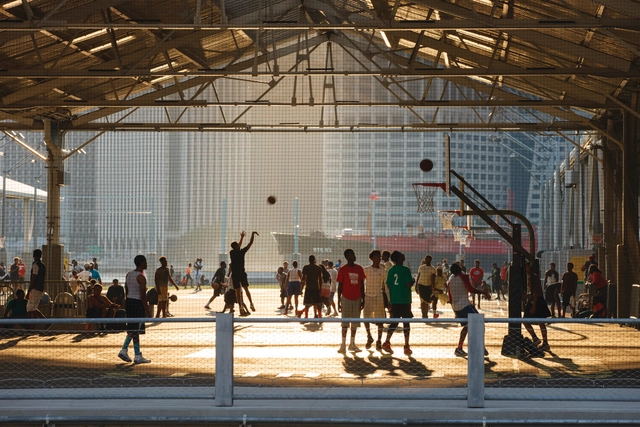
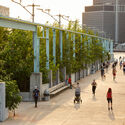
Beautiful sites with stunning views along the waterfront of major cities often go unused due to the industrial remains of a past economy based on shipping and manufacturing. The move away from these economic sectors and the potential of these sites has contributed to a move to adapt these spaces into public amenities. While some cities' approach has been to demolish and start from scratch completely, the thirteen-year transformation of the Brooklyn Bridge Park in New York City's waterfront included keeping some of its industrial character. In their upcoming book "Brooklyn Bridge Park," Michael Van Valkenburgh Associates discuss their design process, including using the existing materiality and structures along the piers to embed the site's history in the park.