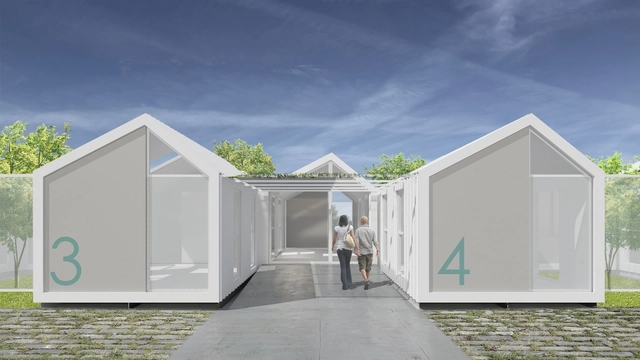
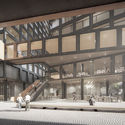
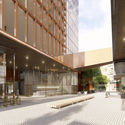
Disponible. Autor Pol Viladoms Claverol. Image Cortesía de BEAU 2021
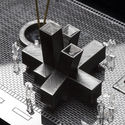
The Spanish Biennial of Architecture and Urbanism BEAU 2021 has announced the finalists for its 'Research Exhibition', 'Thesis Projects Exhibition', and 'Photography Exhibition' categories. The winners will be announced on July 2, coinciding with the opening of the event at the Patio Herreriano in Valladolid.
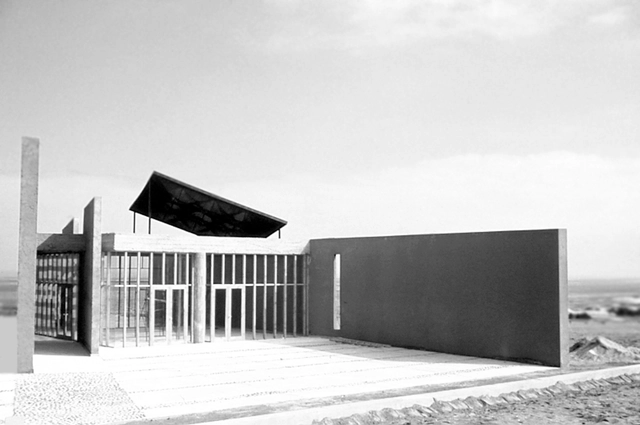
Chapel at the Alonso Ovalle Foundation Retreat House, Antofagasta, 1991. GKL Archive.
A new digital platform aims to reappraise and promote the legacy of the renowned Chilean architect and academic Glenda Kapstein. This website compiles a series of projects and publications chronologically, shaping a linear narrative around her career-long focus on the relationship between architecture and the environment.
“Public space expresses democracy in its territorial dimension. It is a space for collective use. It is the realm in which citizens can (or should) feel like citizens, free and equal; where society performs, represents itself, and shows itself as a community that coexists, displaying its diversity and contradictions, and expressing its demands and conflicts. It is where collective memory is built and multiple identities are manifested.”[1]
In the longest public hearing in the history of the Autonomous City of Buenos Aires, 97.23% of participating citizens spoke out against the approval of the bill that seeks to authorize the privatization and subsequent construction on a portion of land along the Río de la Plata waterfront (Buenos Aires, Argentina). The hearings, held between November 27, 2020, and January 28, 2021, featured 2,057 speakers, including members of various foundations, architects, landscape architects, environmentalists, political organizations, the project's authors, and, for the most part, Buenos Aires residents. Of these, only 55 participants spoke in favor.
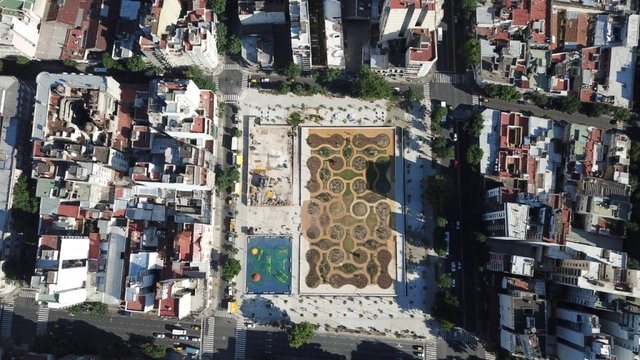
Aerial view of Manzana 66 in the Balvanera neighborhood. Autonomous City of Buenos Aires, Argentina. Image via Gobierno de Ciudad Autónoma de Buenos Aires under License CC BY 2.5 AR
Located in the Balvanera neighborhood of Buenos Aires, Manzana 66 is an example of community resistance and collective action. Its name originates from its designation in the Buenos Aires City Land Registry; the block is bounded by Belgrano and Jujuy Avenues, and Moreno and Catamarca Streets. This section of the city was a point of contention for several years, having been initially demolished to build an indoor arena for music events, destroying housing from the 1920s and displacing its residents.
Ocamica Tudanca Arquitectos, led by Iñigo Tudanca and Iñigo Ocamica, has been named the winner of the 2021 Peña Ganchegui Prize — established to recognize young talent in Basque architecture and organized biennially by the Peña Ganchegui Archive in collaboration with the Directorate of Housing and Architecture of the Basque Government.
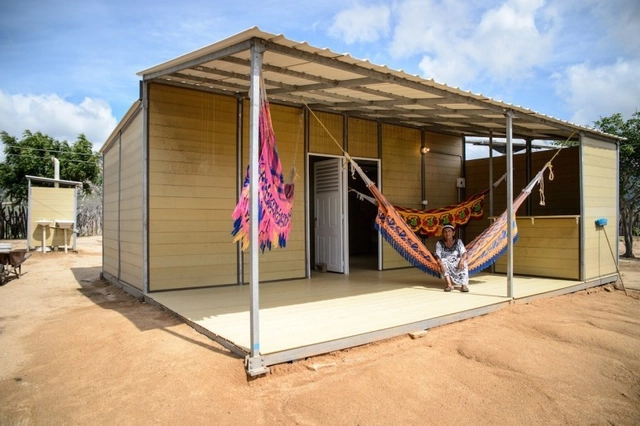
Among the social challenges facing Colombia is the lack of decent housing for a large portion of the population. A survey by the country's population statistics center revealed that 35% of Colombians live in poverty, lacking access to adequate living conditions.
For construction startup Woodpecker, the answer to this problem might lie in another national challenge: agricultural waste from coffee production, as Colombia is one of the world's largest coffee producers.
The firms Pacheco estudio de arquitectura (Colombia) and estudio.entresitio (Spain) designed the proposal and are moving forward with the construction, which was awarded to the Spanish contractor Obrascón Huarte Lain.
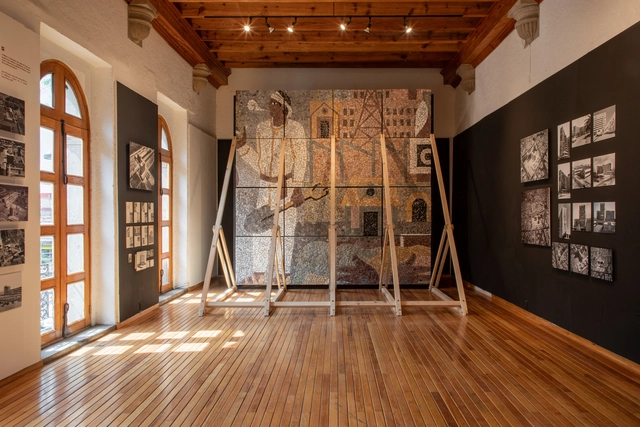
On July 28, the Azcapotzalco Borough opened the exhibition “O’ Gorman O’ Gorman 1905 - 1982” at the Casa de Cultura Azcapotzalco in Mexico City, curated by Sofía M. Provencio and Juan José Kochen. This exhibition is the result of an open call held in July 2020, which invited visual artists, designers, and architects to submit works and perspectives offering a contemporary view of the renowned Mexican artist and architect's work.
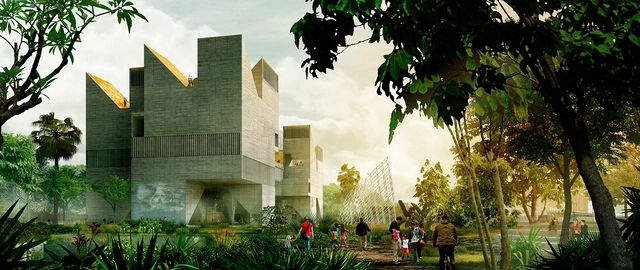
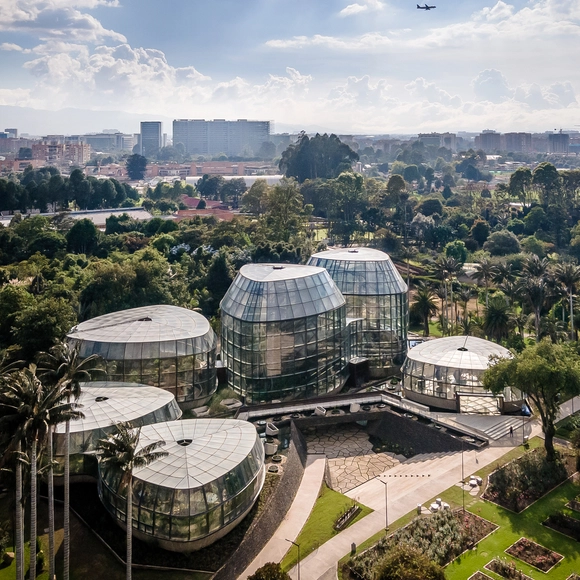
Tropicario. Image via Congreso Colombiano de Arquitectura y Urbanismo
The winners of the Award for Excellence in Sustainable Architecture were announced during the closing of the 37th Colombian Congress of Architecture and Urbanism.
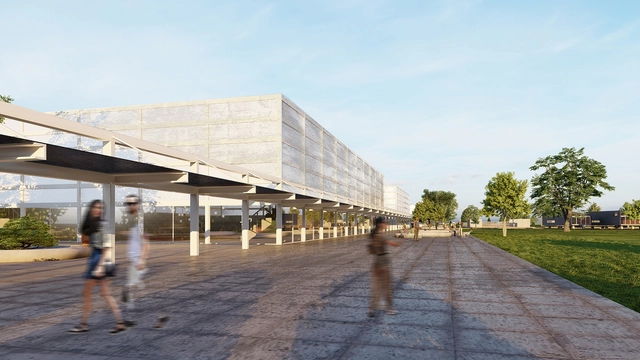
The FAU Student Ideas Competition was held with the objective of developing the site of Club Atlético Ever Ready, located in the city of Dolores, Buenos Aires province, Argentina. The competition focused on proposals for a Master Plan to consolidate the 8-hectare site as a sports complex. First prize was awarded to Arch. Gabriel De León, Pedro Sansogni, Santiago Sosa, and Renzo Guagnini Drews.
The jury consisted of Nicolás Frontini representing Club Ever Ready, Arch. Carolina Helenas Pintos for the Municipality of Dolores, Arch. Silvana Noelia Paul for the Alumni Association, Solange Hoyos for the Student Body, and Dr. Arch. Juan Carlos Etulain for the Faculty Association. Explore the project below.
Videos
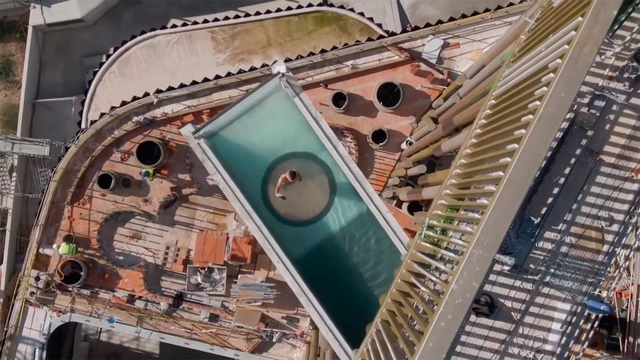
Video capture Odiseo: totem and urban oasis courtesy of Clavel Arquitectos
Clavel Arquitectos is behind the design and construction of Odiseo, a building designed to function as an urban oasis and leisure center in Murcia, Spain. The most striking feature from the exterior is what will be Europe's largest cantilevered pool—and the second largest in the world.
Following recent global events surrounding the crisis caused by the COVID-19 virus and its impact, we have witnessed the creation of numerous sanitary camps, field hospitals, and retrofitted halls, indoor arenas, and exhibition centers. These facilities aim to care for the hundreds of patients expected as infections continue to grow exponentially.
The winners of the National Ideas Competition for the renovation of the Downtown Campus of the School of Architecture, Urbanism and Design of the National University of Córdoba have been announced. Organized by the Provincial College of Architects, the call invited architects from across the country to develop proposals for the programmatic and spatial reconfiguration of the FAUD UNC Downtown Campus in Argentina, repurposing the building for activities related to culture, research, outreach, and postgraduate studies.
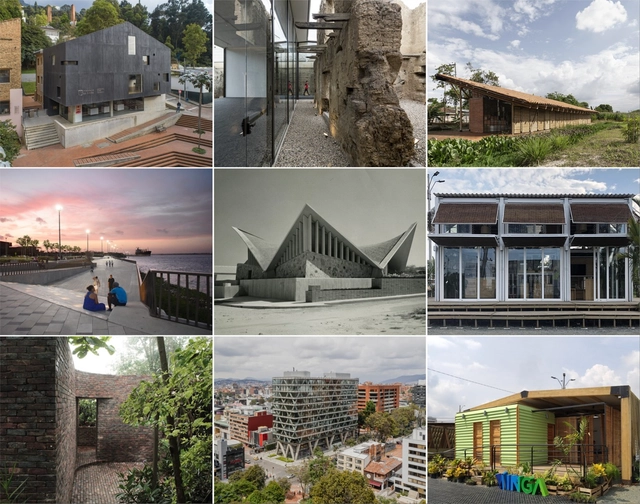
The Colombian Society of Architects (SCA) has announced the finalists for the 27th Colombian Biennial of Architecture and Urbanism (BICAU XVII) across all categories. The selected projects, which you can explore below, will receive either an Honorable Mention or be named winners of their respective categories; the winner of the National Architecture and Urbanism Prize will also be chosen from among them.
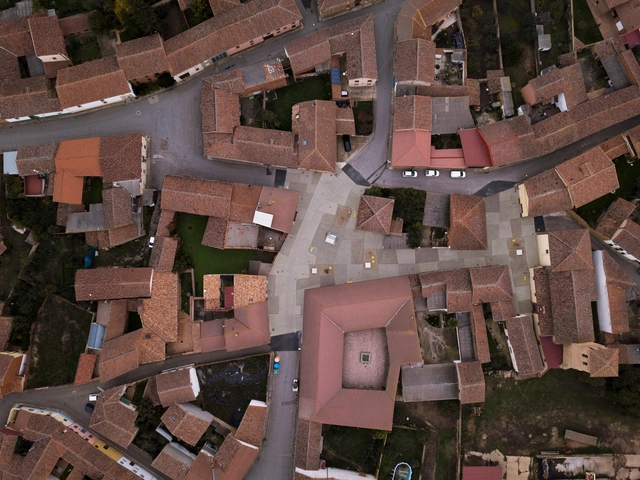
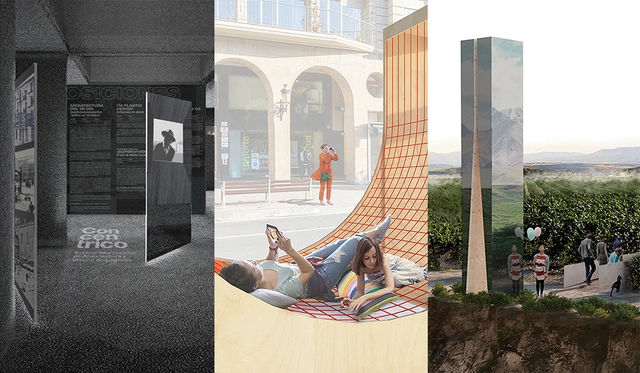
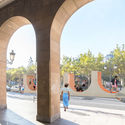
Concéntrico 06 is the Logroño Architecture and Design Festival, open to all citizens and visitors, which invites them to discover and rediscover key spaces in the city's historic center.
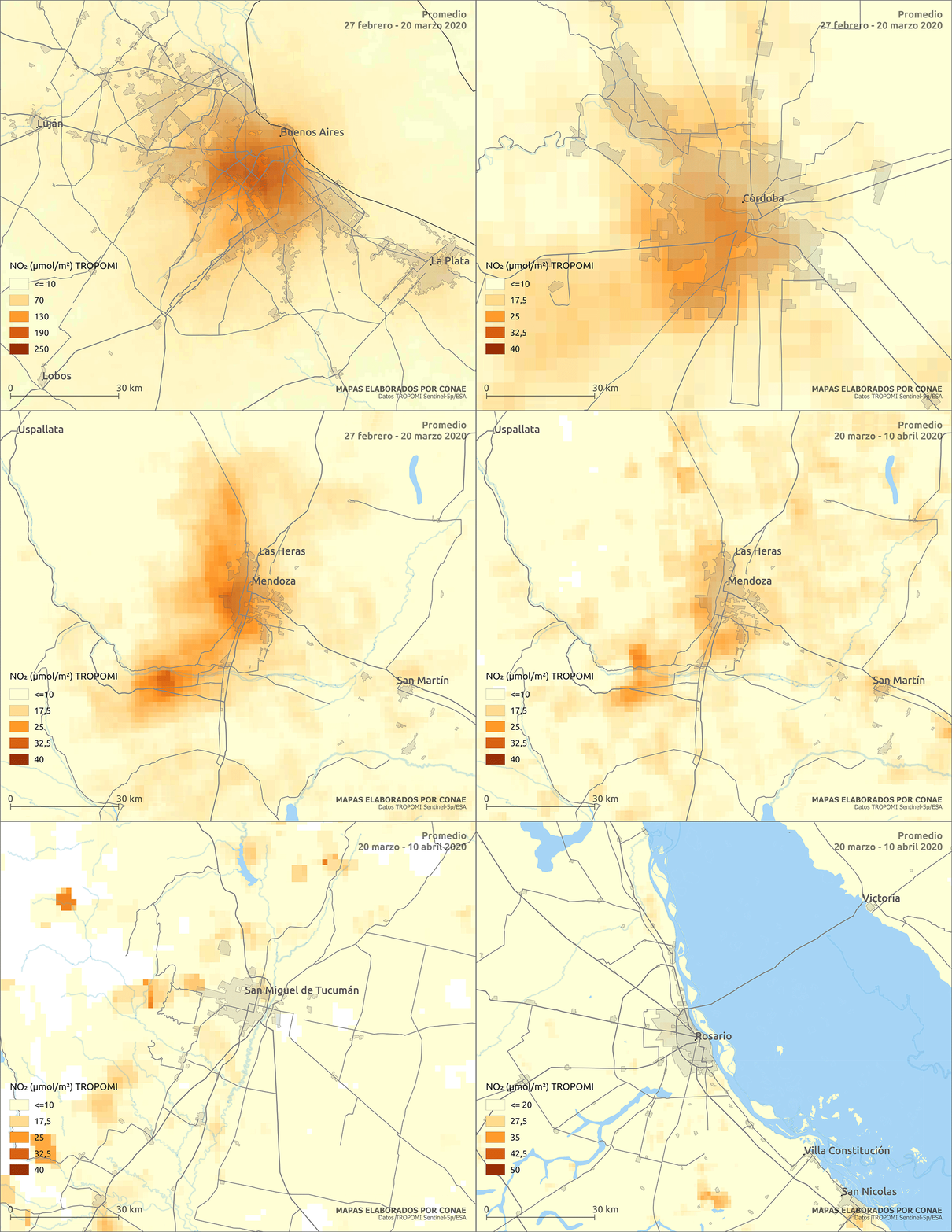
The levels of air pollution reached by major urban centers around the world in recent years reveal the troubled relationship we have maintained—and continue to maintain—with our environment. The gravity of the issue lies in the fact that this not only affects the overall balance of the planet, but according to the World Health Organization, the current state of the atmosphere also causes, through the simple act of breathing, the death of around seven million people each year. Shortly after governments in various countries announced measures to prevent the spread of the coronavirus—lockdowns and isolation—numerous studies began to show an unexpected and promising trend: air pollution levels in many cities began to drop significantly within days of the measures being announced due to reduced traffic and a decline in industrial emissions.
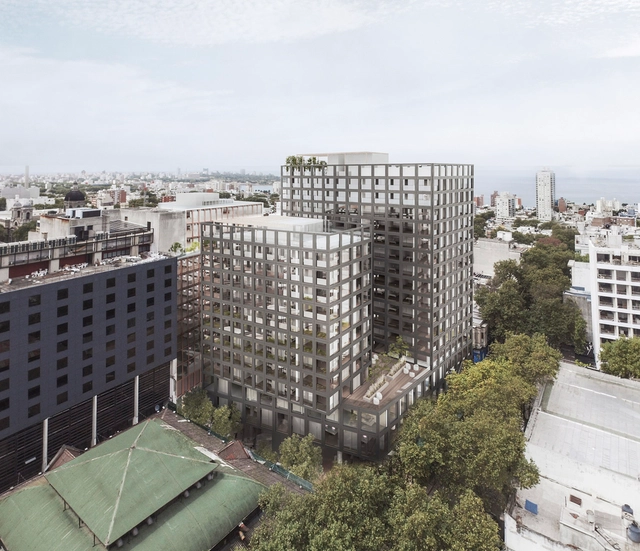
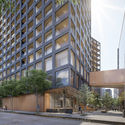
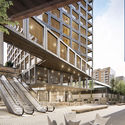
The architecture firm Hauser (Argentina), alongside architects Mathías Klotz (Chile) and Edgardo Minond (Argentina), has presented its project 'BRUSCO,' a large-scale mixed-use development with a significant urban impact. Located opposite Montevideo's City Hall, the complex will integrate diverse programs, including an open-air retail promenade, a city hotel, public and private parking, residential units, and offices. The project is already under construction and aims to become a transformative landmark that revitalizes the surrounding area, ensuring both day and night activity by coordinating and integrating the schedules of its various functions.

.jpg?1612536479&format=webp&width=640&height=580)