-
Architects: Granada Form
- Area: 25 ft²
- Year: 2025
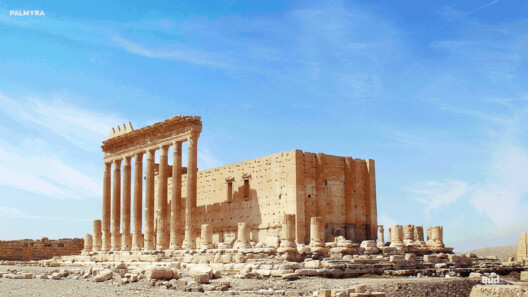
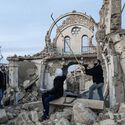
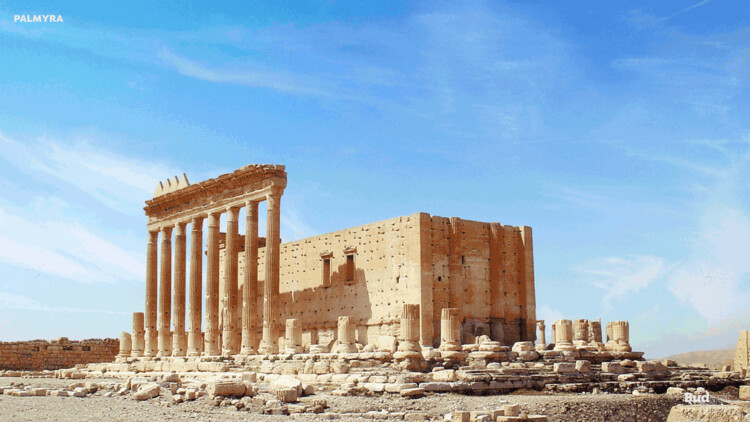
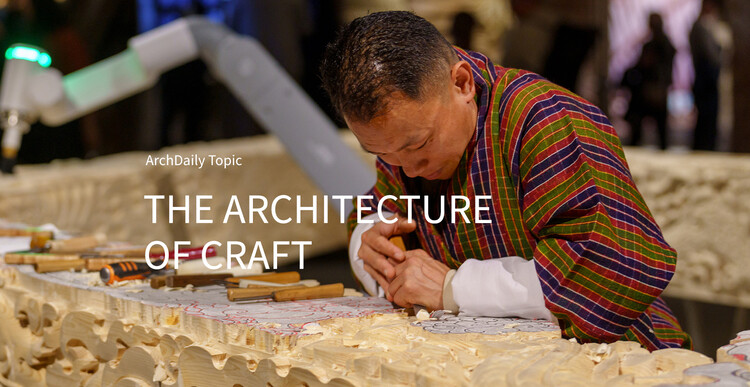
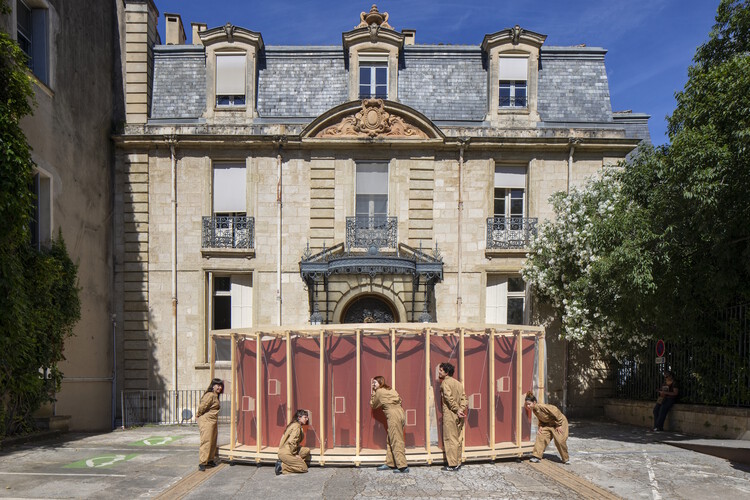
A war can erase a skyline overnight. Roofs collapse, streets become impassable, and landmarks that once oriented everyday life are reduced to rubble. The most profound loss often remains invisible. Buildings can be surveyed, photographed, scanned, and, eventually, rebuilt. The knowledge that produced them is far more fragile. It survives in the hands of stonemasons who understand how a limestone vault carries its load, carpenters who know how timber joints respond to seasonal movement, plasterers who mix lime by memory rather than measurement, and residents whose everyday rituals keep these buildings in use. When these people are displaced, killed, or forced to abandon their trades, reconstruction inherits a problem that no drawing or digital model can solve. Stone can always be quarried again. Recovering the knowledge to shape it takes much longer.
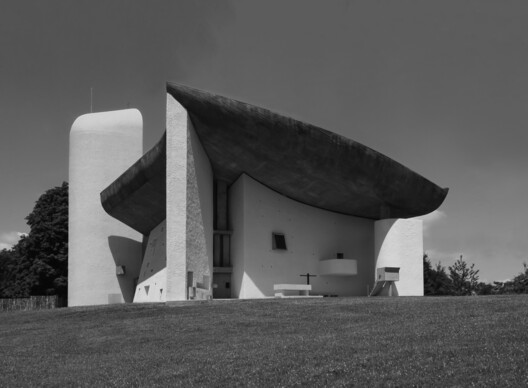
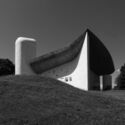
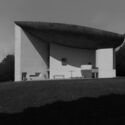
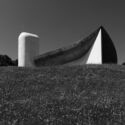
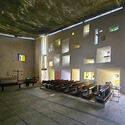
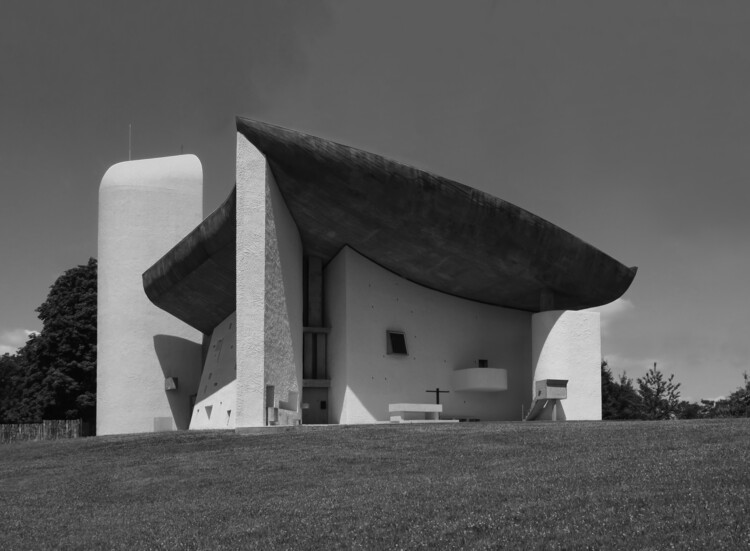
Photographer Paul Clemence has unveiled a new photo series documenting Le Corbusier's Notre Dame du Haut in Ronchamp, France. The collection revisits one of the 20th century's most influential works of religious architecture through an exploration of light, materiality, and atmosphere, highlighting the sculptural qualities of the chapel and the changing relationship between its concrete surfaces and natural illumination. Combining black-and-white exterior photographs with color interior images, the series presents a new documentation of a building that continues to shape architectural discourse more than seven decades after its completion.
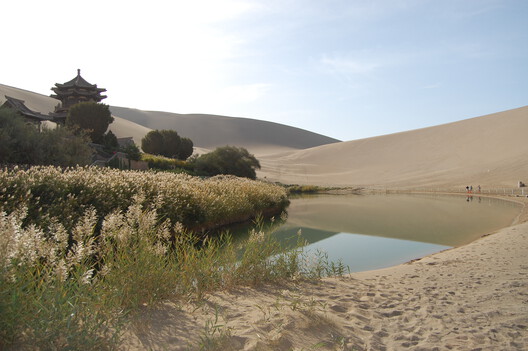
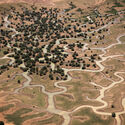
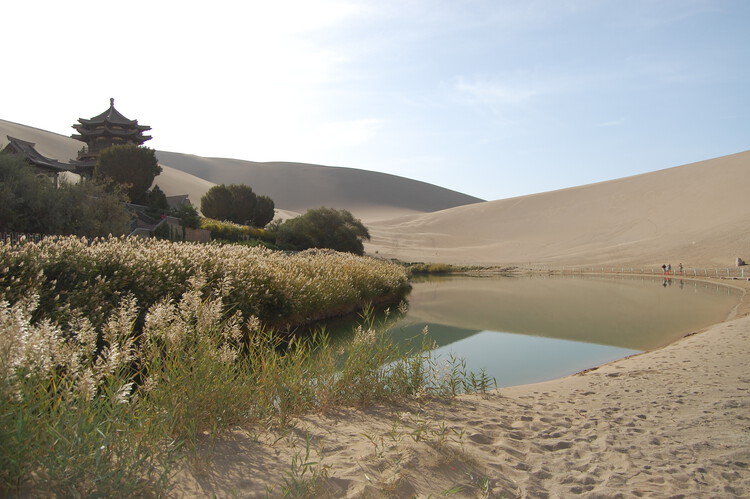
The idea of a "Great Green Wall" designates a large-scale reforestation initiative undertaken specifically to halt desertification. Currently underway in Africa to prevent the advancement of the Sahara Desert and in China around the Gobi Desert, it is a landscape, agriculture, economic, and social development project in reaction to the rise of global temperatures, over-farming, and unsuitable land management. Both projects, currently underway, are intersectional initiatives involving governments from different countries, civil society organisations, and both individual volunteers and organised groups, guided by the idea of a unified response to global environmental issues through wildlife restoration. It is a large-scale, infrastructural application of a 'green' or 'wildlife corridor': a linear strip of vegetation or natural landscape that connects fragmented ecosystems and wildlife populations separated by human development on a continental scale.
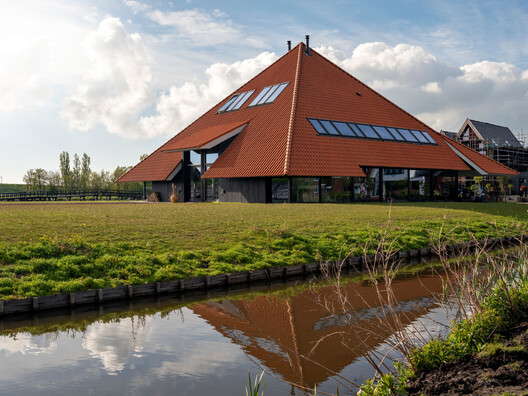
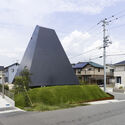
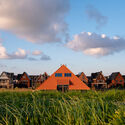
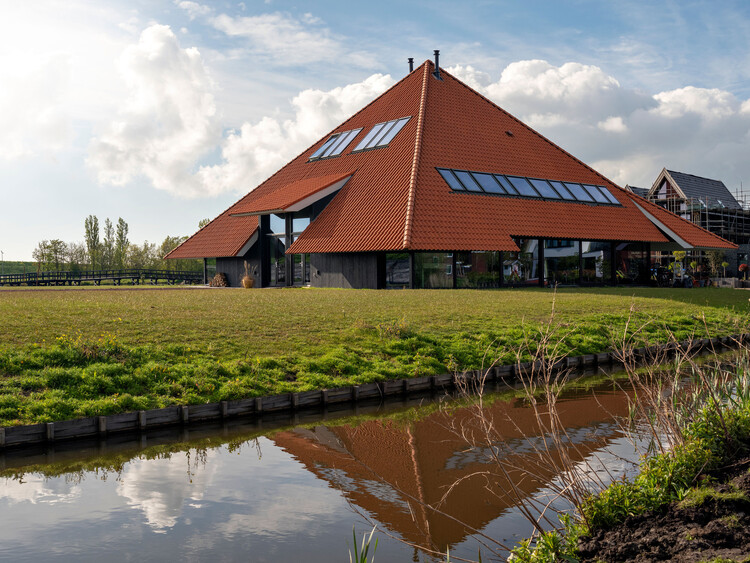
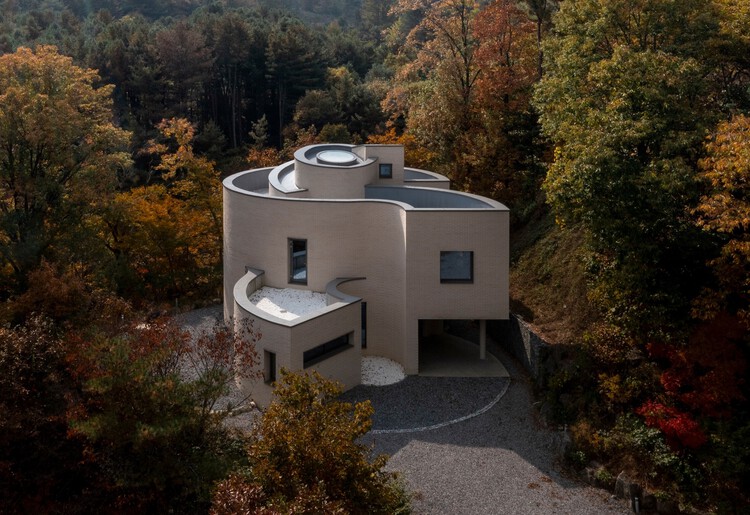
While pyramidal geometry appears in monumental historical structures, its contemporary application remains limited. The primary constraint is the sloping envelope, which contracts the building's floor area as it ascends and reduces usable interior volume compared to orthogonal or cylindrical forms. However, from a structural standpoint, the geometry offers lateral stability against wind and seismic loads due to its broad base, central mass distribution, and self-bracing triangular faces. Nonetheless, applying this shape at a residential scale introduces several layout constraints. These slanted walls limit vertical wall surfaces, which complicates the placement of standard windows, doors, and floor partitions. At the same time, the low clearance along the perimeter also creates unusable floor area at the edges of the room.


When Francis Kéré set out to build a school in his home village of Gando, Burkina Faso, he chose clay, a material his own community associated with scarcity, not architecture. To prove it could hold, he built test bricks and submerged one in water for five days before showing his neighbors it hadn't failed. Then he trained the villagers themselves to raise the walls, rather than bringing in a construction crew from the city. More than 200 people from Gando have since worked as builders because of that choice. The school carries something a materials list alone cannot: the trace of the hands that will go on living in the village long after the scaffolding came down.

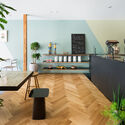
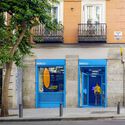
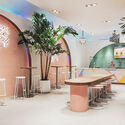
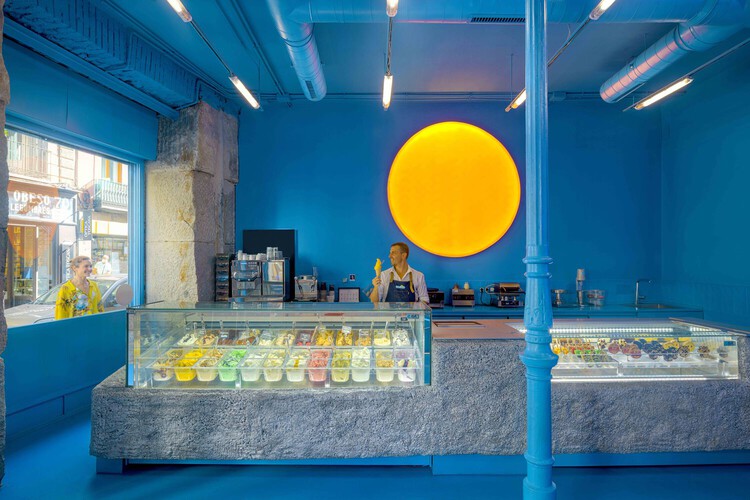
The ice cream shop functions as an exercise in branding through playfulness in retail and commercial spaces, a small architectural gesture designed to draw people in off the street or across the park. From dense urban cores to quiet coastal towns, designers return again and again to color, materiality, and childlike curiosity as the primary tools for these spaces. This consistency appears to persist regardless of climate, culture, or context, signifying that the common threads of design are connected by experience and indulgence.