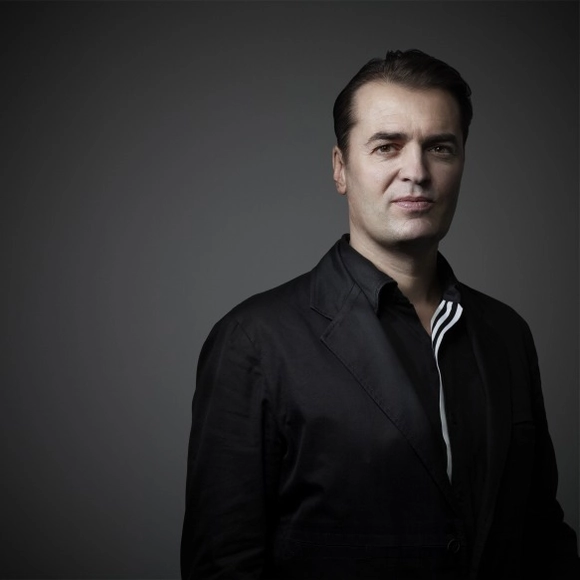
"The limits of our design language are the limits of our design thinking". Patrik Schumacher's statement subtly hints at a shift occurring in the built environment, moving beyond technological integration to embrace intelligence in the spaces and cities we occupy. The future proposes a possibility of buildings serving functions beyond housing human activity to actively participate in shaping urban life.
Modernism, a movement that sought to break away from traditional forms and embrace the future, laid the groundwork for many technological and digital advancements in contemporary architecture. As the Industrial Revolution brought about mass production, new materials, and technological innovation, architects like Le Corbusier, Walter Gropius, and Mies van der Rohe championed the ethos of "form follows function" and a rational approach to design. Their principles resonate in the digital age, where computational design and high-tech materials redefine form and construction.
The 20th century's modernist ideals — efficiency, simplicity, and functionality — created a foundation for architects to experiment with structural clarity and material honesty. High-tech architecture, which emerged in the late 20th century, evolved from these principles, merging modernism's clean lines with advanced engineering and technology. This paved the way for parametricism and algorithm-driven design processes, revolutionizing architecture and enabling complex forms previously thought impossible.
Architecture as a profession is both deeply rooted in the past and driven by innovation. During the past few years, we have seen technology advancing at an unprecedented pace, developing tools and systems that change the way we understand the world. Digital spaces are becoming an accessible reality, as the metaverse is promising to enhance human interaction. Other digital tools such as robotic construction technologies, AI-generated images, and immersive virtual-reality equipment are likely to have a direct impact on the construction industry.
These topics are addressed by forward-looking architects, designers, and building industry professionals. Among others, contemporary artist Krista Kim talks about the economy of the metaverse, architect Alper Derinboğaz draws attention to the challenges facing the new generations of architects, and ICON founder Jason Ballard reveals the implications of technological innovations.
The tenth edition of the Architectural PhotographyAwards has announced its shortlist, selected from entries from 64 different countries. The photographs are divided into six categories: Exterior, Interior, Sense of Place, Buildings in Use, Mobile, with Bridges being this year’s theme, and Portfolio, focusing on the theme of Transport Hubs. The photographs will be displayed at the World Architecture Festival (WAF) Lisbon in Portugal from 30th November - 2nd December. The winners, two per category, will be announced by the end of the festival.
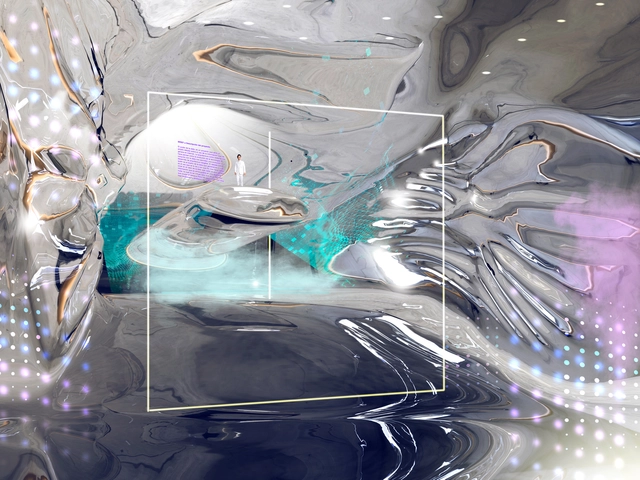
For the past couple of years, the metaverse has been gaining prominence, prompting architects to consider its implications for our relationship with the physical environment and how can architecture contribute to this new virtual space. Architecture in the metaverse is no longer a fringe subject, having been embraced by established firms. "The metaverse is where much of the architectural action and innovation will be happening in the coming period,"says Patrick Schumacher. Unbound from restraints such as physics, material properties and construction costs, the metaverse unlocked a new realm of architectural expression. The following looks at some of the various ways the profession engages with the expanding field of digital environments.
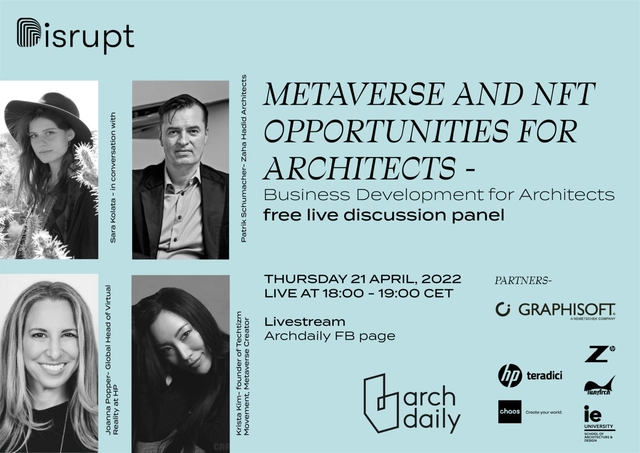
This week for the final Archdaily roundtable host Sara Kolata is being joined by Zaha Hadid Architects Principal Patrik Schumacher, Founder of the Techism Movement Krista Kim and an award-winning Hollywood and Silicon Valley media executive Joanna Popper to discuss ways Architects can benefit and profit from new digital opportunities in the Metaverse.
Zaha Hadid Architects - ZHA has unveiled a virtual "libertarian micro-nation" in the metaverse titled The Liberland Metaverse, where residents can buy vacant plots centered around a curated urban core, and access them as avatars. The community features hyper-realistic districts that encourage urban self-governance and zones where the absence of urban planning "allows for a spontaneous order via a free-wheeling discovery process".
Videos
Peter Eisenman, Patrik Schumacher, and Alisa Andrasek among the speakers that participated at Digital Futures. Image Courtesy of Digital Futures
Like most functions in recent months, this year’s Digital FUTURES, which is held annually since 2011 at Tongji University in Shanghai, had to move online due to the pandemic. The organizers took this as an opportunity to give the event a global dimension, turning the festival into what they rightfully call the most significant worldwide event for architectural education ever staged, with a 24/7 display of workshops, lectures and panel discussions involving some of the most prominent architects and educators. Here is an overview of the festival, together with a selection of lectures from Digital FUTURES World.
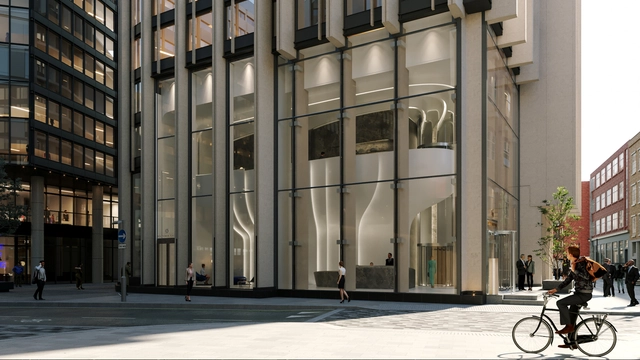
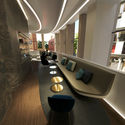
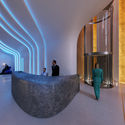
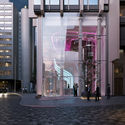
Zaha Hadid Architects partnered up with Southbank Tower, for the company's first interior refurbishment project, in order to renovate the building’s lobby. The office structure, designed by Richard Seifert in 1972, had already gone through massive renovation works, led by KPF in 2015.
Zaha Hadid Architects were selected along with Esplan from Estonia to design the new terminal of the Rail Baltic railway at Ülemiste, Tallinn. Their proposal for the starting point of the Rail Baltic line connecting Tallinn, Riga and Vilnius with the European high-speed rail network, has been awarded the first place in the design competition.
Design:ED Podcast is an inside look into the field of architecture told from the perspective of individuals that are leading the industry. This motivational series grants unique insight into the making of a successful design career, from humble beginnings to worldwide recognition. Every week, featured guests share their personal highs and lows on their journey to success, that is sure to inspire audiences at all levels of the industry. Listening to their stories will provide a rare blueprint for anyone seeking to advance their career, and elevate their work to the next level.
In this episode of Design:ED Podcast, Patrik Schumacher — the company director and Senior Designer for the esteemed Zaha Hadid Architects — sits down to discuss the future of parametric design, the early days of Zaha Hadid Architects, and how the firm is continuing the legacy of Zaha Hadid after her passing in 2016.
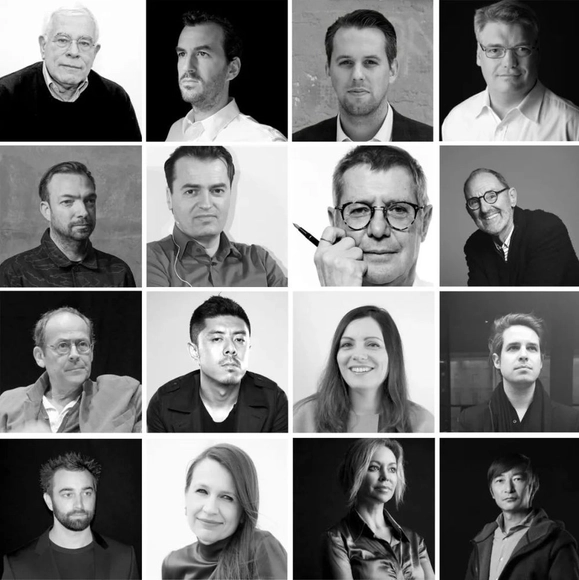
Below, we have rounded up the 30 most influential architects in London, complete with examples of the architectural works which have put them on the city and world map.
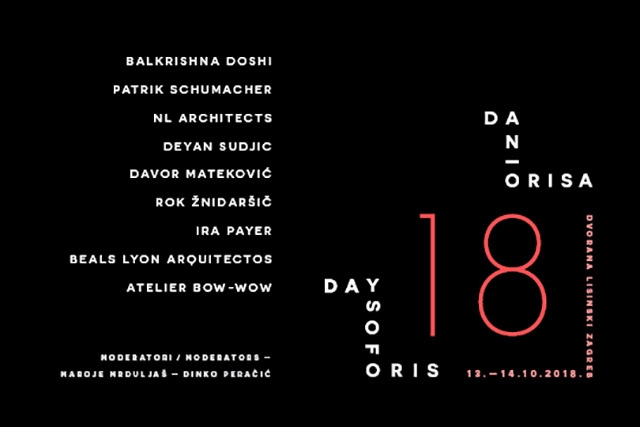
Days of Oris is an international architecture convention organised by Oris magazine and the Oris House of Architecture. The two-day event has been held since 2001. It presents the most significant names of the architectural and cultural scene and gathers more than 2000 visitors every year.
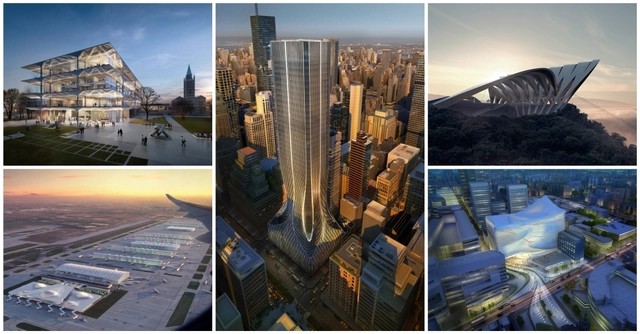
Now on display at the Jaroslav Fragner Gallery as part of the third Prague Experimental Architecture Biennial is “ZHA: Unbuilt,” an in-depth look into some of the firm’s best projects that could have been.
Arranged within the space by typological concepts (towers, atriums, stadiums, shells, masterplans, ribbons, and bubbles), the exhibition serves as an exploration into the evolution of the work of Zaha Hadid Architects, showing how earlier research and innovations have become the foundations of the firm's architectural projects currently in development.
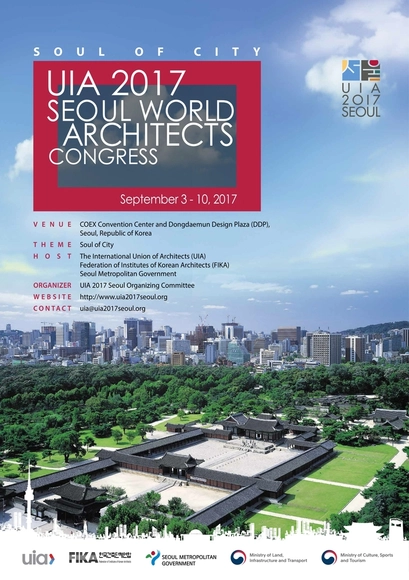
The UIA (International Union of Architects) world congresses are a premier forum for professionals and future leaders in the field of architecture to exchange the best and latest practices, visions and first-hand experience. The UIA 2017 Seoul, in particular, will promote various innovative architectural techniques and technologies among member sections and global citizens. In doing so, academic programs, exhibitions, competitions, student activities, and public outreach programs will simultaneously take place.
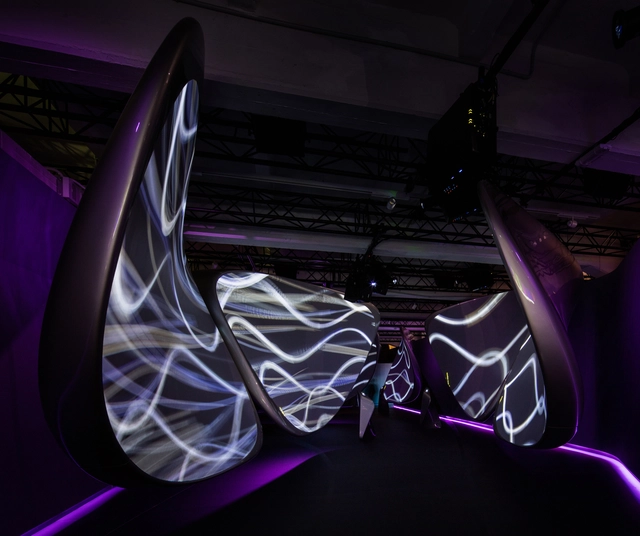
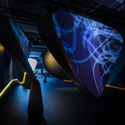
Zaha Hadid Architects has collaborated with Samsung and digital art and design collective Universal Everything to create an immersive technology installation at the 2017 Milan Design Week, taking place this week in the Italian city. Named ‘Unconfined,’ the pavilion will showcase Samsung’s new Galaxy S8 smartphone by leading visitors through an immersive environment inspired by the device.
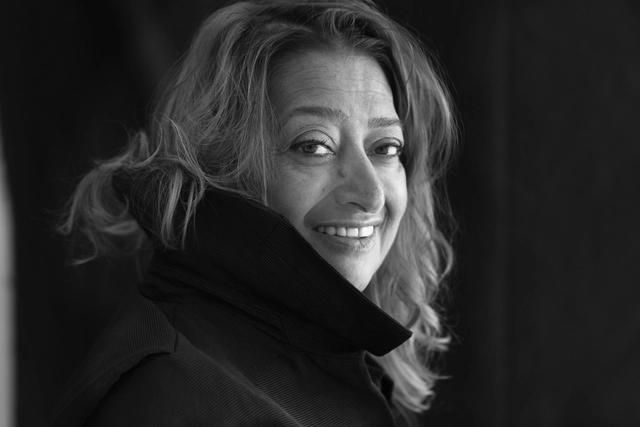
It was in 1988, at London’s Tate Gallery during the Deconstructivism conference held in anticipation of MoMA’s eponymous exhibition that I first encountered Zaha Hadid in person. She was lecturing among her six co-exhibitors: Peter Eisenman, Rem Koolhaas, Frank Gehry, Wolf Prix, Bernard Tschumi, and Daniel Libeskind. I had encountered her work a few years earlier as a young architecture student (at Stuttgart University) and was stunned and thrilled by the unprecedented degrees of compositional freedom, versatility and dynamism in her work. Up until then I had not been so sure if architecture was such a good career choice for me. I was rather underwhelmed and bored by architecture but, through my encounter with Zaha’s incredible work, architectural design unexpectedly transformed into an adventure. The bounds of architectural possibilities had shifted. Thirty years later, this sense of adventure continues. Zaha changed our field and changed everything for me.
https://www.archdaily.com/868022/the-miraculous-zaha-hadid-a-tribute-by-patrik-schumacherPatrik Schumacher
As reported by The Guardian and the Architects' Journal, the last will and testament of the late Zaha Hadid—who passed away in March 2016 aged 65—has revealed that the Dame of the British Empire and Principal of Zaha Hadid Architects had a net fortune of £67,249,458 (around $82.5million or €77million). This sum, which was filed in the UK High Court in December last year, will be bequeathed in small parts to nieces and nephews (£1.7million), her brother Haytham Hadid (£0.5million), and her business partner Patrik Schumacher (£0.5million). At the time of her death, Hadid was unmarried with no children.
https://www.archdaily.com/803672/zaha-hadid-leaves-net-fortune-of-67-pounds-millionAD Editorial Team











.jpg?1650608161)


.jpg?1650608161)
.jpg?1647330953&format=webp&width=640&height=580)
.jpg?1647330953 "© Mytaverse")
.jpg?1647330909 "© Mytaverse")
.jpg?1647330953)


.jpg?1573206551&format=webp&width=640&height=580)
.jpg?1573206665 "Courtesy of Zaha Hadid Architects")


.jpg?1573207055 "© ZOA Studio, courtesy of Zaha Hadid Architects")
.jpg?1573206551)