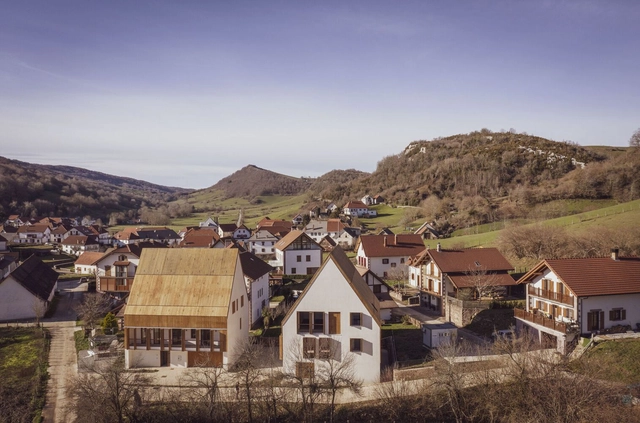
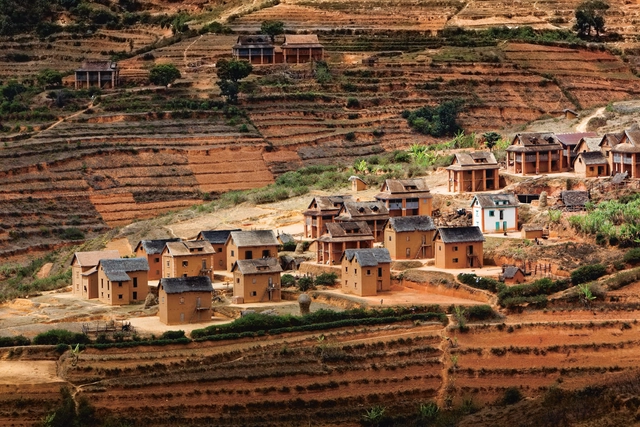
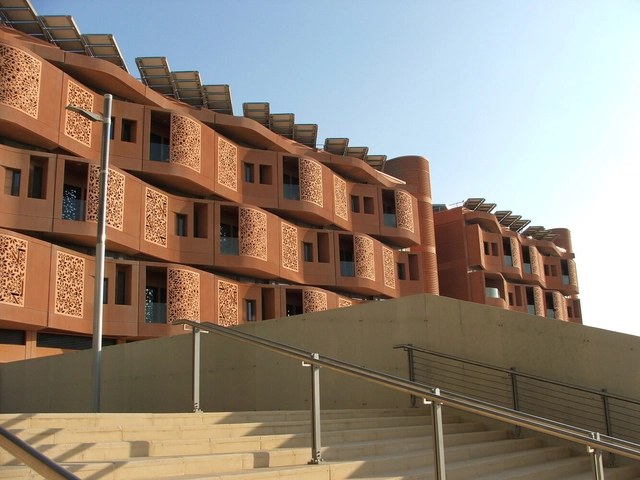
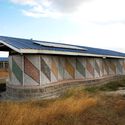
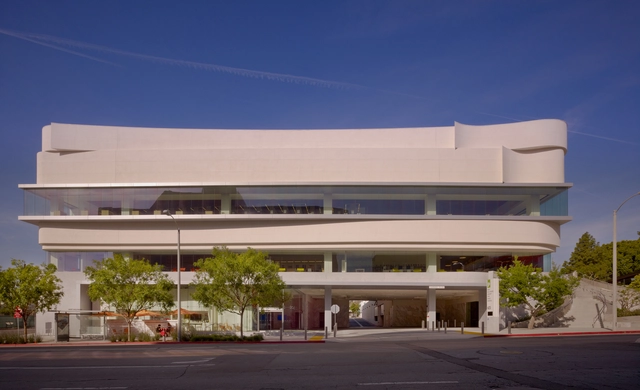
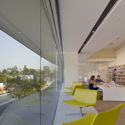
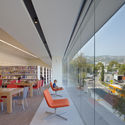
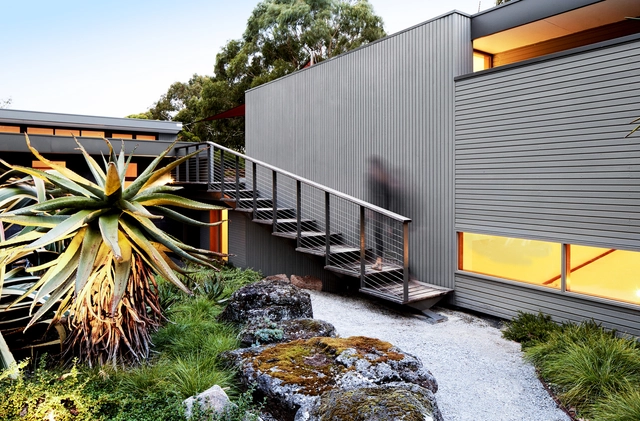
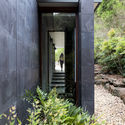
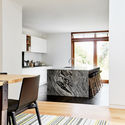
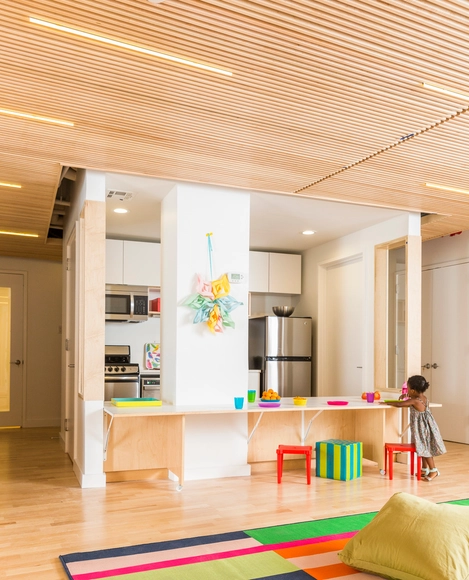
Andanzas y visiones españolas is the book in which Miguel de Unamuno collects his experiences during excursions through Spain's cities and countryside, accompanied by friends and colleagues. More than a precise geographical description, the text consists of narratives in which each region and every feature of the territory leaves a deep imprint on his thought. The literary discourse actively weaves the diversity of setting, climate, and contextualism as foundational threads, presenting the territory not only as a physical place but also as a space for reflection and contemplation. This attentive engagement with the landscape—so diverse within Spanish architecture—also resonates in the built environment, fostering in contemporary practice a sensitive adaptation to the country's varied climatic conditions, both through design strategies and material choices.
https://www.archdaily.com/1031789/context-responsive-architecture-in-spain-7-projects-highlighting-material-strategiesEnrique Tovar
When Wallace S. Broecker first introduced the concept of global warming in the 1970s, society probably didn't anticipate the implications of this phenomenon. Today, more than 50 years later, we have stopped predicting an adverse climate scenario and have begun witnessing it directly. It is now evident that the earth is breaking temperature records year after year, as a result of a disparity in the global response to the issue and a slow-moving reduction in carbon emissions.
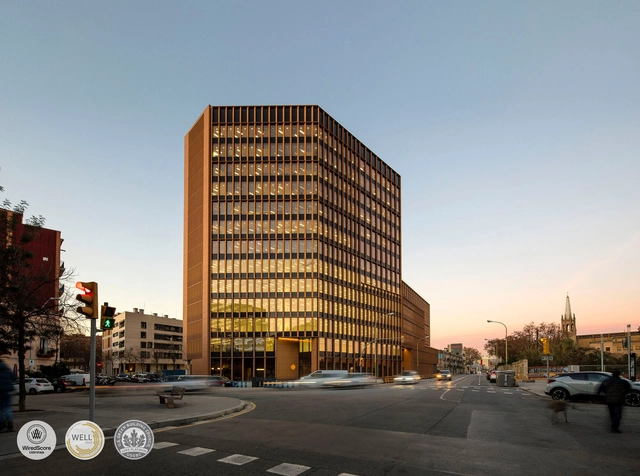
To reduce CO₂ emissions in architecture, it is crucial to implement effective strategies that address both the manufacturing of materials and the life cycle of buildings, as well as energy consumption during use. In countries like the US, approximately 45% of energy consumption in the residential sector is allocated to heating and cooling spaces, making it essential to address efficient building design, especially on the façade. To achieve this objective, policies are being implemented that promote a conversion towards a more sustainable model. In this new model, sustainability certifications for buildings provide a framework for measuring and evaluating resource consumption.
https://www.archdaily.com/1016044/the-curtain-a-key-element-in-the-certification-of-sustainable-buildingsEnrique Tovar
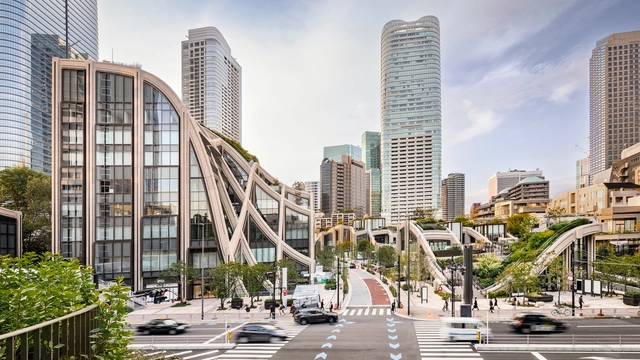
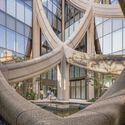
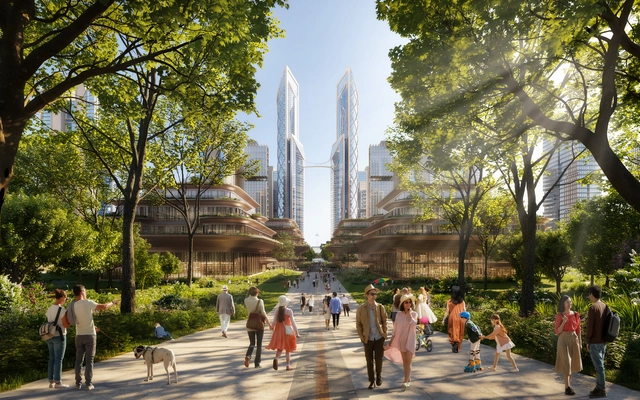
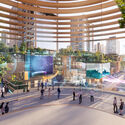
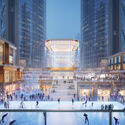
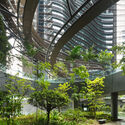
Foster + Partners has been selected as the winner of an international competition to design a new center for Hangzhou, the capital of China's Zhejiang province. The master plan envisions a green and interconnected mixed-use quarter situated in the heart of the Yuhang District. In its essence, the project aims to foster a strong connection between nature and people’s daily lives, creating a sustainable urban quarter.
The architecture and construction industry has undergone a transformation with the integration of various digital tools, now indispensable to the design process. The welcoming of technologies has effectively streamlined operations, enhanced efficiency, and elevated design quality. This digital shift, however, has resulted in a digital divide that goes beyond accessibility to tools and software. It also encompasses the crucial aspect of integrating traditional and indigenous communities into the urban development landscape. Can advancing technology support the growth of vernacular architecture? Can indigenous building practices find a place in the vision for a digitalized future?
As world governments grapple with environmental crises, the construction industry rushes to reevaluate sustainable design and develop new ways of measuring its efficiency. Consequently, green building certification systems (GBCS) started gaining traction in the 20th century to evaluate and promote sustainable construction practices. The Global South faces distinctive challenges in building sustainable cities. Its developing nations demand an exclusive approach to designing an appropriate, economical, and inspiring architecture for their promising futures.
AIA'S 2024 Ppresident-elect Kimberly Dowdell. Image Courtesy of Kimberly N. Dowdell
The American Institute of Architects has elected Kimberly Dowdell as the 100th president of the organization, making her the first Black woman to hold the position in AIA’s 165-year history. Delegates at the AIA’s annual meeting voted Dowdell to serve first as vice president for 2023. Afterward, she will become president in 2024.
During her campaign for president, Dowdell has expressed her support for minorities, while also making clear that she wants to be an AIA president for all. Her platform is based on four key areas of interest: supporting architects in practice, creating a sense of belonging and ensuring access to the architectural profession and education, addressing climate concerns, and designing for the future, considering rapid technological advances. “I firmly believe that the AIA has the power and potential to better serve our profession” she declared in a video made prior to the election.
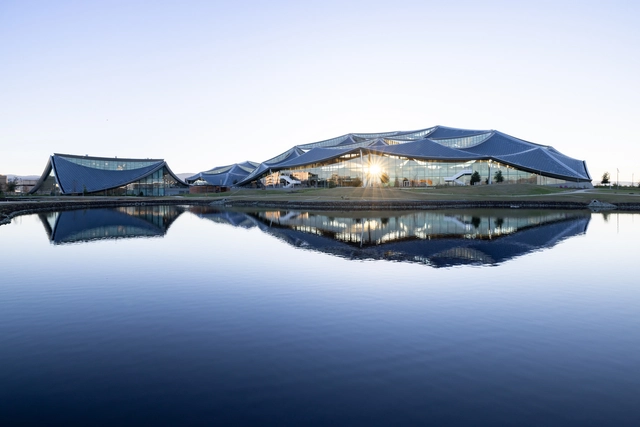
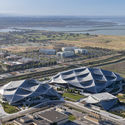
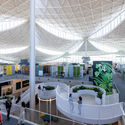
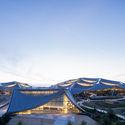
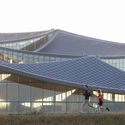
Google’s first ground-up campus, designed by BIG - Bjarke Ingels Group and Heatherwick Studios in collaboration with Google’s design and engineering teams, opened in Silicon Valley. The campus’ mission is to create a human-centric design for the future of Google’s workplace and set new global sustainability standards for construction and office design. The site aims to operate entirely on carbon-free energy by 2030; it integrates the most extensive geothermal pile system in North America and is net-water positive. The campus also includes 17 acres of high-value natural areas, including wet meadows, woodlands, and marsh.
The Brundtland Report, 1987 - "Our Common Future" - introduced the notion that the sustainable use of natural resources must "meet the needs of the present generation without affecting the ability of future generations to meet theirs." Since then, the term sustainability has been popularized and, often, trivialized in our daily lives. In the construction industry, this is no different. As much as we know that to build, we need to destroy, how is it possible to mitigate the effects of construction during the useful life and demolition of buildings? A sustainable building, in its design, construction, and operation, must reduce or eliminate negative effects overall and may even generate net positive impacts on the climate and environment – preserving resources and improving the quality of life of the occupants simultaneously. To say that a building is sustainable is easy and even seductive. But what exactly makes sustainable construction?
Answering this question is not a simple exercise. That is why, in the last 30 years, several building sustainability certifications have been created. Through outsourced and impartial evaluations from different sources, they aim to verify the sustainable aspects of any construction. Each of them addresses particular building elements and is typically focused on certain regions of the world. While there are some certifications that verify whether the building meets certain efficiency criteria, others create different classifications, assigning a score based on these evaluations. Below, we list some of the primary sustainability certifications around the world – ranked alphabetically – and include their main architectural applications alongside a brief explanation:
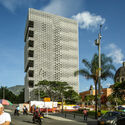
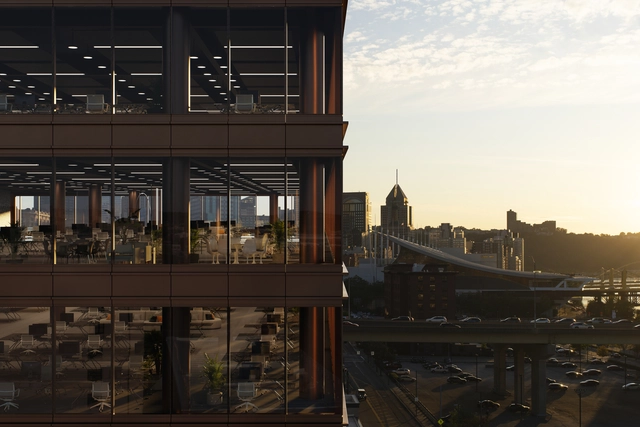
JMC Holdings unveiled images of a 21-story office building in Pittsburgh’s 1501 Penn Ave. Designed by Brandon Haw Architecture, an international architecture studio based in New York, in collaboration with the AM/Woolly Group, the new commercial structure is LEED-certified.
The variety of sustainable building rating systems promoting health and wellbeing can be confusing. With so many standards, how do you determine which are suitable for your project? How do you take advantage of the synergies between these rating systems to pick the right building materials? By increasing your knowledge of all the available options, you can make a more informed decision and achieve the best possible results for your building. In AEC Daily’s online course you can explore health and wellbeing credits across sustainable building rating systems and study the many options for creating optimal conditions for building occupants.
In a study recently published by AIA, less than 13% of architectural firms have incorporated building performance as part of their practice. With buildings contributing 40% of total carbon emissions leading to climate change, just 25 projects are roughly equivalent to planting 1 million trees each year. In addition to that, teams that are able to showcase data-driven and performance-driven decision-making and feature an energy analysis in every pursuit are able to increase fees and generate more revenue. Although integrating building performance sounds like a no-brainer, it proves to be difficult at many firms, because in addition to the practical changes, it requires a culture shift. That culture shift can only happen if the tools are easy to use, accurate, and mesh well with current workflows. Right now is the perfect time to tackle these culture changes due to a few reasons:
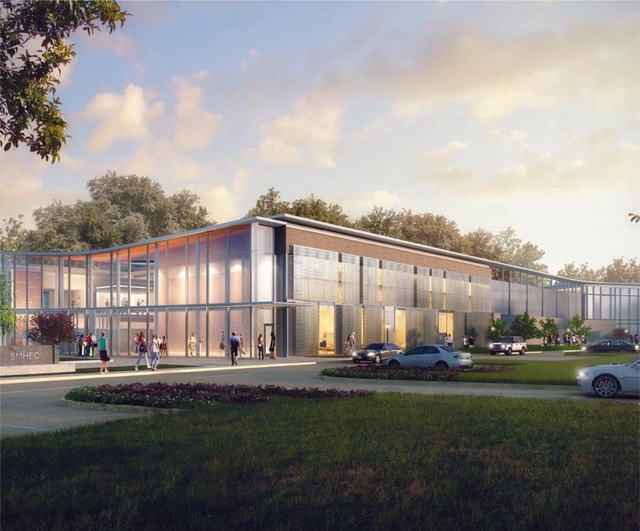
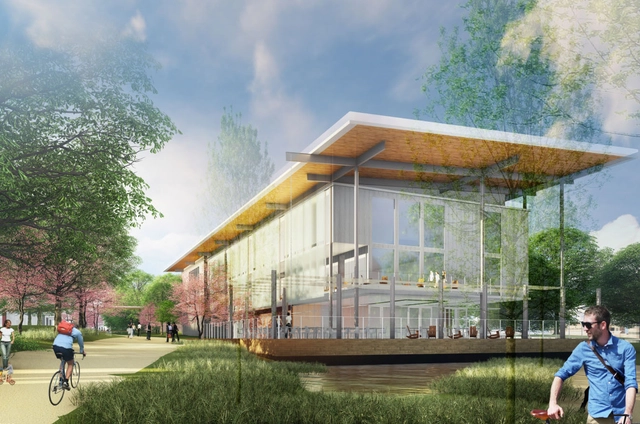
Courtesy of Workshop Architects, Cooper Carry, OLIN, and Gilbane
Today in the United States, buildings account for nearly 40% of carbon emissions (EESI) and 78% of electricity usage. The most sustainability-focused firms run energy simulations for less than 50% of their projects (10% for a typical firm) and only doing so late in the process when design changes are limited and insufficient to combat red flags found in the performance report (AIA 2030 report). We can make building performance widespread once we help the entire community discuss the subject in terms of investment and return. Especially during a project pursuit, since having the buy in from the whole team helps ensure the key project metrics are met. Owners are seeking out teams who are using actual metrics and data driven processes that affect their bottom line. This new approach to practice is what makes the younger teams’ standout and will benefit both the climate and the bottom-line. Here are 5 ways to talk about building performance in your project pursuits:
Manufacturers: Pure + FreeForm, Baker Metals, Cambridge Architectural Mesh, Las Vegas Rock, Novum Structures, +3Sensitile, The Lighting Quotient, Viracon-3