
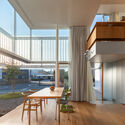
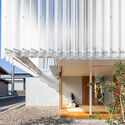

-
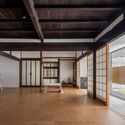
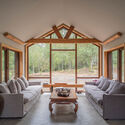
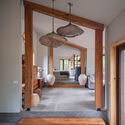
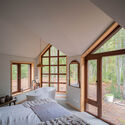
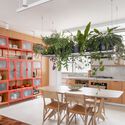
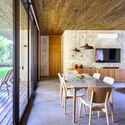
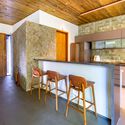
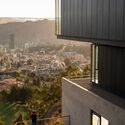
Architects: Taiga Kasai + Chong Aehyang Architecture / KACH
- Area: 173 m²
- Year: 2020
-
Manufacturers: C.I. TAKIRON Corporation, Serge Ferrari, Tsukiboshi Shoji
-
Professionals: Graph Studio

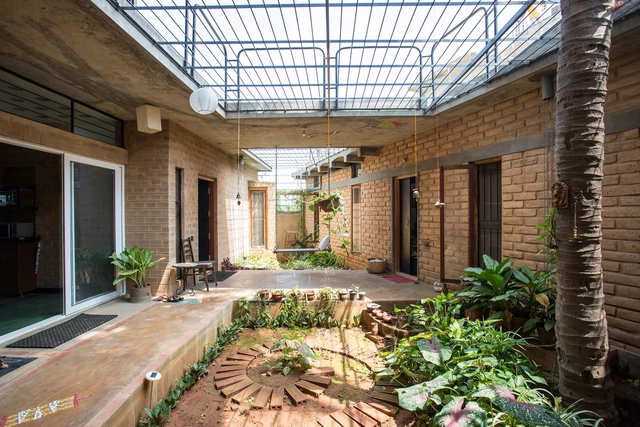
Water scarcity is one of the most stressful situations that one could ever endure. And yet, in India, a country that holds 18% of the total world population with only 4% of its water resources, this is a recurring struggle with notable numbers of Indian households having to manage water scarcity on a daily basis.
The yearly water cycle is a tough one, ranging from one extreme to another. Harsh monsoons and flood seasons turn into insufferable droughts, making it increasingly difficult to control and retain water resources. While most large-scale actions focus on consequences to agricultural and production sectors, the result is also recognizable at an individual household level. Therefore cumulative small-scale actions are relevant gateways for citizens (? people, designers) to mitigate the issue.
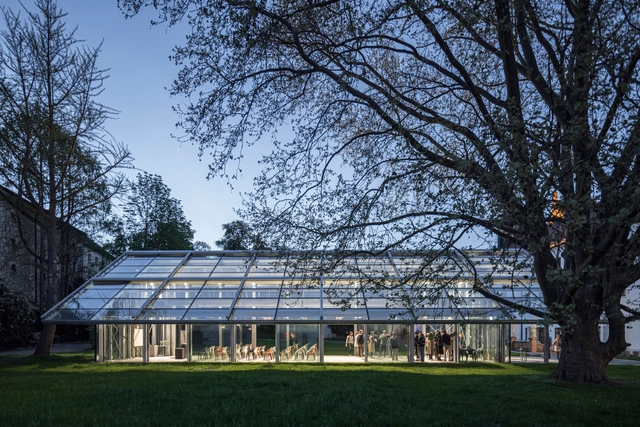

In part six of Opening Up, the viewer is immersed in the story of Hotel Gerl, an Austrian retreat that beautifully combines tradition and modernity.
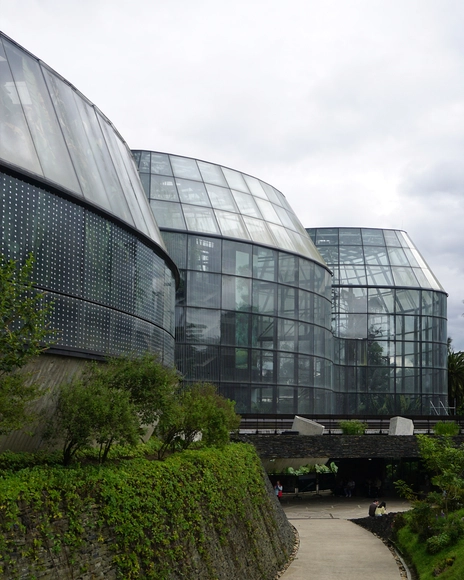
Almost a decade ago, news flooded Colombian media: the announcement of the winning project for the Tropicario of the Bogotá Botanical Garden. Today, we want to bring you all the information we have compiled since then, both about the competition won by DARP and the construction process - up to its inauguration in 2021 and its evolution in recent times.
We hope this architectural journey helps you to know every step, every decision, and every detail that contributed to its realization. Understanding that its true legacy lies in how it transforms lives, inspires communities, and endures over time.
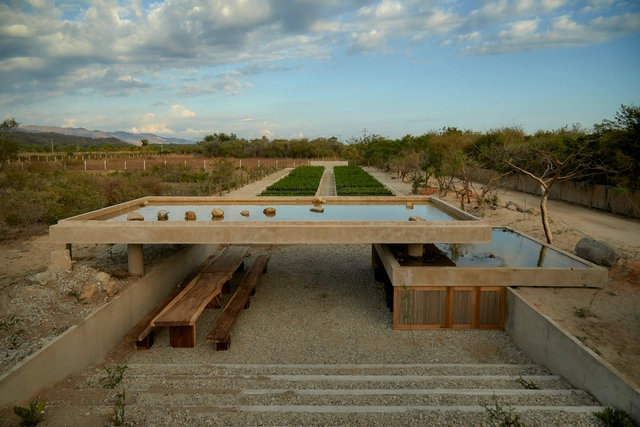
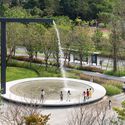
Integrating water into landscaping in unique and sustainable ways has become an increasingly relevant approach to recent projects. Proper use of this natural resource adds aesthetic value to green spaces and can also promote ecologically positive responses to the work. Looking for different perspectives and innovative solutions, we look for projects with different approaches that integrate water and landscape.
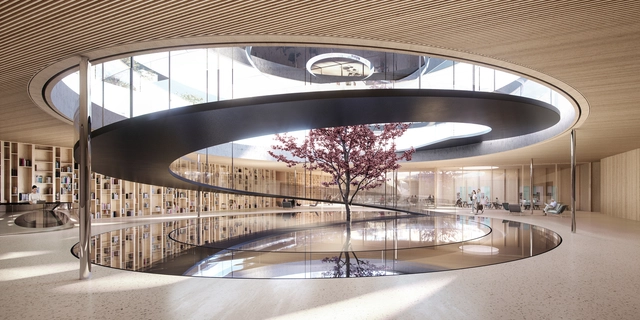
Public spaces are the beating heart of our cities. They act as the hubs of social and cultural activity where people congregate, interact, and escape the clamor of the city. These areas are crucial in determining a city's identity, character, and citizens' well-being and standard of living. Public spaces can define our communities and significantly impact how we live, work, and interact with one another through their architectural designs, facilities, and activities. Furthermore, they provide leisure, exercise, and recreation opportunities, allowing individuals to escape the confines of their daily routines and connect with nature.
This week's curated selection of Best Unbuilt Architecture highlights projects submitted by the ArchDaily community showcasing different proposals made to enhance public space. Ranging from reimagining central squares to placing massive land art in the urban epicenter, these public spaces enhance the quality of life for the city's locals. In Germany, the redesign of the entire Memorium Nürnberger Trials reimagines this as a place to come together, grounded in its history, while in Havana, the new Cuban Square reimagines the metaphor of unity in the city center. The design and accessibility of public spaces significantly impact our well-being and quality of life. Thoughtfully planned and inclusive spaces with seating, greenery, and pedestrian-friendly infrastructure can promote physical activity, mental health, and community engagement in a city.