-
Architects: CAAM Arquitectos
- Area: 720 m²
- Year: 2026
-
Manufacturers: Arudeko, Axoque, Azotea, Casa Duuya, Encrudo, +5


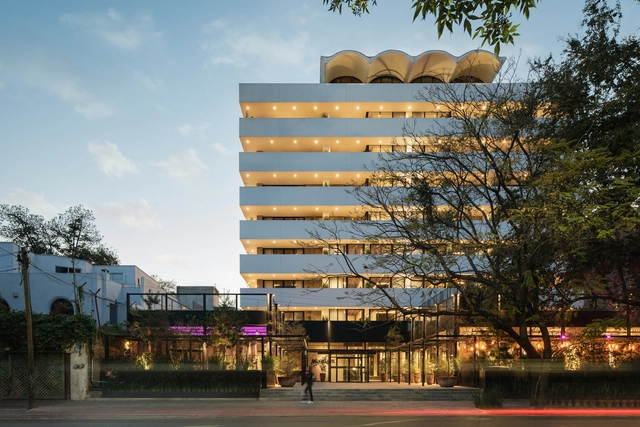
As is well known, the year 2015 saw a boom in coworking spaces—a type of shared office that typically operates in an open environment (though some companies offer closed offices), located either across entire floors of high-rise buildings or in repurposed historic sites adapted for these new ways of living and working. These new setups speak to a professional community in the midst of self-reinvention, where an increasing number of entrepreneurs, freelancers, and small businesses seek affordable spaces that offer networking opportunities in cooperative environments. These shared workplaces provide access to resources such as high-speed internet, desks, chairs, lamps, filing cabinets, printers, copiers, kitchens, and phone booths in strategic urban locations.
Arturo Arrieta
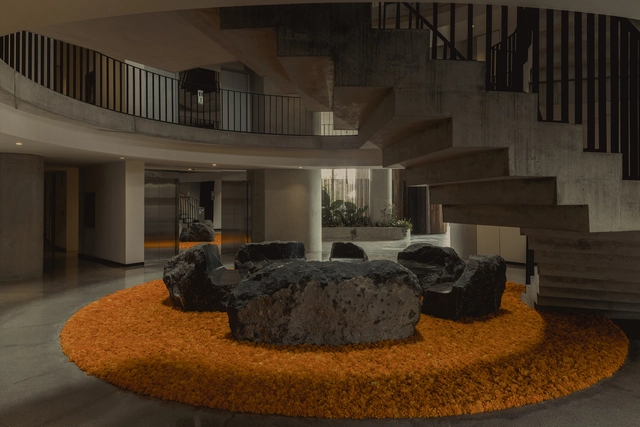
To mark one of Mexico's most important celebrations, architect Miguel de la Torre designs an annual installation for November 1 and 2. The celebration features cempasúchil (Mexican marigold) flowers, a plant native to Mexico that blooms in autumn. According to traditions dating back to pre-Hispanic times, the yellow and orange petals are used to guide the deceased during their visit, as they are believed to hold the light and warmth of the sun.
As another year comes to a close, the ArchDaily team looks back at the year's architectural highlights, compiling a selection of projects to review the content featured in 2022. As part of this retrospective, our curation team presents one of our readers' favorite categories—residential architecture—bringing together the projects that represent the very best of a vast year of architectural production, as chosen by our audience.
At a time marked by anticipation for the future of architecture, yet also by reflection on what has been accomplished over the past year, we present the 50 most-visited houses on ArchDaily in Spanish in 2022. In doing so, we continue our ongoing mission to provide tools, inspiration, and knowledge to everyone working toward a better built environment.
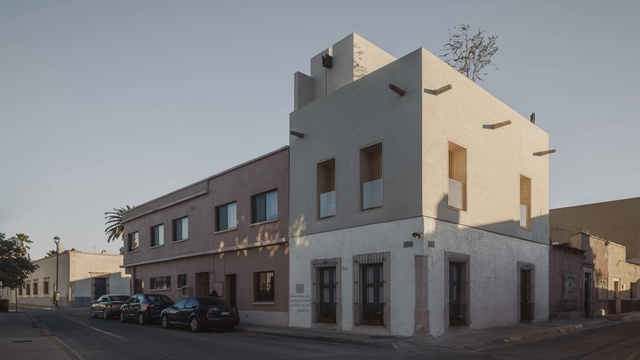
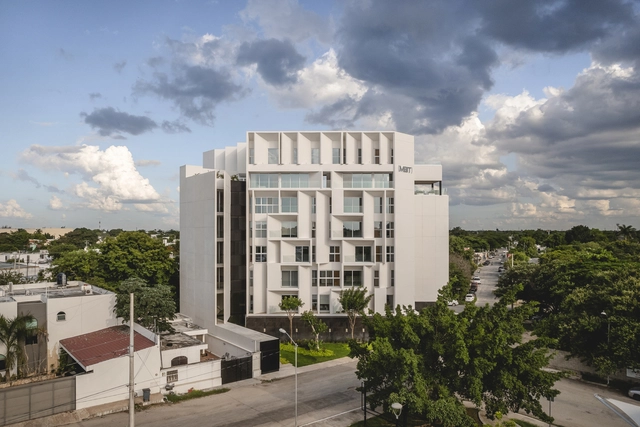
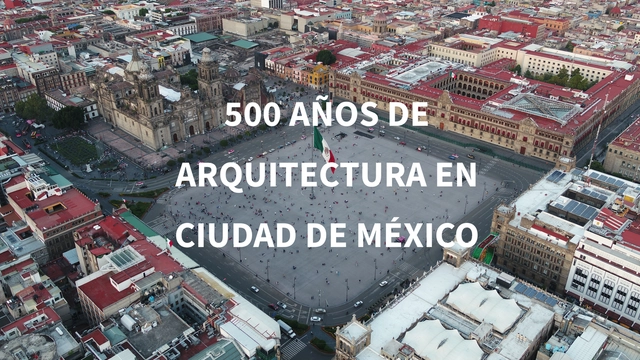
Today, August 13, commemorates two pivotal events in Mexico's history: the approximate founding of Tenochtitlan, capital of the Mexica civilization, around 1325 on an island in Lake Texcoco in the Valley of Mexico; and the fall of this empire in 1521 to the Spanish army led by the conquistador Hernán Cortés.
These are just a few of the many events that shape today's Mexico City, making it nearly impossible to summarize them all. Nonetheless, revisiting some of these milestones helps us understand the very ground we stand on and, above all, reflect on the future of our actions as architecture professionals: from the pre-Hispanic period, colonization, Independence, and the Revolution, to the foreign influences of the Modern Movement and the diverse interpretations that culminate in what we recognize today as contemporary architecture.

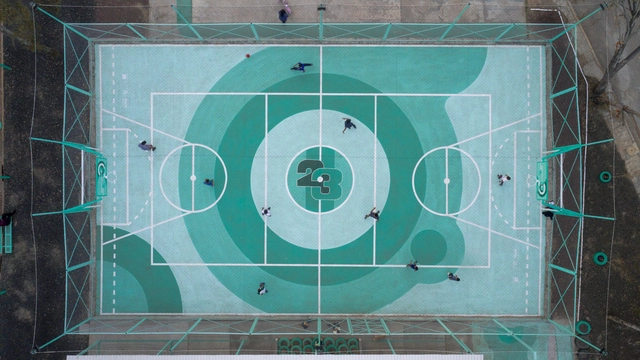
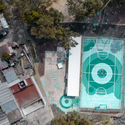
The “Xico-Parque Sur 23” project by the Mexican firm All Arquitectura grew out of the success of “Cancha La Doce,” which was developed in collaboration with love.fútbol and sponsored by the Pincus Family Foundation. Drawing on insights gained from previous projects on-site, the design and research process built upon an existing understanding of local needs and opportunities.
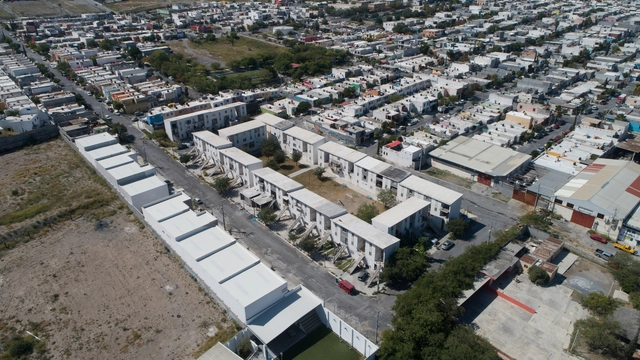
“Where the city ends should not be the question,” Alejandro Aravena has repeatedly stated in various lectures, “where it begins is the question we should try to understand.” In many Latin American countries, the concentration of wealth in urban environments has led to the explosion of cities and “metropolitan areas,” giving rise to complex challenges.